
Table of Contents
Trump’s Global Peace Board Proposal
In late 2025, former President Donald Trump unveiled his vision for a global peace board that would bring together world leaders, diplomats, and influential figures from various sectors to address and resolve global conflicts. The initiative was framed as a non-partisan, global effort to foster peace and stability, particularly in regions affected by war, poverty, and political unrest. Trump, who has positioned himself as a key figure in international affairs following his time in office, emphasized that the board would be an independent body, free from the constraints of traditional political alignments.
The proposed peace board would consist of a diverse group of global leaders, including former heads of state, business leaders, and influential activists. Its goal would be to create a platform for dialogue and cooperation among nations, with the aim of reducing conflicts and promoting sustainable development. Trump positioned the board as a complement to existing international organizations like the United Nations, arguing that it would be more effective in mediating peace agreements due to its flexibility and non-governmental status.
Despite the ambitious goals of the peace board, critics have questioned the viability and motivations behind the initiative. Many have expressed concerns about Trump’s personal involvement and the potential for the board to be used as a tool for political influence, particularly given his polarizing figure in global politics. As such, the Vatican’s rejection of the invitation has fueled ongoing debate about the true purpose and ethical dimensions of the proposed board.
The Vatican’s Rejection
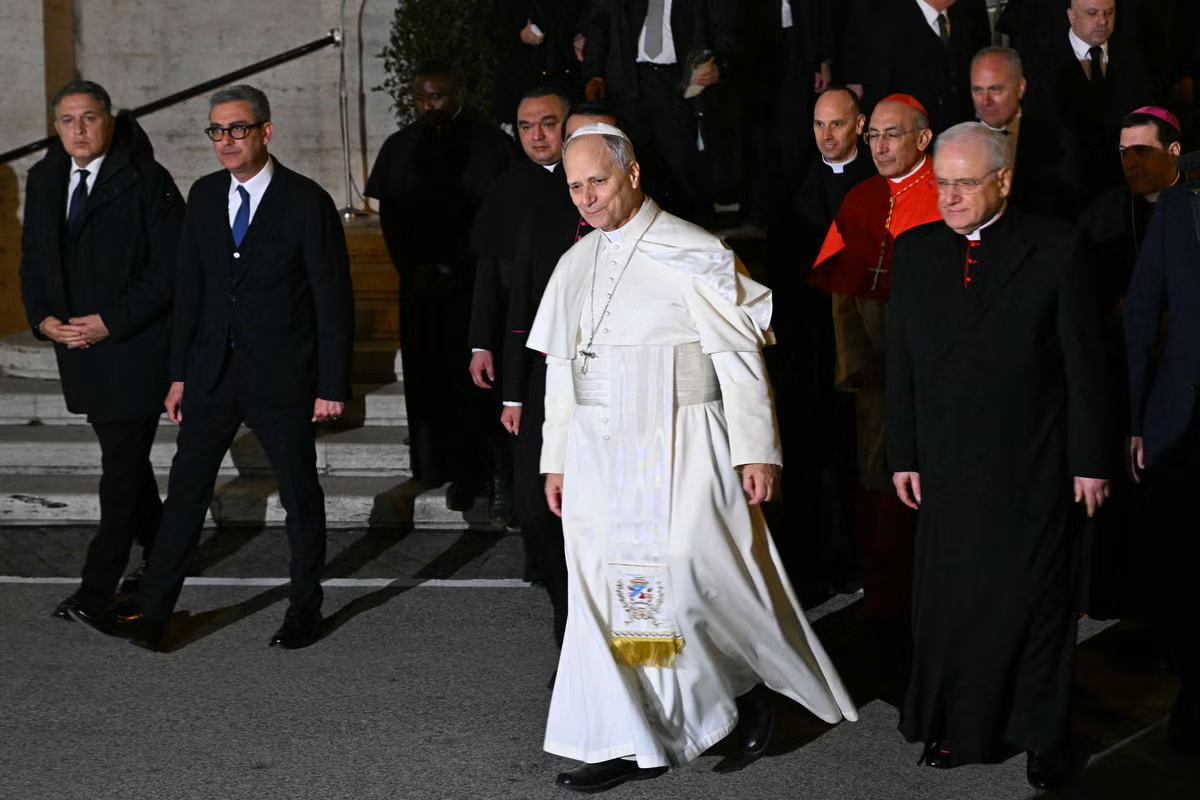
The Vatican’s decision to decline the invitation to join Trump’s global peace board has been met with mixed reactions. In an official statement, the Vatican explained that it could not support the initiative due to concerns about its political nature. The statement highlighted that the Catholic Church’s involvement in international diplomacy is guided by moral and ethical principles, rather than political agendas. The Vatican further emphasized that its commitment to peace is rooted in its religious teachings and that it must remain neutral in political matters, especially when such initiatives may be seen as politically motivated.
The Vatican’s rejection raises important questions about the role of religious institutions in global governance. As one of the largest and most influential religious organizations in the world, the Vatican has long played a key role in advocating for peace and justice, often through diplomatic channels. However, its involvement in political matters has always been carefully measured, with the Church traditionally avoiding direct participation in political power structures. The Vatican’s decision to distance itself from Trump’s peace board underscores its desire to maintain a non-partisan stance in global affairs and to avoid being drawn into politically charged initiatives.
Critics of Trump’s peace board have argued that the project is more about advancing his political and personal interests than promoting genuine peace. By rejecting the invitation, the Vatican has sent a clear message that it prioritizes ethical considerations over political expediency, and it reinforces the importance of neutrality in its international engagements.
The Broader Implications for Global Diplomacy
The Vatican’s rejection of Trump’s peace board initiative has broader implications for global diplomacy and international relations. The decision underscores the complexities of global governance, where religious institutions, political leaders, and international organizations often find themselves at odds over the best approach to conflict resolution and peace-building.
Religious organizations, particularly the Vatican, have historically been involved in mediating peace negotiations and humanitarian efforts, often acting as neutral arbiters in times of conflict. The Vatican’s role in international diplomacy is rooted in its moral authority, which allows it to influence global affairs in a way that transcends political boundaries. However, when initiatives like Trump’s peace board are perceived as politically motivated, it becomes more difficult for religious institutions to justify involvement.
In recent years, global peace-building efforts have become increasingly politicized, with many international organizations and governments using diplomacy as a tool for advancing their own interests. This trend has led to growing concerns about the effectiveness and legitimacy of peace initiatives, especially those that are driven by political figures rather than neutral parties. The Vatican’s decision to reject Trump’s peace board can be seen as an effort to preserve the integrity and neutrality of religious diplomacy in an increasingly polarized world.
Trump’s Influence on International Politics
Former President Trump’s influence on international politics remains a subject of considerable debate. During his time in office, Trump’s “America First” approach to foreign policy emphasized national sovereignty and economic self-interest, often at the expense of traditional alliances and multilateral agreements. His decision to withdraw from key international agreements, such as the Paris Climate Agreement and the Iran nuclear deal, marked a significant departure from the policies of previous administrations.
Trump’s foreign policy approach, characterized by a preference for bilateral deals and a skepticism toward international organizations, has had a lasting impact on global politics. His approach to diplomacy, which often prioritized strongman tactics and personal relationships over traditional diplomatic channels, has left a complicated legacy. Critics argue that his style of diplomacy undermined the multilateral structures that have long been central to international peace efforts, while supporters contend that he strengthened U.S. influence on the global stage.
The rejection of Trump’s peace board by the Vatican highlights the continuing challenges of navigating global diplomacy in the post-Trump era. While Trump remains a polarizing figure, his efforts to reshape U.S. foreign policy have had far-reaching consequences, especially in the context of peace-building initiatives. The Vatican’s stance is a reminder that diplomacy, particularly in matters of peace, must be grounded in ethical principles and remain independent of political agendas.
What’s Next for the Global Peace Board Initiative?
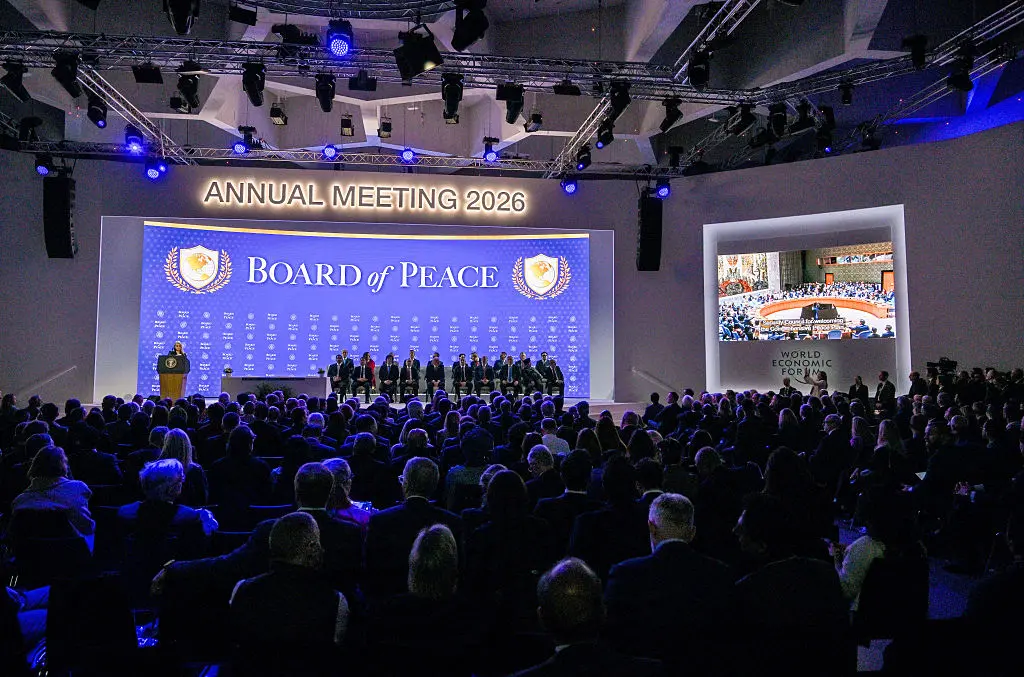
In the wake of the Vatican’s rejection, Trump’s proposed global peace board faces an uncertain future. The absence of the Vatican, one of the most influential religious institutions in the world, is a significant blow to the initiative’s credibility and legitimacy. While Trump has indicated that he intends to move forward with the project, it remains unclear whether other international leaders or organizations will join him.
The success of Trump’s peace board will depend largely on whether it can overcome the political hurdles and skepticism that have surrounded it from the beginning. To gain traction, the initiative will need to demonstrate that it is more than just a political tool for advancing Trump’s personal interests. It will also need to show that it can foster meaningful dialogue and cooperation between nations, regardless of political ideologies.
As global tensions continue to rise and new challenges emerge, the need for effective and impartial peace-building initiatives has never been greater. Whether Trump’s peace board can rise to meet this need, or whether it will be seen as another politically driven project, remains to be seen.
Conclusion
The Vatican’s rejection of Trump’s global peace board is a reminder of the important role that religious institutions play in promoting peace and diplomacy. The Church’s commitment to neutrality and moral principles highlights the challenges of balancing political agendas with the pursuit of global peace. As the world continues to grapple with political polarization and international conflict, the Vatican’s stance reinforces the importance of ethical leadership in global diplomacy.
For Trump’s proposed peace board to succeed, it will need to build credibility and demonstrate that it can facilitate meaningful, non-partisan efforts to address the world’s most pressing challenges. In the meantime, the Vatican will likely continue to focus on its own peace-building efforts, working from a position of moral authority and commitment to the greater good.