
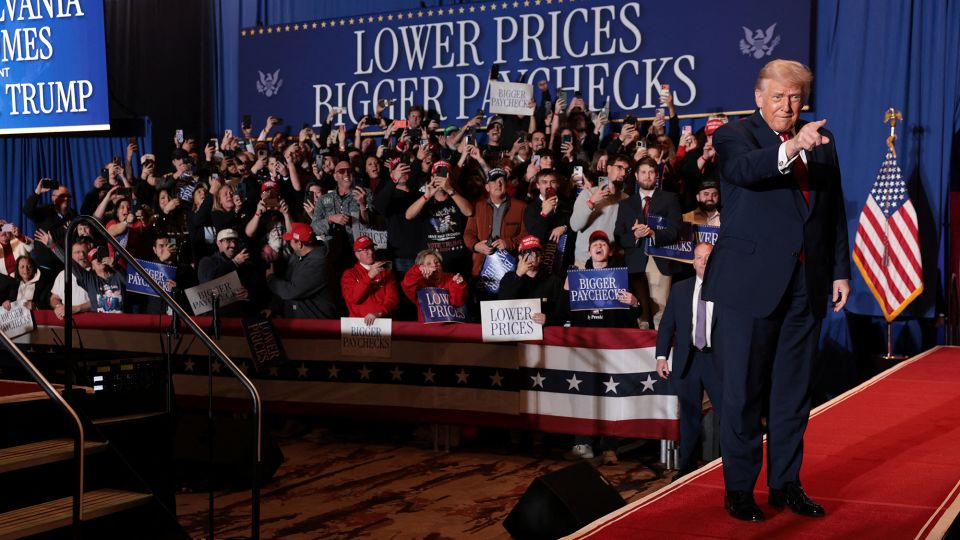
Former President Donald Trump, known for his brash and often inflammatory rhetoric, has recently made headlines for adopting a significantly different tone in his political discourse. Once notorious for his combative, often divisive statements, Trump’s recent shift toward a more conciliatory, Biden-like approach has left many observers questioning what this means for his political future.
The change in tone was most apparent during his recent public appearances and interviews, where he seemed to move away from the fiery language that characterized his tenure in office. Instead, Trump adopted a more measured, reflective rhetoric that has been the hallmark of President Joe Biden’s public persona. This shift has left political analysts, commentators, and his supporters all speculating about the underlying motivations for this new approach.
Was this simply a temporary change, or is Trump attempting to reinvent his political strategy? And, more importantly, how does this shift impact his relationship with voters, both on the right and the left? These are the questions dominating political discourse as the former president navigates the changing landscape of American politics.
Table of Contents
The Shift in Trump’s Tone: From Combative to Conciliatory
Throughout his presidency, Trump was known for his combative language, often using sharp, divisive remarks to rally his base and attack his opponents. His rhetorical style was unapologetically aggressive, and it earned him both fierce loyalty and intense criticism. From his early days in the political spotlight, Trump’s language was a defining characteristic of his brand—bold, brash, and unapologetically populist.
However, in recent speeches and interviews, Trump has noticeably dialed back the aggression. In particular, his language has become more inclusive, echoing the kind of unifying rhetoric that has been central to Biden’s approach. Trump has even begun to speak more favorably about bipartisanship and cooperation, values that have historically been more associated with Biden than with Trump. This shift was particularly evident during a recent town hall meeting, where Trump called for unity in the face of national challenges, aligning more with Biden’s calls for healing and bringing the country together after years of division.
This change in tone has not gone unnoticed by political commentators. Many have remarked on the stark contrast between this softer rhetoric and the fiery rhetoric that characterized Trump’s time in office. Some view it as a sign that Trump is evolving as a political figure, while others argue that it’s a strategic move designed to broaden his appeal ahead of future elections.
Why the Change? A Calculated Political Move?
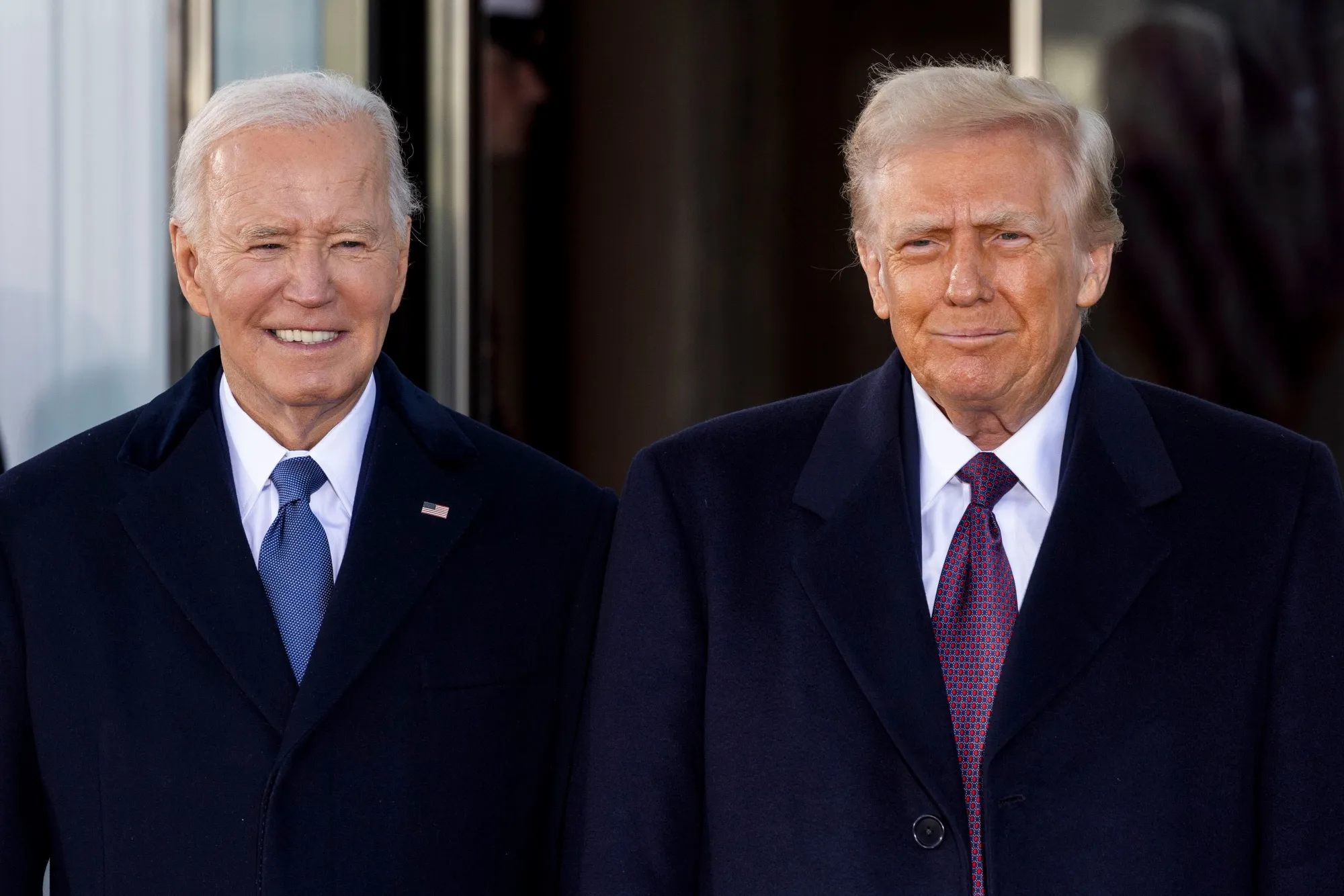
Political analysts have been quick to offer their theories on why Trump might be adopting this more conciliatory tone. One possibility is that Trump is positioning himself as the only true leader capable of bringing the country together after years of division. By adopting language similar to that of President Biden, Trump may be attempting to show that he is not just a partisan figure, but a unifying force capable of bridging the gap between different political factions.
Another possibility is that Trump’s rhetoric is a response to the current political environment, which has been heavily influenced by Biden’s leadership. As Biden continues to dominate the political landscape with his message of unity, Trump may be seeking to shift his tone to ensure that he remains relevant in the eyes of voters who are fatigued by hyper-partisan politics.
This shift in rhetoric could also be an attempt to distance himself from the more extreme elements of his base and to appeal to moderates who may have been put off by his combative style. By softening his language, Trump may be attempting to position himself as a more reasonable alternative to Biden, appealing to voters who are dissatisfied with the current political climate but who are also wary of Trump’s more divisive language.
The Impact on Trump’s Relationship with His Base
While Trump’s new rhetoric may be appealing to moderates and independent voters, it raises questions about how his core base will respond. For many of his supporters, Trump’s aggressive style was one of the things that endeared him to them in the first place. His willingness to challenge the political establishment and speak in a way that others wouldn’t was a key part of his appeal.
The shift toward more conciliatory language could alienate some of his most ardent supporters, who see his blunt, combative style as a reflection of his authenticity. For them, a softer approach may seem like a betrayal of the values and ideals that Trump promised to champion when he first ran for president.
On the other hand, Trump’s supporters may see his new tone as a sign of maturity and growth. Many of his followers may appreciate the fact that he is attempting to adopt a more statesmanlike demeanor, which could help to broaden his appeal and make him a more viable candidate in future elections.
Ultimately, how Trump’s base responds to his change in tone will depend on whether they perceive the shift as a genuine attempt to appeal to a broader audience or as a political maneuver designed to shore up support in the face of increasing political challenges.
The Impact on Trump’s Future Political Strategy
As Trump navigates this shift in rhetoric, it’s important to consider how this change will affect his political future. For many observers, this shift represents a potential pivot that could set the stage for a future presidential campaign. In order to win over a larger portion of the electorate, Trump may need to recalibrate his approach to politics, appealing to more moderate voters without alienating his base.
The key question is whether Trump can maintain his identity as a political outsider while softening his rhetoric to appeal to a broader audience. Throughout his time in office and beyond, Trump has thrived on positioning himself as an outsider—a figure willing to challenge the status quo. A change in rhetoric could threaten this image, leading some to question whether Trump will be able to maintain the populist appeal that helped propel him to the White House in 2016.
Trump’s ability to balance his appeal to both his core base and to moderates could be critical to his future political success. If he can successfully navigate this delicate balance, he may be able to position himself as the best option for a divided nation, capable of bringing together disparate factions and uniting the country under his leadership.
A New Era of Political Rhetoric: Trump’s Legacy
The evolution of Trump’s political rhetoric has significant implications for the future of American politics. As he continues to refine his public persona, he is setting the stage for a new era of political communication—one in which politicians may feel more pressure to adopt a less divisive, more unifying tone in order to appeal to a broader electorate.
While Trump’s shift in rhetoric may be seen as a strategic move to remain relevant, it also reflects the changing nature of political discourse in the United States. As the political landscape continues to evolve, politicians will have to find new ways to engage with voters and to navigate the complexities of an increasingly polarized nation.
Whether Trump’s new approach will prove successful remains to be seen. His ability to adapt to the changing political climate could determine whether he continues to be a dominant force in American politics or whether his influence wanes over time. Regardless of the outcome, his rhetorical shift marks a turning point in his political career and in the broader political conversation.
Conclusion: A Changing Tone with Lasting Implications
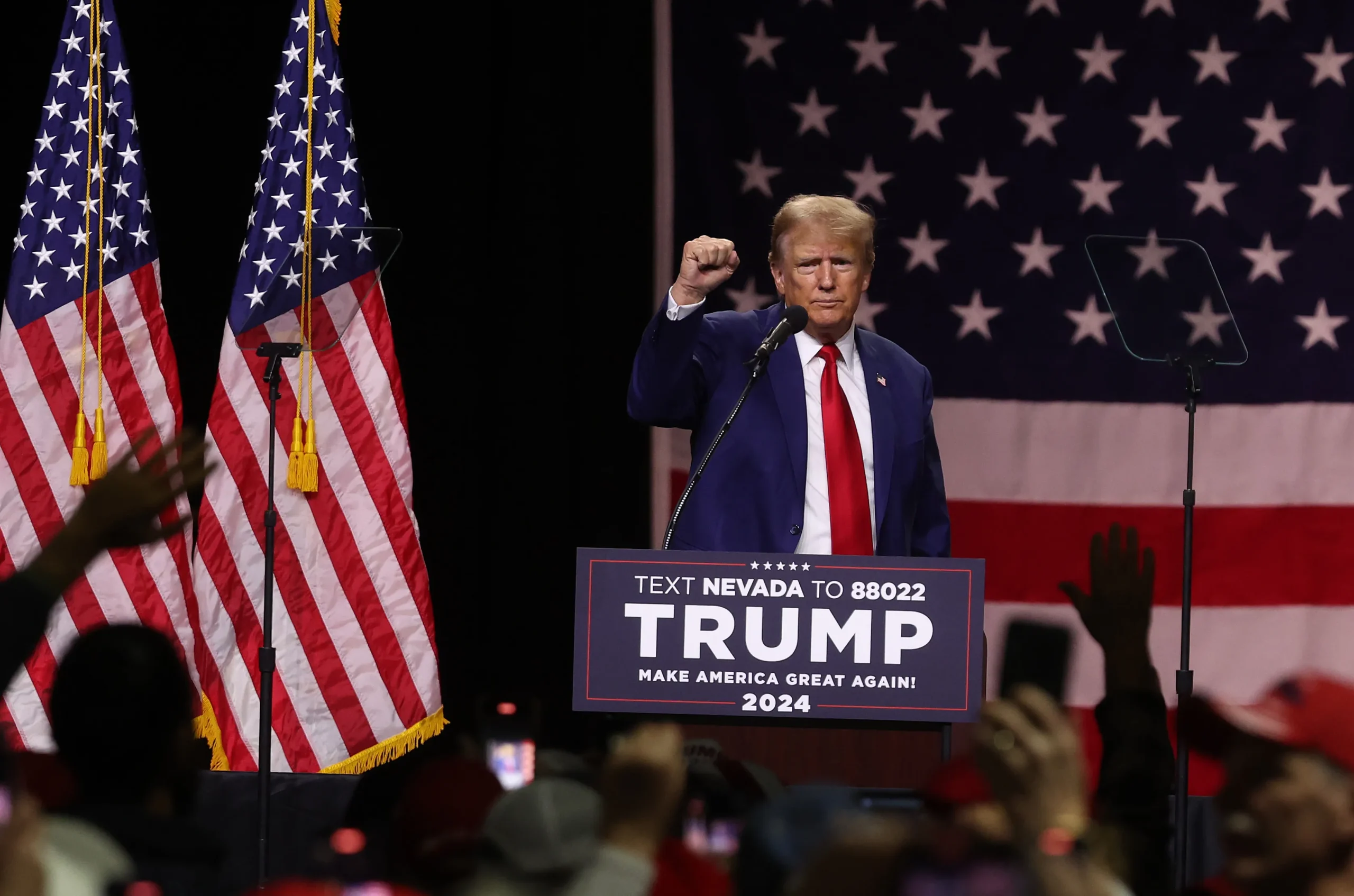
Trump’s recent shift toward Biden-like rhetoric has sparked significant discussion about his future political strategy. While some see it as a genuine attempt to broaden his appeal, others view it as a calculated move designed to position him for future success. Whether or not this change will resonate with his base or alienate potential voters remains uncertain.
What is clear, however, is that this shift in rhetoric is a reflection of the changing nature of American politics. As political figures adapt to a rapidly evolving landscape, the future of political discourse will likely continue to evolve in ways that challenge traditional boundaries and redefine what it means to engage with the electorate.
Trump’s shift in tone may just be the beginning of a new chapter in his political career—one in which he attempts to appeal to a broader audience while navigating the complexities of an increasingly divided nation.