
Table of Contents
The New Emphasis on Protein
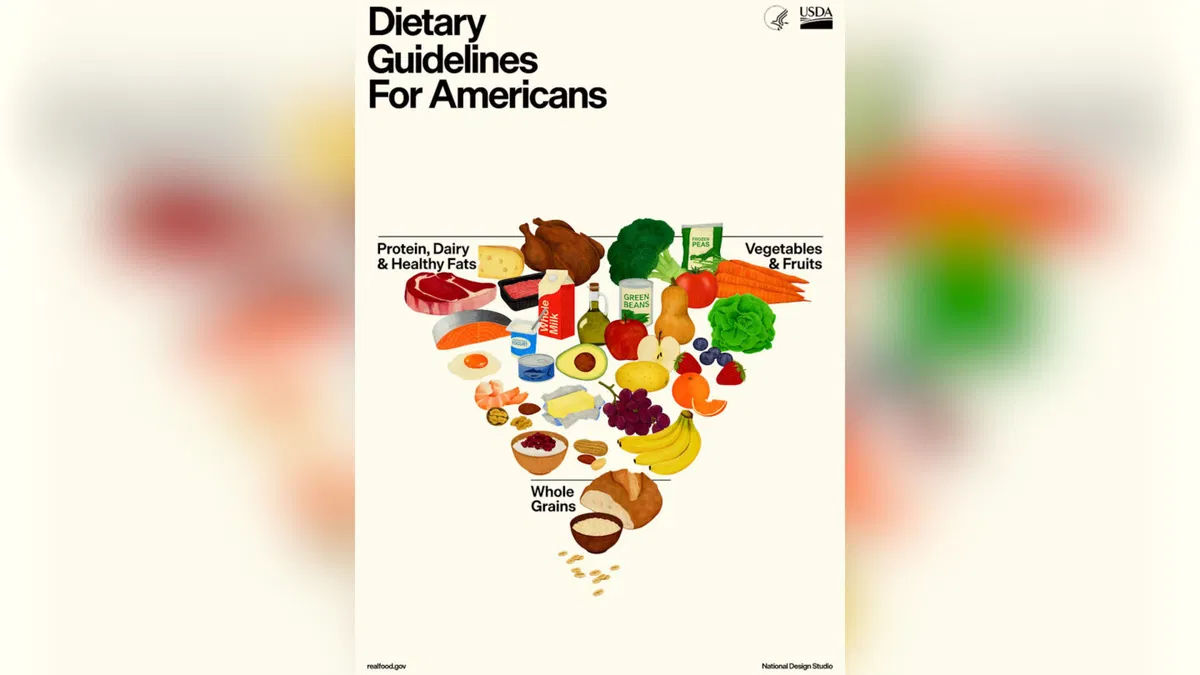
One of the most notable changes in the new dietary guidelines is the emphasis on increasing protein intake, especially for adults over the age of 65. According to the guidelines, protein is essential not only for muscle health but also for overall bodily functions. Studies have shown that as people age, they tend to lose muscle mass, a condition known as sarcopenia. Increasing protein consumption can help combat this issue, promoting better mobility, strength, and overall well-being.
The guidelines recommend that adults should aim to get at least 10% to 35% of their daily calories from protein, depending on their age and activity level. For most adults, this could mean adding more protein-rich foods such as lean meats, fish, eggs, and plant-based sources like beans, lentils, and nuts to their diets. This focus on protein is seen as a move toward a more balanced and health-conscious approach to eating, where the intake of essential nutrients like protein is prioritized over empty-calorie foods.
Cutting Back on Sugar

Perhaps the most universally welcomed change in the new guidelines is the call for a significant reduction in added sugars. The guidelines now recommend that added sugars should account for no more than 10% of total daily calories, which is a reduction from previous recommendations that allowed for a higher threshold.
Added sugars have long been linked to an increased risk of obesity, type 2 diabetes, heart disease, and other chronic health conditions. By cutting back on sugary drinks, processed foods, and desserts, Americans can better manage their weight, blood sugar levels, and overall heart health. This move aligns with growing research that highlights the dangers of high sugar consumption and calls for a more sustainable, nutritious diet that doesn’t rely on sugary treats to satisfy cravings.
Beef Tallow
While the push for more protein and less sugar is generally well-received, the recommendation to include beef tallow in diets has raised eyebrows. Beef tallow, a rendered form of fat from cows, has long been used in cooking and frying, but in recent decades, it has fallen out of favor due to its high saturated fat content. However, in the new guidelines, beef tallow is presented as a possible source of healthy fats, alongside other more widely accepted options like olive oil and avocado.
The inclusion of beef tallow has sparked debate among health experts and nutritionists. Some argue that animal fats, like those found in beef tallow, can be part of a balanced diet when consumed in moderation. These fats are rich in stearic acid, a type of saturated fat that has been shown to have a neutral effect on cholesterol levels. Additionally, beef tallow is rich in vitamins A, D, and K2, all of which are essential for immune function, bone health, and overall well-being.
However, others remain concerned about the health risks associated with consuming high amounts of saturated fat. Research has shown that diets high in saturated fat can contribute to cardiovascular disease, making the inclusion of beef tallow in the guidelines a contentious issue. The USDA’s endorsement of beef tallow could spark a reevaluation of how we view animal fats in the context of a modern, healthy diet.
Why Beef Tallow Was Included
The inclusion of beef tallow is rooted in new research that suggests not all saturated fats are created equal. For decades, dietary guidelines have recommended limiting saturated fat intake to reduce the risk of heart disease. However, recent studies have suggested that certain types of saturated fat, particularly those found in animal fats like beef tallow, may not pose the same risks as once thought.
Beef tallow contains a higher proportion of stearic acid, which has been shown to have little to no impact on cholesterol levels. This has led some experts to reconsider their stance on saturated fats, suggesting that beef tallow could be a more healthful alternative to processed vegetable oils, which often contain unhealthy trans fats.
That said, the key to incorporating beef tallow into a healthy diet is moderation. While it offers certain nutritional benefits, such as fat-soluble vitamins, it’s essential that people consume it in balance with other healthy fat sources like nuts, seeds, and plant oils.
The Implications for Public Health

The new U.S. Dietary Guidelines could have significant implications for public health, especially in light of the growing obesity and chronic disease epidemics in the United States. Encouraging a shift toward more protein and fewer sugary foods may help combat the rising rates of diabetes, heart disease, and other preventable conditions. By promoting a diet rich in whole foods and lean proteins while discouraging excessive sugar consumption, these guidelines are positioning themselves as a tool for tackling some of the nation’s most pressing health issues.
However, the endorsement of beef tallow may complicate the message. While it’s important to recognize the potential benefits of animal fats, there’s still much debate about the long-term health effects of saturated fats. For individuals who are at risk for heart disease, the guidelines may create confusion about how to balance these fats with other dietary recommendations. It will be crucial for health professionals to continue educating the public about these changes and the science behind them.
What’s Next for Dietary Guidelines?
As with all significant policy changes, the updated U.S. Dietary Guidelines will need time to be fully implemented. How the public responds to the recommendation of more protein, less sugar, and the controversial endorsement of beef tallow will be important in determining the success of these guidelines. Will people embrace a diet that includes more animal fats, or will they opt for plant-based options?
The future of nutrition guidelines may also shift as more research is conducted into the long-term effects of diets that prioritize protein and animal fats. As the world moves toward a more personalized approach to health, future guidelines may take into account individual health conditions and dietary needs, making nutrition advice more adaptable and relevant.
Conclusion
The U.S. Dietary Guidelines are always subject to intense scrutiny, and the latest changes are no exception. Encouraging less sugar, more protein, and the inclusion of beef tallow could have a profound effect on American diets and public health. By prioritizing protein, reducing sugar, and reconsidering the role of animal fats, the guidelines aim to address some of the most urgent health concerns facing the country today.
However, the debate over beef tallow and the health implications of saturated fats will continue for years to come. What’s clear is that the U.S. government’s dietary guidelines are evolving in response to new research and shifting public attitudes about nutrition. Whether these changes will lead to a healthier population remains to be seen, but for now, the proposal offers a glimpse into the future of food and health.