
Table of Contents
- A Historic Milestone in Rhino Conservation
- A Safe Haven for the Reintroduced Rhinos
- The Poaching Crisis: Understanding the Threat to Rhinos
- A Broader Vision: The Role of Global Partnerships
- Poaching Prevention: The Continued Fight Against Illegal Wildlife Trade
- The Economic Impact of Rhino Conservation
- Moving Forward: The Future of Rhino Conservation
- A New Chapter for Kidepo Valley and Rhino Conservation
A Historic Milestone in Rhino Conservation
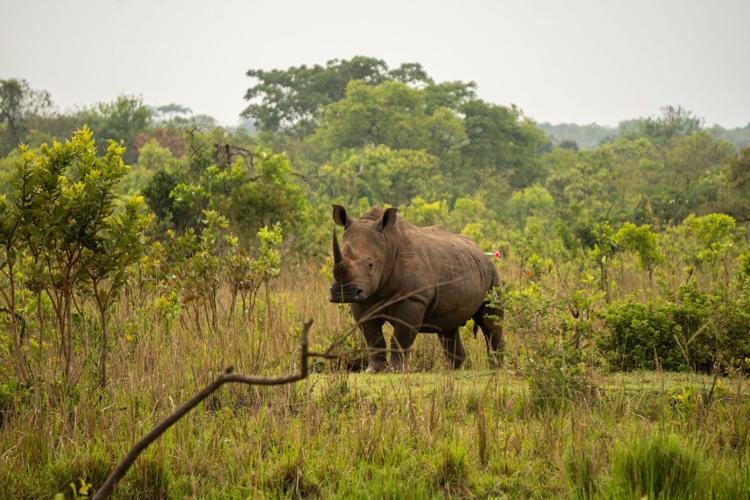
The southern white rhinos, which were reintroduced to Kidepo Valley National Park in early March, are part of a carefully planned conservation strategy that has been in the works for years. The Ziwa Rhino Sanctuary, located in central Uganda, has been breeding rhinos since 2005 and has played a pivotal role in the success of this reintroduction effort. Two additional rhinos are expected to arrive in the park later this year. This reintroduction represents a significant victory for wildlife conservationists who have worked tirelessly to restore the rhino population in Uganda, where the species was previously wiped out due to poaching. The decision to reintroduce rhinos to Kidepo Valley National Park is not only a triumph for conservation but also an important step in preserving the biodiversity of the region.
James Musinguzi, executive director of the Uganda Wildlife Authority, expressed his gratitude for the collaboration between local wildlife authorities and various conservation organizations. “This moment marks the beginning of a new rhino story for Kidepo Valley National Park,” he said. The dedication and expertise of conservation partners, as well as their financial and logistical support, have made this ambitious project a reality.
A Safe Haven for the Reintroduced Rhinos
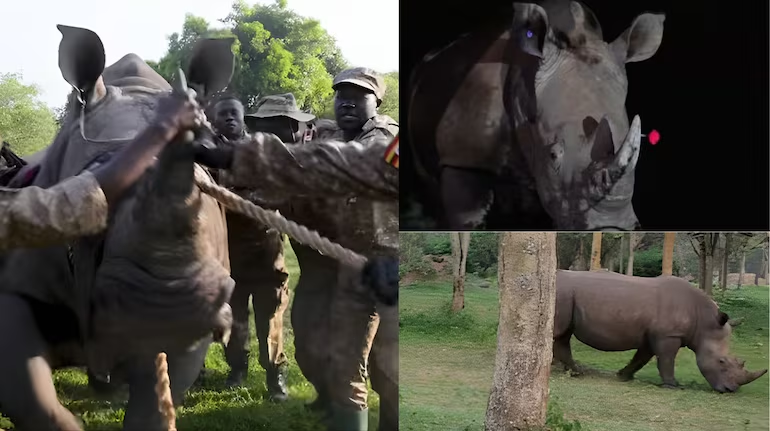
The reintroduced rhinos now have access to a secure environment within Kidepo Valley National Park, which is equipped with appropriate infrastructure to ensure their safety and well-being. The park has protective fencing, well-maintained access roads, and fire management systems—all critical elements in safeguarding the rhinos and other wildlife in the park. The Kidepo Valley is also rich in natural resources, providing the rhinos with a suitable habitat where they can thrive.
Uganda’s wildlife authorities, in collaboration with organizations like Global Conservation, have invested considerable resources into ensuring the long-term success of the reintroduction. These efforts include the establishment of strict security measures to protect the rhinos from poachers. Despite the threat of illegal poaching, security improvements over the years have reduced such incidents significantly, allowing wildlife populations to recover.
The reintroduction of rhinos to Kidepo Valley is also an effort to reestablish the park’s status as an essential destination for both wildlife tourism and conservation. Local authorities, with support from the international conservation community, have worked to make Kidepo Valley a safe haven for rhinos and other endangered species, allowing Uganda to contribute significantly to global rhino conservation efforts.
The Poaching Crisis: Understanding the Threat to Rhinos
Poaching has long been a significant threat to rhino populations worldwide. In Uganda, rhinos were poached to extinction in Kidepo Valley National Park by the 1980s. Rhino horns, which are highly valued in illegal markets for their supposed medicinal properties, are often the primary target for poachers. In some markets, rhino horns can be sold for prices higher than gold, making poaching an extraordinarily lucrative crime.
Rhino conservationists have been working tirelessly for years to combat poaching, using advanced security measures, anti-poaching patrols, and education campaigns to reduce demand for rhino horn products. However, the success of these efforts often hinges on the protection of rhino habitats and the engagement of local communities in conservation initiatives. This is why the reintroduction of rhinos to Kidepo Valley National Park is such an important step—it not only restores the rhino population but also helps reinforce the security and viability of the park as a sanctuary.
A Broader Vision: The Role of Global Partnerships
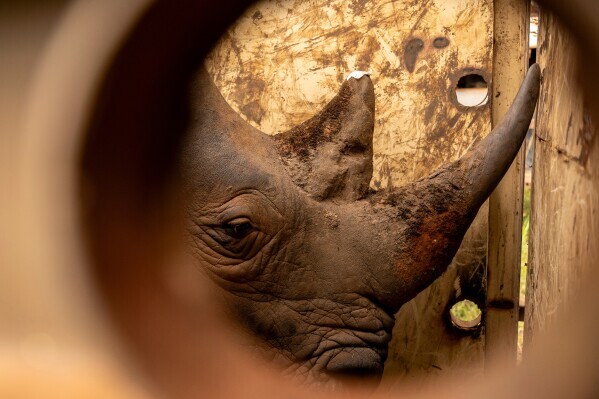
The reintroduction of rhinos to Kidepo Valley National Park is part of a larger vision for wildlife conservation in Uganda and East Africa. Wildlife authorities have partnered with international organizations, such as Global Conservation, to create sustainable conservation programs that can protect endangered species like rhinos. These collaborations are critical in bringing together the expertise, funding, and logistical support needed to carry out such ambitious projects.
Jeff Morgan, executive director of Global Conservation, highlighted the significance of the reintroduction, stating, “This translocation shows that Uganda is stable again for tourism, national parks are being protected, and Ugandans and international visitors can watch rhinos in their natural setting, which will be an incredible feat.” The collaboration between local authorities and international conservation groups underscores the importance of a collective, global effort in protecting endangered species and preserving natural ecosystems.
Poaching Prevention: The Continued Fight Against Illegal Wildlife Trade
Although Uganda has made great strides in combating poaching, it remains an ongoing threat to wildlife. The successful relocation of rhinos to Kidepo Valley is a step toward ensuring that they will have the chance to thrive in a secure environment. However, there is still much work to be done in eradicating poaching entirely.
The Uganda Wildlife Authority and its partners continue to implement enhanced security measures in the park, such as increased patrols and surveillance systems. These measures have been effective in reducing poaching incidents over the years, but the fight is far from over. The increased demand for rhino horn in illegal markets continues to fuel poaching activities, making it critical to protect rhinos from this threat.
Additionally, efforts to reduce the demand for rhino horn products through education and awareness campaigns have been vital. Public awareness of the devastating effects of poaching on rhino populations can help deter individuals from purchasing rhino horn products and ultimately contribute to the preservation of the species.
The Economic Impact of Rhino Conservation
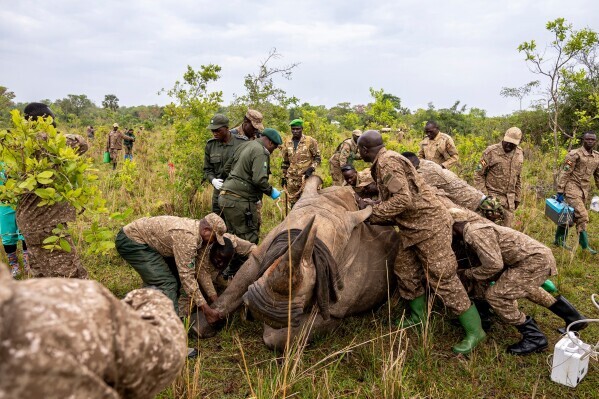
Beyond the environmental and ecological benefits, rhino conservation also has a significant economic impact. Wildlife tourism is a major industry in Uganda, and the presence of rhinos in Kidepo Valley National Park is expected to boost tourism, drawing international visitors who are eager to see these majestic creatures in their natural habitat. The economic benefits of wildlife tourism extend beyond the park itself, creating job opportunities for local communities and contributing to the country’s overall economic development.
Increased tourism in Kidepo Valley will generate income for local businesses, including hotels, tour operators, and transportation providers. This economic boost will help support the livelihoods of people living near the park and foster a sense of ownership and pride in the conservation efforts. By engaging local communities in wildlife conservation, Uganda can ensure the long-term success of rhino reintroduction programs and other conservation initiatives.
Moving Forward: The Future of Rhino Conservation
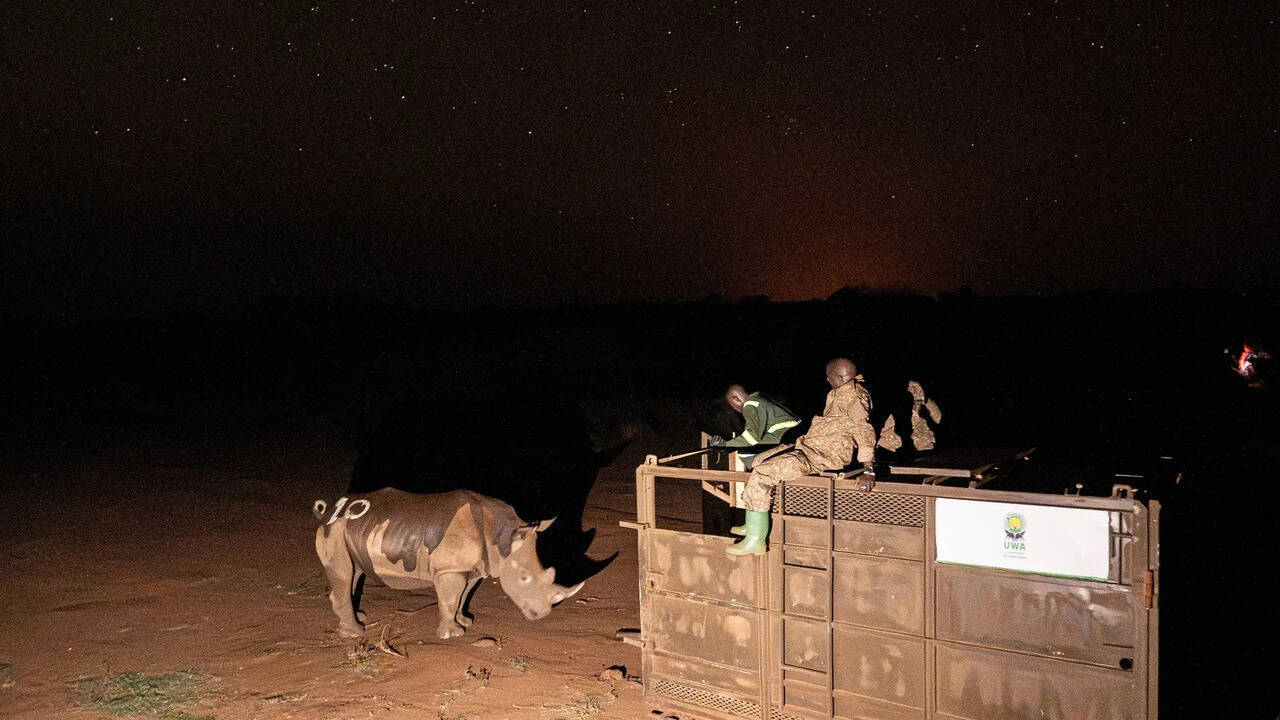
The reintroduction of rhinos to Kidepo Valley National Park is just the beginning. Uganda Wildlife Authority plans to relocate more rhinos to the park later this year, including some from Kenya, to help establish a self-sustaining population of rhinos in the park. This process will involve continued monitoring and management to ensure that the rhinos thrive in their new environment.
Looking ahead, the reintroduction of rhinos to Kidepo Valley serves as a model for other countries and conservation organizations working to restore endangered species. By addressing the challenges of poaching, habitat loss, and human-wildlife conflict, Uganda is playing a key role in the global effort to protect rhinos and other threatened species.
A New Chapter for Kidepo Valley and Rhino Conservation
The reintroduction of rhinos to Kidepo Valley National Park represents a milestone in Uganda’s conservation efforts and a new chapter in the fight to protect rhinos from extinction. Thanks to the dedication of wildlife authorities and conservation partners, rhinos are once again thriving in the park where they were once wiped out. This achievement serves as a testament to the power of collaboration, conservation, and commitment to protecting wildlife for future generations. As more rhinos are relocated to Kidepo Valley, Uganda continues to demonstrate its leadership in wildlife conservation, proving that it is possible to bring species back from the brink of extinction and restore balance to natural ecosystems.