
Table of Contents
- A Game-Changing Gift for Medical Students
- A Commitment to Addressing the Doctor Shortage
- A New Model for Medical Education
- The Bloomberg Legacy in Education
- The Impact on Johns Hopkins University
- The Importance of Philanthropy in Higher Education
- The Future of Medical Education
- A Legacy of Giving That Will Shape Healthcare
A Game-Changing Gift for Medical Students
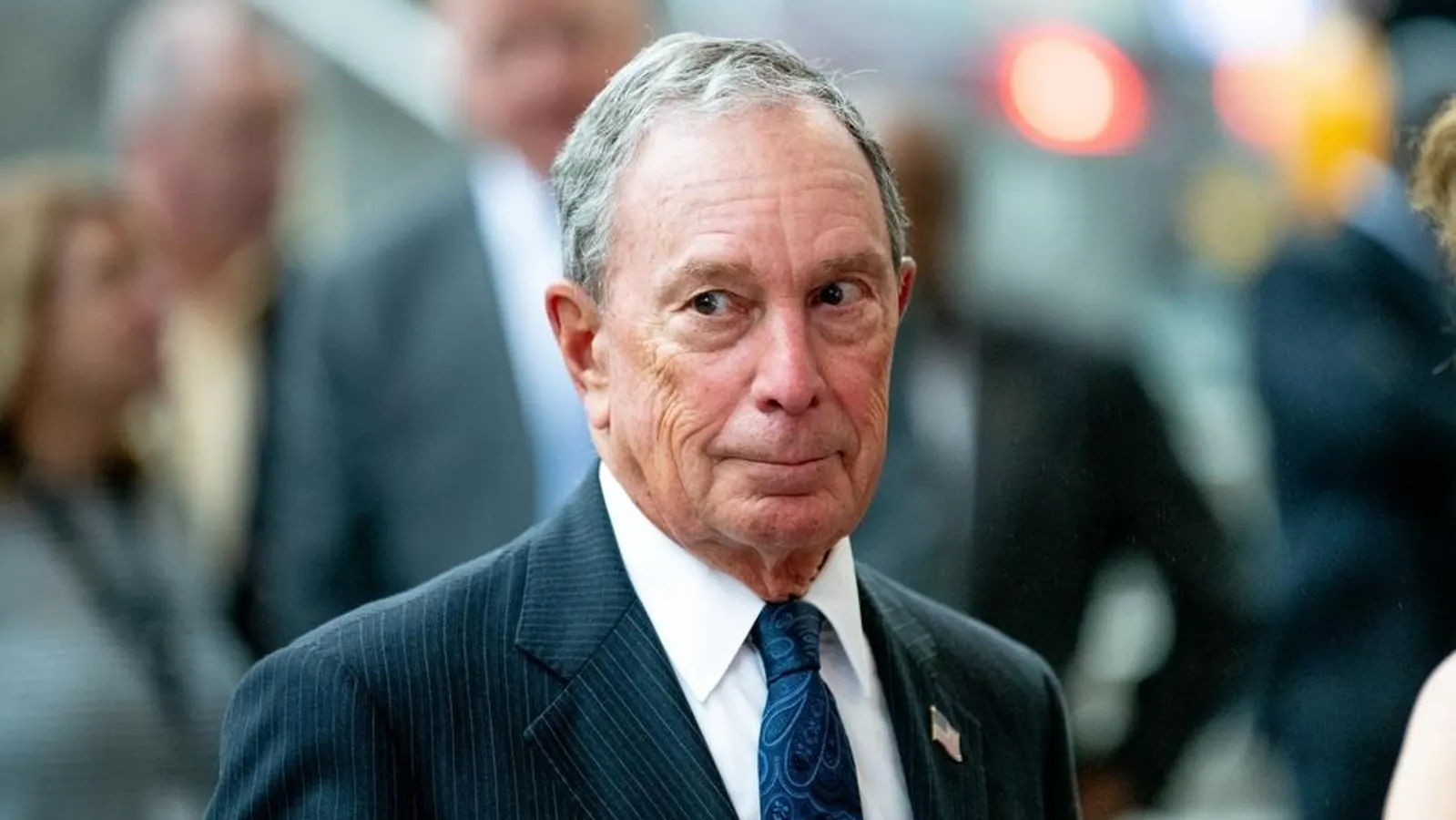
Mike Bloomberg’s $1 billion donation to Johns Hopkins will be transformative for aspiring doctors. The generous gift will cover 100% of tuition fees for students whose families earn less than $300,000 annually. But Bloomberg’s commitment goes even further. For students whose families earn less than $175,000, the donation will also cover living expenses, providing a comprehensive financial safety net that enables students to focus solely on their education, free from the burden of student loan debt.
In total, nearly two-thirds of current and incoming medical students at Johns Hopkins will qualify for this extraordinary financial relief. This means that thousands of talented individuals who previously may have been deterred from pursuing a career in medicine due to the high cost of tuition and living expenses will now have the opportunity to attend one of the most respected medical schools in the world. By eliminating financial barriers, Bloomberg is empowering the next generation of doctors, researchers, and healthcare leaders.
A Commitment to Addressing the Doctor Shortage
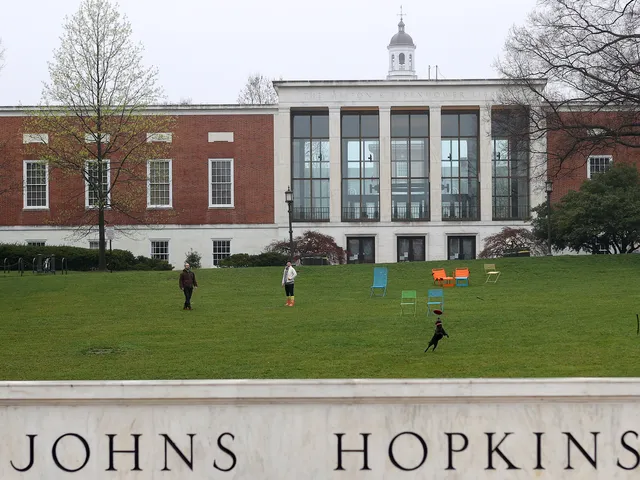
One of the primary reasons Bloomberg made this donation is the growing shortage of doctors, nurses, and public health professionals in the U.S. The medical field is facing a crisis, as life expectancy in the country has declined in recent years and the demand for healthcare professionals continues to outpace the supply. The high cost of medical education has been a significant factor preventing many qualified individuals from pursuing a career in medicine.
Bloomberg’s $1 billion gift aims to address this issue by removing one of the largest barriers to medical school: tuition costs. With free tuition and living expenses, students from a wide variety of socioeconomic backgrounds can now afford to pursue their medical degrees. This is particularly crucial as the country faces increasing healthcare needs, especially in underserved communities.
In his statement, Bloomberg explained, “As the U.S. struggles to recover from a disturbing decline in life expectancy, our country faces a serious shortage of doctors, nurses and public health professionals – and yet, the high cost of medical, nursing and graduate school too often bars students from enrolling.” By reducing financial barriers, Bloomberg hopes to help create a pipeline of qualified medical professionals who will go on to serve the families and communities who need them most.
A New Model for Medical Education
While the donation to Johns Hopkins University is groundbreaking, it is also part of a larger trend in higher education. In recent years, other medical schools have received large donations to fund scholarships and make education more accessible. For example, the Albert Einstein College of Medicine in the Bronx recently announced that all medical students would receive free tuition after a $1 billion donation from professor Ruth Gottesman. Additionally, New York University’s Long Island School of Medicine received a $200 million donation to support full-tuition scholarships for its three-year accelerated medical doctorate program.
Bloomberg’s donation builds upon these efforts and sets a new precedent for how medical education can be financed. By making tuition and living expenses free for many students, the donation creates a new model for how medical schools can prioritize accessibility over financial gain. The ripple effect could encourage other universities and philanthropists to consider similar initiatives that reduce the financial burden on students in high-cost fields like medicine.
The Bloomberg Legacy in Education
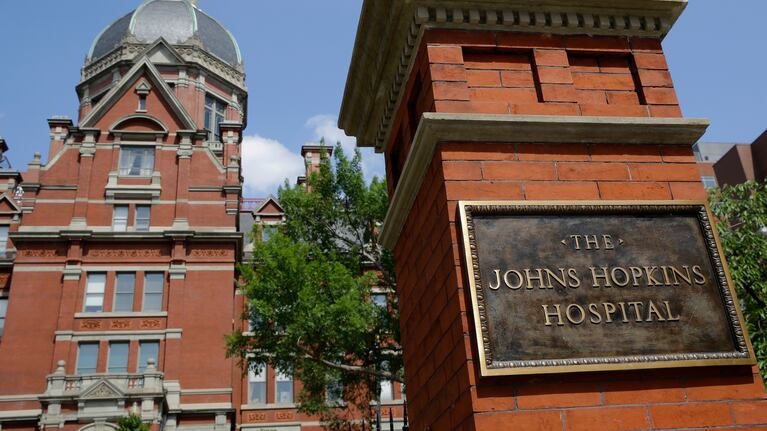
This is not the first time that Bloomberg has made a major donation to Johns Hopkins University. In 2018, he donated $1.8 billion to the university for undergraduate financial aid, marking the largest single donation in the history of U.S. higher education. That donation helped thousands of undergraduate students attend Johns Hopkins regardless of their financial background.
Bloomberg’s commitment to education is deeply personal. He earned his undergraduate degree in electrical engineering from Johns Hopkins in 1964, and he has long believed in the power of education to change lives. Through Bloomberg Philanthropies, his charitable foundation, he has funded a wide range of initiatives aimed at improving education, public health, and climate change.
With this latest gift, Bloomberg is further cementing his legacy as one of the most influential philanthropists of our time. By focusing on medical education, he is directly addressing one of the most critical needs facing the country today: the shortage of healthcare professionals. This donation will not only change the lives of students but also have a lasting impact on the healthcare system as a whole.
The Impact on Johns Hopkins University
Johns Hopkins University, one of the most respected medical schools in the world, will see a significant transformation as a result of this donation. Medical students will no longer have to worry about incurring massive debt to attend one of the top institutions in the field. This will allow students to focus on their studies, research, and clinical experience, without the distraction and stress of financial obligations.
Moreover, the donation will help Johns Hopkins maintain its position as a leader in medical education. With Bloomberg’s gift, the university will be able to attract top-tier talent from a broader range of backgrounds. This could lead to a more diverse student body, which will in turn enrich the learning experience and contribute to a more inclusive and equitable healthcare system.
In addition to benefiting medical students, Bloomberg’s donation will also increase financial aid for students at the Johns Hopkins School of Nursing and the Bloomberg School of Public Health. This will ensure that healthcare professionals are trained in a variety of disciplines, helping to address the healthcare crisis from multiple angles.
The Importance of Philanthropy in Higher Education
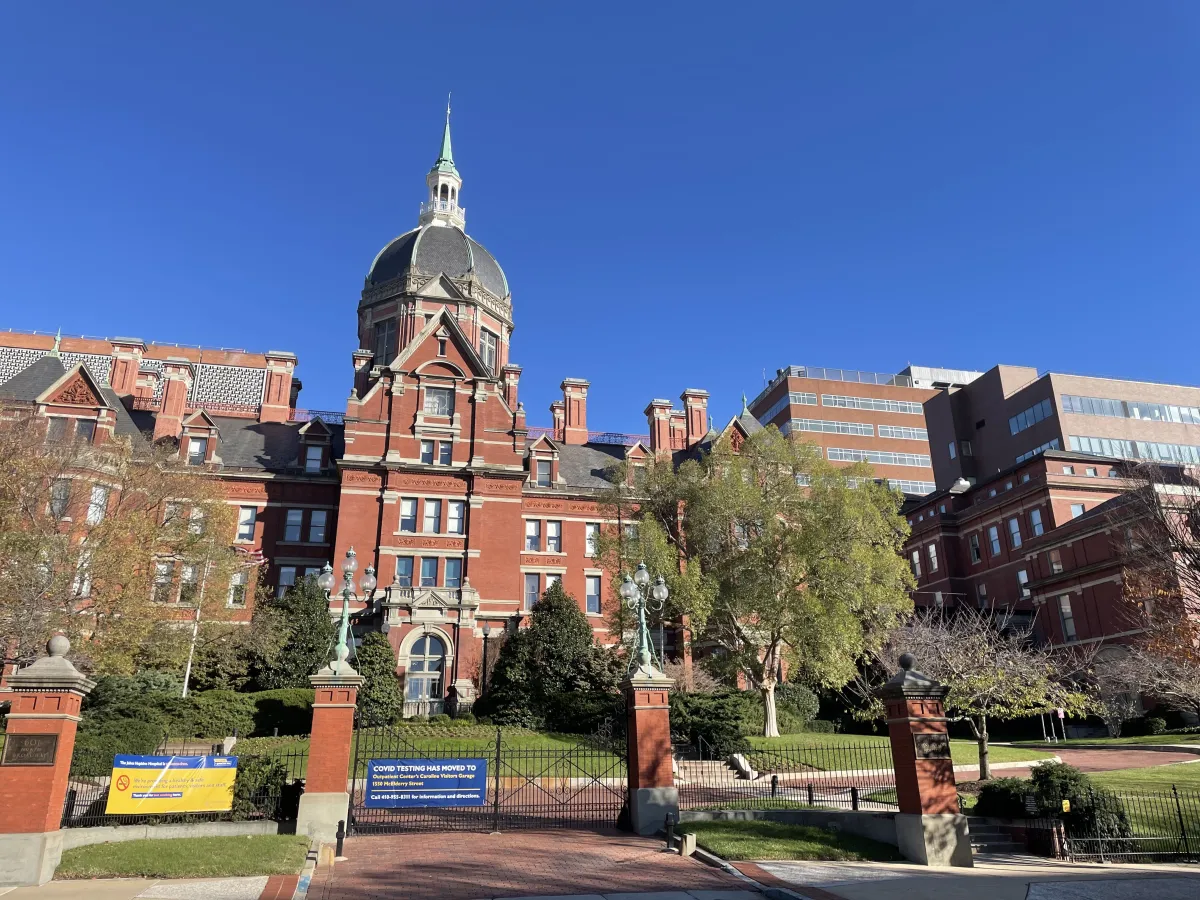
Bloomberg’s $1 billion gift to Johns Hopkins University underscores the importance of philanthropy in higher education. With tuition costs rising across the country, private donations are becoming an increasingly vital source of funding for students. Without the support of philanthropists like Bloomberg, many students would not be able to afford a medical education, leaving a significant gap in the healthcare workforce.
Philanthropy also plays a crucial role in ensuring that students from diverse backgrounds have access to higher education. By funding scholarships and making education more accessible, philanthropists help to level the playing field for students who may not have the financial resources to attend prestigious universities.
In a time when the affordability of higher education is a pressing issue, Bloomberg’s donation serves as a model for how philanthropy can address systemic problems in education and help to create a more equitable society.
The Future of Medical Education
Bloomberg’s donation to Johns Hopkins is just the beginning of what could be a larger movement in medical education. With rising tuition costs and a growing shortage of healthcare professionals, other universities may look to emulate Johns Hopkins’ model of providing free tuition and living expenses for medical students. This could lead to a shift in how medical schools are financed and how students are supported throughout their education.
In the coming years, we may see more philanthropists step up to support medical education in ways that alleviate financial burdens. As the country faces increasing healthcare needs, ensuring that qualified individuals can pursue medical careers without the burden of debt is crucial to the future of the healthcare system.
A Legacy of Giving That Will Shape Healthcare
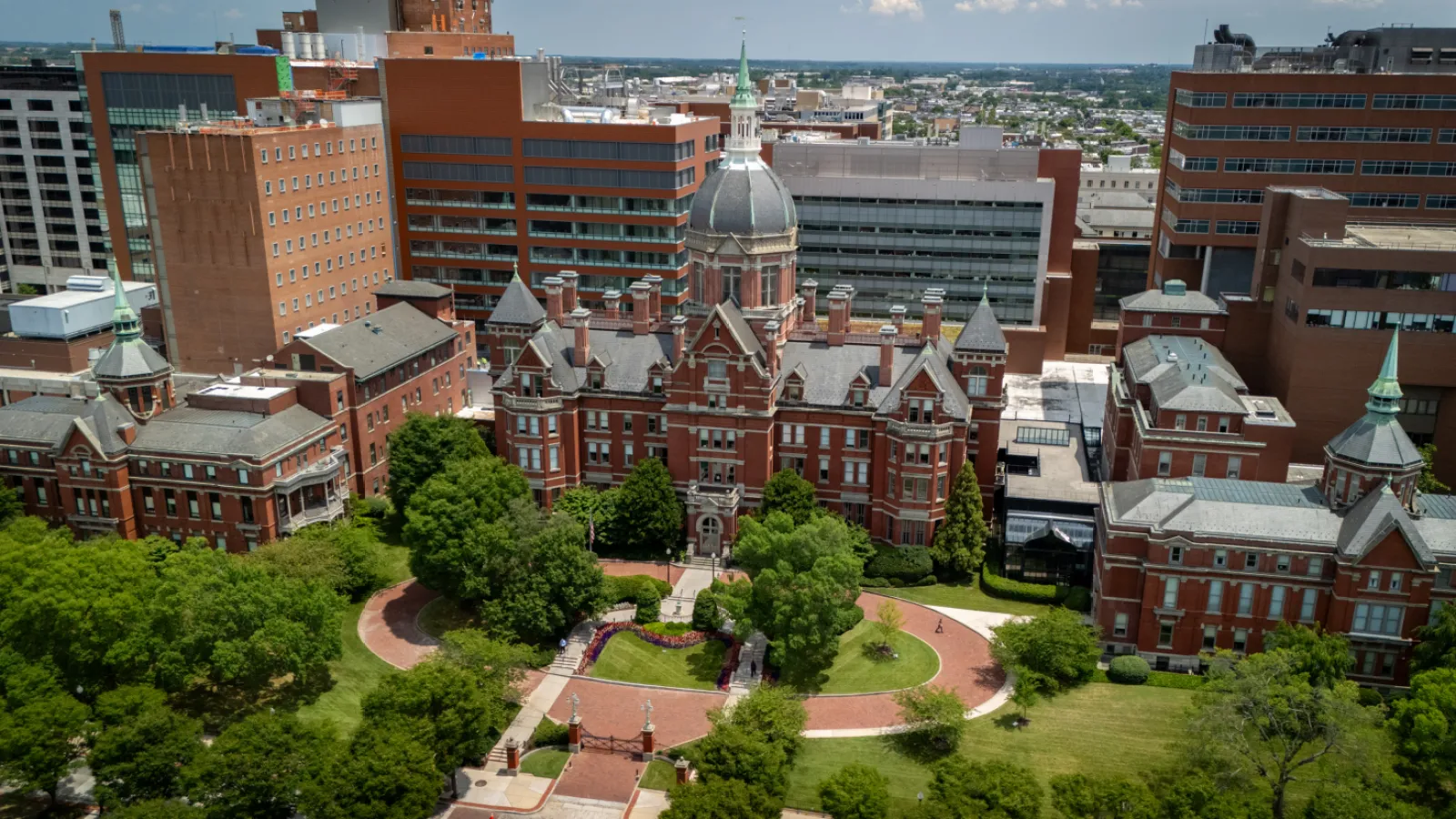
Mike Bloomberg’s $1 billion donation to Johns Hopkins University is a game-changing gift that will have a lasting impact on medical education and the healthcare system. By eliminating tuition costs and covering living expenses for many students, Bloomberg is making it easier for future doctors, nurses, and public health professionals to pursue their careers and make a difference in their communities.
This donation is a testament to the power of philanthropy and the critical role it plays in shaping the future of education. By investing in the next generation of healthcare professionals, Bloomberg is helping to ensure that the U.S. has the doctors and medical workers it needs to address the challenges of today and tomorrow.
Through his ongoing support of education and public health, Bloomberg is leaving a legacy that will benefit generations to come. As medical schools follow his lead, we may see a future where financial barriers no longer prevent talented individuals from entering the medical field, creating a more diverse and effective healthcare system.