

Table of Contents
- When Ordinary Moments Turn Dangerous
- The Moment That Changed Everything
- Why Bystander Intervention Is So Rare
- The Physical and Psychological Risks Involved
- Public Reaction and Widespread Praise
- The Role of Instinct Versus Training
- How Close the Situation Came to Tragedy
- Bravery in an Age of Fear
- What This Incident Says About Society
- The Quiet Aftermath of a Public Act
- A Reminder of What One Person Can Do
- Conclusion: Courage Without Guarantees
When Ordinary Moments Turn Dangerous
When news broke that an ordinary man in the UK had stepped directly into danger to disarm an alleged attacker, the story spread rapidly across news outlets and social media. What began as a routine day, with people going about their business unaware of what was about to unfold, suddenly turned into a moment where fear, chaos, and courage collided. In just a few seconds, a situation that could have ended in serious injury or death was altered by one person’s decision to act rather than run.
Incidents like this are often described after the fact with dramatic language, but in real time, there is no soundtrack, no slow motion, and no certainty about how things will end. The man involved did not have protective gear, formal training visible to the public, or any guarantee that he would walk away unharmed. What he did have was an instinctive sense that doing nothing could cost someone else their life.
What follows is not just the account of a confrontation, but an exploration of how ordinary civilians sometimes find themselves at the center of extraordinary moments, and what those moments reveal about courage, fear, and the fragile line between safety and disaster.
The Moment That Changed Everything
Witnesses described a tense scene unfolding in public view. An alleged attacker was reportedly behaving aggressively, creating panic among those nearby. People instinctively moved away, some freezing in place while others searched for an escape route. In situations like this, confusion often spreads faster than clarity, and even seconds can feel unbearably long.
It was during this critical window that the man stepped forward. Rather than retreating, he moved toward the threat, fully aware that doing so placed him at direct risk. The decision was not announced or debated. It happened quickly, driven by instinct rather than calculation. According to accounts, he managed to physically engage the alleged attacker and disarm him, bringing the immediate danger to an end.
In that brief struggle, everything was uncertain. A wrong move could have resulted in fatal consequences. Yet the outcome was clear enough to those watching: the threat was neutralized, and people who moments earlier had been in danger were now safe.
Why Bystander Intervention Is So Rare

Experts often point out that bystander intervention in violent situations is far less common than people assume. Psychological research has long documented what is known as the bystander effect, where individuals hesitate to act because they expect someone else to intervene or fear personal harm. In high-stress situations, the brain prioritizes self-preservation, making inaction the most common response.
This is why moments like this stand out. The man’s actions defied what statistics and studies suggest most people would do. He did not wait for confirmation, instructions, or reassurance. He acted before emergency services arrived, at a time when the outcome was still uncertain.
That choice carries weight beyond the incident itself. It challenges assumptions about how people behave under pressure and reminds the public that courage does not always come from authority or uniforms. Sometimes it comes from someone who simply refuses to look away.
The Physical and Psychological Risks Involved
Disarming an attacker is not just physically dangerous; it carries long-term psychological risks as well. Even when an intervention ends successfully, those involved can experience lingering trauma, stress, or anxiety. Adrenaline can mask injuries in the moment, and emotional processing often comes later.
Medical professionals and trauma specialists note that people who step into violent situations often struggle afterward with what-ifs: what if it had gone differently, what if someone had been hurt, what if they hadn’t acted at all. These internal questions can linger long after the headlines fade.
In this case, the man’s bravery may have prevented immediate harm, but it also placed him on a path that many heroes quietly walk: public praise paired with private emotional aftermath. Society often celebrates courage while overlooking the personal cost it can exact.
Public Reaction and Widespread Praise
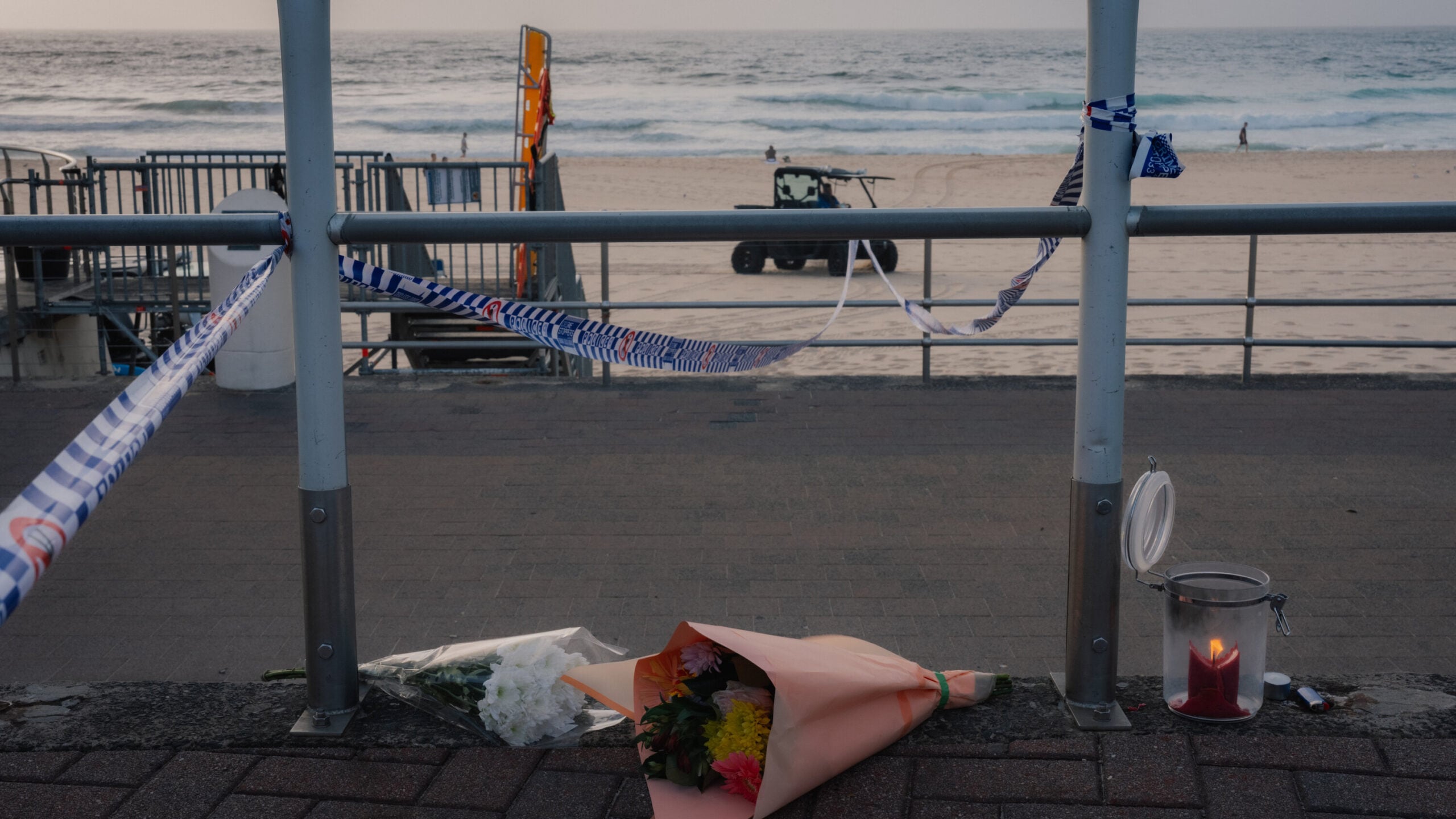
As details of the incident emerged, public reaction was swift. Many praised the man as a hero, expressing gratitude that someone had been willing to step in when the situation could have turned deadly. Social media users described his actions as selfless, courageous, and rare in a world where fear often dominates public spaces.
Others, however, expressed mixed emotions. Some acknowledged his bravery while cautioning against encouraging civilians to intervene in dangerous situations. Law enforcement agencies frequently remind the public that confronting armed individuals carries extreme risk and that personal safety should always be prioritized.
This tension reflects a broader debate about heroism in modern society. While people admire acts of bravery, they also recognize the unpredictability of violence and the importance of professional response. The man’s actions exist at the intersection of these two realities.
The Role of Instinct Versus Training
One of the questions raised by the incident is whether the man had any prior training or experience that influenced his response. In many similar cases, individuals with backgrounds in security, sports, or emergency response are more likely to act decisively under pressure. However, there is no universal formula that predicts who will intervene.
Human instinct plays a powerful role. In moments of crisis, some people experience heightened clarity, while others freeze. Neurologists explain that the brain’s fight-or-flight response can manifest differently depending on personality, experience, and emotional wiring.
Regardless of his background, the man’s actions demonstrate how quickly instinct can override fear. That split-second decision, driven by a sense of responsibility or urgency, became the defining factor in the outcome.
How Close the Situation Came to Tragedy

Authorities later emphasized just how serious the situation could have become. Alleged attackers in public settings pose unpredictable risks, and even a brief delay can result in irreversible harm. The fact that no lives were lost or seriously injured is what makes the incident both remarkable and sobering.
Public spaces are designed for safety and normalcy, not confrontation. When violence intrudes into these environments, it exposes how vulnerable everyday life can be. This incident serves as a reminder that danger does not always announce itself and that prevention often depends on timing rather than planning.
The man’s intervention shortened the window of risk, transforming a potentially tragic event into a story of survival and bravery. That outcome, however, does not diminish how close the situation came to disaster.
Bravery in an Age of Fear
In recent years, public anxiety around safety has increased, fueled by global news cycles and high-profile incidents. Many people report feeling more cautious in public spaces, more aware of potential threats, and more hesitant to engage with strangers. Against this backdrop, acts of courage stand out even more starkly.
The man’s actions challenge the narrative that fear always wins. While caution is rational and often necessary, moments like this show that compassion and bravery can still override instinctive self-protection. They remind society that courage is not extinct, even if it is rare.
At the same time, the incident highlights the importance of broader systemic solutions to public safety. No individual should be expected to place themselves in danger to compensate for structural failures. Bravery can inspire, but prevention remains essential.
What This Incident Says About Society
Stories like this resonate because they tap into fundamental questions about responsibility and community. When danger arises, who is responsible for acting? Is it only the role of authorities, or does society rely, consciously or not, on individuals stepping forward?
The answer is uncomfortable because it has no clear boundaries. While no one should be obligated to risk their life, society often celebrates those who do, creating a paradox where heroism is admired but not expected.
This incident exposes that tension. The man did not act because he was required to. He acted because he chose to. That choice, and the consequences it carried, reflect both the strength and fragility of communal life.
The Quiet Aftermath of a Public Act
Once the immediate danger passed and the headlines were written, the man returned to being a private individual. Unlike fictional heroes, real people do not walk away unchanged. Even when praised, they must process what happened on their own terms.
Friends, family, and professionals often play a crucial role in helping individuals who experience such events regain a sense of normalcy. Support systems matter, especially when public attention fades and personal reflection begins.
The story does not end with the disarming of an attacker. It continues in the quieter moments afterward, where the weight of what could have happened settles in.
A Reminder of What One Person Can Do
In the end, this incident is not just about danger or violence. It is about the power of individual action in moments when outcomes hang in the balance. One decision, made under pressure, altered the course of events and protected lives.
That does not mean everyone should act the same way. Courage takes many forms, including knowing when not to intervene. But this story reminds us that humanity still produces people willing to step forward when others step back.
As society continues to grapple with questions of safety, fear, and responsibility, moments like this serve as both inspiration and caution. They highlight what is possible, what is risky, and what it means to be human in unpredictable times.
Conclusion: Courage Without Guarantees
The man who disarmed the alleged attacker did not act with the promise of praise or safety. He acted without guarantees, in a moment where hesitation could have cost lives. His story stands as a testament to the unpredictable nature of courage and the profound impact one person can have.
As discussions continue about public safety, intervention, and responsibility, this incident remains a powerful example of how quickly ordinary life can demand extraordinary choices. It leaves behind not just relief, but reflection, on what it means to stand between danger and others when the outcome is unknown.
In a world often defined by fear, moments like this remind us that courage still exists, quietly, imperfectly, and at great personal risk.