

Table of Contents
- When the Numbers Arrived, the Impact Was Immediate
- How Energy Became One of the Fastest-Rising Household Expenses
- Policy Shifts and Their Ripple Effects
- The Role of Global Energy Markets
- Regional Disparities Tell a Deeper Story
- Why Energy Inflation Feels Different
- Businesses Are Feeling the Pressure Too
- Political Debate Intensifies Around Energy Costs
- What Consumers Can and Cannot Control
- The Broader Economic Signal
- What This Means for the Future
- Conclusion: A Cost That Touches Nearly Everyone
When the Numbers Arrived, the Impact Was Immediate
When new figures revealed that energy bills across the United States have risen by roughly 13% since President Donald Trump returned to office, the reaction was swift and widespread. For millions of households, the data confirmed what they had already been feeling every month when opening utility statements. Higher electricity costs, steeper heating expenses, and rising fuel prices were no longer isolated complaints. They had become a measurable national trend.
Unlike sudden spikes caused by extreme weather or short-term supply disruptions, this increase reflects a broader shift in the energy landscape. Analysts note that while inflation has moderated in some consumer categories, energy costs have moved in the opposite direction. For families already navigating high housing costs, food prices, and insurance premiums, energy bills represent another growing financial pressure that is difficult to avoid or reduce.
What follows is not just an explanation of rising prices, but a deeper look into how policy decisions, global markets, infrastructure limits, and consumer demand are colliding in ways that are reshaping the cost of living across America.
How Energy Became One of the Fastest-Rising Household Expenses
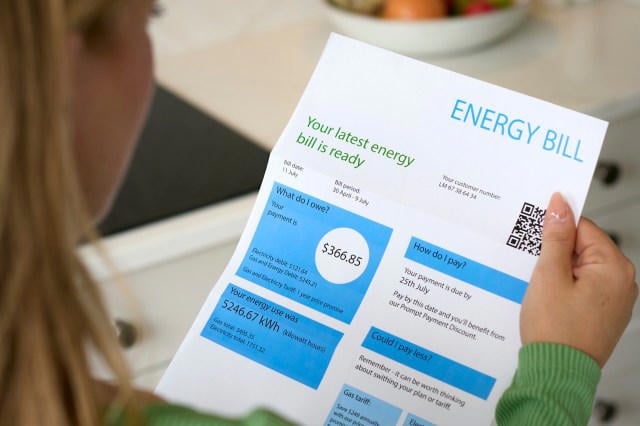
Energy costs occupy a unique place in household budgets. Unlike discretionary spending, electricity and heating are necessities, especially during seasonal extremes. According to economists, even modest percentage increases can translate into significant monthly burdens, particularly for lower- and middle-income families.
Since Trump’s return to the White House, several factors have converged to push energy prices upward. Utilities have passed along higher production and transmission costs, while fuel prices have fluctuated amid changing domestic and international supply dynamics. In many regions, aging infrastructure has also required expensive upgrades, costs that are ultimately reflected in consumer bills.
For renters and homeowners alike, energy inflation has proven harder to escape than price increases in other categories. While shoppers can adjust brands or reduce consumption of certain goods, cutting electricity use has limits. This makes the 13% rise especially impactful.
Policy Shifts and Their Ripple Effects
Energy markets are deeply sensitive to government policy, and changes in regulatory priorities can alter pricing dynamics faster than many consumers realize. Since Trump’s return to office, the administration has emphasized energy independence, domestic production, and deregulation. Supporters argue that these policies encourage investment and long-term stability, while critics warn they can introduce short-term volatility.
One immediate consequence has been shifts in how utilities plan future capacity. Some companies have delayed renewable investments, while others have increased reliance on fossil fuel sources subject to global price swings. At the same time, regulatory rollbacks have altered how environmental compliance costs are calculated and distributed.
These changes do not affect energy bills overnight, but they influence the cost structure that utilities operate within. Over time, those adjustments appear on consumer invoices, often without clear explanations that connect policy decisions to household expenses.
The Role of Global Energy Markets

Although the U.S. produces significant energy domestically, it remains connected to global markets. Oil and gas prices respond to geopolitical tensions, supply chain disruptions, and international demand. Even when domestic production rises, global price movements can still influence what American consumers pay.
Recent volatility in global energy markets has compounded domestic factors. Conflicts, production cuts by major exporting nations, and transportation bottlenecks have all contributed to price uncertainty. Utilities that rely on natural gas or imported fuels have faced higher procurement costs, which are then passed on to customers.
This interconnectedness means that domestic policy alone cannot fully shield households from global energy trends. The 13% increase reflects not just national decisions, but international forces beyond any single administration’s control.
Regional Disparities Tell a Deeper Story
The impact of rising energy bills has not been evenly distributed across the country. Data shows that some regions have experienced sharper increases than others, depending on climate, energy sources, and infrastructure investment.
States heavily reliant on natural gas for heating have seen particularly steep winter bills, while areas dependent on older power grids face higher maintenance and transmission costs. In contrast, regions with diversified energy mixes or newer infrastructure have fared slightly better, though few have avoided increases entirely.
These disparities highlight how energy policy intersects with geography and infrastructure history. Households in certain regions are paying not because they consume more, but because their systems cost more to operate.
Why Energy Inflation Feels Different

Energy inflation carries a psychological weight that exceeds its numerical value. Unlike gradual price increases elsewhere, utility bills arrive as fixed monthly reminders of rising costs. Consumers cannot negotiate them, delay them, or substitute alternatives easily.
Economists explain that energy costs often feel more painful because they are perceived as unavoidable. When grocery prices rise, people adjust portions or brands. When electricity prices rise, options are limited. This sense of helplessness amplifies frustration and anxiety, particularly for those on fixed incomes.
The 13% increase is therefore more than a statistic. It represents a growing sense of vulnerability tied to essential services.
Businesses Are Feeling the Pressure Too
Rising energy costs are not confined to households. Small businesses, manufacturers, and service providers also face higher utility bills, which can ripple through the economy. Increased operating costs often lead to higher prices for goods and services, reinforcing inflationary pressures elsewhere.
Manufacturers with energy-intensive processes are especially affected, as electricity and fuel represent significant portions of their expenses. Even modest increases can alter profit margins, hiring plans, and investment decisions.
This feedback loop means that rising energy costs can indirectly affect employment, wages, and consumer prices, extending the impact far beyond utility statements.
Political Debate Intensifies Around Energy Costs
As energy bills climb, political debate has sharpened. Supporters of the administration argue that short-term increases are necessary trade-offs for long-term energy security and economic growth. They emphasize domestic production, reduced dependence on foreign energy, and deregulation as paths toward eventual stability.
Critics counter that the burden is falling too heavily on consumers, particularly those least able to absorb higher costs. They argue that a balanced approach incorporating renewables, efficiency investments, and consumer protections could mitigate price increases.
Energy has long been a politically charged issue, but rising bills have brought the debate directly into households, making abstract policy arguments intensely personal.
What Consumers Can and Cannot Control
Faced with higher bills, many consumers are searching for ways to reduce costs. Energy efficiency measures, such as improved insulation, smart thermostats, and efficient appliances, can help over time. However, these solutions often require upfront investment that not all households can afford.
Low-income assistance programs and utility payment plans offer relief for some, but they do not address the underlying drivers of rising costs. As a result, many families are left balancing energy expenses against other necessities.
This gap between awareness and ability underscores why energy inflation poses such a challenge. Solutions exist, but access remains uneven.
The Broader Economic Signal
Economists view energy prices as a key indicator of broader economic trends. Sustained increases can signal structural shifts in supply, demand, or policy. They can also influence inflation expectations, consumer confidence, and central bank decisions.
The 13% rise since Trump’s return suggests that energy will remain a critical factor in economic planning. Whether prices stabilize, continue climbing, or reverse will depend on a complex mix of domestic policy, global markets, and technological investment.
For now, the data points to a period of adjustment rather than temporary fluctuation.
What This Means for the Future
Looking ahead, energy costs are likely to remain a central concern for households and policymakers alike. Infrastructure modernization, diversification of energy sources, and global market stability will all play roles in determining whether prices ease or persist.
The challenge lies in balancing affordability, reliability, and sustainability. Each decision carries trade-offs, and those trade-offs are increasingly visible on monthly bills.
As consumers adapt to higher costs, pressure will grow on leaders to explain not just what is happening, but why — and what comes next.
Conclusion: A Cost That Touches Nearly Everyone
The rise in U.S. energy bills since Trump returned to office is more than a policy headline. It is a lived experience for millions of Americans navigating higher costs in an already strained economic environment. The 13% increase reflects a convergence of policy decisions, global forces, and infrastructure realities that extend far beyond any single factor.
Energy, once taken for granted as a stable expense, has become a focal point of economic anxiety and political debate. As the nation moves forward, how leaders address this issue will shape not only household budgets, but broader confidence in the economy itself.
For now, the message is clear: energy costs matter, and their impact reaches far beyond the power switch.