
Table of Contents
- When RFK Jr set out to change what America eats
- His message is simple, but the system he wants to change is not
- Ultra-processed foods are at the center of his campaign
- The FDA could become his biggest battleground
- His food dye and additive agenda has real support
- But some of his ideas remain deeply controversial or unsupported
- The biggest obstacle may not be science, but power
- School lunches and federal nutrition standards may be his best path
- Trump and Kennedy may not want the same food future
- America may finally be ready for this conversation, even if Kennedy is an imperfect messenger
When RFK Jr set out to change what America eats
When Robert F. Kennedy Jr took charge of the Department of Health and Human Services, he did not enter office talking only about hospitals, insurance, or prescription drugs. He arrived with a much broader and more disruptive ambition. He wants to change the way Americans eat. That means taking aim at some of the most familiar parts of the modern diet, from brightly colored breakfast cereals to seed oils in fast food, from food additives and dyes to the vast category of ultra-processed products that now dominate supermarket shelves and school cafeterias. For Kennedy, this is not a side issue. It is central to his “Make America Healthy Again” message, and he has framed it as a moral and medical emergency.
That is why his arrival has created such an unusual political moment. Kennedy remains deeply controversial because of his history of spreading false and discredited claims on vaccines and other health topics. Yet at the same time, some of his food-related ideas have found real support from nutrition advocates, public health experts, frustrated consumers, and even a handful of Democrats. His critique taps into something many Americans already feel. The country is drowning in chronic illness, childhood obesity, diabetes, and diet-linked disease, while supermarket aisles remain filled with products that often seem engineered for shelf life, color, craving, and cost rather than nourishment. What Kennedy is proposing, in its broadest form, is a direct challenge to that system. The question is whether he can actually change it.
His message is simple, but the system he wants to change is not
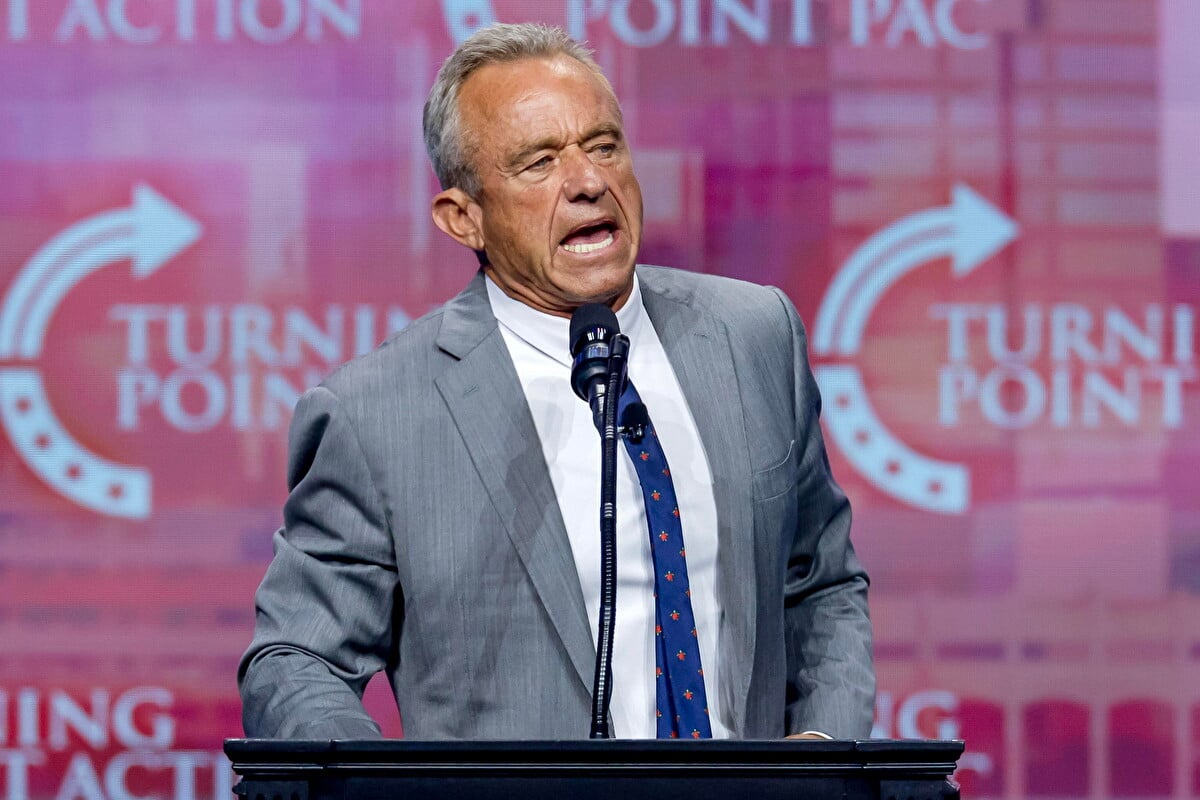
Kennedy’s public case has a blunt emotional force. He argues that American children are being failed by a food environment flooded with chemicals, additives, and highly processed products. He has spoken repeatedly about food dyes, seed oils, sugary products, and ultra-processed meals as part of a toxic system that is driving chronic disease. In public speeches and interviews, he has presented the issue not just as a nutrition problem, but as a betrayal by institutions that were supposed to protect public health.
That language resonates because it turns a complicated regulatory issue into something people can recognize instantly. Parents see cereal boxes, school lunches, snack foods, and fast food meals every day. They understand the feeling that something about the food system has gone wrong, even if they do not know which agency regulates what or which ingredient sits under which legal classification. Kennedy’s strength as a messenger is that he translates that unease into a fight with villains people can picture, especially food corporations and federal regulators.
But the problem he is stepping into is much more complex than the rhetoric suggests. America’s food system is not governed by one switch that can be flipped. It is a maze of federal agencies, state rules, agricultural incentives, school meal standards, ingredient approvals, labeling systems, industry lobbying, and deeply embedded consumer habits. Kennedy may be able to make the argument sound simple. The actual work of changing the system is anything but.
Ultra-processed foods are at the center of his campaign
If there is one idea most clearly at the heart of Kennedy’s food agenda, it is his attack on ultra-processed foods. These are the products that have been heavily altered with added sugars, refined starches, industrial fats, emulsifiers, flavorings, stabilizers, and other ingredients that push them far from whole foods. They include everything from sugary cereals and packaged snacks to frozen pizzas, instant meals, and many fast food items. Kennedy has repeatedly argued that Americans, especially children, are being flooded with these foods and paying the price with rising chronic disease.
On this point, he is not speaking into a vacuum. Many public health experts agree that ultra-processed foods are a major concern. Studies have increasingly linked high consumption of such products with obesity, cardiovascular disease, diabetes, and other health problems. That is why some nutrition experts who sharply reject Kennedy’s false claims in other areas still find themselves agreeing with parts of his food message. They see real value in finally putting the American diet under harsher national scrutiny.
This is where Kennedy has a genuine opportunity. Even if his broader public health record alarms many experts, his focus on diet touches a conversation that was already growing. More researchers, consumer groups, and parents have begun questioning why the American food supply leans so heavily on products that are cheap, durable, and profitable but often nutritionally weak. Kennedy did not invent that concern. He amplified it and gave it political force.
The FDA could become his biggest battleground
A major part of Kennedy’s power will come from his oversight of the Food and Drug Administration, the agency that sits at the center of food and drug safety. The FDA has thousands of employees and an enormous range of responsibilities, but it has also faced years of criticism from lawmakers, consumer advocates, and some public health voices who say it moves too slowly, tolerates too much industry influence, and has failed to respond aggressively enough to modern food risks.
Kennedy has made it clear that he sees the agency as part of the problem. He has spoken about wanting to take a sledgehammer to what he views as a corrupt or complacent system. He has singled out FDA departments involved in nutrition and argued that they are not doing their jobs. That language is confrontational, even revolutionary in tone, and it reflects his larger political style. He does not present himself as a manager seeking gradual refinement. He presents himself as someone arriving to break a failed order.
The appeal of that stance is obvious. Many Americans are tired of hearing that agencies are “reviewing” issues while harmful products remain on the market year after year. But the danger is obvious too. An agency like the FDA depends heavily on expert knowledge, continuity, and rigorous internal process. If Kennedy tries to force rapid change by gutting expertise rather than reforming policy, he could weaken the same institution he needs in order to make durable improvements. That tension will define much of what comes next.
His food dye and additive agenda has real support
Among Kennedy’s proposals, his push against certain food dyes and additives may be the area where he is on the firmest ground. He has called for removing dyes like Red No. 3 and targeting additives that are banned or restricted in other countries. This argument has gained traction because many Americans are puzzled by the fact that some ingredients remain common in U.S. foods even as they face tighter scrutiny elsewhere.
A number of public health experts support stronger action here. Some believe certain dyes and additives should have been removed or restricted earlier, especially where there are concerns about carcinogenicity or other health effects. On this front, Kennedy’s rhetoric overlaps with longstanding consumer advocacy campaigns. He may be loud about it, but he is not alone.
That matters politically. It means he does not need to persuade the country from scratch. Instead, he can plug into an existing frustration with the perception that the U.S. food system is too permissive, too industry-friendly, and too slow to adapt when evidence raises red flags. If Kennedy is smart, this is one of the areas where he may try to score early wins. Narrowing or removing selected additives is far more feasible than trying to abolish the entire category of ultra-processed food. It would also allow him to claim visible action quickly.
But some of his ideas remain deeply controversial or unsupported
The problem for Kennedy is that his food agenda does not end where the evidence is strongest. He has also promoted positions that many experts view as weak, misleading, or dangerous. His support for raw milk, for example, runs directly against mainstream food safety science, which has long held that pasteurization is a critical safeguard against harmful bacteria. His hostility toward fluoride in drinking water is similarly controversial, especially because low levels of fluoride have been widely associated with better dental health. His claims about seed oils poisoning Americans have also drawn major criticism from experts who say the evidence does not support treating such oils as a primary driver of the obesity epidemic.
This is where Kennedy’s broader credibility problem returns. He is not just advocating for cleaner food labeling or tighter additive standards. He is also carrying ideas that many in the scientific community see as driven more by instinct, suspicion, or ideology than by strong evidence. That makes it harder for supporters of his stronger proposals to fully embrace him. They may agree with him on processed foods and certain additives, but worry that he will use that support to push far shakier ideas into policy.
This mixture of good instincts and bad claims is what makes Kennedy so difficult to evaluate. There is real opportunity in some of what he wants to change. There is also real risk in how he might pursue it.
The biggest obstacle may not be science, but power
Even if Kennedy chooses his targets carefully, he will still face one of the most powerful forces in Washington: the food industry. Changing how Americans eat means changing what giant manufacturers produce, market, and defend. That means confronting businesses that have spent decades mastering lobbying, regulatory influence, branding, and political survival. The industry is not likely to sit quietly while Kennedy tries to limit ingredients, shift nutrition guidelines, or stigmatize profitable categories of food.
And the industry does not need to win every fight outright. Often it only needs to slow the process, complicate the rulemaking, demand more studies, challenge legal authority, or split political coalitions. Food reform sounds attractive in public speeches. It becomes much harder when the targets are products millions of people buy regularly and corporations that can mobilize lobbyists, trade groups, and lawmakers in response.
This is especially true because the FDA does not operate with unlimited power over a broad category like ultra-processed foods. The term itself is widely discussed in nutrition debates, but it is not a neat regulatory box with one simple enforcement mechanism attached to it. The federal government can influence ingredients, labeling, nutritional standards, and procurement guidelines, but it cannot simply declare an end to ultra-processed food as a category and make it disappear.
School lunches and federal nutrition standards may be his best path
If Kennedy wants to make a real dent in the American food environment, one of his most powerful levers may be federal nutrition policy, especially the Dietary Guidelines and programs tied to them. These guidelines shape school lunches, military meals, and other government-linked food systems. They also influence what kinds of foods companies market as healthy or acceptable under federal standards.
This may be the most realistic pathway for structural change. If Kennedy can push the government to take ultra-processed foods more seriously in those guidelines, the effect could ripple outward. Food companies care deeply about standards that affect institutional contracts, public perception, and future regulatory direction. Even without banning products outright, changing what the federal government endorses could alter industry behavior over time.
That is why some experts believe Kennedy could make a difference even within existing frameworks. He may not be able to blow up the entire system, but he could push it in a new direction. The question is whether he will pursue that more strategic path or get distracted by louder fights and symbolic battles that generate attention but little lasting reform.
Trump and Kennedy may not want the same food future
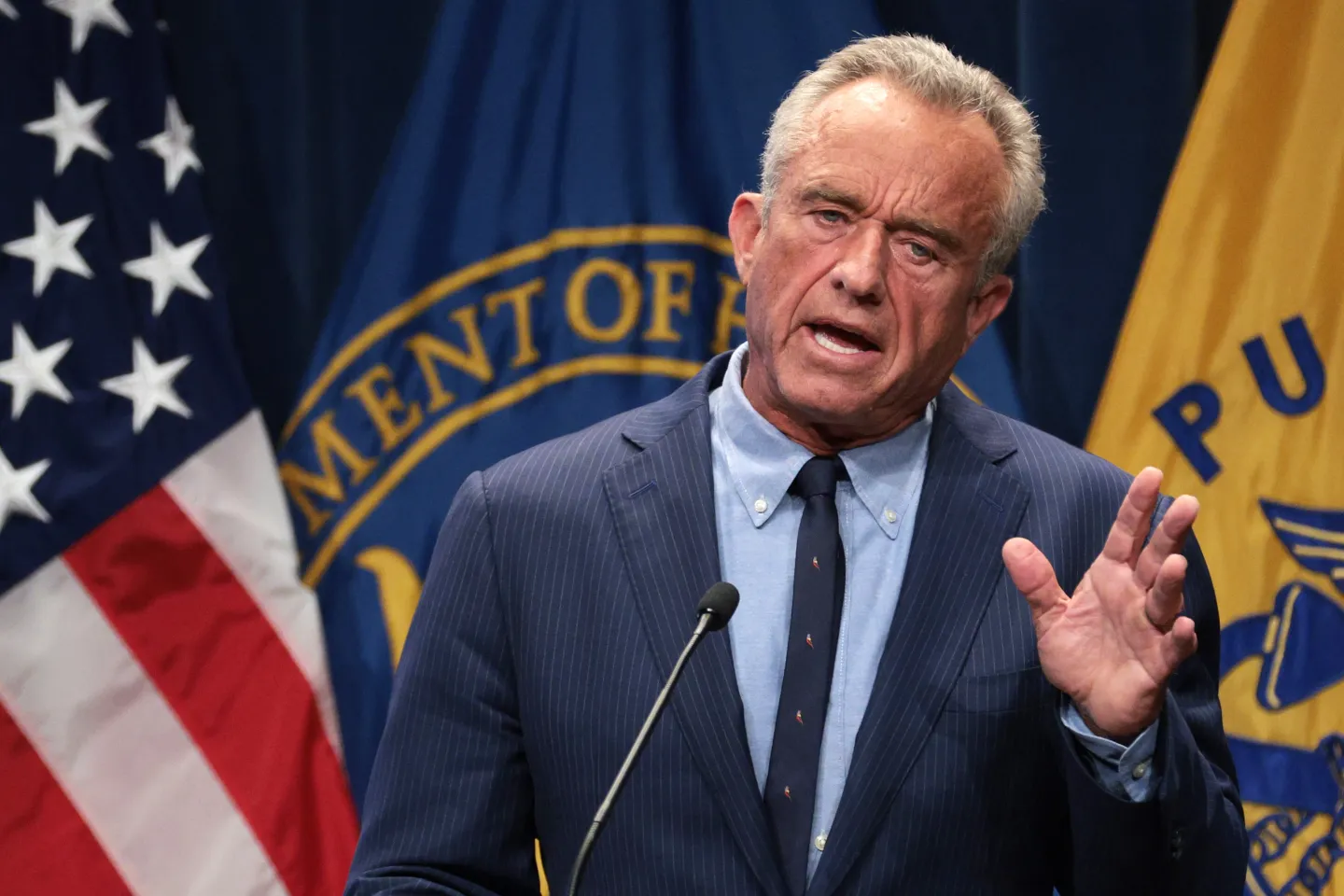
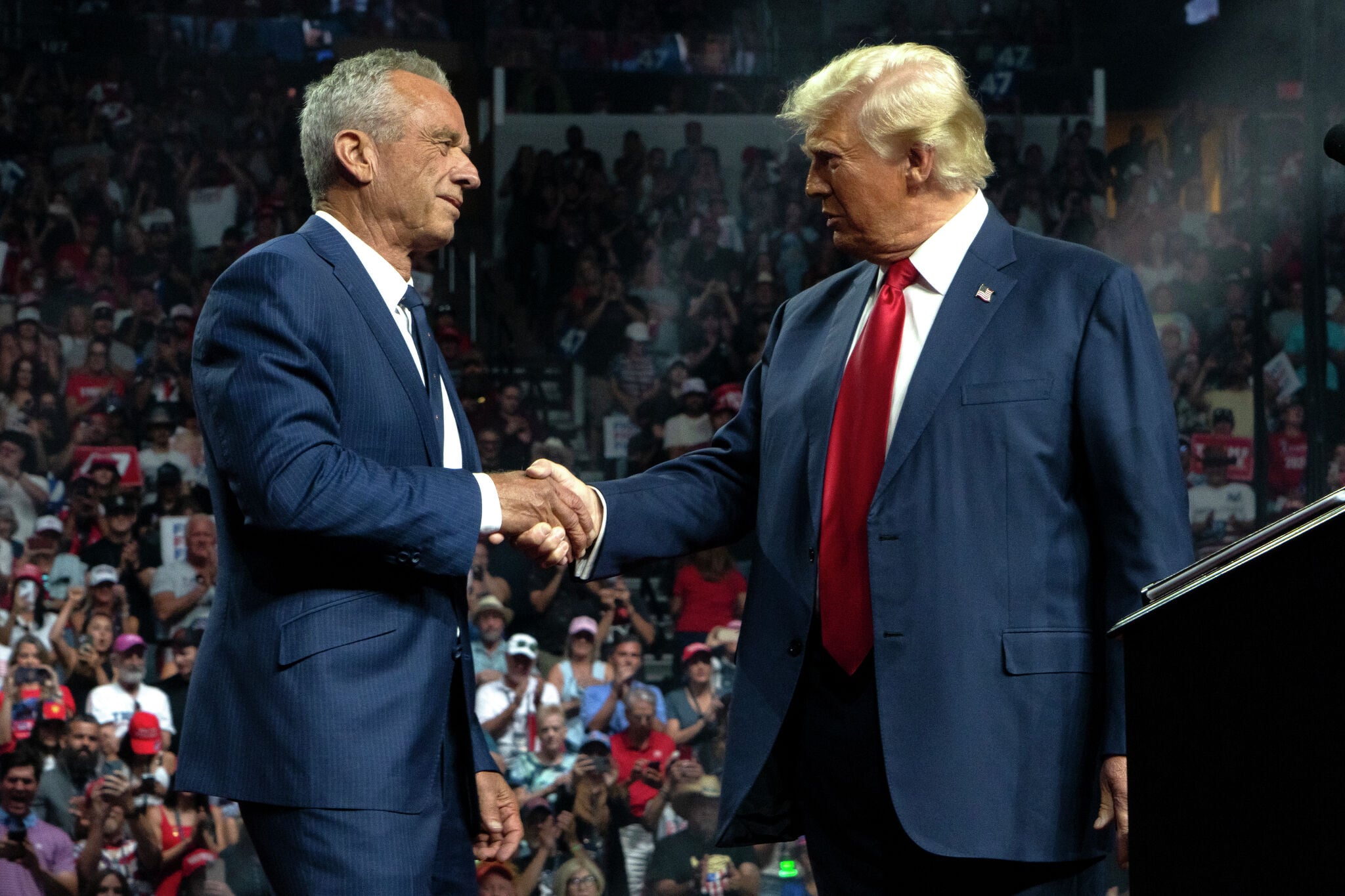
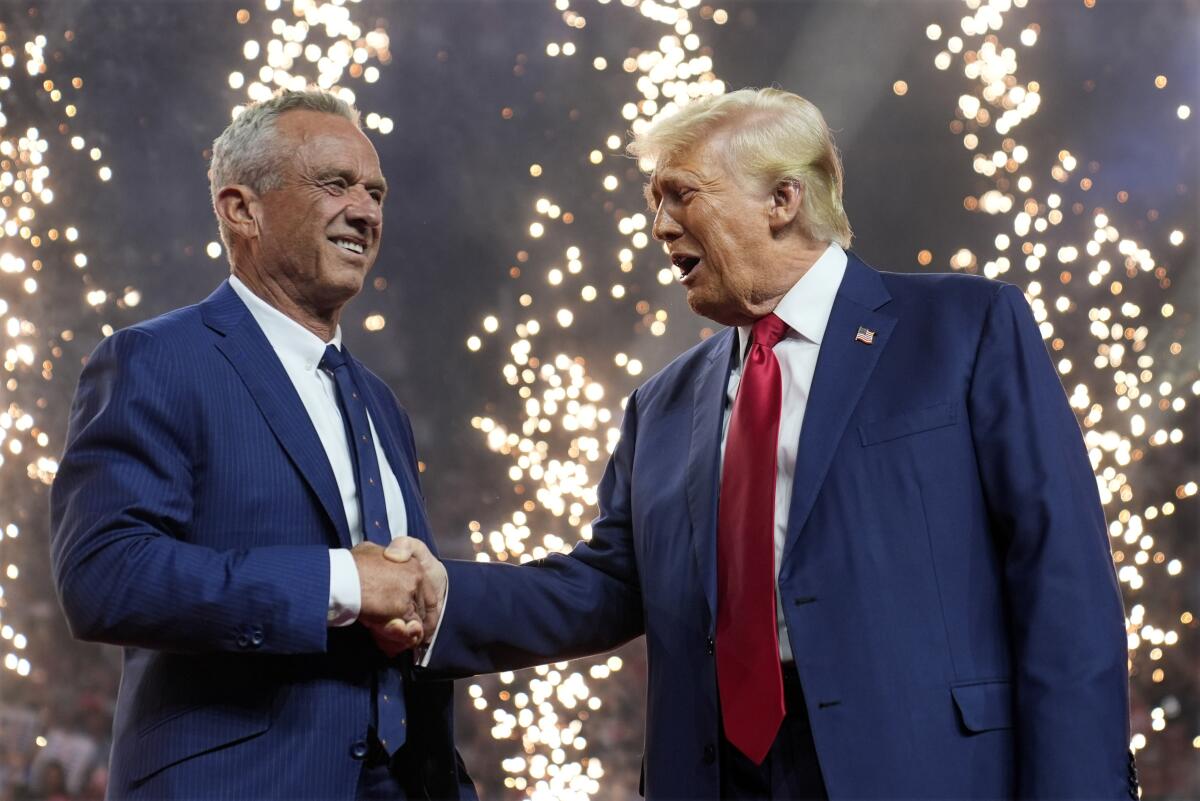
Another major complication is political. Kennedy now serves in an administration led by Donald Trump, a president not exactly associated with nutritional discipline or hostility to fast food culture. Trump has long embraced the imagery and habits of a more indulgent American food identity, and during his first term his administration rolled back some stricter nutrition requirements for school lunches. That history raises an obvious question: how much support will Kennedy really get if his reforms start threatening corporate allies, consumer comfort, or political messaging about personal freedom?
This may become the decisive factor. Kennedy can talk about clean food and chronic disease all he wants, but if the White House does not back him when industry pressure rises, his agenda could stall quickly. Food reform is not just a matter of one man’s enthusiasm. It requires political cover, bureaucratic follow-through, and a willingness to fight powerful interests over issues that often seem minor until the lobbying begins.
If Trump decides that Kennedy’s food crusade is useful as rhetoric but inconvenient in practice, the effort could be reduced to noise. If he decides it serves the administration’s brand and is worth defending, then Kennedy may have more room than skeptics expect.
America may finally be ready for this conversation, even if Kennedy is an imperfect messenger
In the end, Kennedy’s arrival at Health and Human Services has forced a national conversation that was already overdue. Americans are eating enormous quantities of ultra-processed food. Chronic disease is widespread. Parents are increasingly uneasy about additives, dyes, and the overall quality of the food environment their children grow up in. Those concerns are not fringe. They are real, and they are growing.
That is why Kennedy has an opening. Even people who distrust him on vaccines or reject some of his more controversial claims can still see truth in the idea that the modern American diet is fueling illness on a massive scale. He has named a problem many others have tiptoed around. The challenge is whether he can turn that recognition into policy that is serious, evidence-based, and durable rather than chaotic, performative, or distorted by misinformation.
So the question is not simply whether RFK Jr can make America’s diet healthy again. The deeper question is whether he can separate the part of his agenda that reflects real public health urgency from the part that reflects his long history of dubious health claims. If he can, he may help push America toward a better food system. If he cannot, he risks discrediting a necessary reform movement by tying it too tightly to his own contradictions.