

Table of Contents
- When a bullying record suddenly became a barrier to the future
- A new era began with actual rejections, not just warnings
- Why Seoul National University’s involvement changed the tone
- The punishment system is becoming far more concrete
- Teacher colleges are pushing the standard even further
- South Korea’s culture around bullying has changed dramatically
- The policy is really about accountability, not just punishment
- The long shadow of a school record is now getting longer
- This could reshape student behavior long before applications are filed
- South Korea is sending a message that school violence is not temporary
When a bullying record suddenly became a barrier to the future
When news spread that top universities in South Korea had begun rejecting applicants because of school violence records, the story resonated far beyond the walls of the admissions office. For decades, the country’s university entrance system has been treated as one of the most important gates in Korean society, a path tied not only to higher education, but to prestige, career opportunity, income, and even lifelong social standing. A student’s ability to enter a top university has often been seen as a defining achievement that can shape everything that follows. That is why this new shift feels so consequential. It is not simply a disciplinary adjustment. It is a sign that South Korea is beginning to redefine what kind of behavior should carry consequences long after the classroom incident itself is over.
The policy change also cuts into one of the deepest assumptions in older school culture. In the past, many cases of bullying or student violence were often treated as private disputes, youth mistakes, or problems best handled quietly through apology and reconciliation. Teachers mediated. Parents intervened. Schools often tried to close the matter without creating a lasting stain on the student’s future. But now, that older instinct is being pushed aside by something much harder and more public. Universities are beginning to say that violence in school is not just childish conflict. It is a matter of character, trust, and accountability. And once admissions officers start treating it that way, the consequences can follow students long after graduation.
A new era began with actual rejections, not just warnings
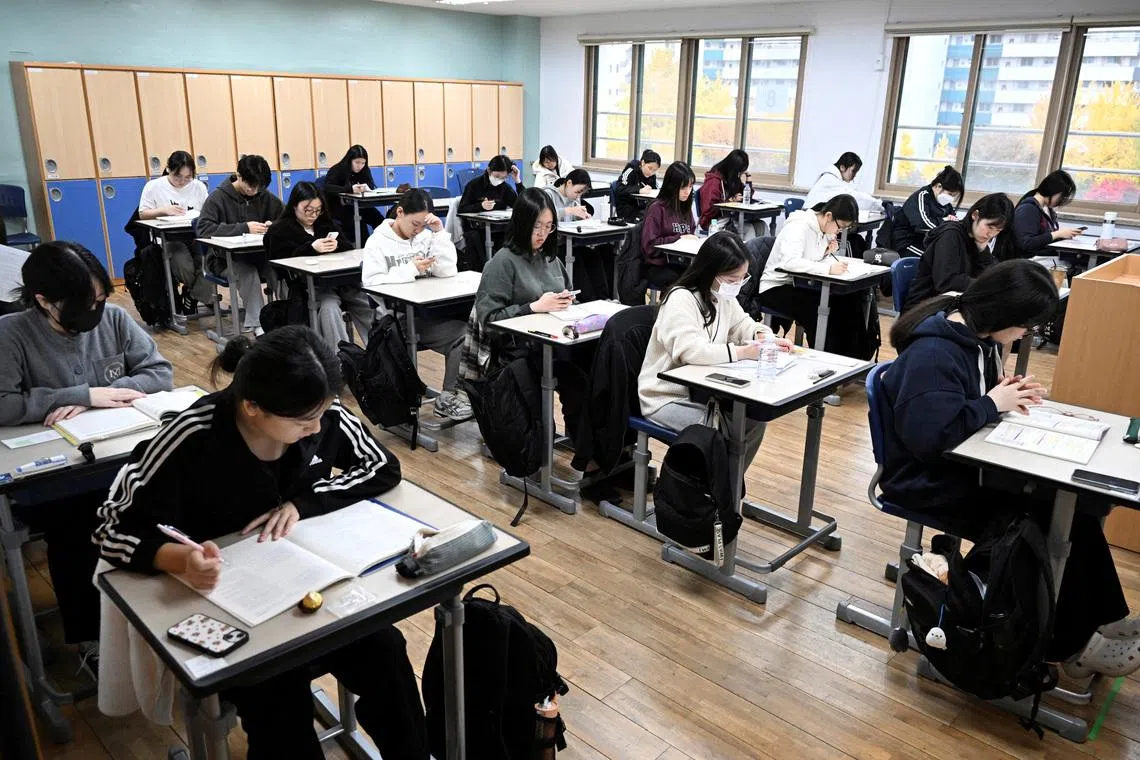
The reason this story has drawn such attention is that it is no longer theoretical. According to the information made public through lawmaker Kang Kyung-sook’s office, six of South Korea’s ten national flagship universities rejected 45 applicants in the 2025 admissions cycle because of school violence records. Among those turned away were two applicants to Seoul National University, the country’s most prestigious institution, and 22 applicants to Kyungpook National University. That alone would have been enough to make headlines. But the bigger development is what comes next.
Beginning in 2026, all universities in South Korea will be required to factor school violence records into admissions. That means what started as a selective policy among some institutions is becoming a national standard. Universities will still have flexibility in how they weigh such records, but the underlying message is now unmistakable: disciplinary history related to violence will no longer be treated as invisible baggage. It will be part of the admissions picture.
This is what gives the story its larger force. A few rejections can still be explained away as symbolic. A nationwide requirement cannot. Once all universities must consider these records, the country is no longer debating whether bullying matters in higher education. It is debating how much it should matter and how far those consequences should go.
Why Seoul National University’s involvement changed the tone
Not all universities carry the same symbolic weight, and that is why Seoul National University’s role matters so much. In South Korea, Seoul National is more than a highly ranked school. It is part of the educational elite, one of the institutions most strongly associated with national leadership, prestige, and academic excellence. When an institution like that rejects applicants over school violence, it sends a signal to the entire country that this issue has moved into the top tier of seriousness.
The same is true, in a different way, for the national flagship universities more broadly. These institutions are seen as public symbols of excellence and responsibility. If they are now openly telling students that violent behavior can cost them a place, then the message is not just about admissions. It is about moral standards. It says that academic scores alone are no longer enough to protect someone from the consequences of harming others in school.
That shift matters in a society where competition for educational advancement is fierce. South Korea’s admissions culture has long focused intensely on test results, rankings, and measurable achievement. Bringing school violence more directly into the equation broadens the meaning of merit. It suggests that discipline, conduct, and how a student treats others now matter in ways that cannot simply be overcome by high scores.
The punishment system is becoming far more concrete
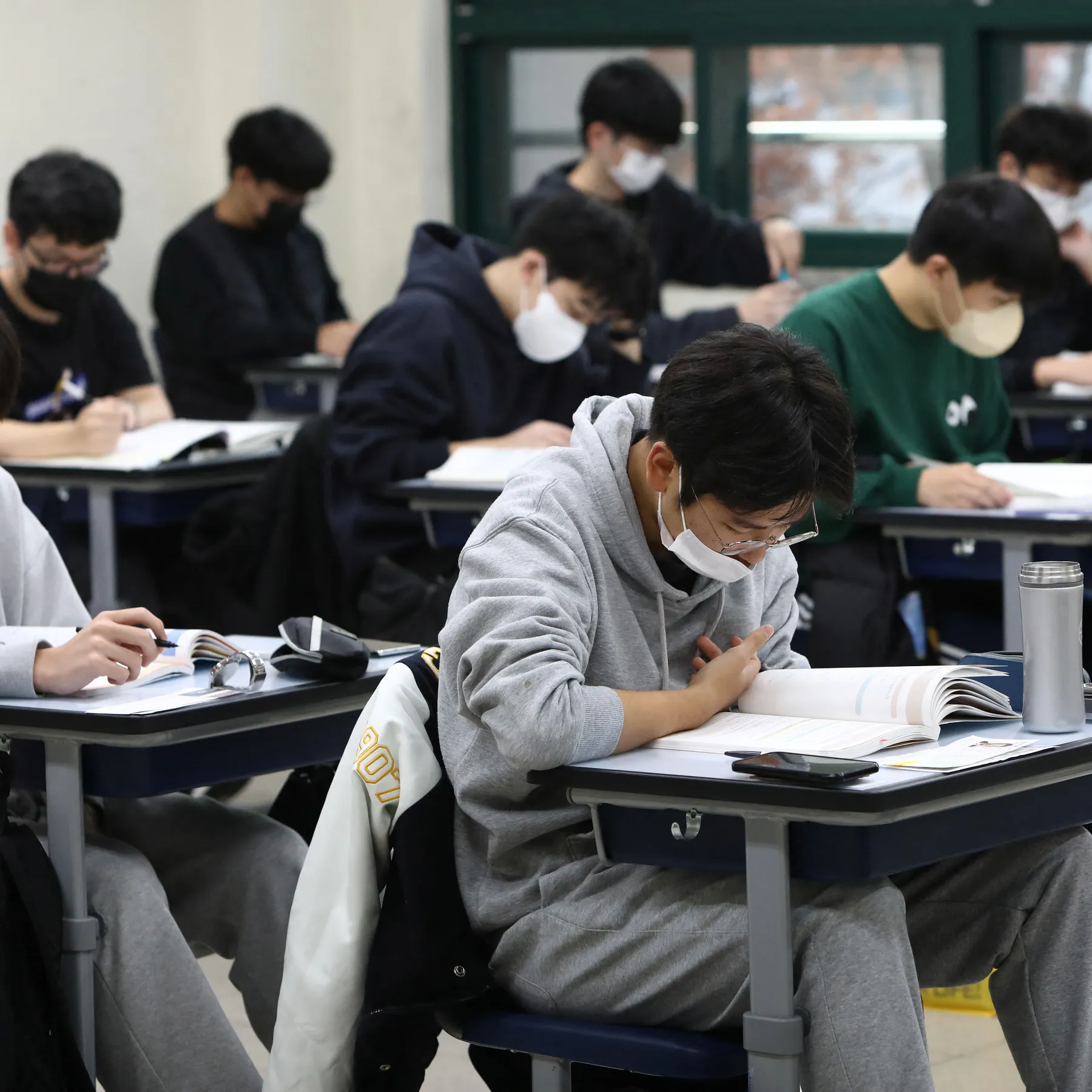
One of the clearest signs that this policy shift is serious is the level of structure now being applied to it. South Korea categorizes school violence sanctions from Level 1 to Level 9, ranging from a written apology to expulsion. In the past, lower-level incidents were often handled more quietly, especially when schools and parents pushed for reconciliation rather than formal escalation. But the new system is moving toward official documentation and long-term impact, especially for more severe cases.
Kyungpook National University’s approach offers a striking example of how sharply universities may choose to respond. The school introduced a strict point-based penalty system this year, deducting 10 points for Levels 1 through 3, 50 points for Levels 4 through 7, and 150 points for transfer or expulsion cases, which fall under Levels 8 and 9. Of the 22 applicants rejected there, the penalties were severe enough to knock them out across multiple tracks, including academic, arts, athletics, and essay-based admissions.
That level of detail matters because it shows this is no longer just a vague promise to “take bullying seriously.” It is being translated into measurable admissions penalties. Once schools start applying numerical deductions to disciplinary records, the consequences become real and predictable. Students can no longer assume that bad conduct will be quietly set aside if their grades are good enough.
Teacher colleges are pushing the standard even further
If flagship universities are raising the bar, teacher training institutions appear ready to raise it even higher. Ten national teachers’ colleges, including Gyeongin, Busan, and Seoul National University of Education, have reportedly announced that beginning next year, any applicant with a school violence record, regardless of severity, will be automatically disqualified.
That is a remarkable standard, and it reflects a particular logic. Teacher colleges are not simply training graduates for ordinary private careers. They are preparing people who may someday stand at the front of classrooms and be trusted with children. In that context, even a lower-level school violence record can be interpreted differently. The issue is no longer just whether the applicant deserves a second chance. It is whether someone with that background should be placed on a professional path built around moral authority, care, and student safety.
Other teacher-training and medical colleges are reportedly considering similar steps. If that trend expands, it could create a layered admissions landscape in which some institutions consider severity and context, while others treat any violence record as disqualifying. That would deepen the policy’s impact and extend it into professions where personal conduct is closely tied to public trust.
South Korea’s culture around bullying has changed dramatically

To understand why the country is moving in this direction, it is important to look at the cultural shift behind it. Until the mid-2000s, school violence in South Korea was often minimized. It was frequently dismissed as rough conflict between children, something to be smoothed over rather than formally punished. The emphasis was often on repair, apology, and restoring social harmony, not building long-term records that might damage a student’s future.
But over the past decade, that older framework has weakened dramatically. A series of high-profile bullying cases, including suicides linked to school harassment, public testimony from celebrities, growing awareness of digital abuse, and the cultural impact of popular dramas like The Glory, changed how the public thinks about violence among students. Bullying stopped being seen as a private school problem and became a national social issue.
That cultural turn is crucial. Policy does not usually shift this sharply unless public feeling has already moved. South Korea is now in a moment where sympathy lies increasingly with victims, and where the demand for accountability has grown much stronger. Once bullying is seen not as mischief but as a violation of basic rights, it becomes easier to justify long-term consequences.
The policy is really about accountability, not just punishment
Supporters of the tougher approach argue that this is not simply about being harsh. It is about recognizing that victims often carry the effects of bullying long into adulthood, while perpetrators have too often escaped with minimal consequences. In that view, the new admissions rules are a correction. They are meant to tell students that what they do in school does not vanish when the school year ends.
That is why the phrase “social trust” appears so important in the way universities explain these policies. Kyungpook National University described school violence not just as personal misconduct, but as a breach of social trust. That language suggests the issue is communal, not merely individual. It is about whether someone has shown the kind of judgment and behavior expected in a shared educational environment.
There is also a moral logic behind the timing. Students are not being held accountable decades later for something obscure. They are facing scrutiny at the very moment they are asking society to reward them with one of its most valuable opportunities. Universities are, in effect, saying that if they are being asked to open their gates to the next generation of leaders, professionals, teachers, and public figures, they have a right to ask what those applicants did to others when no one was yet watching.
The long shadow of a school record is now getting longer
For students in South Korea, the implications are enormous. School violence records can remain on official documents for up to two years after graduation, and in expulsion cases can be permanent. That means the consequences no longer stop at the school gate. They may affect university applications, public-sector hiring, and even some private-sector jobs.
This is where the policy becomes most powerful and most controversial. A record that once might have faded into internal school files can now reach into adulthood. For some, that is justice. For others, it raises questions about how long a teenager should be defined by misconduct committed in adolescence. The tension is real. Societies want accountability, but they also often believe in rehabilitation. The new South Korean approach is clearly leaning harder toward accountability.
That does not mean the debate is over. As universities determine independently how to weigh sanctions, arguments will likely grow over proportionality, redemption, and whether all offenses should carry the same kind of long-term burden. But even if the system evolves, the basic shift is already clear. School violence is no longer being treated as something that can be tidied away before adulthood begins.
This could reshape student behavior long before applications are filed
One of the most important long-term effects of this policy may happen far earlier than the admissions season. Once students understand that violent behavior can directly threaten their university future, schools may see changes not only in punishment but in prevention. Parents may take reports more seriously. Teachers may feel greater pressure to formally document incidents. Students themselves may begin to realize that bullying is not only morally wrong, but academically and professionally dangerous.
In a country where college admissions carry enormous emotional and social weight, this kind of consequence could become one of the most powerful deterrents yet. A warning from a teacher can be ignored. A damaged university application is harder to dismiss. That is what makes the policy potentially transformative. It shifts anti-bullying efforts from the language of ethics alone into the language of future loss.
Of course, deterrence is not guaranteed. Some students may still act violently. Some families may fight even harder to keep records off the books. But the leverage has changed. The system is telling students that admissions officers are now watching, and that may alter behavior in ways older disciplinary systems never could.
South Korea is sending a message that school violence is not temporary
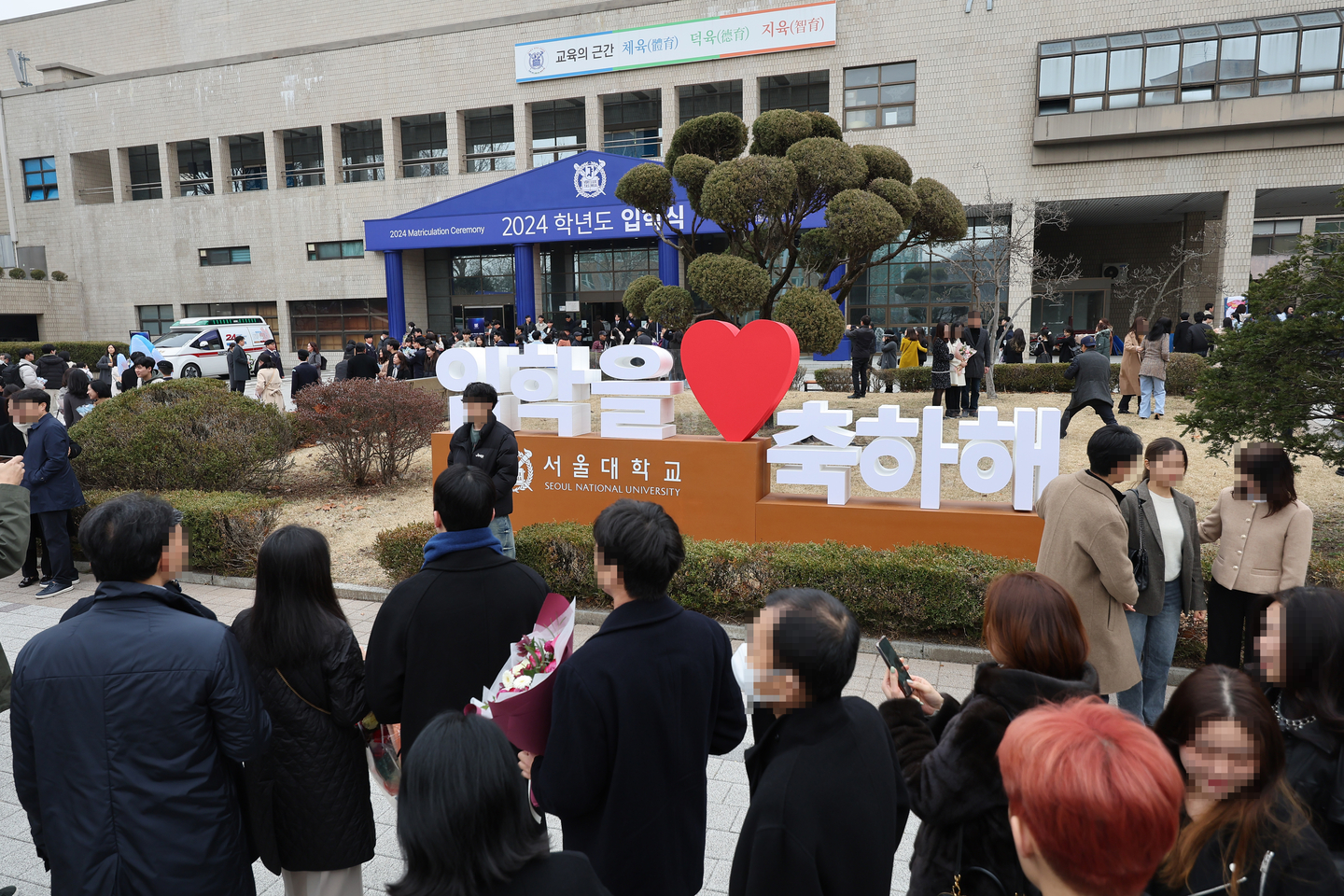
At its core, this policy marks a cultural verdict. South Korea is telling students that the harm they inflict in school is not something society will automatically forget once grades and test scores arrive. For years, academic success often carried the power to overshadow or erase other concerns. Now, at least in this area, that shield is weakening.
That is why this shift feels so historic. It is not just a change in admissions paperwork. It is a statement about what kind of behavior a society is willing to excuse, and what kind it is not. The old model treated many cases of school violence as internal conflicts that could be settled and left behind. The new model treats them as evidence that can follow a student into the most important educational competition of their life.
Whether the system will remain fair, proportional, and open to genuine rehabilitation is a debate that will continue. But South Korea has already crossed an important line. It has moved from talking about bullying as a school problem to treating it as a matter of national accountability. And once that happens, college admissions stop being just about grades and talent. They become a mirror of what a society believes young people should be answerable for, and how long those answers should matter.