
Table of Contents
- A Small College Town Shaken by Violence
- The Investigation Captured National Attention
- The White Hyundai Elantra Becomes a Key Clue
- Bryan Kohberger Emerges as the Suspect
- The Extradition Process Moves Quickly
- The Evidence Remains Largely Hidden
- The Missing Murder Weapon Raises Questions
- Kohberger’s Academic Background Draws Scrutiny
- Investigators Remain Silent About Motive
- A Community Continues Seeking Answers
- What This Case Means Moving Forward
A Small College Town Shaken by Violence
The murders occurred during the early morning hours of November 13, 2022.
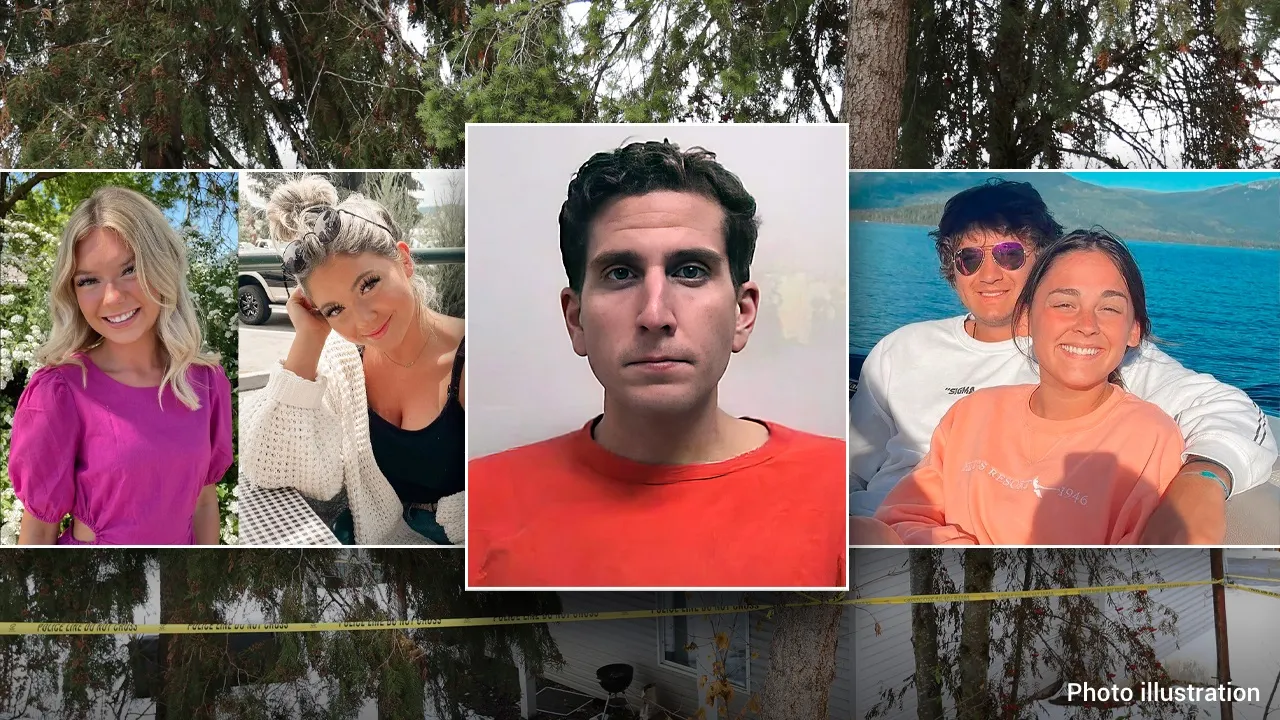
University of Idaho students Madison Mogen, Kaylee Goncalves, Xana Kernodle, and Ethan Chapin were found dead inside a rental home near campus.
Authorities later confirmed the victims had been stabbed while sleeping.
The shocking nature of the attack immediately generated fear across Moscow, a community known more for student life than violent crime.
Residents struggled to understand how four young people could be killed inside their home without anyone immediately identifying a suspect.
As days turned into weeks, anxiety continued to grow.
Parents questioned campus safety. Students left town early for holidays. Community members wondered whether a dangerous individual remained at large.
The pressure on investigators intensified with each passing day.
The Investigation Captured National Attention
From the beginning, the investigation became one of the most closely followed criminal cases in America.
Law enforcement agencies at the local, state, and federal levels joined forces to pursue leads.
Hundreds of interviews were conducted. Thousands of tips were received. Surveillance footage, cell phone records, and forensic evidence became central to the investigation.
Despite these efforts, police remained unusually quiet about key details.
That silence frustrated many observers, including some family members of the victims who publicly questioned whether enough progress was being made.
At the same time, investigators insisted they were carefully building a case and avoiding actions that could jeopardize a future prosecution.
The public remained eager for answers.
The White Hyundai Elantra Becomes a Key Clue
One of the most significant developments came when investigators announced they were searching for a white Hyundai Elantra.
Police revealed that the vehicle had been observed near the crime scene around the time of the killings.
The request immediately triggered a nationwide search.
Thousands of tips flooded into law enforcement agencies as people reported similar vehicles.
For weeks, speculation centered on who owned the car and whether its occupant might be connected to the murders.
The announcement represented one of the few major investigative details released publicly before the arrest.
Eventually, investigators confirmed that the vehicle had been located.
The discovery would later become one of the most important turning points in the investigation.
Bryan Kohberger Emerges as the Suspect
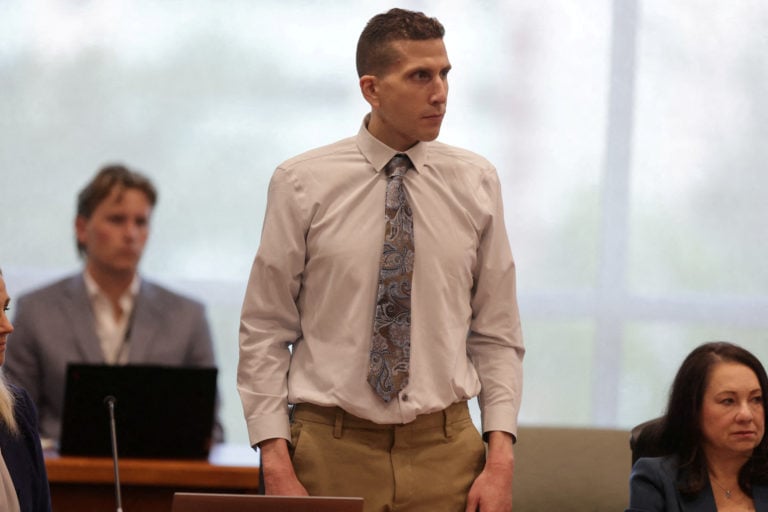
The investigation took a dramatic turn when authorities arrested Bryan Kohberger in Pennsylvania.
Kohberger was a doctoral student studying criminal justice and criminology at Washington State University, located only a short distance from Moscow, Idaho.
His academic background immediately drew public interest.
Many people found it difficult to understand how a criminology student could become the focus of such a high profile murder investigation.
The contrast between his field of study and the allegations against him quickly became a major topic of discussion.
Following his arrest, authorities announced plans to charge him with four counts of homicide as well as burglary.
The announcement brought a sense of relief to many residents who had spent weeks fearing that the killer remained unidentified.
Yet the arrest also raised numerous new questions.
The Extradition Process Moves Quickly
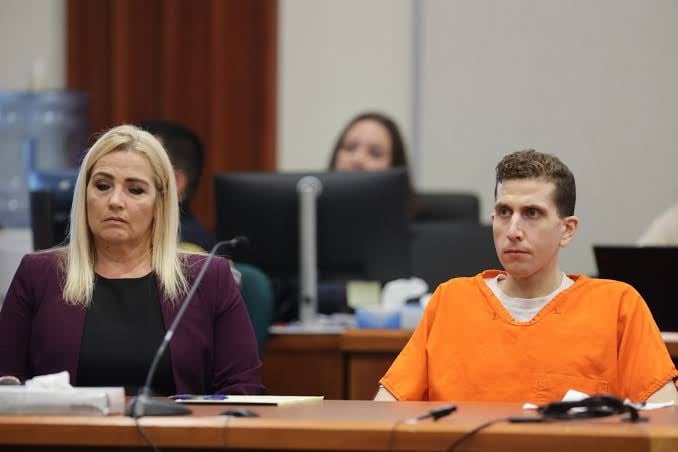
After his arrest in Pennsylvania, Kohberger appeared before a judge and agreed to be extradited to Idaho.
During the hearing, he appeared calm and spoke briefly when questioned.
Court observers noted that he indicated he was not taking medication that would impair his judgment.
Media coverage of the hearing attracted widespread attention.
Journalists closely followed every detail, searching for clues about the suspect’s mindset and potential defense strategy.
Soon afterward, Kohberger was placed aboard a state police aircraft and transported to Idaho.
His arrival marked a critical step in moving the case toward formal criminal proceedings.
However, prosecutors continued withholding important information while preparing for future court appearances.
The Evidence Remains Largely Hidden
Despite the arrest, authorities initially revealed very little about the evidence supporting their case.
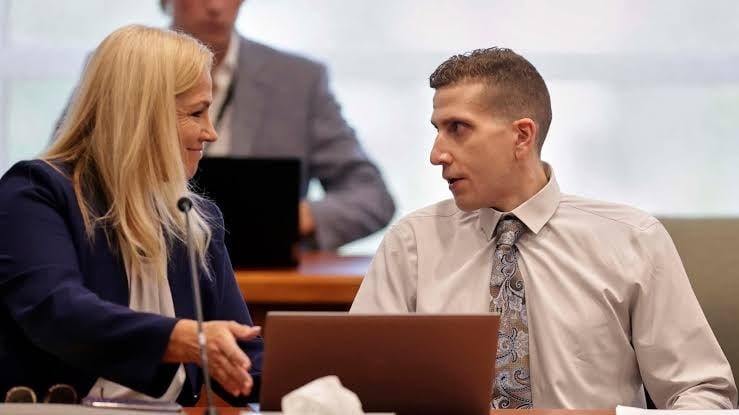
Investigators indicated that a probable cause affidavit existed but remained sealed until Kohberger formally appeared in Idaho court.
This document was expected to explain why law enforcement believed he was responsible for the killings.
Until then, speculation dominated public discussion.
Observers wondered whether DNA evidence, surveillance footage, digital records, witness statements, or other forensic findings connected Kohberger to the crime scene.
The secrecy was intentional.
Prosecutors wanted to preserve the integrity of the case and avoid influencing potential jurors.
Nevertheless, the lack of information fueled intense curiosity nationwide.
People wanted to know exactly what investigators had discovered after weeks of investigation.
The Missing Murder Weapon Raises Questions
Even after the arrest, one major piece of evidence remained missing.
Authorities stated that the suspected murder weapon had not been recovered.
Investigators described the weapon as a fixed blade knife.
The absence of the weapon immediately became one of the most discussed aspects of the case.
In many homicide investigations, recovering the murder weapon can provide critical forensic evidence.
Without it, prosecutors often rely more heavily on other forms of evidence such as DNA, electronic records, witness testimony, and circumstantial evidence.
The fact that investigators felt confident enough to make an arrest without publicly announcing recovery of the weapon suggested they may have possessed other compelling evidence.
Still, the missing knife remained a major mystery.
Kohberger’s Academic Background Draws Scrutiny
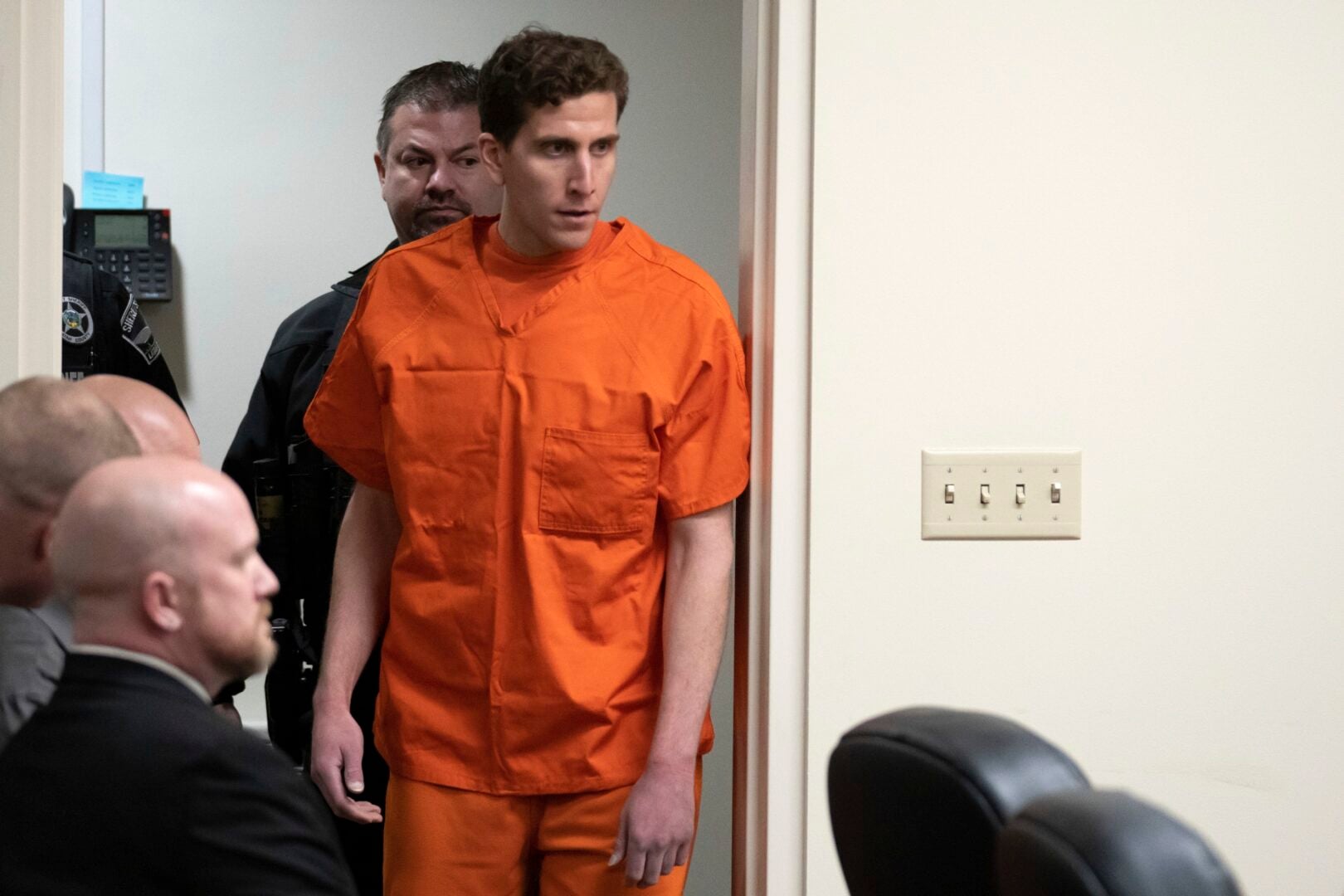
As more information emerged about Kohberger’s past, attention increasingly focused on his academic interests.
Before enrolling in doctoral studies, he had completed a psychology degree.
He later pursued advanced education in criminal justice and criminology.
Public interest intensified after reports surfaced regarding an online research project allegedly associated with him.
The project sought information about criminal behavior and decision making.
According to reports, participants were asked about emotions, thoughts, and experiences related to criminal acts.
Although authorities never confirmed the connection between the online post and the suspect, the discovery generated enormous public attention.
Many observers viewed the circumstances as unusual given the nature of the charges.
The overlap between criminology research and a homicide investigation created a narrative that fascinated both the media and the public.
Investigators Remain Silent About Motive
Perhaps the biggest unanswered question concerns motive.
Even after Kohberger’s arrest, investigators provided no public explanation regarding why the victims may have been targeted.
Authorities also declined to say whether the suspect knew any of the four students personally.
This absence of information fueled endless speculation.
Some observers wondered whether the victims had been specifically targeted.
Others questioned whether the attack was random or opportunistic.
Investigators repeatedly urged patience, emphasizing that evidence would eventually be presented through the court process.
For many families and community members, however, understanding why the crime occurred remained just as important as identifying who committed it.
The search for motive became one of the central mysteries surrounding the case.
A Community Continues Seeking Answers
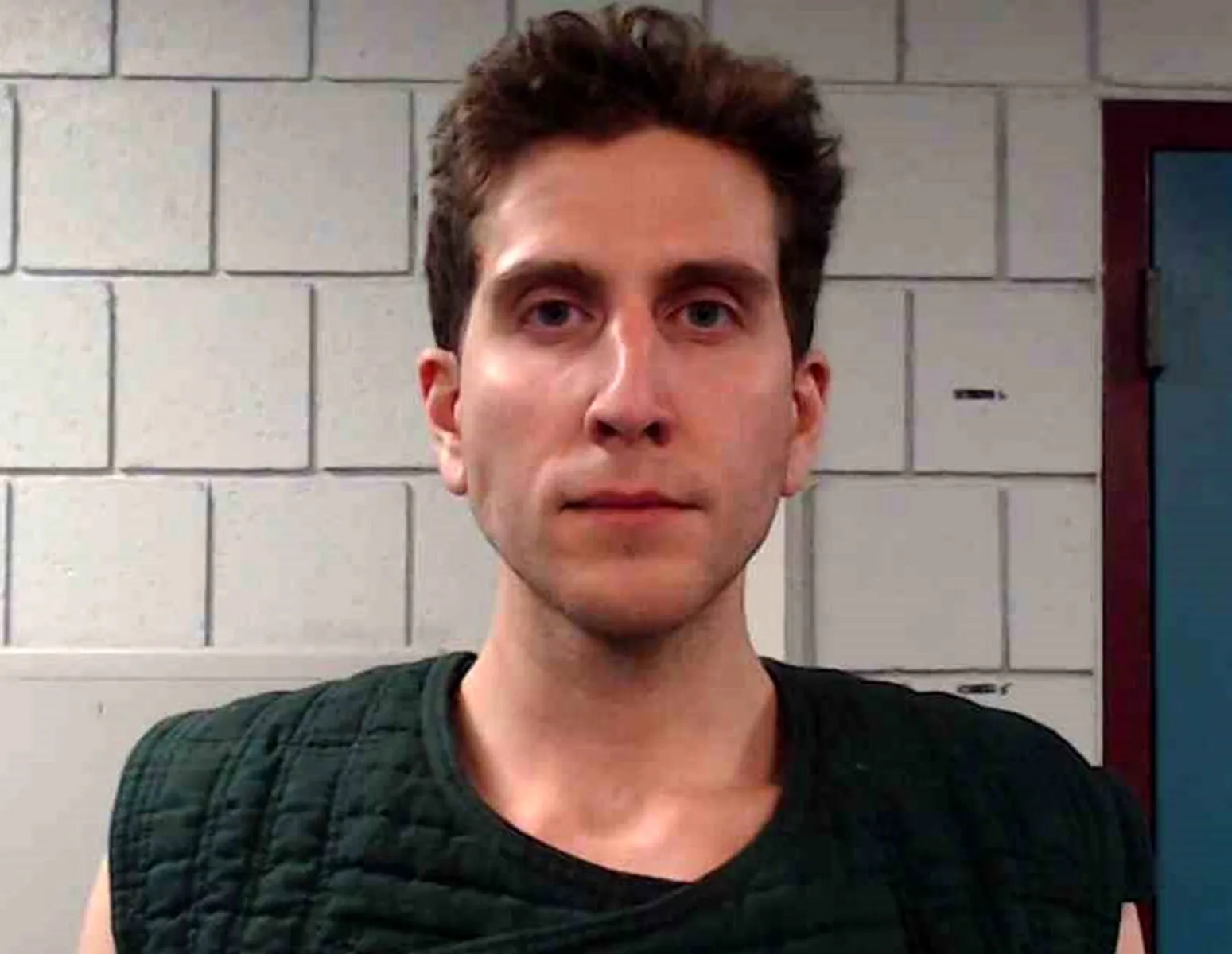
The arrest of Bryan Kohberger represented a major milestone in the investigation, but it did not bring immediate closure.
Families continued mourning the loss of four young lives.
Students attempted to return to normal routines despite the trauma experienced by the community.
Meanwhile, legal proceedings moved forward as prosecutors prepared to present their case.
Every court appearance generated national headlines.
Every new detail attracted intense public attention.
The investigation had already transformed from a local tragedy into a story followed around the world.
As evidence gradually emerged, many hoped the judicial process would provide answers that had remained hidden since the night of the murders.
What This Case Means Moving Forward
The University of Idaho murders exposed how a single criminal investigation can capture the attention of an entire nation.
The case combined many elements that often drive public fascination: young victims, a seemingly peaceful community, an unknown motive, and a suspect whose background appeared unexpectedly connected to the study of crime itself.
While the arrest of Bryan Kohberger answered one major question, it left many others unresolved.
Why were these four students targeted? What evidence convinced investigators they had identified the correct suspect? What role did the white Hyundai Elantra play in the investigation? And perhaps most importantly, what actually happened inside the home during those final moments?
As the legal process unfolds, the public will likely receive answers to many of these questions. Until then, the case remains a powerful reminder of how quickly tragedy can alter a community and how difficult the search for truth can be in the aftermath of violent crime.
For the families of Madison Mogen, Kaylee Goncalves, Xana Kernodle, and Ethan Chapin, the focus remains on seeking justice for four lives lost far too soon. For investigators, prosecutors, and the courts, the challenge is ensuring that every fact is carefully examined and every question thoroughly answered.
The arrest may have marked the end of one phase of the investigation, but it was only the beginning of a legal journey that would continue to draw national attention for months and years to come.