
Table of Contents
- When One Farmer Took on an Industrial Giant
- The Moment That Changed Everything
- The Scale of Environmental Damage
- A Man With Little Education Takes an Unlikely Path
- Turning Knowledge Into Collective Action
- The Long Wait for Legal Support
- The Courtroom Victory That Changed the Narrative
- A Determination That Goes Beyond Winning
- A Reflection of a Larger Environmental Challenge
- What This Story Means for the Future
- A Quiet Figure Who Changed His Community
- A Lasting Lesson About Persistence
When One Farmer Took on an Industrial Giant
When news emerged that a farmer with only a few years of formal education had spent more than a decade studying law to challenge a powerful industrial company, the story immediately stood out. It was not just about pollution or legal action. It was about persistence, belief, and the extraordinary lengths one individual would go to seek justice. Wang Enlin, a man in his sixties from Yushutun village in northeastern China, became the face of a legal battle that many would have considered impossible. His journey began not in a courtroom, but in fields and homes that had been quietly poisoned over time. What followed was a 16 year effort that would eventually lead to a courtroom victory against a multi billion dollar state run company. The story raises a deeper question about what it takes to challenge power when the odds are overwhelmingly unequal.
The Moment That Changed Everything
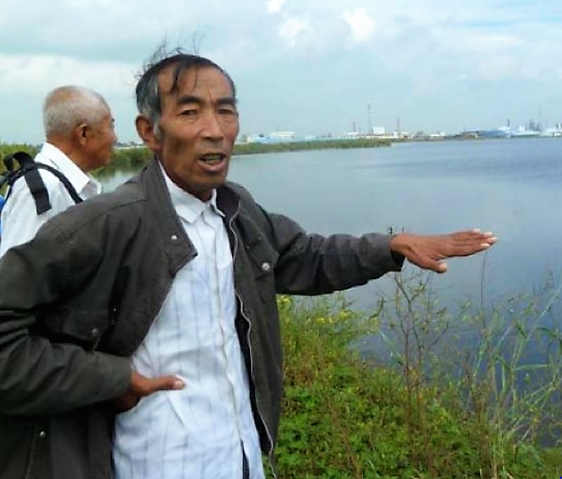
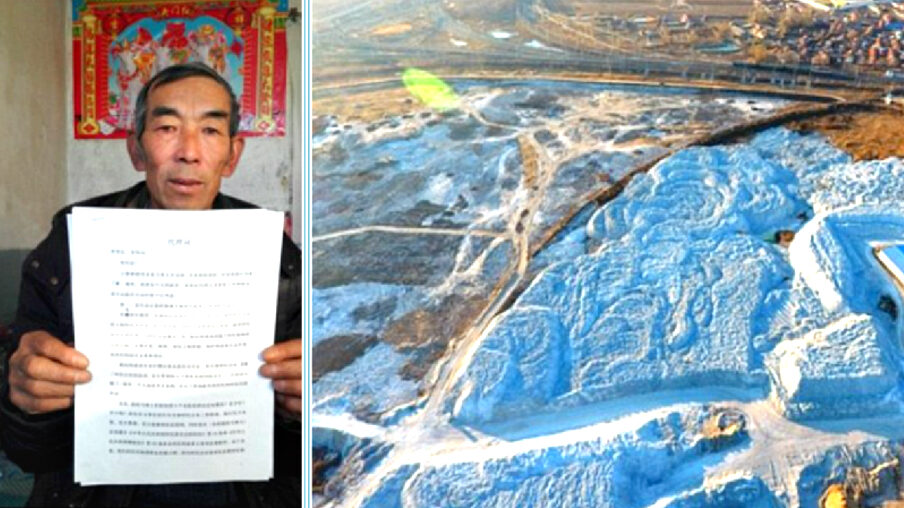
The turning point came in 2001, when Wang’s home and farmland were flooded with toxic industrial waste. The pollution was not subtle or gradual. It was visible, destructive, and deeply disruptive to daily life. According to local records, authorities had already recognized the severity of the contamination, determining that the affected land could not be safely used for a long time.
For a farmer, land is more than property. It is livelihood, identity, and survival. When that land becomes unusable, the impact reaches every part of life. Crops fail, income disappears, and the future becomes uncertain.
For Wang and his neighbors, the damage extended beyond economics. It was about dignity and fairness. They believed something wrong had been done, but they did not yet know how to prove it or what legal path to follow.
The Scale of Environmental Damage
The company at the center of the dispute, Qihua Group, operated a mineral processing and chemical production facility. Over time, its activities created a vast area of environmental degradation. Reports described a 71 acre wasteland filled with calcium carbide residue, along with a much larger pond covering hundreds of acres that contained liquid industrial waste.
Each year, tens of thousands of tons of waste were released into the surrounding environment. The cumulative effect transformed once usable land into a hazardous zone.
This kind of large scale pollution is not unique to one location. It reflects a broader challenge faced by rapidly industrializing regions, where economic growth can sometimes outpace environmental regulation.
For the villagers of Yushutun, however, the issue was not abstract. It was immediate and personal. The damage was happening in their homes, their fields, and their lives.
A Man With Little Education Takes an Unlikely Path

Wang Enlin’s response to the situation was both simple and extraordinary. He decided to learn the law. At the time, he had only three years of formal education. He did not have the financial resources to attend school or purchase legal books.
Instead, he began teaching himself using whatever materials he could access. With the help of a dictionary, he slowly worked through legal texts, copying passages by hand into notebooks. Because he could not afford to buy books, he made an arrangement with a bookstore owner, trading corn in exchange for time to read.
This process continued for years. Day after day, he studied, wrote, and tried to understand complex legal concepts. It was not a fast or easy journey. Legal language can be difficult even for trained professionals, yet Wang persisted.
His motivation was clear. He believed he was right. What he lacked was the knowledge to prove it.
Turning Knowledge Into Collective Action
As Wang’s understanding of the law grew, he began to share what he learned with his neighbors. He explained their rights, discussed environmental regulations, and helped them understand how legal action might be possible.
This transformation from individual learning to collective awareness was crucial. A single person can struggle to challenge a powerful company, but a united group has a stronger voice.
Wang’s efforts helped turn frustration into organized action. The villagers began to see their situation not just as a problem to endure, but as a case that could be brought before a court.
This shift required courage. Taking legal action against a large company carries risks, especially in cases involving environmental damage where evidence can be complex and difficult to prove.
The Long Wait for Legal Support

For many years, progress was slow. Even with growing knowledge and determination, the villagers needed professional legal assistance to move forward.
In 2007, their efforts gained new momentum when a legal aid organization stepped in to help. Lawyers from a center focused on assisting pollution victims agreed to support the case.
This partnership marked a turning point. It connected Wang’s grassroots effort with formal legal expertise, allowing the case to be developed and eventually filed.
However, even with legal support, the process was not immediate. It took years before the case was formally processed in court. This delay reflects the complexity of environmental litigation, where gathering evidence, establishing responsibility, and navigating legal procedures can take significant time.
The Courtroom Victory That Changed the Narrative
After years of preparation, the case finally reached the courtroom. In the Angangxi District Court of Qiqihar, Wang and the villagers achieved an initial victory. The court ruled in their favor and awarded financial compensation.
While the amount of compensation was relatively modest compared to the scale of the damage, the symbolic significance of the decision was profound. It represented recognition of their claims and validation of their struggle.
For Wang, the victory was not just about money. It was about proving that persistence could lead to justice, even when facing a powerful opponent.
The company has since appealed the ruling, meaning the legal battle is not yet fully resolved. But the initial judgment stands as a milestone in the case.
A Determination That Goes Beyond Winning
Throughout the process, Wang’s attitude remained consistent. He expressed confidence in the strength of his case, but also a willingness to continue fighting regardless of the outcome.
This mindset reflects a deeper principle. For him, the battle is not only about winning or losing in a legal sense. It is about standing up for what is right and refusing to accept injustice.
His words capture this perspective clearly. Even if the case were to fail in court, the effort itself would still matter.
This level of determination is rare, especially in cases that require years of sustained effort without guaranteed success.
A Reflection of a Larger Environmental Challenge

The story of Wang Enlin is not an isolated case. It highlights broader issues related to environmental protection, industrial development, and access to justice.
Rapid economic growth has brought significant benefits, but it has also created challenges in managing pollution and protecting communities. Legal systems often struggle to keep pace with these changes, leaving affected individuals with limited options.
Organizations that provide legal assistance to pollution victims report that many people choose not to pursue legal action. The process can be long, complex, and uncertain.
Wang’s case stands out precisely because he chose a different path. He did not give up. He did not accept the situation as inevitable.
What This Story Means for the Future
The outcome of this case, regardless of its final resolution, carries important implications. It shows that individuals, even those with limited resources, can challenge powerful institutions when they are willing to invest time and effort.
It also highlights the importance of access to legal knowledge and support. Without the ability to understand the law, many people may feel powerless in the face of injustice.
As environmental issues continue to grow in importance, cases like this may become more common. They will test the ability of legal systems to respond effectively and fairly.
A Quiet Figure Who Changed His Community
Wang Enlin is not a public figure in the traditional sense. He is described as a man with white hair, worn shoes, and simple clothing. Yet his actions have had a significant impact.
He transformed himself from a farmer with limited education into someone capable of navigating complex legal systems. In doing so, he also transformed his community’s approach to their situation.
His story is a reminder that change often begins with individuals who refuse to accept the status quo.
A Lasting Lesson About Persistence
In the end, the story of Wang Enlin is about persistence more than anything else. It is about the belief that effort, even when slow and difficult, can lead to meaningful results.
It challenges assumptions about who can make a difference and how change can occur. It shows that knowledge, determination, and community support can come together in powerful ways.
As the legal battle continues, one thing is already clear. Wang’s journey has left a mark that extends beyond the courtroom.
It has shown that even in the face of overwhelming odds, a single person’s commitment to justice can inspire a movement.