
Table of Contents
- When One Panda’s Journey Captured Global Attention
- A Life Spent Far From Home
- The Return That Changed Everything
- A Transformation That Sparked Viral Attention
- Understanding the Science Behind Panda Health
- The Controversy That Divided Public Opinion
- The Loss of a Companion and Rising Tensions
- The Role of Social Media in Shaping the Narrative
- A Symbol of Recovery or a Reflection of Larger Issues
- What This Means for Global Conservation Efforts
- A Story That Continues to Evolve
- A Reminder of the Power of One Story
When One Panda’s Journey Captured Global Attention
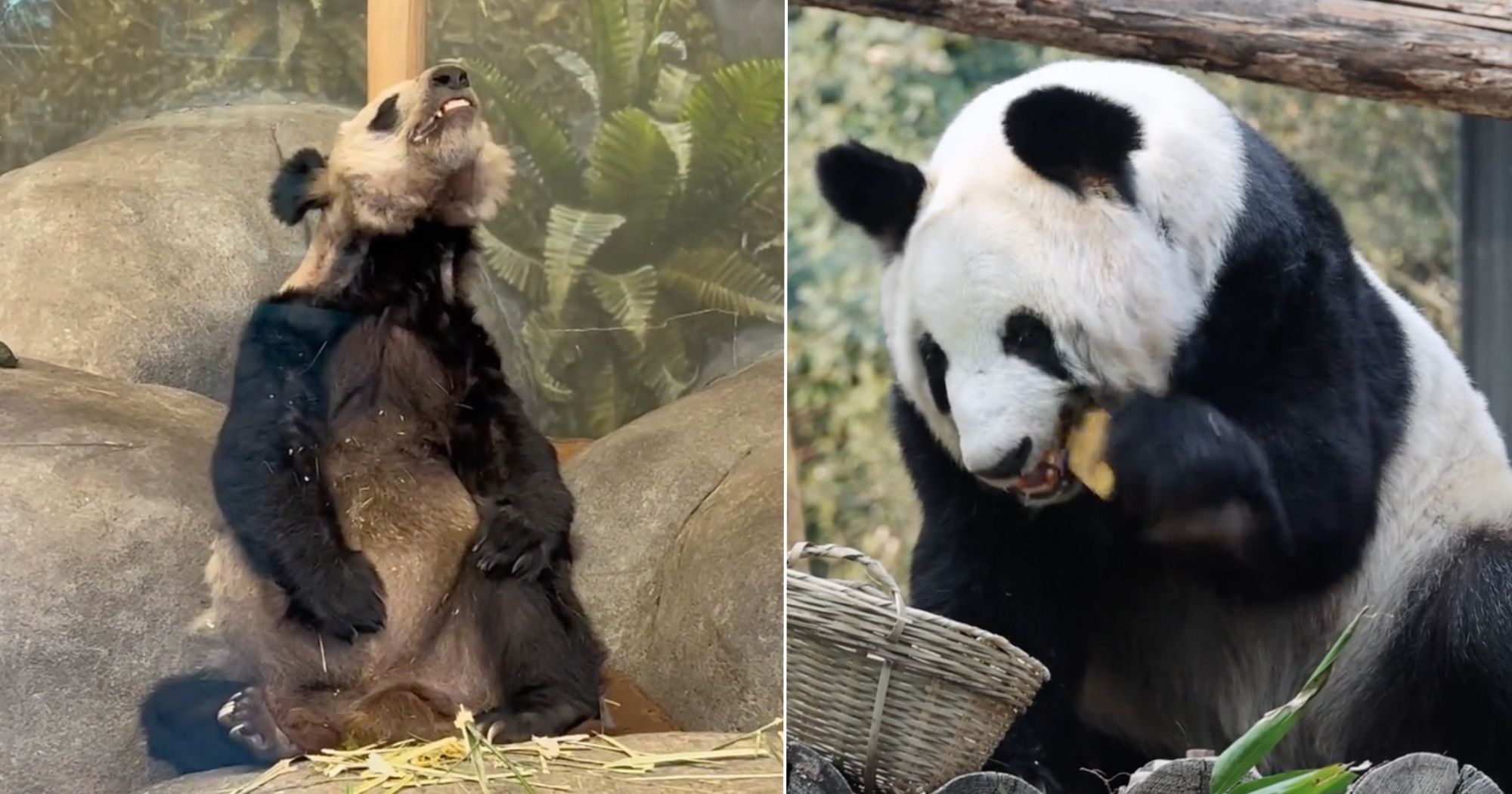
When news spread that Ya Ya, a giant panda who had spent two decades in a U.S. zoo, was showing a dramatic physical transformation after returning to China, the world took notice. The story quickly gained traction across social media, particularly in China, where millions began comparing her past and present appearance. What made this moment so powerful was not just the visible change in her body, but what it seemed to represent. For many observers, it raised questions about animal care, captivity, and responsibility. For others, it became a story of recovery and resilience. What follows is not simply a report on one animal’s condition, but an exploration of how a single panda became the center of a global conversation.
A Life Spent Far From Home
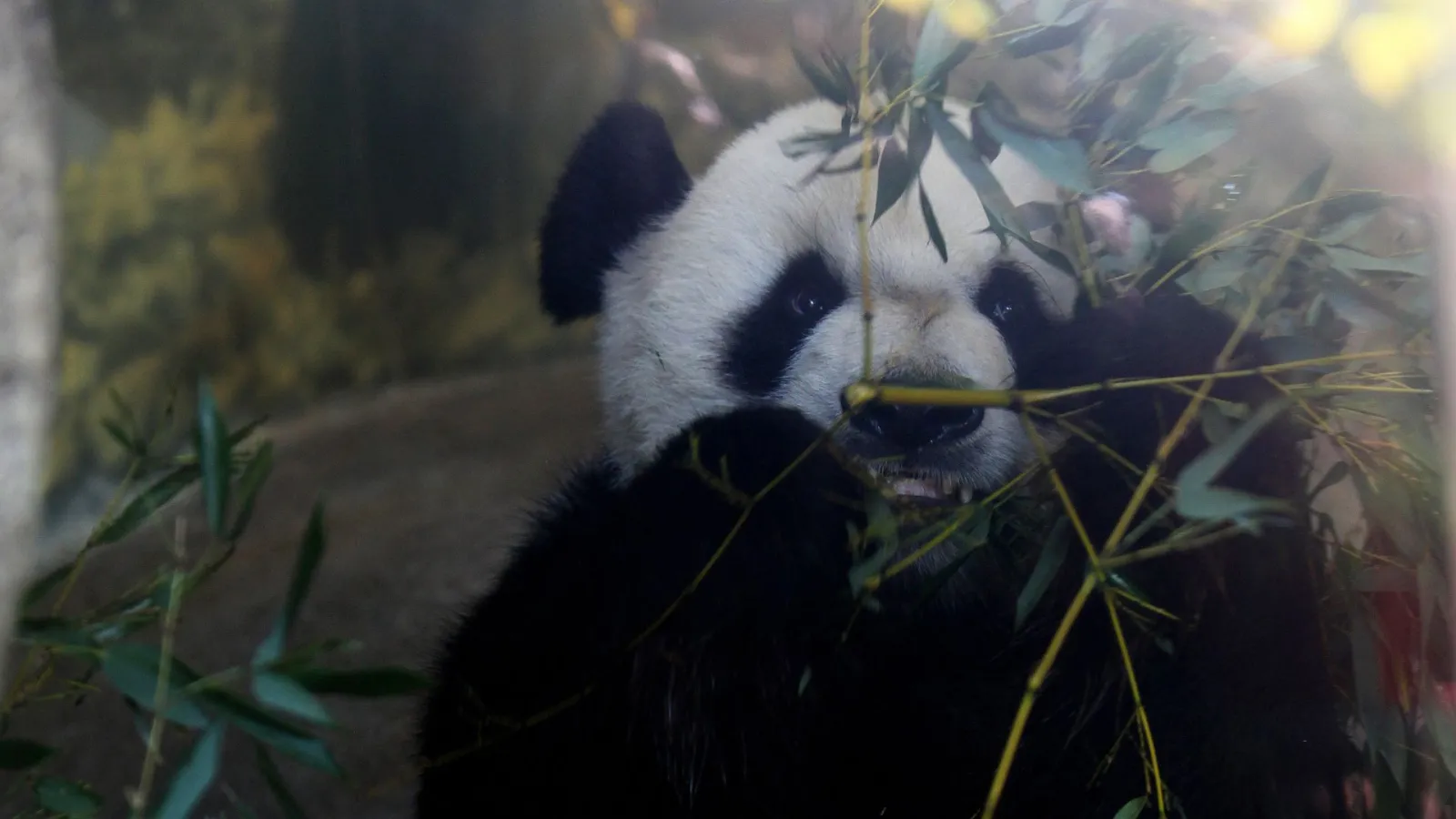
Ya Ya’s story begins long before her recent transformation. For twenty years, she lived at the Memphis Zoo in Tennessee, becoming one of the most recognizable animals at the facility. Like many pandas living abroad, she was part of an international conservation and exchange program.
These programs are designed to promote breeding, research, and cooperation between countries. Pandas are often seen as symbols of diplomacy, and their presence in foreign zoos carries both scientific and cultural significance.
During her time in Memphis, Ya Ya was a familiar figure to visitors. She was part of daily routines, educational programs, and conservation messaging. To many, she was simply a beloved animal. But behind the scenes, her health and well being were being closely monitored, as is standard for pandas in managed care.
The Return That Changed Everything
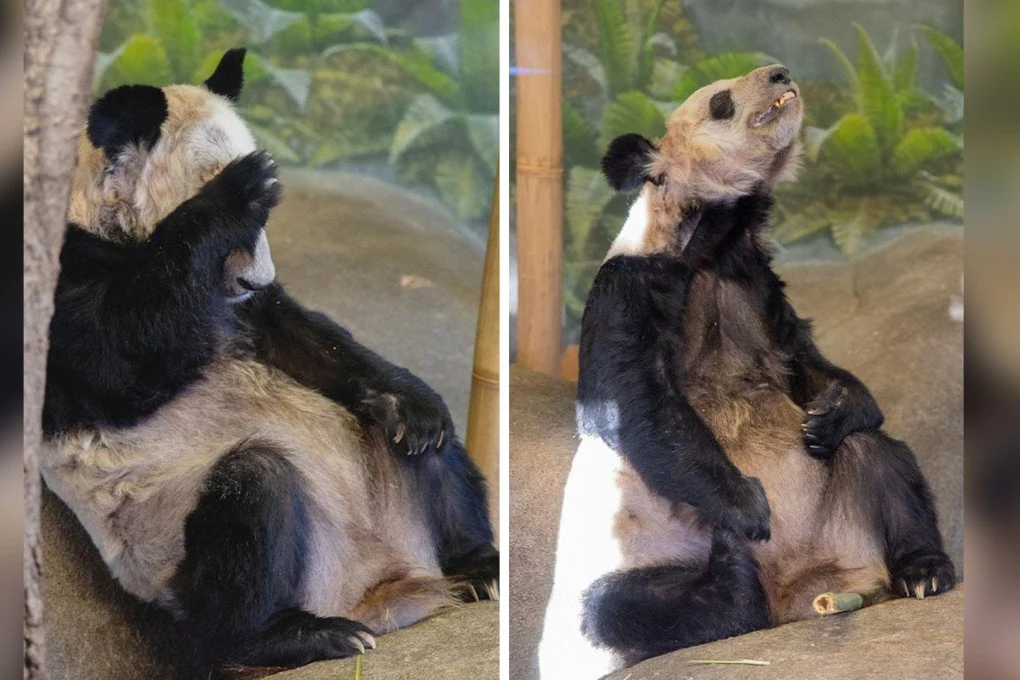
In 2024, Ya Ya was returned to China and placed under the care of the Beijing Zoo. At the time of her return, reports indicated that her condition had raised concerns. She weighed around 75 kilograms, which was considered low, especially for a panda of her age.
Her physical appearance also drew attention. Observers noted that her fur looked thin and patchy, and her overall condition appeared fragile.
These details quickly spread online, fueling concern among animal welfare advocates and the general public. Questions began to emerge about her treatment, her diet, and the conditions she had experienced.
However, what happened next would shift the narrative in a significant way.
A Transformation That Sparked Viral Attention
More than two years after her return, new videos released by the Beijing Zoo revealed a noticeably different Ya Ya. Her weight had increased to approximately 95 kilograms, placing her within what veterinarians described as a healthy range for an elderly panda.
Her body condition score improved significantly, moving from two out of five to four out of five. This is an important metric used by animal care professionals to assess overall health, including fat reserves, muscle tone, and general physical condition.
The visual difference was striking. Her body appeared fuller, her movements more stable, and her overall presence more vibrant.
These changes quickly became a trending topic on social media platforms, where users shared before and after comparisons. For many, the transformation was seen as evidence of recovery and improved care.
Understanding the Science Behind Panda Health
To fully understand the significance of Ya Ya’s transformation, it is important to consider the unique challenges of caring for giant pandas. These animals have highly specialized diets, primarily consisting of bamboo, which requires careful sourcing and preparation.
Their digestive systems are not fully adapted to process bamboo efficiently, meaning they must consume large quantities to meet their nutritional needs. This makes consistent access to high quality food essential.
Additionally, pandas can be sensitive to environmental changes, stress, and health conditions that affect their immune systems. In Ya Ya’s case, reports indicated that she had a chronic skin and fur condition linked to her immune system and hormonal fluctuations.
Such conditions can impact appearance without necessarily affecting overall quality of life. This distinction is important, as visual signs do not always reflect deeper health issues.
The Controversy That Divided Public Opinion
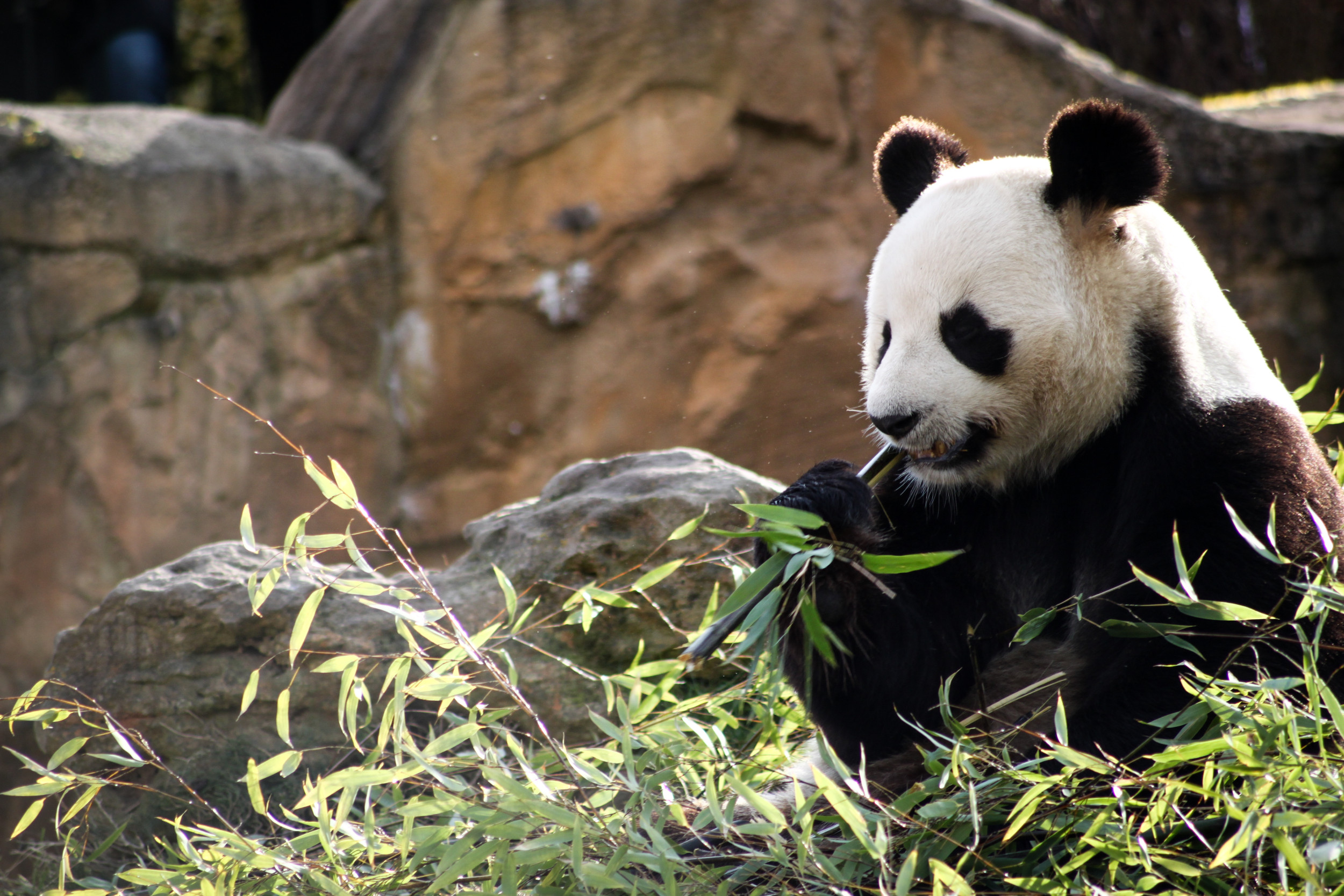
Before her return to China, Ya Ya’s condition had already become a subject of debate. Animal welfare activists raised concerns about her appearance, suggesting that she may not have been receiving adequate care.
These claims gained traction online, leading to widespread discussion and criticism. However, the Memphis Zoo strongly denied any mistreatment.
According to the zoo, Ya Ya’s physical characteristics were largely influenced by genetics and her pre existing medical condition. They emphasized that her health was regularly monitored and that her quality of life was not compromised.
The zoo also pointed to established protocols, including regular health reports and collaboration with Chinese authorities, to ensure transparency and proper care.
This divergence in perspectives highlights a broader issue in animal welfare discussions. Public perception is often shaped by visible factors, while scientific assessments rely on more detailed and technical evaluations.
The Loss of a Companion and Rising Tensions
The situation became even more sensitive following the death of Ya Ya’s mate, Le Le, in early 2023. Some activists linked his death to alleged mistreatment, further intensifying scrutiny of the zoo.
Both the Memphis Zoo and Chinese officials rejected these claims, stating that there was no evidence of negligence or improper care.
Despite these reassurances, the incident added emotional weight to the ongoing debate. It reinforced concerns among those who believed that pandas should not be kept far from their native environment.
At the same time, it underscored the challenges of managing public trust in situations where emotions and facts may not always align.
The Role of Social Media in Shaping the Narrative
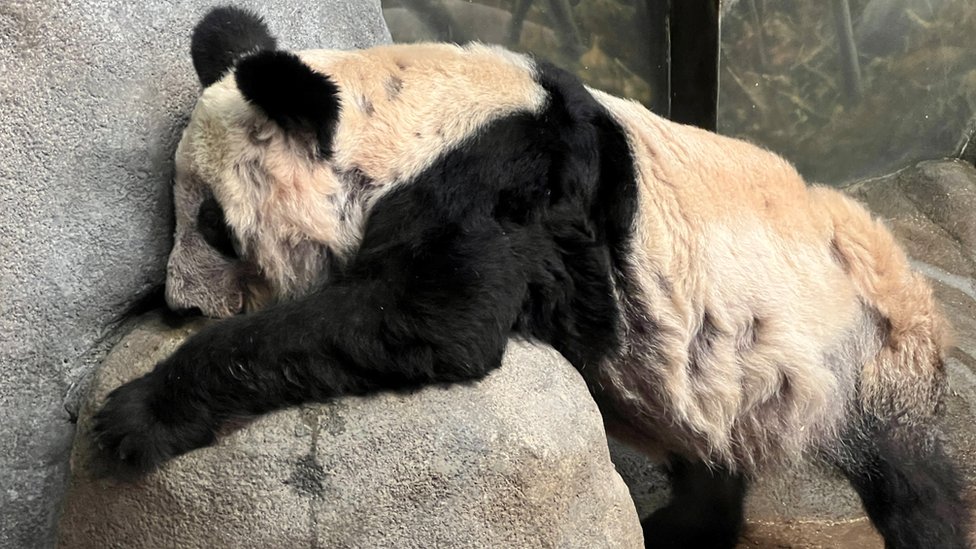
One of the most striking aspects of Ya Ya’s story is how quickly it spread and evolved online. Social media platforms played a central role in amplifying both concern and celebration.
Images, videos, and commentary circulated widely, allowing people from around the world to engage with the story in real time.
This level of visibility can be both powerful and complex. On one hand, it raises awareness and encourages accountability. On the other, it can lead to rapid conclusions based on limited information.
In Ya Ya’s case, social media transformed a local animal care issue into an international conversation about ethics, responsibility, and transparency.
A Symbol of Recovery or a Reflection of Larger Issues
For many observers, Ya Ya’s improved condition represents a positive outcome. It suggests that with proper care and attention, recovery is possible even after significant challenges.
However, the story also raises broader questions. What standards should be applied to animals in captivity. How should responsibility be shared between institutions across countries. And how can transparency be maintained in a way that builds trust.
These questions do not have simple answers. They require ongoing dialogue, scientific research, and a willingness to adapt practices as new information becomes available.
Ya Ya’s journey serves as a reminder that individual stories can reflect larger systemic issues.
What This Means for Global Conservation Efforts
Giant pandas are more than just animals. They are symbols of conservation, diplomacy, and international cooperation. Their care involves collaboration between countries, organizations, and experts.
The attention surrounding Ya Ya highlights the importance of maintaining high standards and clear communication in these efforts.
It also underscores the need for public understanding. Conservation is a complex field that balances scientific, ethical, and practical considerations.
By bringing these issues into the spotlight, stories like Ya Ya’s can contribute to more informed discussions about how best to protect and care for endangered species.
A Story That Continues to Evolve
Ya Ya’s transformation is not the end of her story. It is simply the latest chapter in a journey that has spanned continents and captured global attention.
As she continues to live in Beijing, her condition will likely remain a topic of interest. Observers will watch for further changes, improvements, or challenges.
At the same time, the broader conversation she has inspired will continue to evolve. It will influence how people think about animal care, conservation, and the responsibilities that come with it.
A Reminder of the Power of One Story
In the end, the story of Ya Ya is about more than one panda. It is about how a single narrative can bring together science, emotion, and public opinion.
It shows how quickly attention can shift, how perspectives can change, and how important it is to approach complex issues with both curiosity and care.
Whether seen as a story of recovery, controversy, or transformation, Ya Ya’s journey has left a lasting impression.
And in doing so, it has reminded the world that even the quiet life of a single animal can spark conversations that reach far beyond the zoo where it lives.