

Table of Contents
- Solitude and loneliness are not the same thing
- Later life often brings a new comfort with one’s own company
- Autonomy becomes more valuable with age
- Some men are not rejecting people, but protecting peace
- Living alone can still hold meaning, structure, and connection
- Peace can be chosen, but risk still has to be watched
- The deeper truth is about dignity, not disappearance
Solitude and loneliness are not the same thing
One of the biggest mistakes people make is treating solitude, living alone, loneliness, and social isolation as if they are interchangeable. They are not. Social isolation refers more to the objective lack of social contact, while loneliness is the subjective feeling of being emotionally disconnected. A person can live alone and feel content, and another person can be surrounded by family and still feel profoundly lonely. The National Institute on Aging makes this distinction directly, noting that many older adults live alone without being lonely or socially isolated, while some people feel lonely even when they are around others. That distinction matters when people talk about older men who seem to prefer a quieter life. If the man himself feels grounded, purposeful, and emotionally steady, his solitude may be less a warning sign than a lifestyle choice.
At the same time, the caution from aging researchers is important. The National Academies report on social isolation and loneliness in older adults stresses that both conditions are linked to poorer health outcomes and should not be romanticized. So the more responsible way to frame this conversation is not to claim that being alone is always good, but to recognize that chosen solitude can be deeply different from painful isolation. That distinction is exactly where many older men’s experiences tend to get flattened or misunderstood.
Later life often brings a new comfort with one’s own company

One of the strongest insights from research on solitude is that older adults often react to time alone differently than younger adults do. A 2022 study on solitude in adulthood and old age found that older adults experienced momentary states of being alone less negatively than younger adults. That does not mean every older person loves solitude. It means that with age, many people develop a greater tolerance for quiet, reflection, and self-directed time. The pressure to seek constant stimulation often weakens, and a person’s own company can begin to feel less like emptiness and more like stability.
That idea helps explain why some older men seem to lean into routines that outsiders misread as withdrawal. A morning coffee alone, an uninterrupted walk, a favorite chair at the same hour every evening, quiet reading, tinkering, gardening, or simply sitting in silence may look uneventful from the outside. But psychologically, these routines can become sources of predictability and emotional regulation. Research on older adults living alone suggests that routine and adaptation are often central to well-being, especially when daily life is organized around familiarity and control.
Autonomy becomes more valuable with age
For many men, especially those shaped by decades of responsibility, later life changes the meaning of freedom. Work roles shrink or end. Children grow up. Partnerships may evolve, end, or be interrupted by loss. A man who spent years as provider, protector, manager, or fixer may begin to value something very simple and rarely celebrated: autonomy. Research on older men living alone near the end of life found that many enjoyed their autonomous status and freedom despite widespread negative assumptions about them. This is a striking finding because it directly challenges the stereotype that older men who live alone are automatically tragic or abandoned figures.
That autonomy can show up in ordinary, practical ways. It can mean controlling one’s schedule without negotiation. It can mean eating when and what one wants, keeping the home uncluttered, deciding how money is spent, and managing emotional energy more carefully. These may sound like small things, but after decades of compromise and obligation, they can carry enormous psychological weight. Researchers who study the health and social lives of older adults consistently note that preserving a person’s ability to make decisions about his own life is essential to dignity and well-being. That makes it easier to understand why some older men do not experience solitude as deprivation at all. They experience it as regained authorship over daily life.
Some men are not rejecting people, but protecting peace
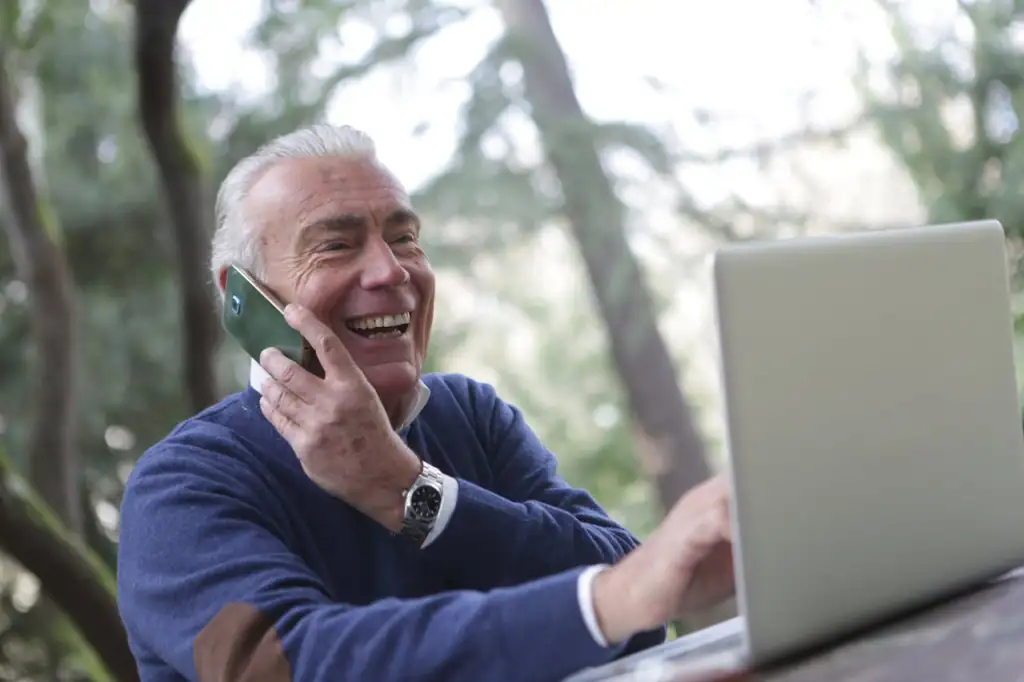
The cultural stereotype says that if an older man keeps to himself, he must be emotionally shut down. But qualitative research points to a different possibility. A 2022 study on loneliness, coping practices, and masculinities in later life found that older men living alone used a wide range of strategies to manage emotional life, identity, and connection. Some did experience loneliness, but their choices around time alone were not always passive or unhealthy. In many cases, they were trying to preserve dignity, avoid conflict, and cope with life changes in ways that felt manageable and self-respecting.
This is where the emotional complexity of later life becomes especially important. Some older men choose more solitude after divorce. Some do after widowhood. Some do after caregiving years, financial strain, or repeated disappointment in relationships. In such cases, quiet can become less a retreat from life than a boundary against further turbulence. It can be a way to reduce emotional noise, to keep routines steady, and to protect hard-won peace. That does not mean hurt has vanished. It means the person may be choosing stability over intensity. And from his own point of view, that choice may feel wise rather than sad.
Living alone can still hold meaning, structure, and connection
Another common misunderstanding is the idea that living alone means disengaging from everyone. In practice, many older men who live alone still maintain selective, meaningful ties. They may talk less, socialize less often, and avoid constant activity, but that does not mean they have no relationships. The issue is often not whether they are connected, but how they prefer to connect. The National Institute on Aging notes that many older adults spend more time at home alone as they age, yet this does not automatically make them socially isolated. Intentional social contact, even when infrequent, can still be emotionally significant.
Research on self-perceptions among older people living alone also suggests that adaptation strategies matter greatly. People often create meaning through manageable rituals, neighborhood familiarity, limited but trusted relationships, and a sense of competence in handling daily life. For some older men, that might include occasional time with grandchildren, phone calls with a sibling, a weekly coffee with a friend, volunteering, church, or a favorite local routine. The social world becomes smaller perhaps, but not necessarily emptier. In fact, some people prefer fewer obligations and more intentional bonds as they age.
Peace can be chosen, but risk still has to be watched

A careful article on this topic has to hold two truths at once. First, some older men genuinely do prefer more solitude, and that preference can be healthy, meaningful, and emotionally grounded. Second, researchers are right to warn that loneliness and social isolation can be dangerous in later life. The National Institute on Aging and the National Academies both point to links between loneliness or isolation and higher risks of depression, cognitive decline, heart disease, and other health problems. These risks are real, and they should not be ignored simply because independence looks dignified on the surface.
That is why the key question is not, “Is he alone?” The better question is, “How is he doing in that aloneness?” Does he seem emotionally settled or persistently distressed? Does he still have access to meaningful contact when needed? Is his solitude chosen, or is it the result of barriers such as mobility problems, grief, fear, lack of transportation, or limited support? The National Academies report specifically warns against assuming older adults are alone by choice without understanding the structures around them. A person may defend his independence while still quietly struggling. So respecting solitude should never mean ignoring signs of suffering.
The deeper truth is about dignity, not disappearance
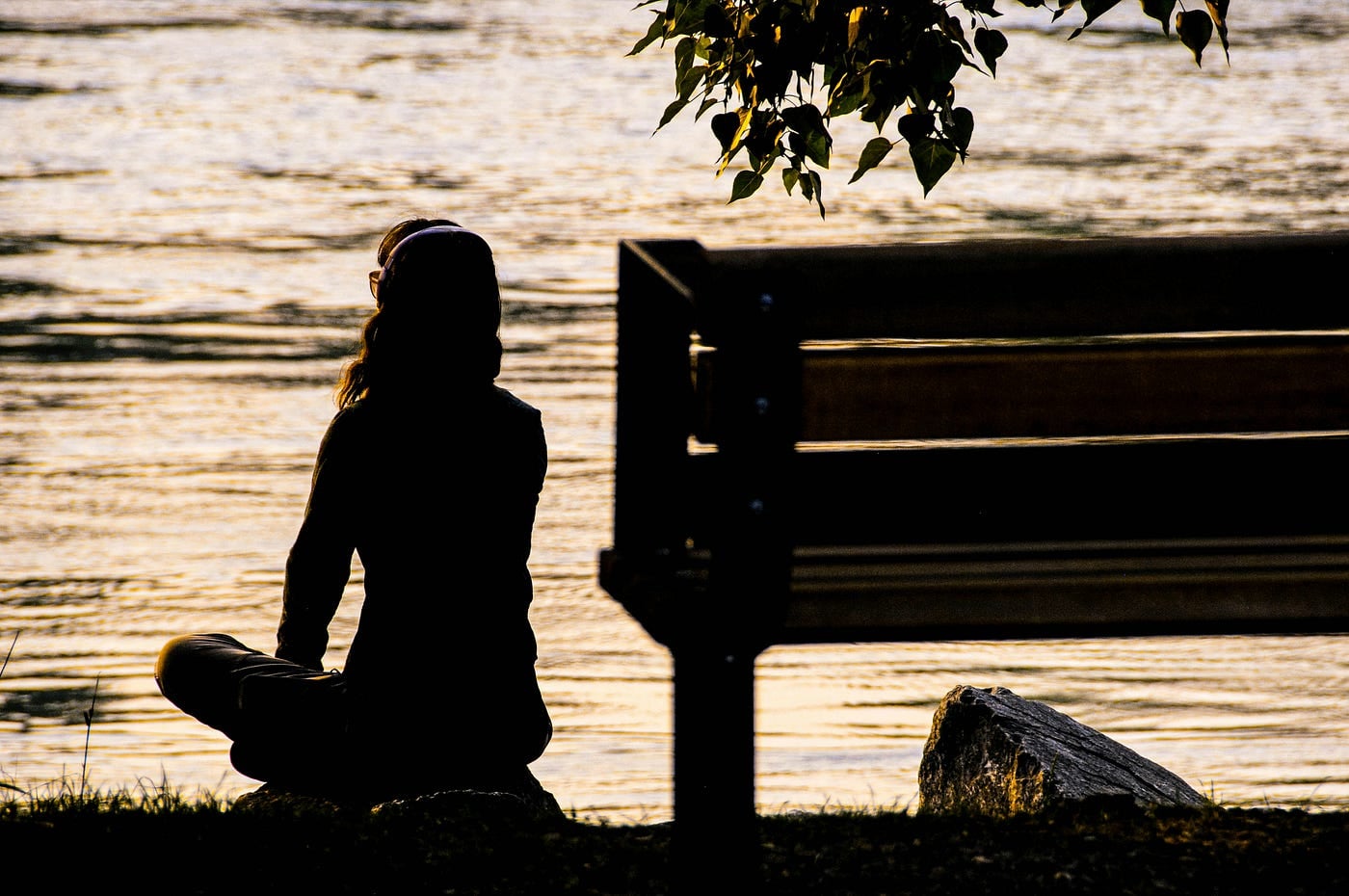
The larger cultural issue here is that society often values visible participation more than inward steadiness. An older man who still fills his calendar, keeps up appearances, and performs sociability is easier for others to understand. An older man who narrows his world and seems content in it is harder to read. People often project sadness onto him because they fear silence themselves. But the research suggests that later life can bring not just loss, but refinement. Preferences sharpen. Noise becomes tiring. Time feels more precious. The self no longer wants to be scattered in every direction. In that context, solitude can become not a vacuum, but a form of alignment.
Seen this way, the quiet older man is not always fading. Sometimes he is editing. He is letting go of performative busyness, low-value obligations, and relationships that demand more than they nourish. He may not need the room to notice him. He may simply need the room to breathe. That choice deserves a more mature interpretation than the usual language of pity or decline. It deserves curiosity, respect, and discernment.
In the end, the quiet truth is not that older men inevitably prefer being alone. It is that some do, and when they do, the choice may come from strength rather than surrender. Solitude in later life can reflect comfort in one’s own company, a deepened taste for autonomy, the healing power of routine, and the desire to protect peace after years of pressure. But that truth only remains honest if it is paired with another one: loneliness still harms, and real isolation still needs attention. The challenge is not to glorify solitude or fear it, but to understand it. For many older men, the goal is not to disappear from life. It is to live it more deliberately, more quietly, and perhaps for the first time in a long while, more fully on their own terms.