
Table of Contents
- A Sci-Fi Dream Becomes Reality in Japan
- The Design Behind the XTURISMO: Combining Power and Aesthetics
- A Dream of Air Mobility: Bringing Sci-Fi to Life
- The XTURISMO’s Limited Availability: Test Rides Only for Now
- The Technology Behind the XTURISMO: A Peek into the Future of Transportation
- Environmental Considerations and the Future of Air Mobility
- The Cost of Innovation: Is the XTURISMO Worth It?
- The Global Buzz: Can the XTURISMO Become Mainstream?
- The XTURISMO and the Future of Transportation
- Conclusion: XTURISMO and the Road to the Skies
- Closing Thoughts:
A Sci-Fi Dream Becomes Reality in Japan
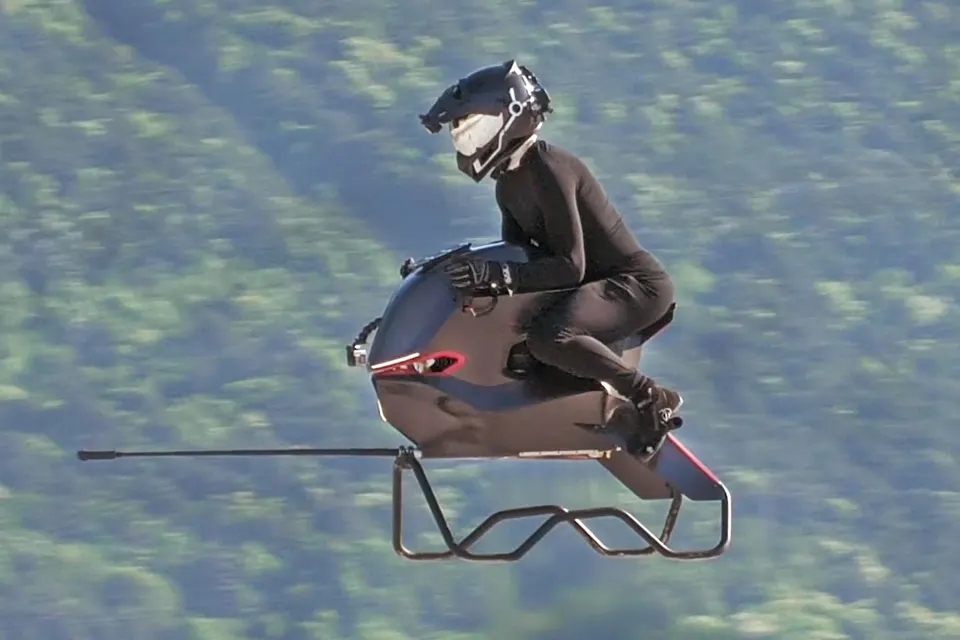
When news broke that Japan had unveiled the world’s first “flying bike,” it captured the imagination of science fiction fans and tech enthusiasts alike. Priced at a staggering $500,000, the XTURISMO luxury air cruiser promises to bring the fantasy of personal flight one step closer to reality. Developed by the Japanese aircraft company AERWINS, the XTURISMO is inspired by the iconic speeder bikes of Star Wars, blending futuristic technology with cutting-edge design. This new mode of transportation is being hailed as a revolutionary leap in air mobility, ushering in a new era of personal flying vehicles.
The XTURISMO is not just a vehicle; it’s a statement of what’s possible when human ingenuity meets ambition. But at the hefty price tag of half a million dollars, it raises important questions about the future of personal air travel and how these innovations could impact transportation, mobility, and our daily lives.
The Design Behind the XTURISMO: Combining Power and Aesthetics
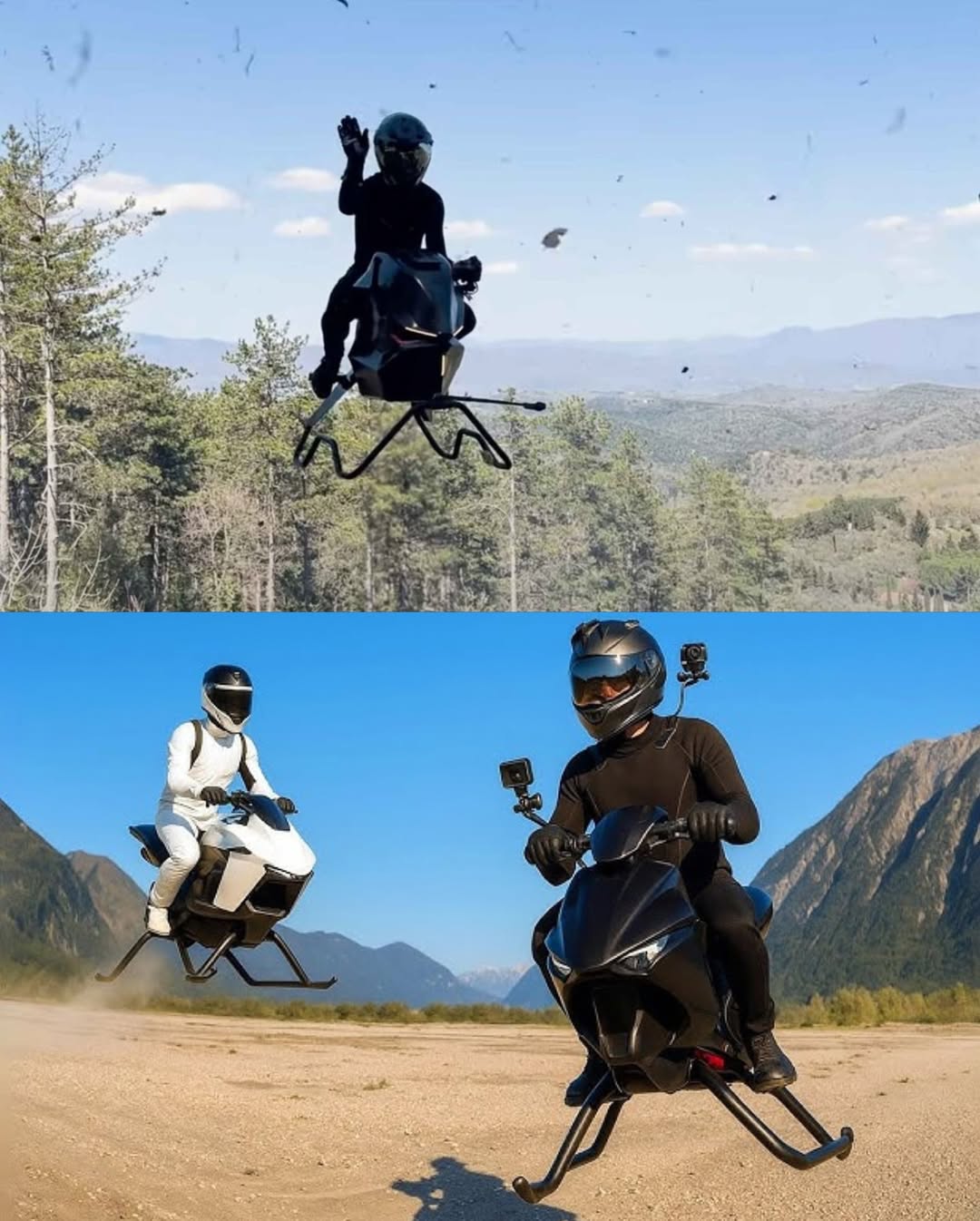
The XTURISMO is a sleek, 12-foot-long, 661-pound vehicle that is as much a marvel of design as it is of functionality. Powered by a combination of two large central rotors and a 228-horsepower, gas-fueled Kawasaki motor, the bike can reach speeds of up to 62 miles per hour. Its four electrical battery-powered fans provide additional stability, making it a safer and smoother ride.
AERWINS has drawn inspiration from the graceful, agile manta rays that glide effortlessly through water to design a vehicle that minimizes resistance while maximizing power. The result is a lightweight, futuristic machine that promises an exhilarating experience for those brave enough to take it to the skies. The XTURISMO’s design bears a striking resemblance to the speeder bikes seen in Star Wars: Return of the Jedi, where Luke Skywalker and Princess Leia navigate the forests of Endor.
A Dream of Air Mobility: Bringing Sci-Fi to Life
AERWINS has marketed the XTURISMO as a manifestation of the dream of air mobility, offering a glimpse into a future where personal flight becomes as commonplace as driving a car. “Imagine a world where humans have free reign over the skies,” reads the official description. “Life would be more free, and transportation would be redefined.”
This vision is not just about novelty; it’s about paving the way for new possibilities in personal and commercial air transport. While the XTURISMO is currently available only in Japan, it is seen as a stepping stone toward a future where air mobility is integrated into everyday life. Whether for recreation, emergency response, or simply getting from point A to point B, flying bikes could soon become part of the global transportation landscape.
The XTURISMO’s Limited Availability: Test Rides Only for Now
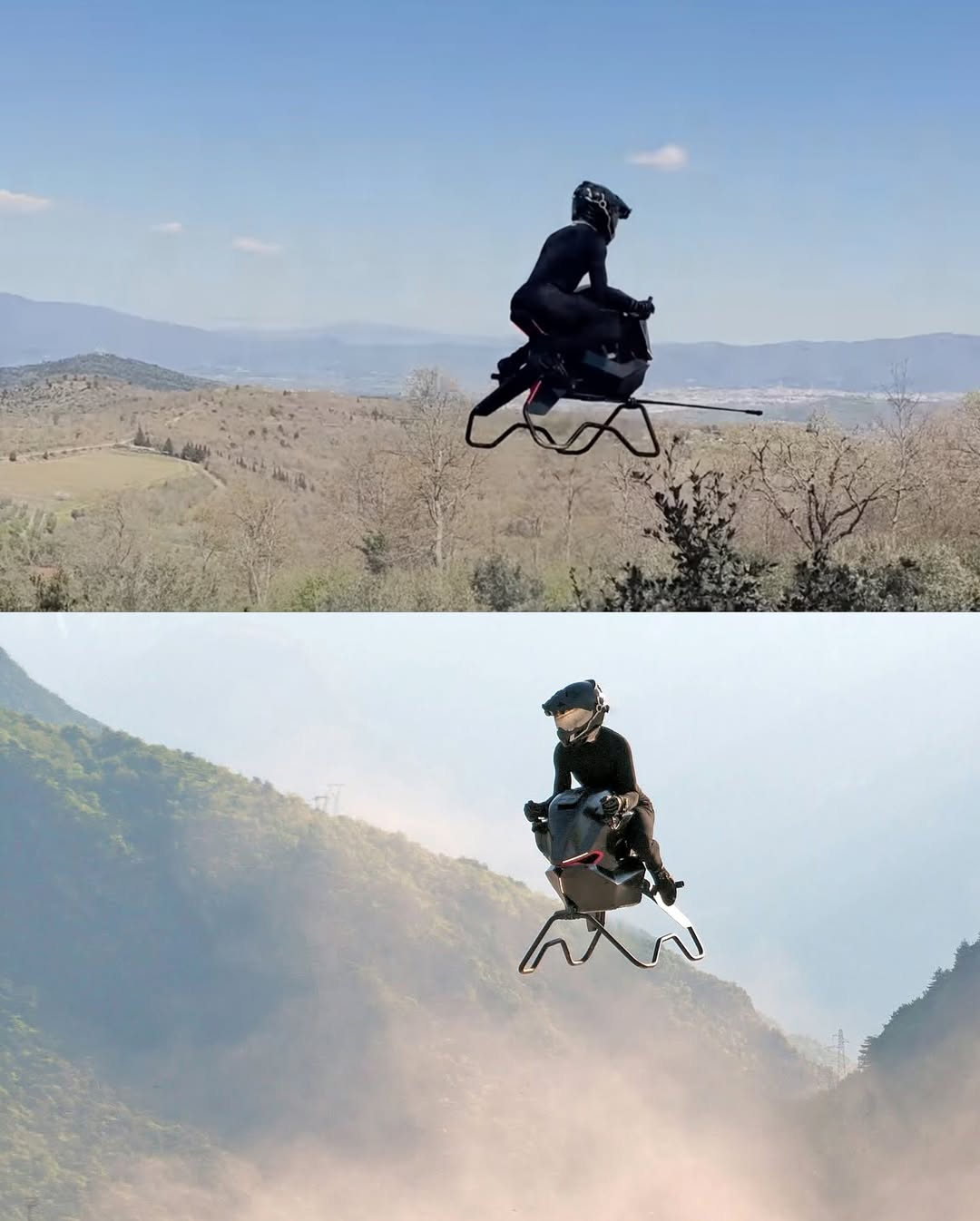
As exciting as the release of the XTURISMO is, it is important to note that, for now, the flying bike is available only for test rides in Japan. Buyers cannot yet take it for a spin in their own backyards. The vehicle is currently limited to being used on a closed race track, making it a rare and exclusive experience for those fortunate enough to try it.
Despite this limitation, the XTURISMO has already generated significant interest, with the company reporting numerous inquiries and orders from around the world. The initial public demonstration at the Top Marques Monaco conference in 2022 and the vehicle’s performance at the Detroit Auto Show only added to its buzz. However, for now, those hoping to get their hands on a flying bike will have to wait until production ramps up, and availability expands beyond Japan.
The Technology Behind the XTURISMO: A Peek into the Future of Transportation
The XTURISMO is not just a technological marvel; it also represents the growing trend of personal flying vehicles. While the vehicle’s design and price tag may seem exorbitant to some, the technology behind it could have wide-ranging implications. As AERWINS pushes forward with its vision, the company is also exploring applications for the XTURISMO in rescue operations, disaster relief, and infrastructure inspections.
The vehicle’s small size, impressive speed, and hovering ability make it an ideal candidate for tasks that traditional vehicles, including helicopters, cannot perform as efficiently. Its lightweight build and stability are key features that could make it a valuable tool for a variety of industries. As the development of flying vehicles continues, it could redefine how we think about mobility and the environment in which we live and work.
Environmental Considerations and the Future of Air Mobility

As with any new form of transportation, the environmental impact of flying bikes must be considered. While the XTURISMO is a step toward the future of air mobility, it raises important questions about sustainability. Will these flying bikes run on clean energy sources, or will they continue to rely on traditional fuel sources? How will widespread use of such vehicles affect traffic patterns, airspace management, and carbon emissions?
AERWINS has yet to address the environmental concerns surrounding the XTURISMO, but it is clear that the future of personal air transport will need to find sustainable solutions. Just as electric vehicles are reshaping the automotive industry, flying vehicles will need to evolve to meet the demands of a planet concerned with climate change and environmental preservation. How the XTURISMO and similar vehicles address these challenges will play a key role in their broader acceptance.
The Cost of Innovation: Is the XTURISMO Worth It?
At a price tag of nearly $555,000, the XTURISMO is clearly a luxury item. It’s not meant for the average consumer, but for those with deep pockets and a desire to be at the forefront of cutting-edge technology. AERWINS has positioned the vehicle as a “luxury air cruiser,” and it is clear that the XTURISMO is aimed at a niche market.
For the everyday consumer, however, the high cost and limited availability make it an impractical option. But that’s part of the allure. The XTURISMO is a symbol of the future, and owning one represents more than just having a new mode of transportation—it’s about being part of a revolution in mobility. As AERWINS moves forward, the company hopes to bring this dream of air mobility to a broader audience, making flying bikes more accessible in the future.
The Global Buzz: Can the XTURISMO Become Mainstream?
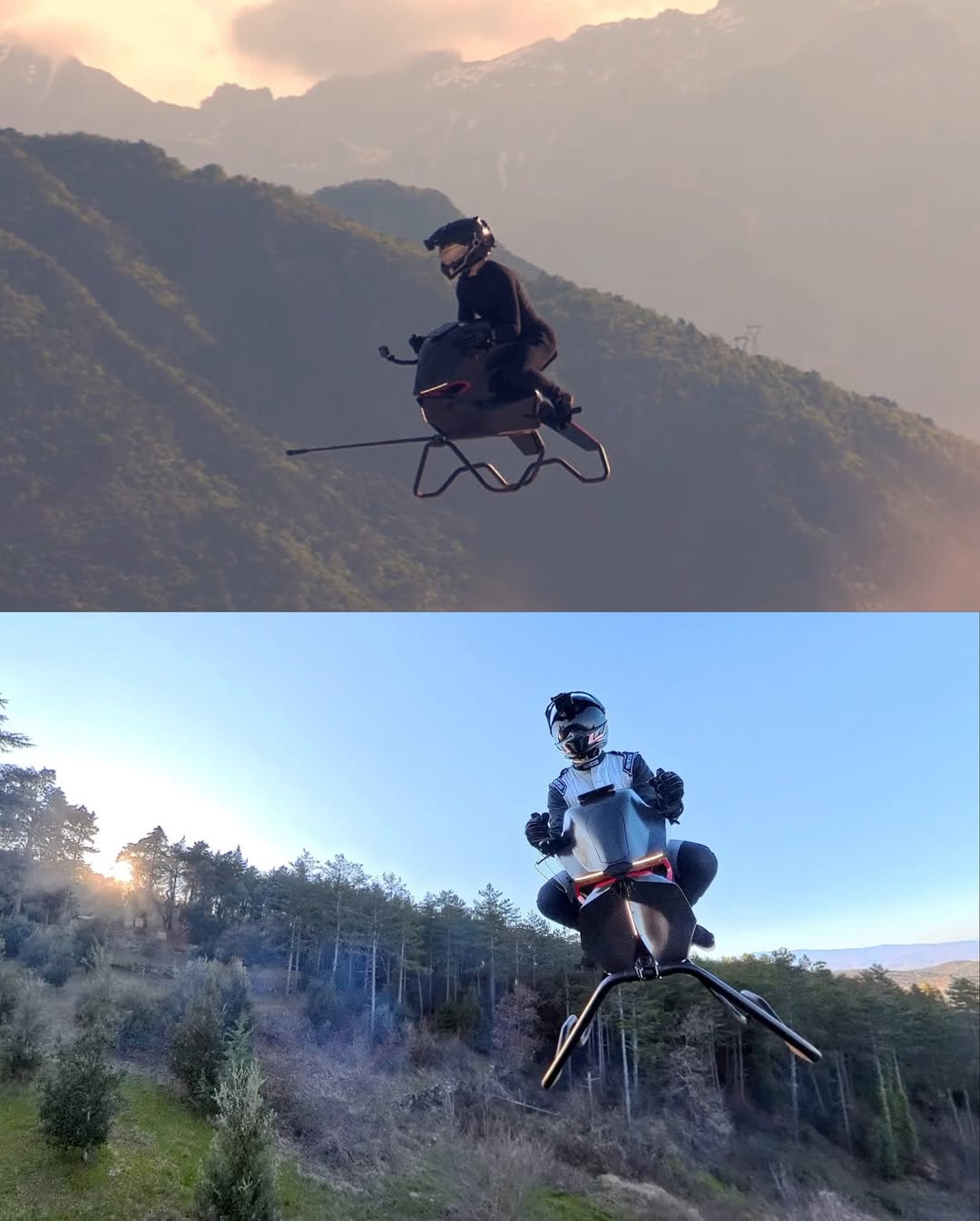
Despite the XTURISMO’s current high price and limited availability, the global buzz surrounding it suggests that flying bikes could become a mainstream form of transport in the future. AERWINS is not the only company working on flying vehicles, and as more companies enter the market, we are likely to see prices drop and technologies improve.
In the coming years, it’s possible that we will see flying bikes become more affordable and widely available. While it’s unclear when this will happen, the XTURISMO serves as an important milestone in the development of air mobility. With companies like AERWINS leading the charge, we could be on the cusp of a transportation revolution.
The XTURISMO and the Future of Transportation
The XTURISMO flying bike is an exciting glimpse into what the future of transportation might look like. Although it is currently limited to test rides and a high price tag, its release signals a shift in the way we think about mobility. As technology advances, personal air transportation may no longer be a dream, but a reality.
From its “Star Wars”-inspired design to its real-world applications in rescue and disaster relief, the XTURISMO offers a tantalizing look at a future where humans can travel freely through the skies. Whether or not the XTURISMO will become a common sight on roads and skies remains to be seen, but its impact on the development of air mobility is undeniable.
Conclusion: XTURISMO and the Road to the Skies

As the XTURISMO continues to spark conversations around the world, one thing is clear: the dream of flying bikes is no longer science fiction. While the vehicle’s high cost and limited availability make it a luxury item for now, it is a testament to what is possible when science and imagination collide. The future of air mobility is just beginning, and the XTURISMO is leading the way toward a new era of transportation.
Closing Thoughts:
The XTURISMO is just the beginning of what promises to be an exciting future of personal air transportation. As the technology evolves, we can expect more affordable and accessible flying vehicles to hit the market, reshaping the way we move and interact with the world. With the potential to revolutionize travel, rescue operations, and disaster relief, the XTURISMO is a glimpse into a future where the skies are no longer out of reach.