
Table of Contents
- Russia’s Bold Push to Combat Aging with Groundbreaking Gene Therapy
- The Science Behind the Anti-Aging Vaccine: RAGE and Its Role in Cellular Aging
- The Development of the Drug: Russia’s Bold Vision for Longevity
- The National Importance of Longevity Research: Russia’s Strategic Move
- How the Anti-Aging Vaccine Could Impact Global Healthcare
- Ethical and Societal Implications of Anti-Aging Research
- Russia’s Ambitious Timeline: What’s Next for Anti-Aging Research?
- The Future of Anti-Aging Medicine: What It Means for Humanity
- Conclusion: A New Era of Longevity Research
- Closing Thoughts:
Russia’s Bold Push to Combat Aging with Groundbreaking Gene Therapy
When news broke that Russia is developing a gene therapy drug aimed at combating aging, the world took notice. The experimental treatment, which focuses on blocking a specific receptor linked to the aging process, could revolutionize the way we approach aging. Developed by researchers from the Institute of Aging Biology and Medicine, this breakthrough is part of Russia’s larger effort to address its rapidly aging population and its implications for national health.
The research, led by Denis Sekirinsky, Russia’s Deputy Minister for Science and Higher Education, has sparked global interest, with officials hailing it as a monumental step toward extending human life. The key to this anti-aging vaccine lies in targeting the RAGE (Receptor for Advanced Glycation Endproducts) gene, which is believed to be responsible for initiating cellular aging. By blocking this gene, researchers hope to slow down or even reverse the biological processes that lead to aging, thus prolonging human health and vitality.
The Science Behind the Anti-Aging Vaccine: RAGE and Its Role in Cellular Aging
At the heart of this new anti-aging therapy is the RAGE receptor, a molecule that plays a critical role in the development of age-related diseases. As people age, the RAGE receptor becomes increasingly activated, triggering a cascade of biological processes that accelerate aging at the cellular level. This activation leads to inflammation, cellular stress, and the eventual breakdown of tissues in the body, contributing to many of the chronic conditions associated with aging.
By developing a treatment that blocks the RAGE receptor, Russian scientists believe they can mitigate these processes, extending the functional lifespan of cells. This gene therapy would be the first of its kind, specifically designed to target the molecular root of aging rather than merely addressing its symptoms. If successful, this treatment could have far-reaching implications for medicine, from slowing the progression of age-related diseases like Alzheimer’s to potentially reversing the signs of aging itself.
The Development of the Drug: Russia’s Bold Vision for Longevity
The anti-aging gene therapy is being developed under the New Technologies for Health Preservation National Project, which was launched in 2025. This initiative, part of a broader effort to combat Russia’s demographic decline, has received significant funding, with a budget of over 2 trillion rubles ($26.4 billion). The project is being carried out by the Institute of Aging Biology and Medicine, a leading Russian research institute dedicated to studying the biological mechanisms of aging.
According to Sekirinsky, the goal of this project is to create “the world’s first gene therapy drug” to block the RAGE receptor. The focus is on addressing the root causes of aging at the cellular level rather than simply treating the symptoms of aging. By targeting the RAGE receptor, the researchers aim to slow down the biological clock, offering the possibility of extending healthy human lifespans by reducing cellular damage.
The National Importance of Longevity Research: Russia’s Strategic Move
Longevity research has become a priority for Russia, particularly in light of its aging population and the demographic challenges the country faces. According to the Russian Ministry of Health, the average life expectancy for Russian men is only 67 years, significantly lower than many other developed nations. This aging population has placed a considerable strain on Russia’s healthcare system and its economy.
By investing heavily in anti-aging research, Russia aims to address these challenges by increasing life expectancy and improving the overall health of its population. The success of the anti-aging vaccine could have profound implications for the country’s long-term health policy, reducing the burden of age-related diseases and improving the quality of life for millions of Russians.
The Russian government sees this research as crucial not just for public health, but also for the country’s economic future. As the global population ages, the demand for solutions to extend healthy lifespans is expected to grow. By positioning itself at the forefront of this field, Russia could not only improve the lives of its citizens but also become a global leader in longevity research.
How the Anti-Aging Vaccine Could Impact Global Healthcare
The potential impact of this anti-aging vaccine extends far beyond Russia. If successful, the treatment could be applied globally, benefiting people worldwide who suffer from the effects of aging. From a medical perspective, slowing or reversing the aging process could dramatically reduce the prevalence of chronic diseases such as heart disease, diabetes, and neurodegenerative conditions like Alzheimer’s.
The anti-aging drug could also shift the way we approach healthcare, moving from a model focused on managing diseases to one that emphasizes prevention and longevity. This paradigm shift could lead to a greater focus on maintaining the health of older adults, potentially reducing the need for costly interventions as people live longer, healthier lives.
Additionally, the introduction of a viable anti-aging treatment could revolutionize industries related to eldercare, pharmaceuticals, and biotechnology, creating new opportunities for growth and innovation. As the global population ages, there will be an increasing demand for treatments that help people live longer, healthier lives, and Russia’s gene therapy could be at the center of this revolution.
Ethical and Societal Implications of Anti-Aging Research
While the promise of extending human life is exciting, the development of anti-aging treatments raises several ethical and societal questions. One of the primary concerns is how such treatments would be distributed and who would have access to them. In a world where healthcare inequalities already exist, there is a fear that only the wealthiest individuals or countries will have access to life-extending treatments, exacerbating existing social and economic divides.
Moreover, the idea of extending human life through genetic modifications raises questions about the natural limits of human aging and the consequences of altering the human lifespan. Could extending life lead to overcrowding, resource depletion, and other unintended consequences? These are important questions that must be addressed as the technology develops.
Another concern is the potential for misuse of the technology. If gene therapies become widely available, how will society ensure that they are used responsibly? There is a need for strict regulations and oversight to ensure that these treatments are used ethically and for the benefit of society as a whole.
Russia’s Ambitious Timeline: What’s Next for Anti-Aging Research?
The Russian government has set ambitious goals for its anti-aging research. According to Deputy Prime Minister Tatyana Golikova, Russia plans to begin producing an anti-aging drug between 2028 and 2030. This timeline reflects the country’s determination to become a leader in the field of longevity research and to offer new solutions for its aging population.
While the development of the anti-aging vaccine is still in the early stages, Russia’s commitment to funding and advancing this research is clear. The project is part of a broader push to expand domestic biotechnology research and reduce Russia’s dependence on foreign medical technologies. With the backing of the Russian government and the support of prominent scientists, the anti-aging vaccine could become a reality within the next few years.
The Future of Anti-Aging Medicine: What It Means for Humanity
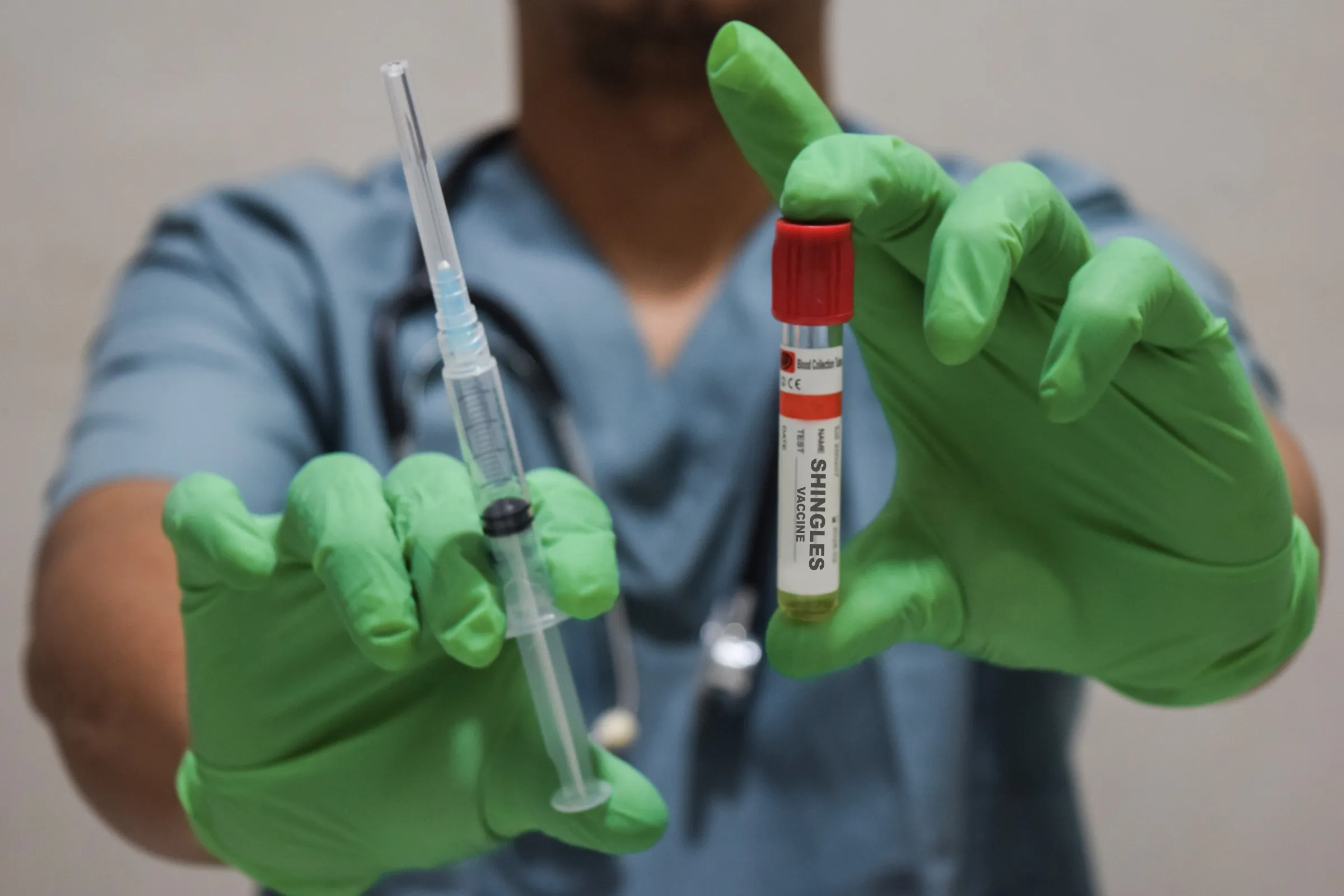
As we look to the future, the development of anti-aging treatments could change the course of human history. By understanding the mechanisms of aging and developing treatments to slow or reverse these processes, we could extend human lifespans and improve the quality of life for millions of people. Russia’s anti-aging vaccine is just one example of how biotechnology could reshape the future of healthcare.
However, as with any new technology, there are risks and challenges that must be carefully considered. As researchers continue to explore the possibilities of anti-aging medicine, it will be important to address the ethical, social, and environmental implications of these advancements. The potential to extend life is exciting, but it must be approached with caution and responsibility.
Conclusion: A New Era of Longevity Research
Russia’s development of an anti-aging vaccine marks a significant milestone in the fight against aging and age-related diseases. By targeting the RAGE receptor, researchers are attempting to unlock the secrets of cellular aging and extend healthy lifespans. While the project is still in its early stages, the potential implications for healthcare and society are vast. As the world’s population continues to age, the need for innovative solutions to extend life and improve health will only grow. Russia’s ambitious anti-aging research could pave the way for a new era of longevity medicine, offering hope to millions of people around the world.
Closing Thoughts:

The development of anti-aging therapies is not just a scientific breakthrough—it’s a glimpse into a future where aging may no longer be an inevitable part of life. With further research and advancements, this technology could change the way we live, work, and age, opening up new possibilities for human longevity.