

Table of Contents
- Who Was Harold Moore? A Life Stolen
- The Turning Point: A Breakthrough in DNA Technology
- The Emotional Impact of Moore’s Exoneration
- A System That Failed: The Question of Accountability
- The Role of Legal Advocacy: Fighting for Moore’s Freedom
- What This Means for the Future: The Hope of Reform
- Conclusion: The Power of Technology and Justice
Who Was Harold Moore? A Life Stolen
Harold Moore’s life as he knew it was stolen on a cold night in 1987. He was wrongfully convicted of the brutal murder of 19-year-old Jennifer Tavares, who was found stabbed to death in her Tampa apartment. The prosecution’s case was weak, built primarily on circumstantial evidence, but Moore was sentenced to life in prison. Over the years, Moore maintained his innocence, insisting that he was wrongly accused, but his pleas fell on deaf ears.
For over three decades, Moore’s story remained buried in the shadow of his conviction. Meanwhile, the real murderer went free, and the case went cold. Yet, in 2023, advances in forensic DNA technology, particularly genetic genealogy, would shine a new light on the case and ultimately lead to the unraveling of Moore’s wrongful conviction.
The Turning Point: A Breakthrough in DNA Technology
The breakthrough came when investigators, prompted by a new push for justice, decided to revisit Moore’s case. They had access to the original physical evidence — including blood samples found at the crime scene — which had long been thought to have gone cold. Advances in DNA technology, especially the development of genetic genealogy, allowed authorities to connect the crime scene evidence to a suspect with a criminal history.
This discovery led investigators to identify a previously unknown individual, someone who had been overlooked in the original investigation. DNA analysis confirmed that this man, whose identity is being withheld for privacy reasons, was the true perpetrator. The revelation turned the case upside down, exposing glaring flaws in the initial investigation and trial that had wrongfully convicted Moore.
The Emotional Impact of Moore’s Exoneration
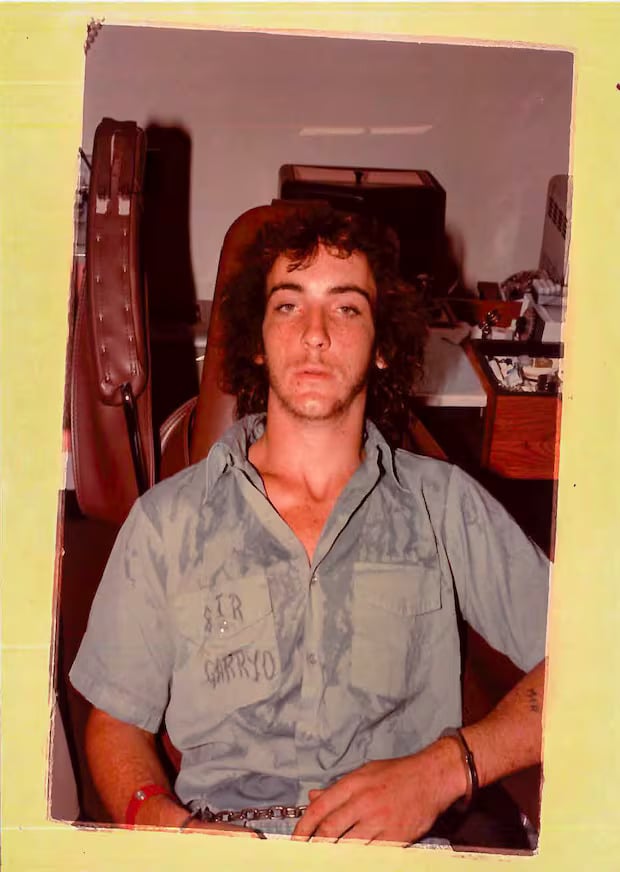
The emotional toll on Moore and his family was unimaginable. Thirty-five years spent behind bars for a crime he didn’t commit. A life stolen, friendships shattered, and moments of freedom irretrievably lost. But in a surprising turn of events, Moore was released from prison in 2023, after the newly discovered DNA evidence was presented in court. His exoneration was met with mixed emotions — relief, anger, and an overwhelming sense of injustice.
For Moore, the moment of his release was bittersweet. Although he was finally free, the years lost could never be reclaimed. Moore’s family, too, struggled with the psychological scars left by the wrongful conviction. They expressed profound grief for the years they had lost with their loved one but found solace in the knowledge that the truth had prevailed.
A System That Failed: The Question of Accountability
Moore’s case has reignited concerns about the flaws in the justice system. Many have pointed to the critical errors made by law enforcement and prosecutors during the original investigation. Critics argue that racial biases and tunnel vision may have played a role in Moore’s conviction, especially given the lack of physical evidence linking him to the crime.
Moreover, the case has shed light on the crucial role that forensic DNA evidence plays in modern-day criminal justice. In a time when DNA testing can be a decisive factor in solving cold cases and preventing wrongful convictions, why was Moore’s case mishandled for so long? This case has spurred calls for greater transparency, accountability, and reform in the justice system to ensure that no more innocent people suffer the same fate as Moore.
The Role of Legal Advocacy: Fighting for Moore’s Freedom
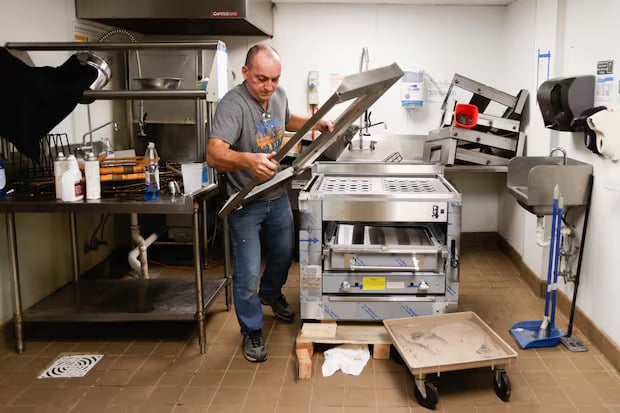
The road to justice was long and difficult for Moore. His legal team, comprised of dedicated advocates, spent years fighting for a new trial and the chance to clear his name. Despite the overwhelming evidence of his innocence, Moore’s case highlights the challenges faced by those who are wrongfully convicted, especially in the absence of resources or legal support.
Advocacy groups like the Innocence Project played a key role in the reinvestigation of Moore’s case. Their tireless efforts to prove his innocence and uncover the truth are a testament to the power of legal advocacy and the importance of supporting those who fight for justice.
What This Means for the Future: The Hope of Reform

Moore’s exoneration is more than just a personal victory — it’s a symbol of hope for others who may be wrongfully imprisoned. As DNA technology continues to evolve, there is a growing hope that more individuals who have been unjustly convicted can be exonerated. The case also serves as a reminder that justice, though often slow, is sometimes achievable — even if it takes decades.
This case has led to renewed discussions about the criminal justice system’s use of forensic science. Advocates are calling for reforms to ensure that technology, like genetic genealogy, is applied in a way that upholds justice and prevents errors from devastating innocent lives.
Conclusion: The Power of Technology and Justice
Harold Moore’s journey to freedom has underscored the incredible power of science and technology in the pursuit of justice. His case has reignited important conversations about the flaws in the criminal justice system and the need for accountability and reform. As Moore steps into a future that once seemed impossible, his story is not just one of personal redemption, but a cautionary tale for those who believe that justice is always swift and infallible.
It is a reminder that the truth can take time, but in the end, it will always prevail. What does Moore’s story tell us about the importance of pushing for justice, especially in cases where the evidence is overlooked or ignored? It teaches us that we must continue to advocate for those whose voices have been silenced by flawed systems, and work toward a future where no one is wrongfully convicted again.