
Table of Contents
A Bold and Controversial Statement
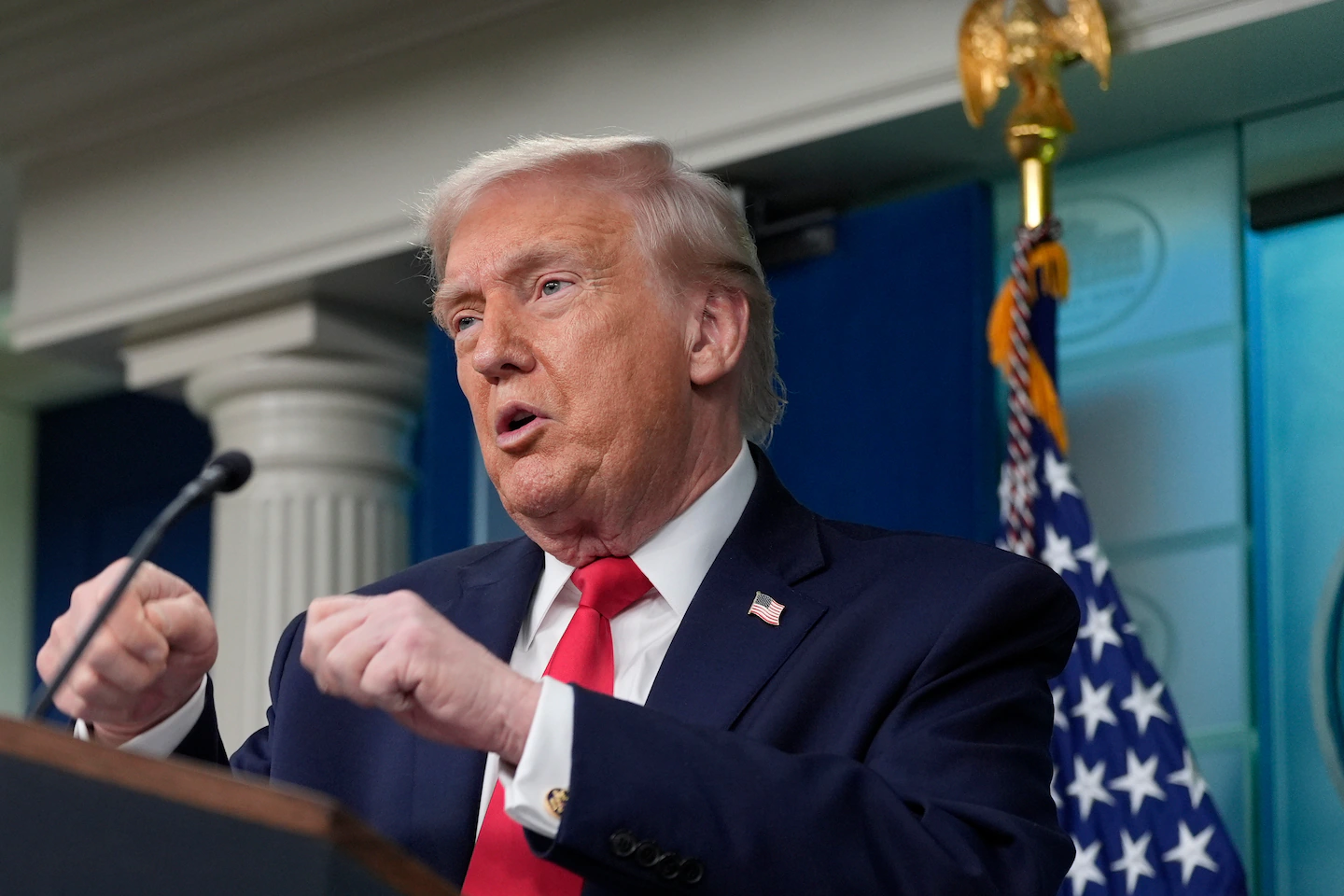
When Donald Trump made headlines with his latest controversial statement, declaring that NATO posed a greater threat to the U.S. than Russia and China, the world took notice. The remark, which came during a speech at a high-profile international gathering, sparked debates across political and diplomatic circles. While Trump has long been critical of NATO, this bold claim caught many by surprise, raising questions about the future of U.S. foreign policy and its long-standing alliances. What follows is an exploration of this statement’s implications, both in the context of global diplomacy and the changing landscape of international relations.
The NATO Debate: Trump’s Longstanding Critique
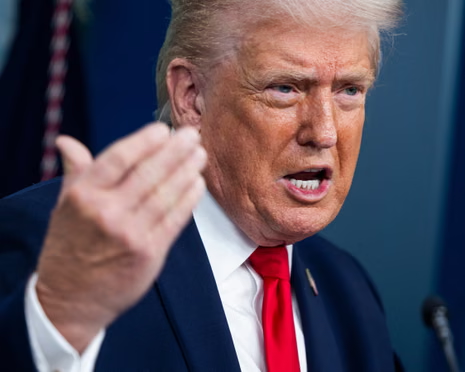
Throughout his political career, Trump has expressed skepticism about NATO, questioning its relevance and criticizing its financial structure. He’s argued that the U.S. has shouldered an unfair share of the alliance’s costs and has called for NATO members to contribute more to its upkeep. However, this new claim goes beyond financial concerns and touches on geopolitical strategy, positioning NATO as a larger threat than two of the U.S.’s most formidable adversaries. This shift in rhetoric raises alarms about the potential reevaluation of U.S. priorities on the global stage.
Key Context:
- Trump’s Relationship with NATO: For years, Trump has been vocal about NATO’s deficiencies, often calling for reforms and pushing member countries to meet their defense spending targets.
- Geopolitical Shift: By elevating NATO to a greater adversary than Russia or China, Trump seems to be signaling a more isolationist stance in U.S. foreign policy, focusing on national interests over traditional alliances.
The Impact of Trump’s Remarks on U.S. Foreign Policy
Trump’s statement is not merely rhetoric; it signals a deeper shift in U.S. foreign policy. The U.S. has been a key player in NATO since its founding, and the alliance has played a significant role in maintaining peace and security in Europe and beyond. However, with this new critique, Trump calls into question the U.S.’s commitment to the alliance and the broader Western world order. The statement also raises important questions about how NATO will adjust to a U.S. that may no longer prioritize collective defense.
Key Events:
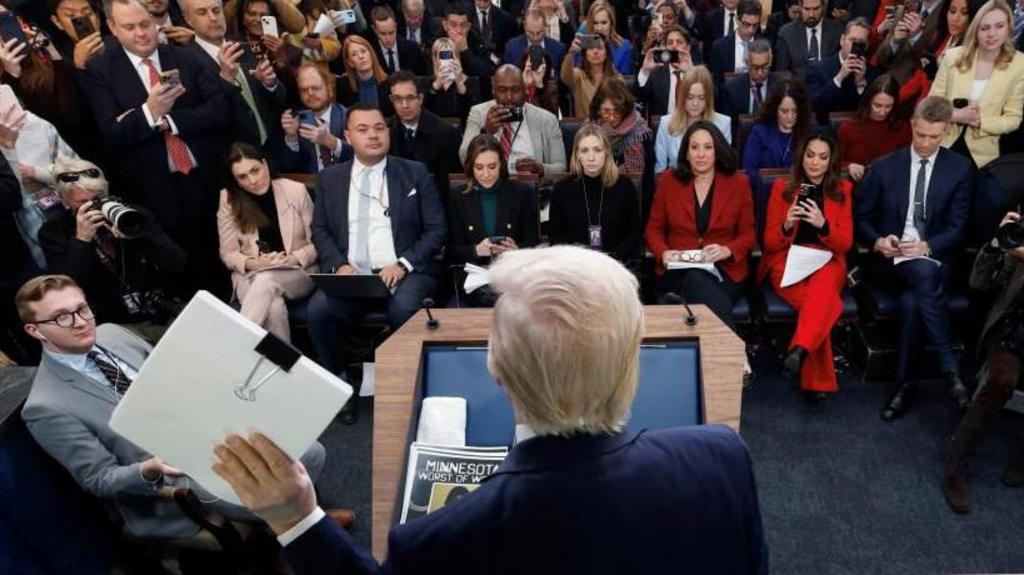
- January 2026: Trump delivers a speech in Minnesota, reiterating his belief that NATO’s existence is detrimental to U.S. interests.
- Global Reactions: World leaders and political analysts are divided on how to interpret Trump’s remarks. Some see them as a call for a stronger, more self-reliant America, while others view it as a dangerous undermining of a vital security framework.
Russia and China
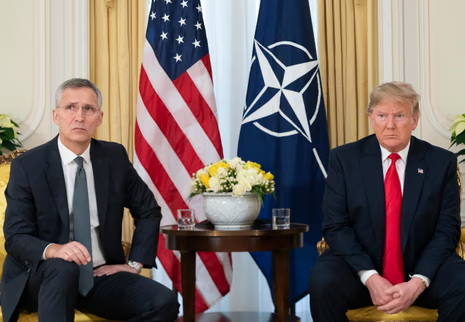
In the same breath, Trump downplays the significance of Russia and China, dismissing them as secondary threats to U.S. security. His remarks were seen by some as a challenge to conventional geopolitical wisdom, where these two nations have long been viewed as the primary strategic competitors to the U.S. Instead, Trump framed them as more manageable threats compared to the “overblown” challenge posed by NATO. This raises a complex issue: Is Trump’s view a reflection of changing priorities in U.S. foreign policy, or is it a dangerous miscalculation of global security risks?
Key Issues:
- Russia’s Influence: Russia has been increasingly assertive in its foreign policy, particularly in Europe and the Middle East. However, Trump’s comments suggest that Russia’s threat may be overstated.
- China’s Rise: Similarly, China has emerged as a major economic and military power. While Trump’s administration focused on a trade war with China, his latest comment downplays its role in global security issues.
Global Reactions
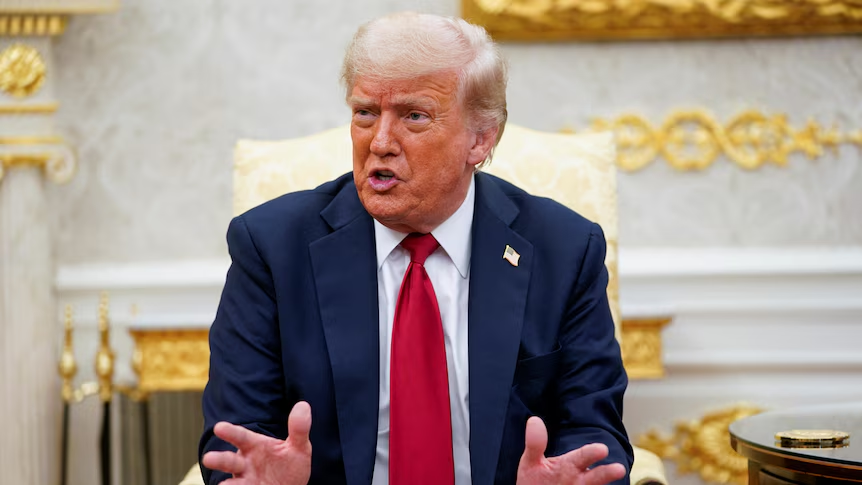
As expected, Trump’s statement received mixed reactions from global leaders. Some European leaders, who have long relied on NATO for defense against Russian aggression, expressed alarm at the suggestion that the U.S. could turn its back on the alliance. Meanwhile, leaders from Russia and China reacted with cautious optimism, seeing an opportunity to exploit the perceived cracks in the Western alliance. This divergence in reactions underscores the potential consequences of Trump’s words for international diplomacy.
Key Reactions:
- European Leaders: Some European leaders, particularly from Eastern Europe, voiced concerns that Trump’s position could embolden Russia, threatening the stability of the region.
- Russian and Chinese Diplomacy: While Russia and China have largely refrained from commenting directly, analysts suggest that both countries could seek to exploit any weakening of NATO unity to further their strategic objectives.
The Future of NATO and U.S. Alliances
Looking forward, Trump’s comments have raised the stakes for NATO’s future. The alliance has long been a cornerstone of U.S. foreign policy, but with this shift in perspective, questions arise about its role moving forward. Will the U.S. continue to lead the alliance, or will it shift its focus to other global challenges? NATO’s future may depend on the outcome of upcoming U.S. elections and the broader political direction the country takes.
Possible Scenarios:
- U.S. Withdrawal from NATO: A complete withdrawal from NATO seems unlikely but possible if Trump’s views gain traction within the broader political landscape.
- Reform and Adaptation: Alternatively, NATO may undergo significant reforms to address U.S. concerns and reassert its relevance in the 21st century.
Conclusion
Trump’s assertion that NATO is a greater threat than Russia and China is more than just a political soundbite; it marks a potential shift in how the U.S. engages with the rest of the world. As NATO grapples with its role in a changing geopolitical environment, the implications for global peace and security are far-reaching. Whether this statement is the start of a new era of U.S. foreign policy or just another flashpoint in the tumultuous Trump legacy remains to be seen. However, one thing is clear: the balance of global power may be shifting, and the West must decide how to respond to this new reality.