

When expectant mothers began sharing stories about swapping sugary drinks for coconut water during pregnancy, it initially sounded like just another wellness trend. But as obstetricians and nutrition experts started weighing in, the conversation shifted. Coconut water, long praised for its hydration benefits, was suddenly being discussed in prenatal clinics, pregnancy forums, and research-backed nutrition advice. What began as anecdotal preference has turned into a broader discussion about hydration, electrolytes, and maternal well-being during one of the most demanding periods of the human body.
Pregnancy places extraordinary demands on hydration. Blood volume increases significantly, organs work harder, and fluid needs rise to support both the mother and the developing baby. Dehydration during pregnancy has been linked to fatigue, headaches, constipation, and in more severe cases, complications such as urinary tract infections or preterm contractions. This is where coconut water enters the discussion—not as a miracle drink, but as a natural hydration option that may offer advantages beyond plain water for some women.
Table of Contents
- Why Hydration Becomes More Critical During Pregnancy
- What Coconut Water Actually Contains
- Doctors’ Perspective on Coconut Water During Pregnancy
- Coconut Water and Morning Sickness
- Blood Pressure and Electrolyte Balance
- Digestive Comfort and Constipation Relief
- Sugar Content and Moderation Concerns
- Coconut Water Versus Sports Drinks
- Potential Risks and Who Should Be Cautious
- How Coconut Water Fits Into a Healthy Pregnancy Diet
- What This Trend Really Says About Prenatal Nutrition
Why Hydration Becomes More Critical During Pregnancy
As pregnancy progresses, the body produces up to 50 percent more blood to nourish the growing fetus. Amniotic fluid levels must be maintained, digestion slows, and hormonal changes increase fluid loss through urination. Many pregnant women also struggle with nausea or vomiting, especially in the first trimester, making it difficult to maintain adequate fluid intake.
Medical professionals consistently emphasize hydration as a cornerstone of prenatal health. Yet water alone can sometimes feel unappealing during pregnancy, particularly when taste sensitivity increases. This has led many women to seek alternatives that still support hydration without excessive sugar, caffeine, or artificial additives. Coconut water, naturally mild and slightly sweet, has emerged as one such option.
What Coconut Water Actually Contains

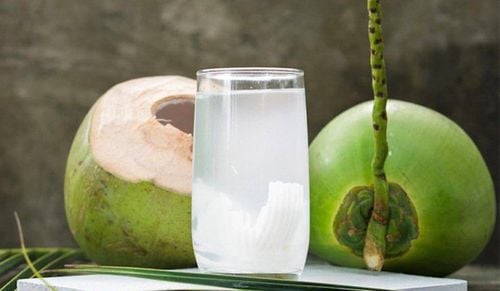
Coconut water is the clear liquid found inside young green coconuts. Unlike coconut milk, which is made from the grated flesh, coconut water is low in fat and calories while containing naturally occurring electrolytes. These include potassium, sodium, magnesium, and small amounts of calcium.
Potassium, in particular, plays a key role in muscle function, nerve signaling, and maintaining fluid balance. During pregnancy, potassium needs increase slightly to support maternal circulation and fetal development. Coconut water contains more potassium per serving than many sports drinks, without the artificial coloring or high sugar content often found in commercial electrolyte beverages.
It also contains trace amounts of antioxidants and amino acids, though these are not present in large enough quantities to replace a balanced diet. Nutritionists are quick to clarify that coconut water should complement, not substitute, prenatal nutrition.
Doctors’ Perspective on Coconut Water During Pregnancy
Most obstetricians agree on one key point: coconut water is generally safe during pregnancy when consumed in moderation. It is not considered a medical necessity, but neither is it discouraged for healthy pregnancies.
Doctors often highlight its role in hydration rather than positioning it as a treatment or supplement. For pregnant women who struggle to drink enough fluids, coconut water can provide variety while still contributing to daily hydration goals. Some healthcare providers also note its usefulness after episodes of vomiting or diarrhea, when electrolyte replacement becomes more important.
However, medical professionals caution against viewing coconut water as superior to water in all situations. While it contains electrolytes, it does not replace prenatal vitamins, nor does it provide significant protein, iron, or folate—nutrients critical during pregnancy.
Coconut Water and Morning Sickness

One area where coconut water has gained particular attention is morning sickness. Nausea and vomiting affect up to 80 percent of pregnant women, often making food and fluid intake challenging during early pregnancy.
Because coconut water is light, mildly flavored, and easy to sip, some women report tolerating it better than plain water or juice. Its electrolyte content may help replenish minerals lost through vomiting, potentially reducing feelings of weakness or dizziness.
That said, doctors emphasize that experiences vary widely. While coconut water may soothe nausea for some, others may find it triggers discomfort. There is no clinical evidence proving coconut water treats morning sickness, but its hydration support can still be beneficial when tolerated.
Blood Pressure and Electrolyte Balance
Pregnancy-related blood pressure changes are closely monitored, particularly due to the risks associated with preeclampsia. Coconut water contains potassium, which plays a role in balancing sodium levels and supporting healthy blood pressure.
Some studies in non-pregnant populations suggest potassium-rich diets are associated with better blood pressure regulation. However, doctors are careful not to overstate this benefit during pregnancy. Coconut water alone cannot prevent or treat high blood pressure disorders, and women with gestational hypertension should always follow medical guidance rather than relying on dietary adjustments alone.
For women with kidney conditions or those advised to limit potassium intake, coconut water should be consumed cautiously and discussed with a healthcare provider.
Digestive Comfort and Constipation Relief
Constipation is a common complaint during pregnancy, often caused by hormonal changes, iron supplementation, and slowed digestion. Adequate hydration plays a crucial role in maintaining bowel regularity.
Some pregnant women report that coconut water helps ease constipation due to its fluid content and mild natural sugars. While there is no direct laxative effect, staying well-hydrated supports digestive movement and stool softening. Coconut water may indirectly contribute to digestive comfort when included as part of a broader hydration strategy.
Again, doctors emphasize that fiber intake from fruits, vegetables, and whole grains remains essential. Coconut water should not be seen as a standalone solution for digestive issues.
Sugar Content and Moderation Concerns
Despite its natural origin, coconut water still contains sugar. While significantly lower than fruit juices or sweetened beverages, it is not sugar-free. This becomes especially relevant for women diagnosed with gestational diabetes or those monitoring blood sugar levels closely.
Healthcare providers recommend choosing unsweetened coconut water without added sugars or flavorings. Labels should be checked carefully, as many commercial products contain added sweeteners that increase calorie and sugar content.
Moderation remains key. One serving per day is generally considered reasonable for most pregnant women, but excessive intake can contribute unnecessary calories and sugar.
Coconut Water Versus Sports Drinks
One reason coconut water has gained popularity during pregnancy is its comparison to sports drinks. Many electrolyte beverages contain artificial dyes, preservatives, and high levels of sugar, making them less appealing during pregnancy.
Coconut water offers a simpler ingredient profile, often containing just coconut water itself. This aligns with prenatal nutrition advice that favors minimally processed foods and beverages. However, sports drinks may still be medically recommended in cases of severe dehydration or prolonged vomiting, where precise electrolyte replacement is needed.
Doctors stress that coconut water should not replace medically prescribed oral rehydration solutions when those are necessary.
Potential Risks and Who Should Be Cautious

While coconut water is generally safe, certain individuals should exercise caution. Women with kidney disorders, those on potassium-restricted diets, or those with specific metabolic conditions should consult their healthcare provider before regular consumption.
There is also the risk of over-reliance. Coconut water should not replace meals, prenatal supplements, or balanced nutrition. Its benefits are supportive rather than foundational.
Additionally, food safety matters. Fresh coconut water should be consumed promptly, and packaged products should be properly stored to avoid bacterial contamination—an important consideration during pregnancy.
How Coconut Water Fits Into a Healthy Pregnancy Diet
Nutrition experts emphasize that pregnancy diets should focus on variety, balance, and adequacy. Coconut water can be part of this approach, offering hydration support alongside water, herbal teas approved for pregnancy, milk, and water-rich fruits.
Its role is best understood as optional and complementary. For women who enjoy it and tolerate it well, coconut water can make hydration easier and more enjoyable. For those who dislike it or experience discomfort, there is no obligation to include it.
Doctors consistently return to the same message: listen to your body, prioritize hydration, and consult your healthcare provider when making dietary changes during pregnancy.
What This Trend Really Says About Prenatal Nutrition
The growing interest in coconut water during pregnancy reflects a broader shift toward natural, minimally processed choices and a desire for comfort during physical change. It highlights how pregnant women actively seek solutions that feel gentle, nourishing, and supportive.
Rather than being a miracle drink, coconut water represents something simpler—a hydration option that fits into modern prenatal care when used thoughtfully. Its rise in popularity underscores the importance of hydration awareness and personalized nutrition during pregnancy.
As research continues and more women share their experiences, coconut water will likely remain part of the conversation—not as a requirement, but as one of many tools available to support maternal well-being during pregnancy.