
Table of Contents
- A Sudden and Powerful Weather Event
- New York’s Snow Drought Ends with a Bang
- Record Cold Temperatures Impact the West
- Why Was This Storm So Unusual?
- Climate Change and Extreme Weather Patterns
- The Broader Implications for U.S. Weather Patterns
- Preparing for Future Extreme Weather Events
- Looking Ahead
- Conclusion
A Sudden and Powerful Weather Event
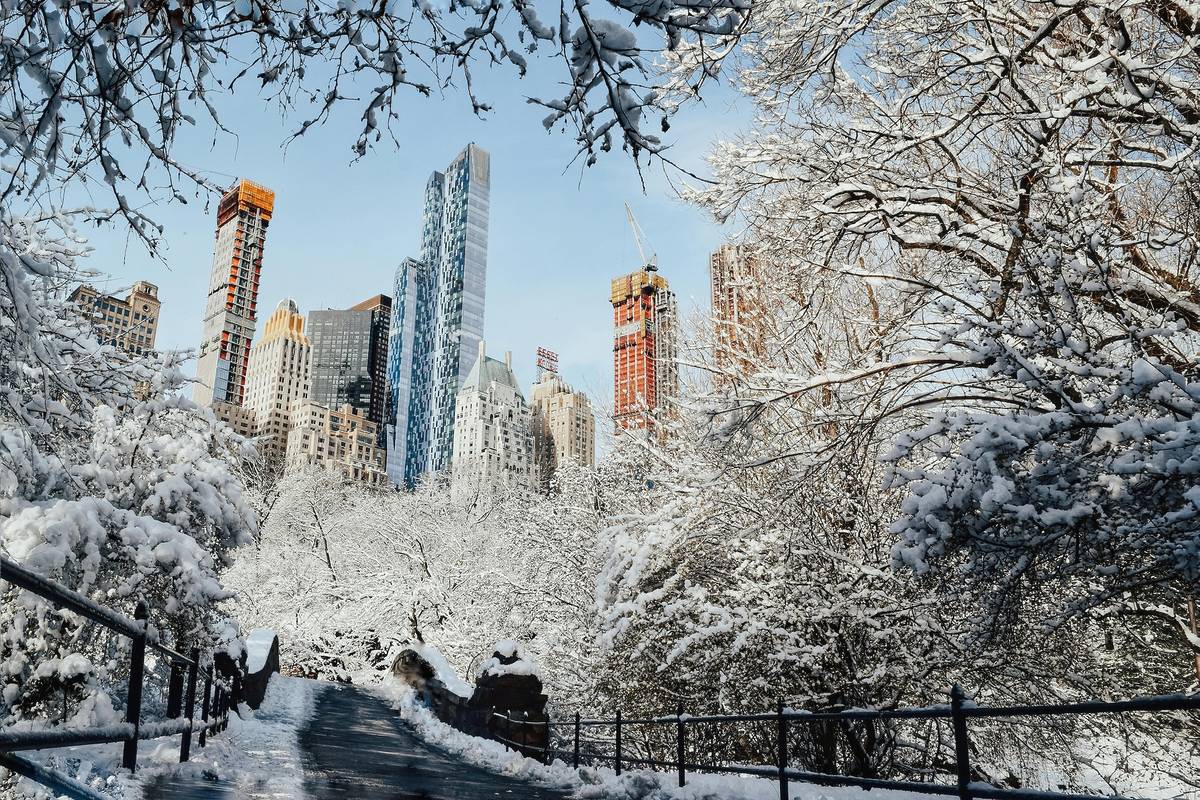
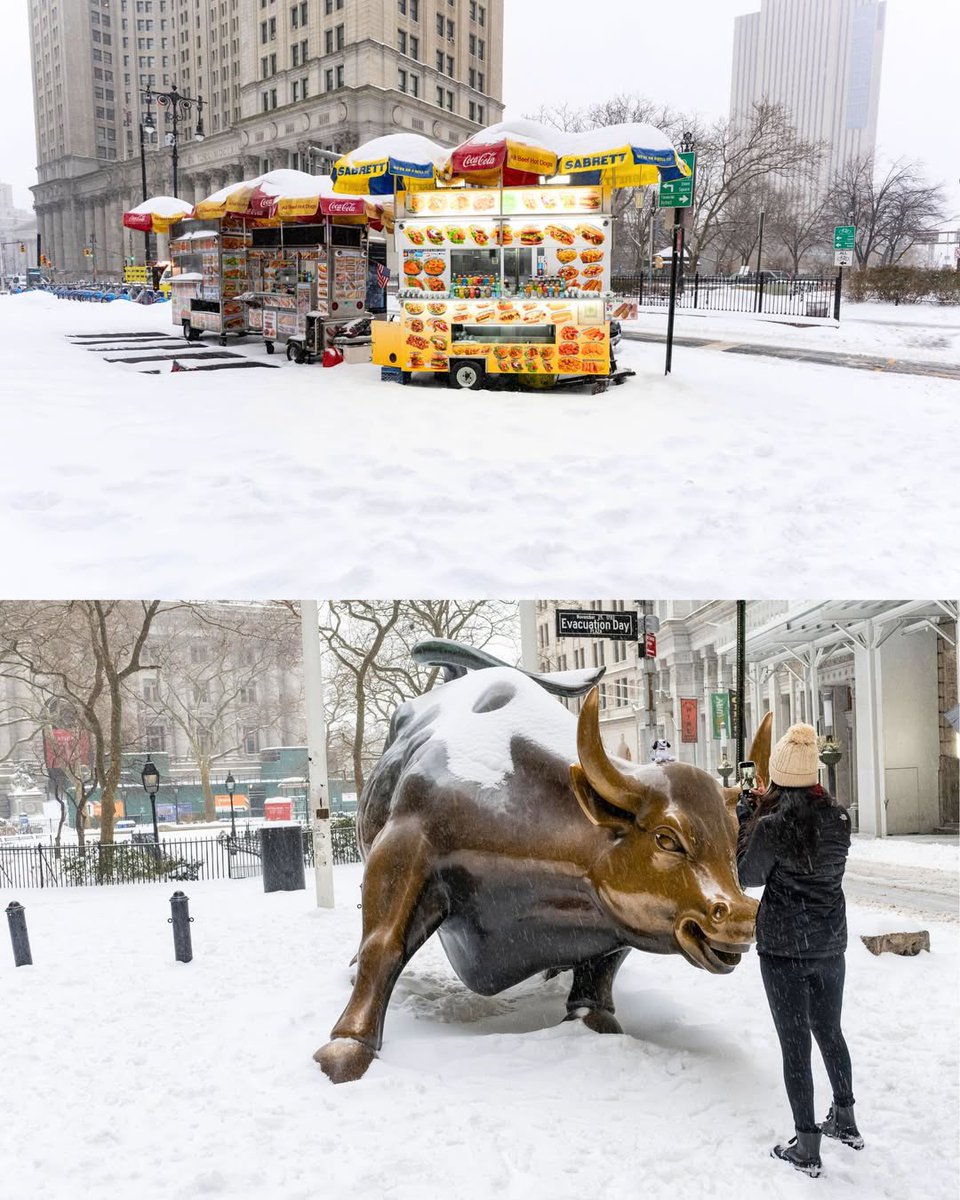
The Arctic blast, which hit the United States in mid-January 2024, was a massive surge of frigid air that swept across the country, bringing extreme cold to areas that typically don’t experience such freezing temperatures. Starting from the northern parts of the U.S., the cold front quickly made its way southward, dropping temperatures to levels not seen in years. In New York, where snow had been nearly absent for the past few winters, the storm brought heavy snowfall, officially ending the city’s snow drought.
The Arctic blast’s impact was felt across the entire northeastern U.S., as cities like Boston and Philadelphia also experienced freezing temperatures and snow accumulation. New York City, in particular, saw a rare combination of snow and cold, with temperatures plummeting below freezing, breaking records in some areas. The sudden nature of the storm caught many off guard, as forecasts had predicted milder winter weather.
New York’s Snow Drought Ends with a Bang
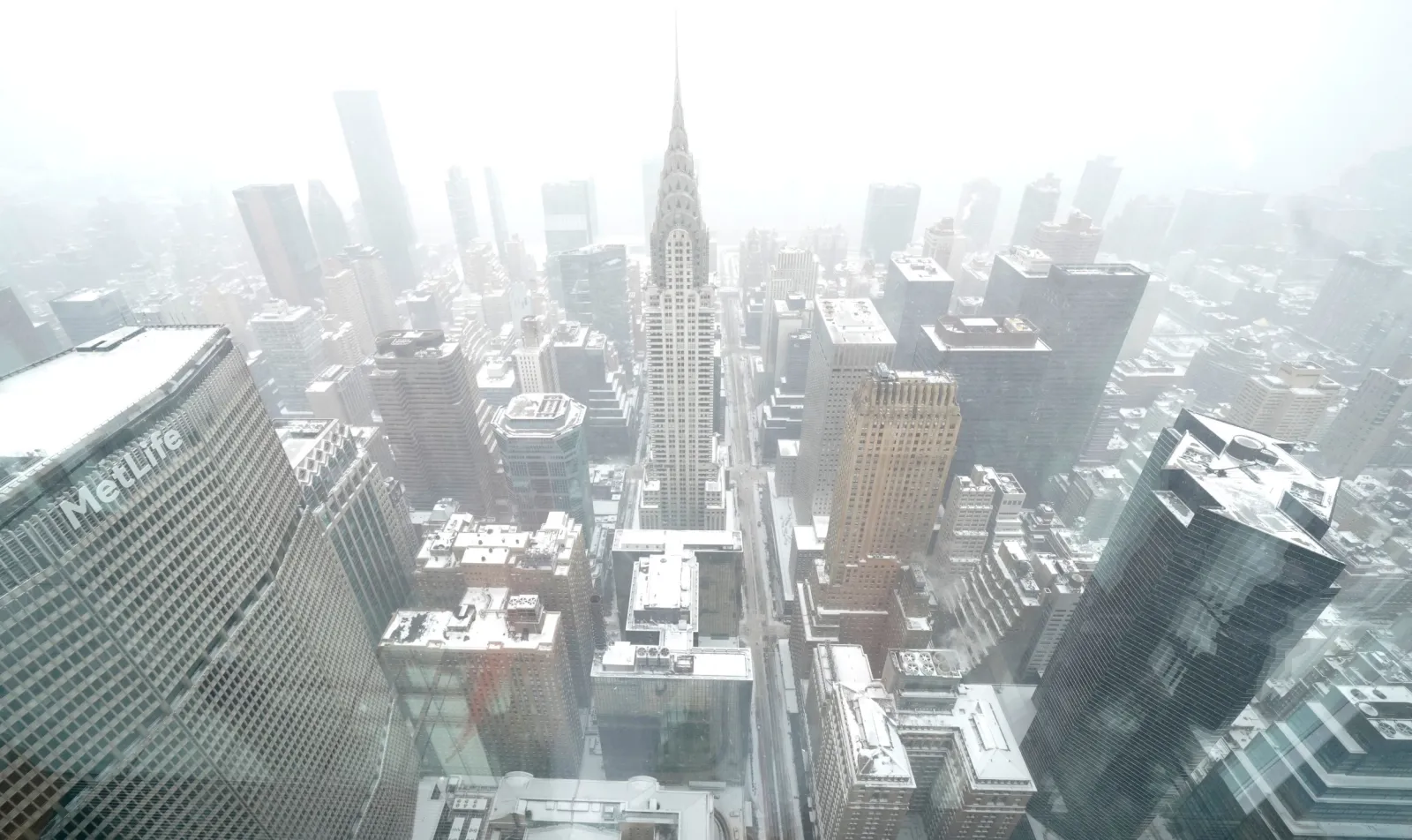
For New York, this storm was significant not only because of its timing but because it marked the end of what had been a prolonged snow drought. The city had gone several seasons with little snow accumulation, a trend that alarmed meteorologists and residents alike. As winter 2024 began, it seemed as though the city might once again miss out on the characteristic snowfall that is traditionally associated with New York winters.
This lack of snow had raised concerns about shifting weather patterns in the region. Many scientists have pointed to climate change as a key factor in the unusual weather trends that have been observed in recent years, including warmer-than-average winters. The return of snow, while welcome by many New Yorkers, also raised questions about the future of snowfall in the region, with experts warning that extreme weather events like this one could become more common in the future.
Record Cold Temperatures Impact the West
The Arctic blast wasn’t confined to the East Coast—it also hit the Western U.S. with unprecedented cold temperatures. Cities such as Denver, Salt Lake City, and even Los Angeles saw some of the lowest temperatures on record for January. The cold front also brought snow to parts of California, a region that had been experiencing an ongoing drought, making the storm a welcome relief for some areas in terms of moisture. However, the extreme temperatures brought about significant disruptions, including power outages, road closures, and travel delays.
In the West, where winter weather can be unpredictable, this Arctic blast was particularly alarming due to the sheer scale of its reach. The cold snap caused a ripple effect across the country, disrupting everything from air travel to agriculture. Farmers in the region worried about the impact of the freezing temperatures on crops, while energy providers struggled to meet the increased demand for heating.
Why Was This Storm So Unusual?
The storm that brought the Arctic blast to the U.S. was unusual for several reasons. One of the primary factors was the rapid onset of the cold front, which appeared suddenly and spread quickly across the country. Meteorologists explained that this was due to an atmospheric phenomenon known as a polar vortex, which typically keeps frigid air locked in the Arctic but occasionally shifts, sending cold air southward. In this case, the polar vortex weakened, allowing Arctic air to move more freely over the U.S.
In addition to the polar vortex, changes in atmospheric pressure and wind patterns contributed to the intensity of the storm. The combination of these factors created the perfect conditions for a massive cold front to sweep across the country. As climate change continues to influence global weather systems, scientists warn that such sudden, extreme weather events could become more frequent, with significant consequences for communities, infrastructure, and ecosystems.
Climate Change and Extreme Weather Patterns
The Arctic blast is just one example of the extreme weather events that have become more prevalent in recent years. Climate change is increasingly being linked to the frequency and intensity of such events, as rising global temperatures can disrupt established weather patterns. The melting of Arctic ice and the warming of oceans have altered the balance of atmospheric pressure and wind systems, leading to more unpredictable and severe storms.
While some argue that these extreme weather events are part of natural climate variability, the overwhelming scientific consensus is that human activities, particularly the burning of fossil fuels, are accelerating the pace of climate change. Experts believe that extreme cold snaps, like the one that affected the U.S. in January 2024, could become more common in certain regions, even as other areas experience heatwaves, droughts, and floods.
The Broader Implications for U.S. Weather Patterns
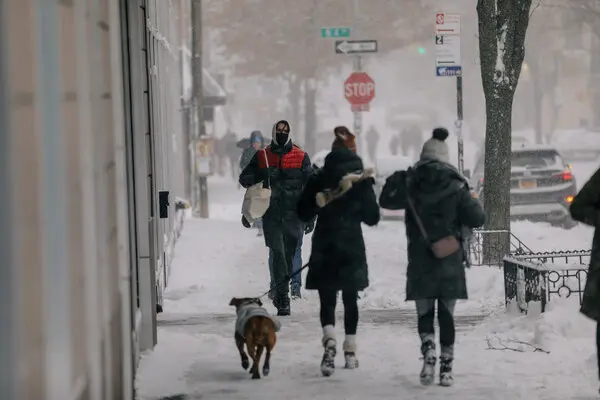
The implications of the Arctic blast for U.S. weather patterns go beyond just one extreme event. For policymakers, the storm serves as a reminder of the need to address the impacts of climate change on infrastructure, energy systems, and public health. The extreme cold temperatures caused widespread disruptions, highlighting the vulnerabilities of cities and towns to sudden shifts in weather.
In addition to the challenges posed by extreme cold, climate change is contributing to more severe and unpredictable weather events overall. In the coming years, U.S. cities may face more frequent heatwaves, wildfires, and storms, all of which will require more resilient infrastructure and emergency response systems. This Arctic blast is just one part of a larger pattern of climate volatility that is already having a significant impact on communities across the U.S.
Preparing for Future Extreme Weather Events
As the frequency of extreme weather events continues to rise, the U.S. must take steps to prepare for the challenges ahead. This includes investing in resilient infrastructure that can withstand extreme temperatures, whether hot or cold, and ensuring that emergency response systems are capable of handling sudden, severe storms. It also means addressing the root causes of climate change by reducing greenhouse gas emissions and transitioning to cleaner, more sustainable energy sources.
Cities like New York, which are particularly vulnerable to snowstorms and cold fronts, must also focus on improving their preparedness for future snow events. This includes better snow removal systems, improved public transportation, and more robust public health campaigns to help residents cope with extreme cold. In the West, regions experiencing droughts and heatwaves will need to invest in water conservation and fire prevention measures to mitigate the effects of rising temperatures.
Looking Ahead
As the Arctic blast of January 2024 demonstrates, the future of U.S. weather patterns is increasingly uncertain. While this storm may have been an unusual and extreme event, it serves as a stark reminder of the changes that are already occurring and the challenges that lie ahead. With climate change continuing to shape global weather systems, the U.S. must adapt to the realities of a warmer, more volatile climate. Whether through policy changes, technological innovations, or public awareness, it is clear that addressing the impacts of climate change will be critical to ensuring a sustainable and resilient future.
Conclusion
The Arctic blast that swept across the U.S. in January 2024 ended New York’s snow drought and brought record-breaking cold temperatures to the West, raising important questions about the future of U.S. weather patterns. While extreme cold weather events like this one have always been a part of natural climate variability, climate change is likely to make such occurrences more frequent and intense. As the U.S. continues to grapple with the effects of climate change, it will be critical to invest in resilient infrastructure and take proactive steps to reduce greenhouse gas emissions. This Arctic blast is a clear reminder that we must be prepared for a future that may be far less predictable than we are accustomed to.