

When the World Health Organization (WHO) made its landmark statement about processed meats, classifying bacon, sausages, and other cured meats as carcinogens, it caused a storm of conflicting reactions. The findings, which came from the International Agency for Research on Cancer (IARC), revealed that processed meats definitely cause colorectal cancer and that red meat probably does. This has led to a range of responses, from celebrations among vegetarians to denials from the meat industry. In this article, we explore what the WHO’s findings really mean, what was said—and what wasn’t—and how this affects your health, the planet, and the ongoing debate about meat consumption.
Table of Contents
What the WHO Found
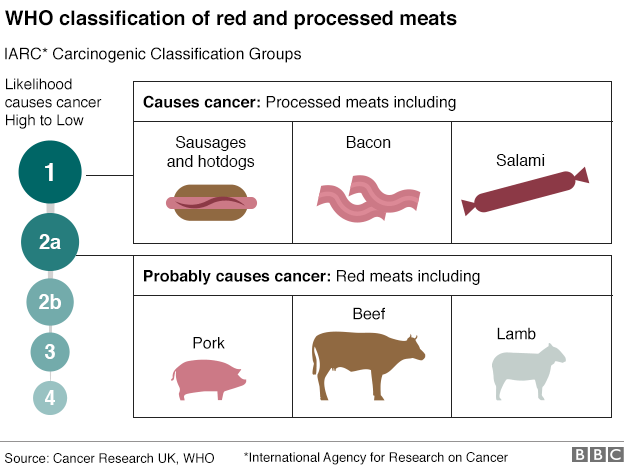
The IARC classified processed meats—such as bacon, ham, and sausages—as “Group 1” carcinogens. This designation means that there is sufficient evidence from human studies that consuming processed meats causes colorectal cancer. This was not a surprising revelation for many health advocates, who have long argued that the preservatives and chemicals in processed meats contribute to cancer risk. The WHO’s finding solidifies this claim and further amplifies the urgency to reconsider dietary choices when it comes to meat consumption.
The Red Meat Controversy

Red meat, on the other hand, was classified as a “Group 2A” probable carcinogen. This means that the evidence linking red meat to cancer is limited but still significant enough to warrant concern. IARC’s review pointed to strong mechanistic evidence that red meat consumption may increase cancer risk, particularly for colorectal cancer. The evidence is also strong for an association with pancreatic cancer and prostate cancer. While the classification of red meat is not as definitive as that for processed meats, it still raises important health concerns that cannot be ignored.
What the Headlines Missed
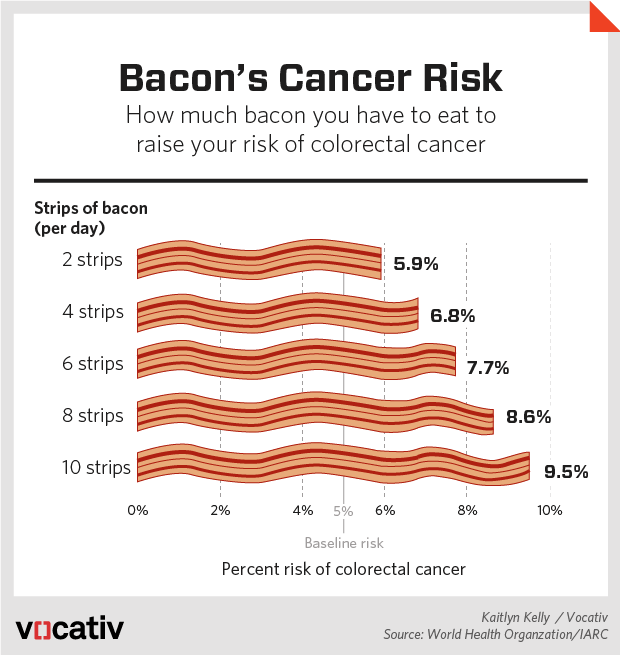
While the WHO’s findings are critical, there is nuance that has been lost in the sensational headlines. The risk of developing cancer from processed or red meats is relatively low when compared to other well-known carcinogens like tobacco and asbestos. IARC’s study found that each 50-gram (about 1.8 ounces) serving of processed meat consumed daily over a lifetime increases the risk of colorectal cancer by 18%. This risk is significant, but it requires long-term daily consumption of processed meat—more than five slices of bacon every day, for example. This fact was often overshadowed by the focus on the headline-grabbing “cancer risk.”
The Meat Industry’s Response
In response to the IARC’s report, the meat industry pushed back, claiming that the findings were overblown. One common rebuttal was the comparison between processed meats and other common substances, such as sunlight, which IARC also classifies as a carcinogen. This argument, however, misses the broader context of how risk is measured. Sunlight exposure can be harmful, but it is not comparable to the daily, cumulative effects of consuming processed meats. The meat industry’s response has thus been criticized for downplaying the real risks involved in high meat consumption.
The Environmental Impact
Aside from health concerns, the environmental impact of meat production is another reason to reconsider high meat consumption. Reducing the amount of beef and red meat in our diets could lead to significant environmental benefits. Studies have shown that if every American switched from beef to chicken, it could reduce greenhouse gas emissions as much as taking 26 million cars off the road. The link between health and the environment is crucial, and reducing meat consumption may offer a dual benefit: improved personal health and a reduction in environmental harm.
Healthier Alternatives
While the WHO’s report on processed and red meats is alarming, there are ways to reduce the risk while still enjoying meat in moderation. Healthier meat alternatives, such as fish, poultry, and plant-based proteins, are excellent substitutes that provide nutritional benefits without the high cancer risk associated with red and processed meats. The Environmental Working Group (EWG) encourages consumers to use tools like their Food Scores database, which rates more than 80,000 food products for nutrition, ingredients, and processing. This resource helps identify healthier meat options and alternatives that are both better for your health and for the environment.
Cultural and Dietary Shifts
The growing interest in plant-based diets reflects the broader awareness of the health and environmental risks associated with excessive meat consumption. Plant-based proteins, such as beans, lentils, and quinoa, offer a sustainable and heart-healthy alternative to red meat. The shift toward more plant-based meals has been gaining traction, especially with the rise of plant-based meat substitutes that mimic the taste and texture of traditional meats. As awareness of the risks linked to processed and red meats increases, many are turning to these alternatives to reduce their cancer risk while enjoying familiar flavors.
What This Means for the Future
As the conversation about processed and red meats continues, the question remains: will we see policy reforms or changes in food labeling that address these risks? In some countries, there are already efforts to reduce meat consumption through taxation or subsidies for plant-based foods. For example, some European countries are considering taxing high-fat meats to curb consumption. The hope is that these measures, combined with public education campaigns, will lead to a decrease in the consumption of processed and red meats, thus reducing the overall health and environmental burden associated with their production.
Conclusion
While the IARC’s classification of processed meats as carcinogens is an important health warning, it is important to keep things in perspective. The risk of developing cancer from eating processed meats is small compared to other environmental and lifestyle risks. However, the evidence is compelling enough to warrant a re-evaluation of meat consumption patterns. Reducing processed and red meat in our diets and opting for healthier alternatives can significantly benefit both personal health and the planet’s future. The next steps involve making informed dietary choices and considering the broader implications of meat consumption on our health and the environment.