
Table of Contents
The Growing Threat of Climate Change on Winter Sports
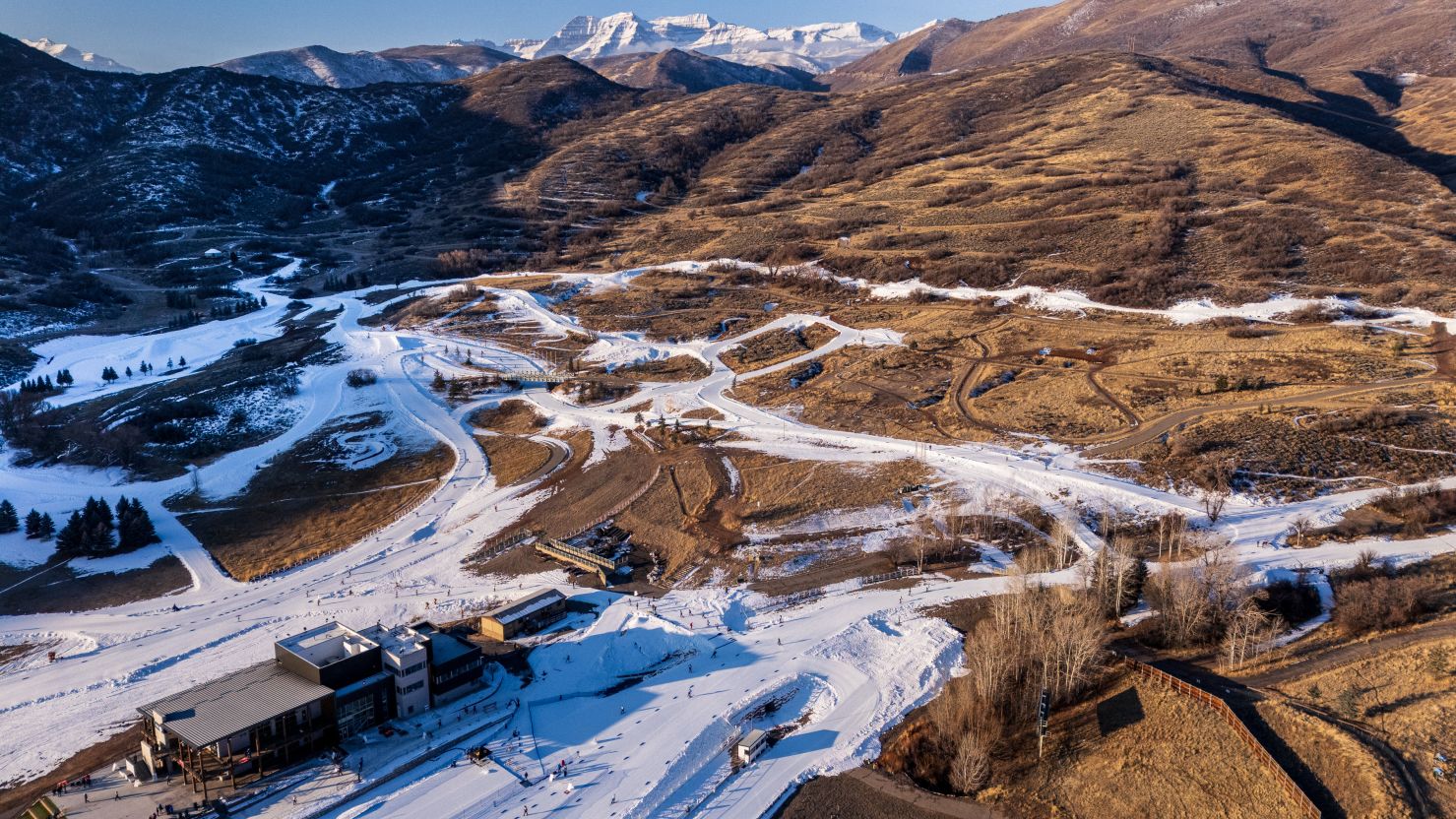
For decades, the Winter Olympics have been a showcase of the world’s best athletes, competing in sports like skiing, snowboarding, ice skating, and bobsledding. However, as the global climate continues to warm, the reality is becoming more dire. Rising temperatures are not only making winter sports less accessible but also shortening the winter season itself. The increased frequency of mild winter seasons has led to a growing concern over snow shortages, impacting both the natural and artificial snow required for various Olympic events.
A study conducted by the University of Waterloo in Canada revealed that over half of the winter sports venues used for the Winter Olympics in the past 50 years are at risk of becoming unfit to host future events due to rising temperatures. The impacts of these changes are being felt across the world, with places that were once ideal for winter sports now experiencing warmer winters and delayed snowfall. Cities like Vancouver, which hosted the Winter Olympics in 2010, have reported a shift in weather patterns, leading to a decline in the reliability of natural snowfalls.
The risk to winter sports is not just about temperature increases; it’s also about the loss of predictable weather patterns that are essential for both athletes and spectators. The unpredictability of snow levels has forced organizers of past Winter Olympic Games to rely heavily on artificial snowmaking technologies, but these solutions come with their own set of environmental concerns.
Snow Shortages and the Challenges of Artificial Snow
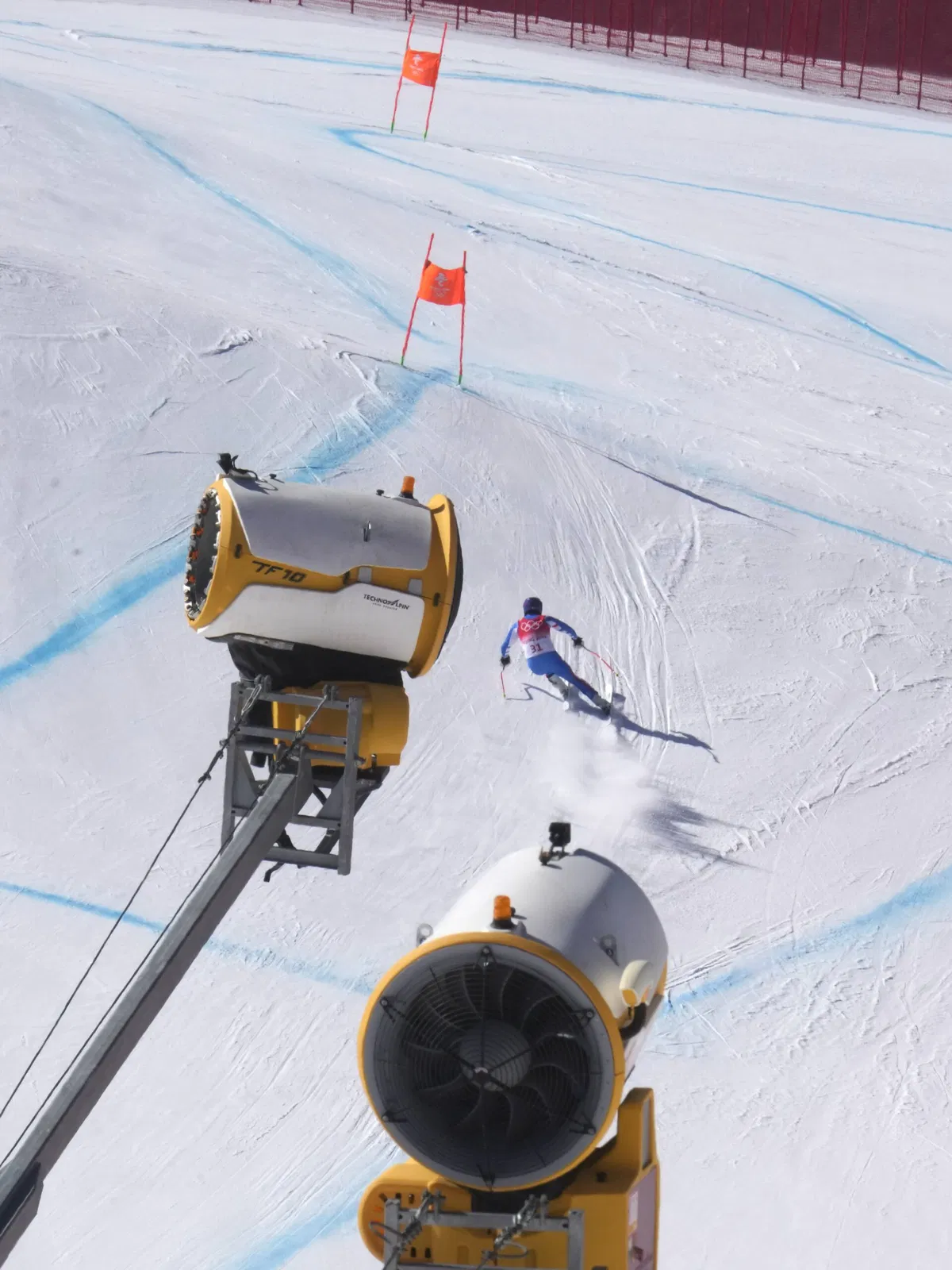
One of the most immediate impacts of climate change on the Winter Olympics is the diminishing availability of natural snow. To compensate for this, many host cities have turned to artificial snowmaking machines to ensure that the events can go forward. However, the need for artificial snow presents new challenges, as snowmaking is an energy-intensive process that requires a significant amount of water and energy. In regions experiencing water scarcity, the creation of artificial snow may exacerbate local environmental challenges.
The environmental cost of using artificial snow is not just an issue for the host cities, but also for the athletes. The quality of artificial snow is different from natural snow, which can affect the speed and performance of competitors. Skiers, snowboarders, and other winter athletes rely on consistent snow conditions to perform at their best, and the use of artificial snow creates an uneven playing field. Furthermore, artificial snow can quickly turn slushy and less stable when temperatures fluctuate, which can pose safety risks for athletes during competitions.
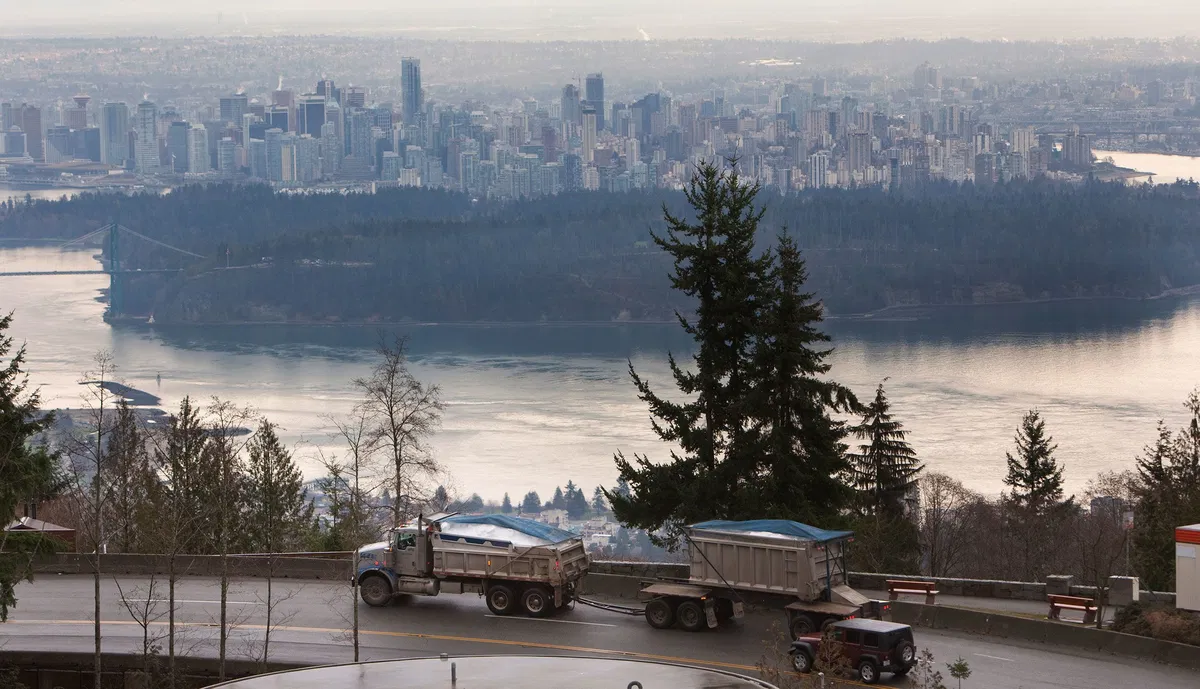
In some instances, host cities have also resorted to storing snow from previous years in massive piles or using “snow farms” to preserve snow for future events. This practice is becoming increasingly difficult to sustain as climate change causes snow to melt faster and earlier each year. The logistical effort to maintain these snow reserves is not only costly but also unsustainable in the long term, highlighting the severe environmental risks of holding winter sports competitions in a rapidly warming world.
Impact on Future Winter Olympics Locations
As the frequency of warmer winters increases, many traditional Winter Olympics venues are facing uncertain futures. In the past, cities like Sochi, Russia, and Pyeongchang, South Korea, were able to host Winter Olympic events with relative success, but with each passing year, the likelihood of ideal snow conditions has become less predictable. The costs associated with bringing in artificial snow and making preparations for a warmer climate are increasingly becoming a financial burden for host cities.
The International Olympic Committee (IOC) is being forced to re-evaluate future Winter Olympics locations. In a bid to address these challenges, there has been growing discussion about hosting the Winter Games in regions that are traditionally warmer, with the hope of using cutting-edge snowmaking technologies to offset the lack of natural snow. However, critics argue that these new venues could suffer from the same challenges and environmental consequences that have plagued past Games.
In addition to the difficulty of securing enough snow, cities that have traditionally hosted the Winter Olympics are also struggling to deal with increased temperatures during the Games themselves. For instance, the 2022 Beijing Winter Olympics were marked by unseasonably high temperatures, which forced organizers to rely on artificial snow and raised concerns about the long-term viability of such locations. As warming trends continue, future cities bidding for the Winter Olympics will face mounting pressure to find ways to adapt to these new realities.
Solutions and Mitigation Strategies
In light of these challenges, the Olympic community has started to consider solutions to mitigate the impact of climate change on the Winter Olympics. One solution being discussed is the use of “green” technologies to reduce the environmental impact of the Games. The inclusion of sustainability initiatives, such as solar-powered facilities, zero-emission vehicles, and waste reduction programs, could help reduce the carbon footprint of the Winter Olympics. Some host cities have already begun implementing sustainable practices, such as using renewable energy sources for event infrastructure and offsetting carbon emissions.
Another potential solution lies in improving the efficiency and sustainability of snowmaking practices. Advances in snowmaking technology could make it more energy-efficient and environmentally friendly. Researchers are also exploring alternative materials for snow production that require less water and energy, but these technologies are still in their infancy. More investments in research and development will be necessary to make these solutions feasible on a large scale.
Finally, some experts suggest that a shift toward hosting the Winter Olympics in regions that are already known to have reliable winter weather could be an answer. For example, Nordic countries and high-altitude locations such as the Swiss Alps may offer more stable weather conditions, reducing the need for artificial snow and other climate adaptation measures. However, these regions could face their own set of logistical and financial challenges, making it important for the IOC to carefully consider the long-term sustainability of each potential location.
The Future of Winter Sports and the Olympics
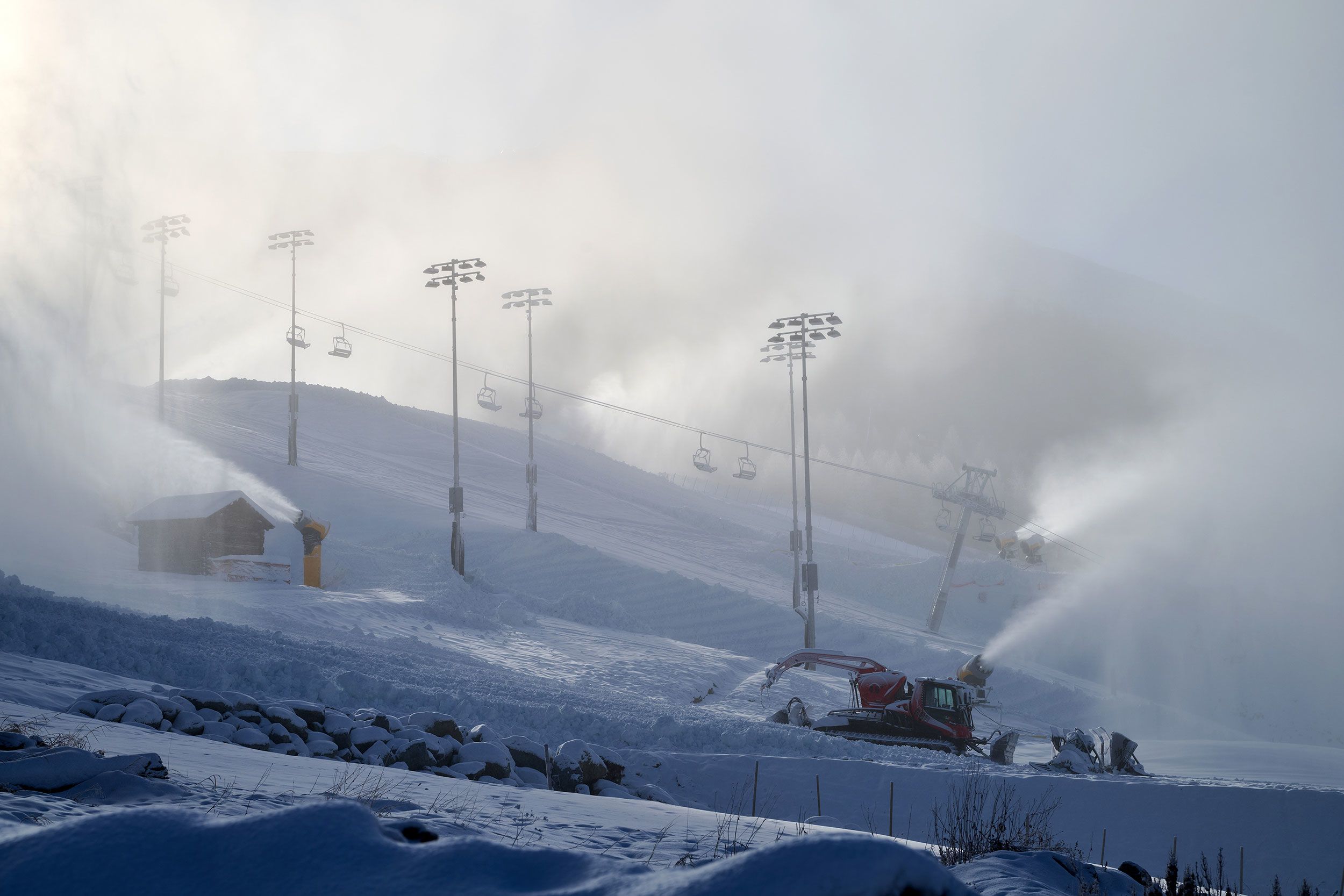
Looking ahead, the future of the Winter Olympics and winter sports is deeply tied to the ongoing battle against climate change. The increasing unpredictability of weather patterns, dwindling snow reserves, and rising temperatures are forcing the global sports community to rethink how to continue hosting these iconic events. If current trends continue, the Olympic Games could face a future where snow is no longer guaranteed, and athletes are forced to compete on artificial surfaces.
In addition, the continued growth of winter sports globally, particularly in regions that are not traditionally associated with winter sports, may offer new opportunities. Countries with colder climates, such as those in the northern hemisphere, could see an increase in participation in winter sports, and the rise of artificial snow technologies could make it possible for them to host competitions despite changing weather patterns.
However, these solutions require global cooperation, investment, and policy changes to be effective. For the Winter Olympics to remain relevant and sustainable, it will require the collective effort of the IOC, host cities, sponsors, athletes, and the public to work toward mitigating climate change. If not, the Winter Olympics as we know them may face a slow and irreversible decline in the face of rising temperatures.
Conclusion
Climate change is already having a profound impact on the Winter Olympics, with snow shortages, unpredictable weather, and rising temperatures threatening the future of winter sports. While solutions such as artificial snowmaking technologies and sustainable practices are being explored, the reality remains that the long-term viability of the Winter Games depends on addressing the root causes of climate change. As the world continues to warm, it will take collective action to ensure that winter sports and the Olympic Games can continue to be a celebration of athleticism for future generations.