
Table of Contents
The Legal Basis for the Ban
The legal framework for this new ban stems from a broader effort by the Russian government to regulate religious practices within the country. Over the past decade, Russia has seen a resurgence of religious discourse, with the Russian Orthodox Church playing a central role in shaping the national identity. The Church has long been a vocal critic of any non-Orthodox religious practices, particularly those associated with what it views as “dangerous cults” or “foreign ideologies.”
Putin’s decree specifically targets Satanic temples and churches, which have been seen as promoting values that contradict the traditional Russian worldview. Under the new law, any organization or group identified as Satanic will be prohibited from operating within the country, with the government empowered to shut down existing temples and churches. This includes the destruction of buildings, the confiscation of property, and the criminal prosecution of those who continue to practice or promote Satanism.
While the Russian government has stated that the law is meant to protect public order and morality, critics argue that it represents an overreach of state power into the realm of religious belief and freedom. The law has been described by some as an attack on religious pluralism, potentially setting a dangerous precedent for the treatment of non-Orthodox religious groups in the future.
Satanism in Russia
Satanism has been a subject of increasing concern for Russian authorities in recent years. While the number of Satanic practitioners in Russia remains relatively small, the rise of internet-based communities and subcultures has made Satanism more visible, especially among younger generations. The Russian government, backed by the Orthodox Church, has consistently raised alarms about the spread of Satanic practices, associating them with moral decay, criminal behavior, and Western influences.
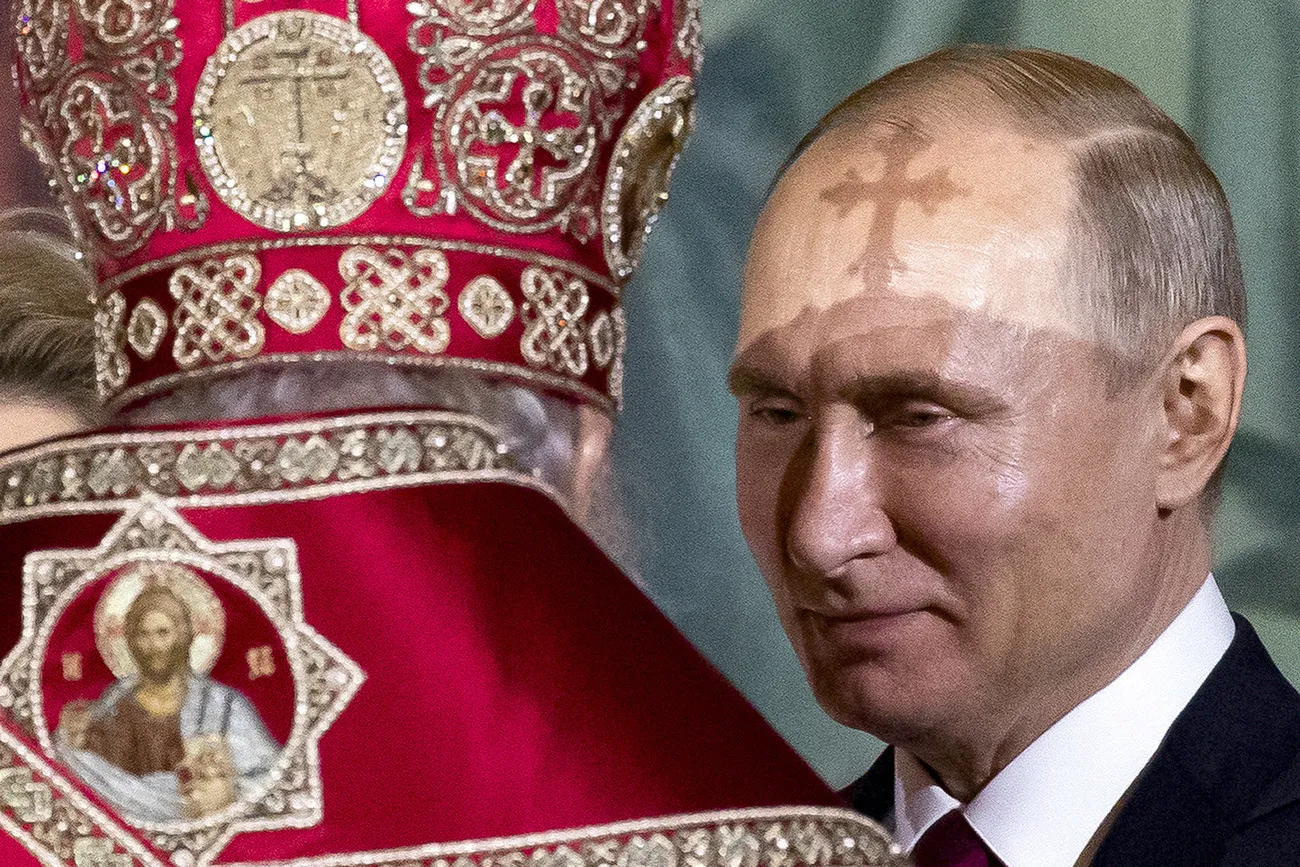
In the past, authorities have taken action against groups they consider harmful, including outlawing certain sects and cults. However, Putin’s new law marks a significant escalation in these efforts, making Satanism officially illegal in Russia. The move is likely a response to growing concerns within Russian society about the influence of foreign ideologies and the perceived erosion of traditional values. By outlawing Satanic practices, Putin is positioning himself as a defender of Russia’s spiritual heritage, while simultaneously asserting the power of the state in regulating religious beliefs.
Despite the relatively small number of Satanic practitioners, the law reflects broader societal fears about the influence of Western culture and the spread of alternative religious movements. Putin’s decision is in line with his broader political agenda, which seeks to consolidate power, uphold the authority of the Orthodox Church, and combat what he views as the destabilizing forces of globalization and secularism.
The Role of the Russian Orthodox Church in the Ban
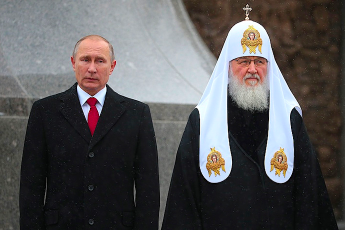
The Russian Orthodox Church has played a crucial role in supporting the new ban on Satanic temples and churches. The Church has long been a staunch opponent of any religious practices that challenge its authority, particularly those associated with Satanism and occultism. Patriarch Kirill, the head of the Russian Orthodox Church, has publicly praised Putin’s actions, framing the ban as an essential step in preserving the spiritual health of Russia.
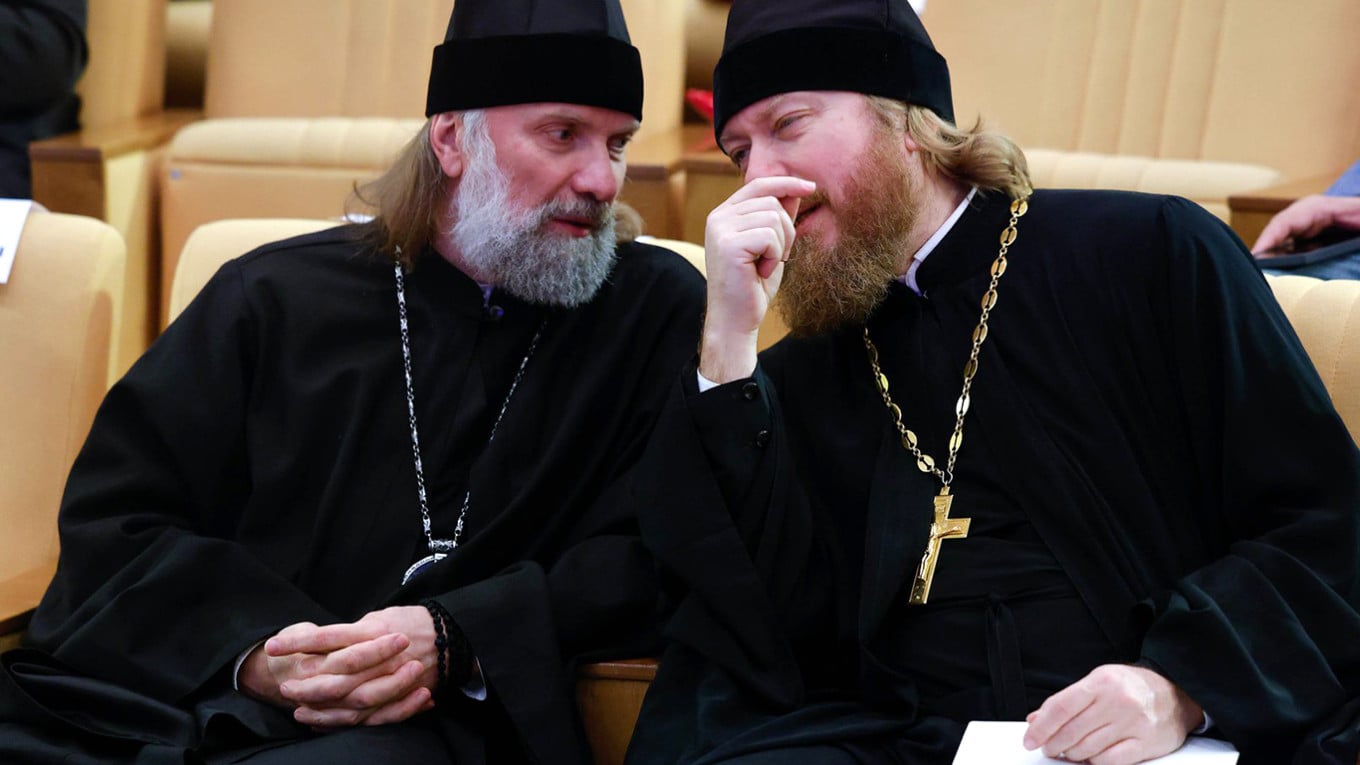
For the Church, Satanism represents a direct challenge to its teachings and the moral order it seeks to uphold. The Church has long emphasized the importance of faith in Christ and adherence to Orthodox principles as the foundation of Russian identity. The rise of Satanic groups, according to the Church, threatens to undermine the spiritual and moral stability of the nation.
By supporting Putin’s ban, the Russian Orthodox Church has further cemented its close relationship with the state. The Church’s endorsement of the ban is seen as a way to reinforce its position as the dominant religious authority in Russia, while also sending a message to the public about the dangers of alternative spiritual practices. This partnership between church and state has led to increasing religious control over cultural and social issues in Russia, with the Church playing a central role in shaping public policy.
The International Response
Internationally, Putin’s decision to ban Satanic temples and churches has sparked significant controversy. Human rights groups, religious freedom advocates, and secular organizations have raised concerns about the implications of the ban for freedom of religion and expression in Russia. Critics argue that the law violates international human rights standards, particularly the right to religious freedom enshrined in documents like the Universal Declaration of Human Rights and the European Convention on Human Rights.
Religious minorities in Russia, including those who practice non-Orthodox faiths, have also expressed concern about the potential for the law to be used against them in the future. Although the law targets Satanic groups specifically, there are fears that it could be expanded to include other minority religious movements that are not aligned with the Russian Orthodox Church.
The United States and the European Union have both expressed concern over the ban, calling it a violation of basic freedoms. However, the Russian government has defended the law, arguing that it is necessary to protect the moral integrity of the nation and to prevent the spread of dangerous ideologies. For many in Russia, the ban is seen as a necessary step in securing the country’s future, while others view it as an unacceptable infringement on individual freedoms.
Cultural and Social Implications of the Ban
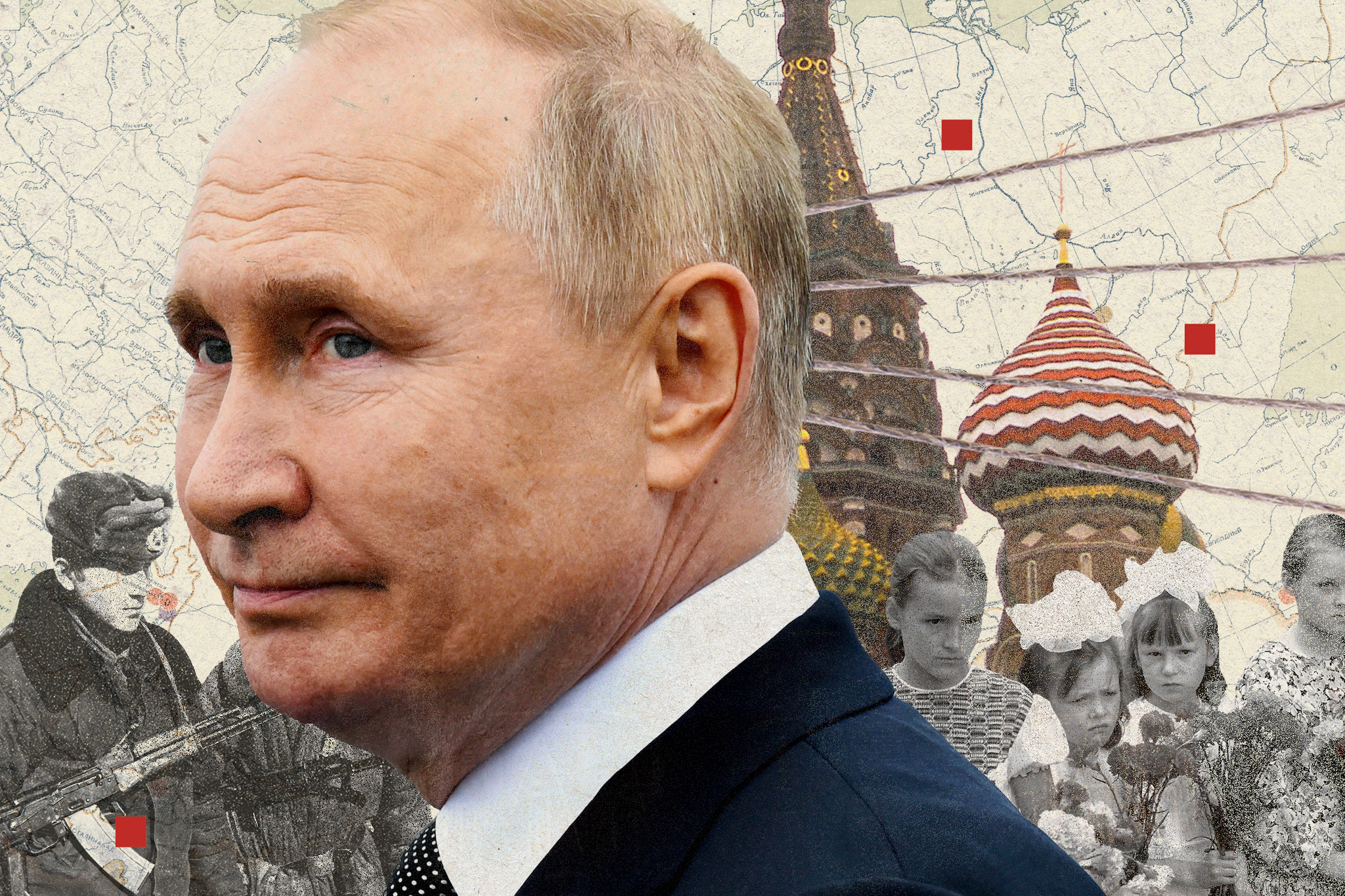
The cultural implications of the ban on Satanic temples and churches are significant. In many ways, this decision reflects the ongoing battle within Russia between tradition and modernity. The Russian Orthodox Church has positioned itself as the protector of traditional values, while secular and alternative religious movements challenge those values.
The ban could have far-reaching effects on Russian society, especially for younger generations who are increasingly exposed to global ideas and ideologies. While Satanism may seem like a fringe belief system, it represents a broader shift in how young people in Russia are engaging with spirituality and religion. By outlawing Satanic practices, the Russian government is attempting to curb this shift and reassert traditional Russian values.
Additionally, the ban could lead to further restrictions on freedom of expression and religious practice in Russia. While the law specifically targets Satanism, it sets a precedent for regulating other belief systems that do not conform to the state-sponsored religious narrative. This could lead to increased surveillance of religious and spiritual groups, as well as greater control over the public’s religious and cultural expression.
Conclusion:
Vladimir Putin’s decision to officially ban Satanic temples and churches in Russia is a landmark move that underscores the country’s ongoing efforts to preserve its spiritual and cultural heritage. The law reflects a growing alliance between the Russian government and the Russian Orthodox Church, as well as a desire to protect traditional values from the perceived threats posed by secularism and foreign ideologies.
While the law has been hailed by some as a necessary step in safeguarding Russia’s moral integrity, it has also raised serious concerns about religious freedom and the right to freely practice one’s beliefs. The decision to ban Satanic temples marks just the latest chapter in Russia’s ongoing struggle to define its identity in a rapidly changing world. As the country continues to grapple with its post-Soviet transformation, the tension between traditionalism and modernity will remain a central issue in shaping Russia’s future.
The consequences of this law may extend far beyond the realm of Satanism, influencing how religious freedom is understood and practiced in Russia for years to come. As Russia’s political and religious landscape continues to evolve, the ban on Satanic temples and churches could be a harbinger of further restrictions on freedom of belief in the years ahead.