
Table of Contents
- How Mumbai’s Smart Traffic Lights Work
- Addressing the Dual Problem of Traffic Congestion and Noise Pollution
- The Technology Behind Noise-Sensing Traffic Signals
- Benefits of Smart Traffic Lights for Mumbai and Beyond
- Challenges and Limitations of the Noise-Sensing System
- How Mumbai’s Residents Are Reacting
- How This System Can Shape the Future of Urban Mobility
- Conclusion:
How Mumbai’s Smart Traffic Lights Work
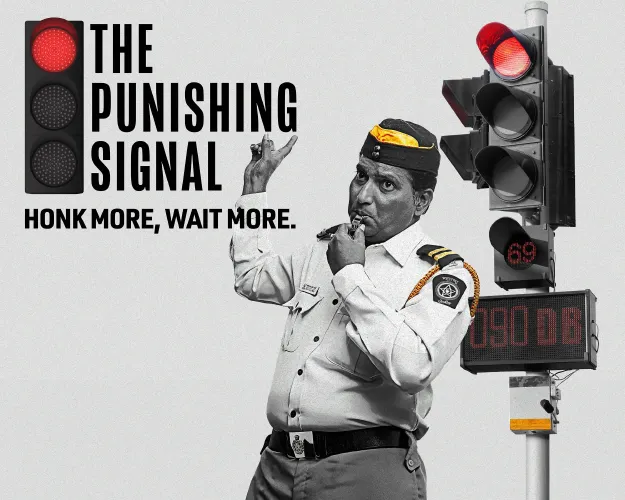
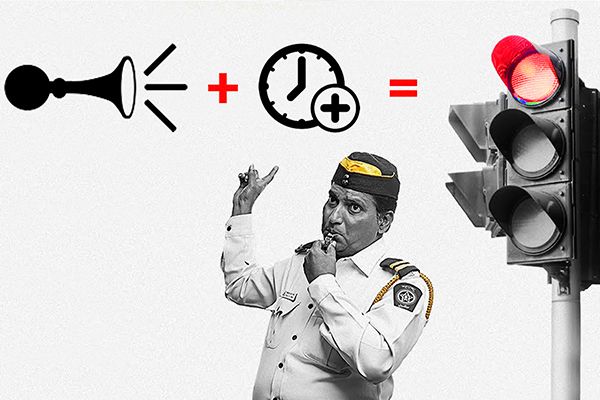
Mumbai’s new smart traffic lights are equipped with state-of-the-art noise-sensing technology that detects the volume of honking at red lights. The system uses sensors installed near traffic signals to pick up on the noise levels produced by vehicles. When the noise reaches a certain threshold, indicating that drivers are honking excessively, the traffic light system is designed to hold the red light longer. The idea behind this approach is to encourage drivers to be more patient and reduce the use of the horn.
The sensors are highly sensitive and are connected to the city’s centralized traffic management system. When they detect high levels of honking, the system sends a signal to the traffic light controller to delay the green light. This delay forces drivers to wait a little longer, discouraging them from honking and giving them an opportunity to practice patience. Over time, the system aims to teach drivers that honking is not an effective solution to traffic delays, reducing overall noise pollution in the process.
This innovative system is part of a broader initiative to modernize Mumbai’s traffic management, which includes the use of AI-powered cameras, smart signals, and advanced traffic flow optimization systems. By introducing such technology, the city is taking a significant step toward solving its congestion and noise problems, paving the way for smarter, more sustainable urban living.
Addressing the Dual Problem of Traffic Congestion and Noise Pollution
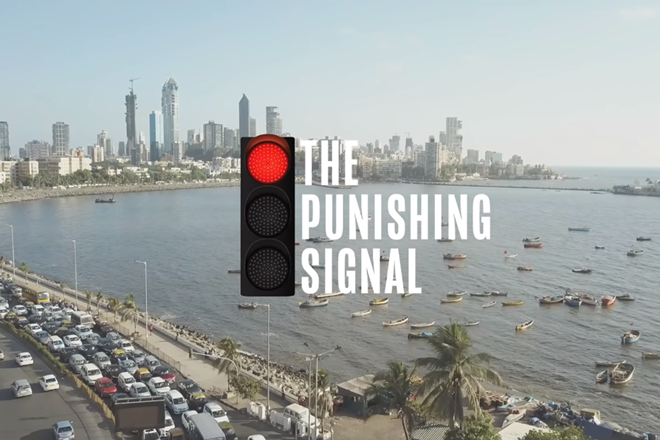
Mumbai, like many large cities around the world, struggles with traffic congestion and noise pollution. These issues have been exacerbated by the rapid growth of the population, the increase in vehicle numbers, and outdated traffic management systems. For years, honking at red lights has been a common problem, with drivers frequently using their horns in frustration when stuck in traffic. This constant honking contributes to the noise pollution levels in the city, which can have detrimental effects on residents’ health.
By introducing the smart traffic lights, Mumbai is targeting both of these issues. On the one hand, the system aims to alleviate congestion by reducing the temptation to honk, thus creating a calmer, less chaotic driving environment. On the other hand, it helps mitigate noise pollution, which is an often-overlooked environmental problem. Noise pollution in cities is linked to a variety of health issues, including sleep disturbances, hearing impairment, and increased stress levels. Therefore, this innovation is a step toward improving both traffic conditions and the quality of life in the city.
The Technology Behind Noise-Sensing Traffic Signals
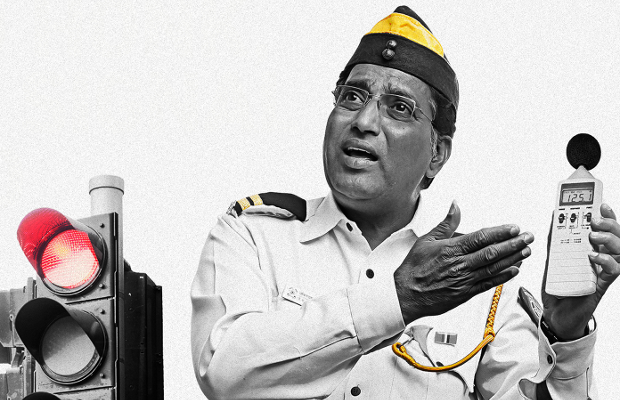
The technology that powers Mumbai’s smart traffic lights is a blend of noise-sensing sensors and AI-driven traffic control systems. These sensors are designed to pick up on the sound frequencies produced by honking vehicles, differentiating them from regular traffic noise. Once honking is detected, the system communicates with the traffic signal controller to adjust the timing of the lights. The more honking detected, the longer the red light stays.
The system is designed to work dynamically, adjusting traffic light timing based on real-time conditions. This allows for a more efficient flow of traffic while also reducing unnecessary waiting times at intersections. By holding the green light slightly longer when drivers are honking excessively, the system encourages a more patient approach to driving, which can have a positive impact on both traffic flow and overall road safety.
This advanced system represents a significant leap forward in the use of AI and smart technology for urban planning. As cities like Mumbai continue to expand, it’s clear that the integration of such technology will play a critical role in managing future urban challenges, from traffic management to environmental concerns.
Benefits of Smart Traffic Lights for Mumbai and Beyond
The introduction of noise-sensing traffic lights in Mumbai offers a number of benefits, both immediate and long-term. One of the primary advantages is the reduction in noise pollution, which is a significant concern in densely populated cities. By discouraging unnecessary honking, the system helps create a quieter, more peaceful environment, improving the quality of life for residents.
In addition to reducing noise, the smart traffic lights also aim to improve traffic flow. By preventing the chaos of constant honking and encouraging patience among drivers, the system promotes a more organized and efficient driving environment. This can lead to smoother traffic conditions, reducing congestion and making travel time more predictable.
The potential applications of this technology extend beyond Mumbai. Cities facing similar challenges with traffic congestion and noise pollution could benefit from adopting similar systems. The success of Mumbai’s smart traffic lights could inspire other urban centers to implement similar solutions, creating a network of cities that embrace technology to improve the living conditions of their residents.
Challenges and Limitations of the Noise-Sensing System
While Mumbai’s smart traffic lights are an innovative solution, there are some challenges and limitations to the system. One potential issue is that the noise-sensing technology may not always be able to accurately distinguish between honking and other forms of noise, such as construction sounds or loud music. False positives could result in unnecessary delays at traffic lights, causing frustration among drivers.
Additionally, the effectiveness of the system depends on the cooperation of drivers. If drivers continue to honk despite the delayed light system, the benefits of the system may be lessened. Educating drivers about the importance of using their horns sparingly and promoting patience on the road will be essential for the success of the system.
Moreover, the noise-sensing system requires ongoing maintenance and monitoring to ensure that it continues to function effectively. Regular updates to the system and its sensors will be necessary to keep pace with changes in traffic patterns and technology.
How Mumbai’s Residents Are Reacting
Mumbai’s residents have had mixed reactions to the introduction of the smart traffic lights. On the one hand, many are excited about the potential benefits, including reduced noise pollution and better traffic management. For residents living near busy intersections, the reduction in honking could be a welcome change, improving their daily lives and mental well-being.
On the other hand, some drivers have expressed frustration with the system, particularly those who believe that the longer red light durations could cause delays. While the system is designed to improve overall traffic flow, some commuters feel that it may inconvenience them during peak hours when traffic is already congested.
Despite these concerns, many experts believe that the long-term benefits of the system will outweigh the initial challenges. As drivers become more accustomed to the new rules and the noise-sensing technology continues to evolve, it is expected that Mumbai will see improvements in both traffic conditions and air quality, contributing to a more sustainable urban environment.
How This System Can Shape the Future of Urban Mobility
The success of Mumbai’s smart traffic lights could serve as a model for other cities around the world facing similar traffic and pollution challenges. As urban populations continue to grow, cities will need to adopt innovative solutions to manage their traffic systems efficiently. Smart traffic lights, such as those introduced in Mumbai, represent one of the many ways technology can be used to improve urban mobility and reduce the environmental impact of transportation.
In the future, we may see even more advanced versions of these systems, incorporating additional features such as vehicle-to-infrastructure communication, real-time data analytics, and more sophisticated traffic flow algorithms. These innovations could help further streamline urban transportation, making it safer, faster, and more environmentally friendly.
Conclusion:
Mumbai’s introduction of noise-sensing smart traffic lights is a pioneering step toward improving urban traffic management and reducing noise pollution. This innovative system not only aims to improve traffic flow but also enhances the quality of life for residents by promoting patience on the road and reducing harmful noise. The potential for expanding this technology to other cities is significant, and as Mumbai’s smart traffic lights evolve, they could become a key component in creating smarter, more sustainable cities in the future.
The success of this initiative will depend on continued public education, the adaptation of drivers, and the ongoing refinement of the technology. However, with the growing awareness of environmental and health concerns, Mumbai’s smart traffic lights offer a glimpse into the future of urban mobility—one that prioritizes sustainability, efficiency, and the well-being of its residents.