
Table of Contents
The Significance of Their Discovery
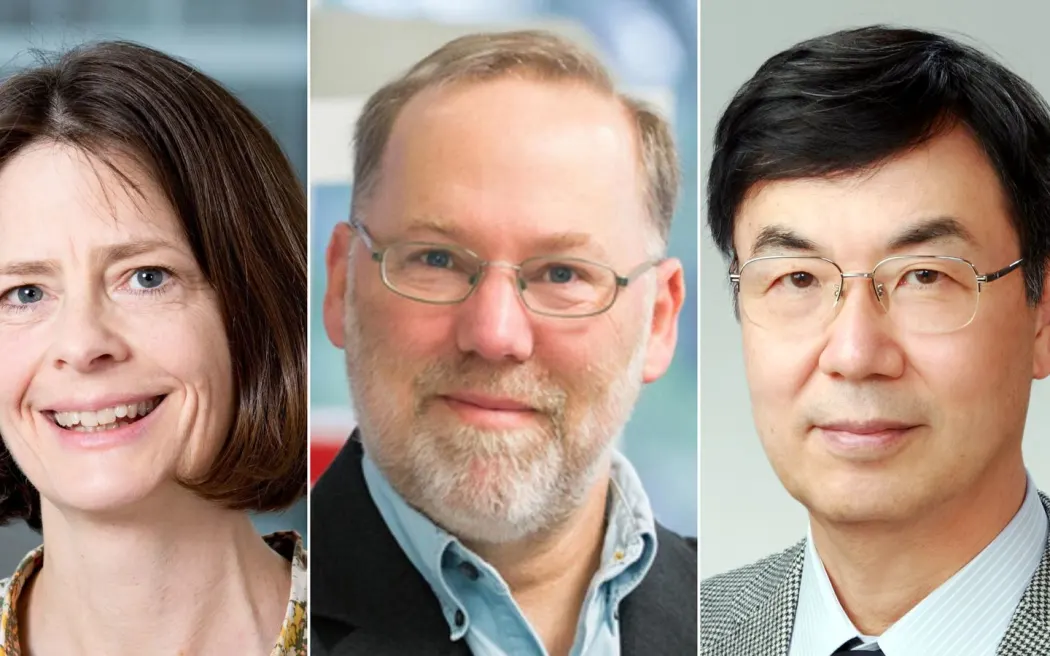
At the core of their research lies a deeper understanding of how the immune system maintains its balance, distinguishing between foreign invaders and the body’s own cells. The work of Brunkow, Ramsdell, and Sakaguchi has revealed critical insights into the regulatory mechanisms that prevent the immune system from attacking the body’s own tissues—a key factor in the development of autoimmune diseases such as rheumatoid arthritis, type 1 diabetes, and lupus.
The Nobel Prize recognizes their contributions to uncovering how T cells, a crucial component of the immune system, are regulated. Specifically, the trio’s research focused on the role of regulatory T cells (Tregs), which act as a safeguard, ensuring the immune system does not turn on itself. Their collective work has provided a clearer picture of immune tolerance, offering new possibilities for treating diseases where this system malfunctions.
A Groundbreaking Study
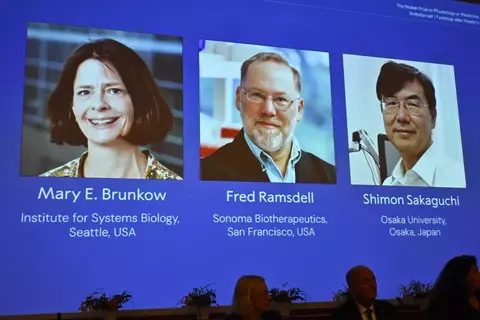
Regulatory T cells (Tregs) are essential for maintaining immune balance. Without them, the immune system may begin to attack the body’s own healthy tissues, leading to autoimmune diseases. Brunkow, Ramsdell, and Sakaguchi’s research elucidated the molecular mechanisms underlying Treg function, specifically how these cells suppress immune responses that would otherwise result in tissue damage.
Their work showed how Tregs are not only critical in preventing autoimmunity but also in controlling the immune response to infections and cancer. By identifying key proteins and genes responsible for Treg development and function, the researchers laid the groundwork for future therapies that could enhance Treg activity to treat autoimmune diseases or suppress it in conditions such as cancer, where the immune system’s ability to target tumor cells is diminished.
This discovery was monumental because it answered long-standing questions about how the immune system differentiates between harmful and self-tissues. It also opened the door to developing therapeutic strategies aimed at enhancing or suppressing immune responses based on these mechanisms.
The Long Road to Discovery
The journey to these groundbreaking findings was not quick or easy. It spanned decades of research, with the trio working across institutions and collaborations to gather critical data. Brunkow’s early work on immune regulation in the 1990s set the foundation for the breakthrough. His identification of mutations in certain genes linked to immune system dysfunction led to a greater understanding of how the immune system could go awry.
Ramsdell’s contributions were equally influential. His exploration of immune cell development and function shed light on how T cells differentiate and mature. It was his research that demonstrated the crucial role of certain proteins in Treg function, which would later be pivotal to their discovery of how the immune system self-regulates.
Sakaguchi’s work completed the trio’s efforts by connecting their research to clinical applications. Known for his insights into immune tolerance and autoimmune disease mechanisms, Sakaguchi’s studies provided the final pieces of the puzzle, confirming the link between regulatory T cells and the prevention of autoimmunity.
Together, these researchers created a comprehensive picture of immune regulation that is now reshaping how we approach immune-related diseases.
What This Means for Autoimmune Disease Treatment
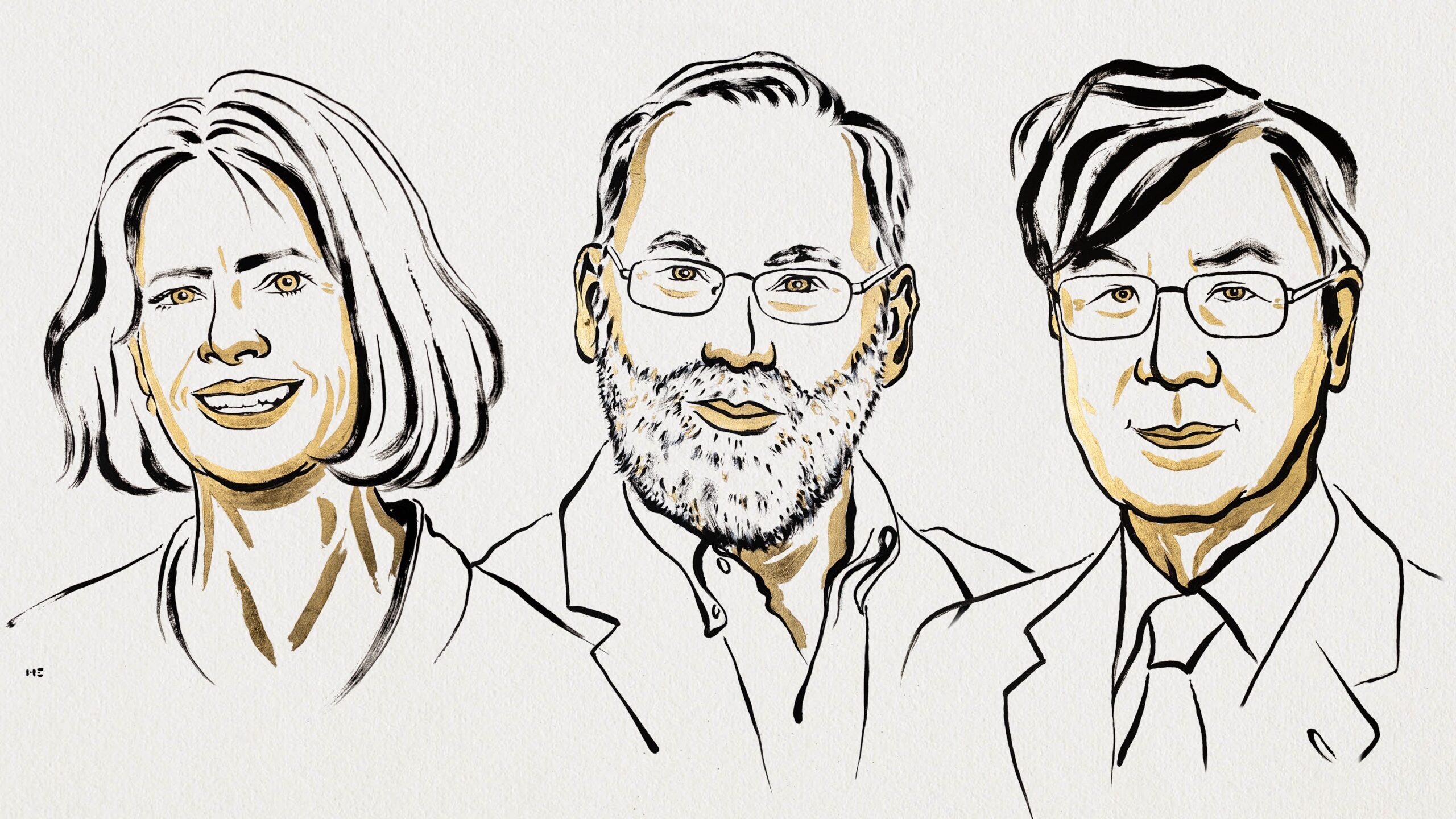
The implications of this discovery for autoimmune diseases are profound. Autoimmune diseases occur when the immune system mistakenly targets the body’s own tissues. By enhancing our understanding of how the immune system differentiates between foreign invaders and self-tissues, researchers can now develop therapies that restore balance to the immune system.
For instance, the use of Tregs in therapeutic treatments is an exciting frontier. Researchers may soon be able to develop drugs or treatments that boost the function of Tregs, helping to suppress harmful immune responses in conditions like rheumatoid arthritis or multiple sclerosis. Alternatively, in cancer therapy, where the immune system often fails to target and destroy tumor cells, manipulating Tregs could be used to enhance the immune response against cancer cells.
This discovery has already begun to influence clinical trials and research into immune-modulating therapies. Experts believe that the insights gained from Brunkow, Ramsdell, and Sakaguchi’s work will lead to more targeted and effective treatments, offering hope to millions who suffer from autoimmune diseases or other immune system disorders.
The Role of Immunotherapy in Cancer Treatment
Beyond autoimmune diseases, the researchers’ work also holds promise for cancer immunotherapy. One of the greatest challenges in cancer treatment is the immune system’s failure to recognize and attack cancer cells. Tumors can evade the immune system through various mechanisms, including by manipulating Tregs to suppress immune responses. By better understanding how Tregs work, scientists could develop strategies to inhibit their function in cancer patients, thereby boosting the immune system’s ability to target and eliminate tumors.
This research is already making waves in the field of cancer treatment. Immunotherapy, which harnesses the body’s immune system to fight cancer, has shown remarkable promise in recent years. With the new insights into immune regulation, therapies can be more precisely tailored to target the underlying mechanisms that allow cancer to evade immune detection, leading to more effective and personalized treatments.
The Growing Field of Immunology
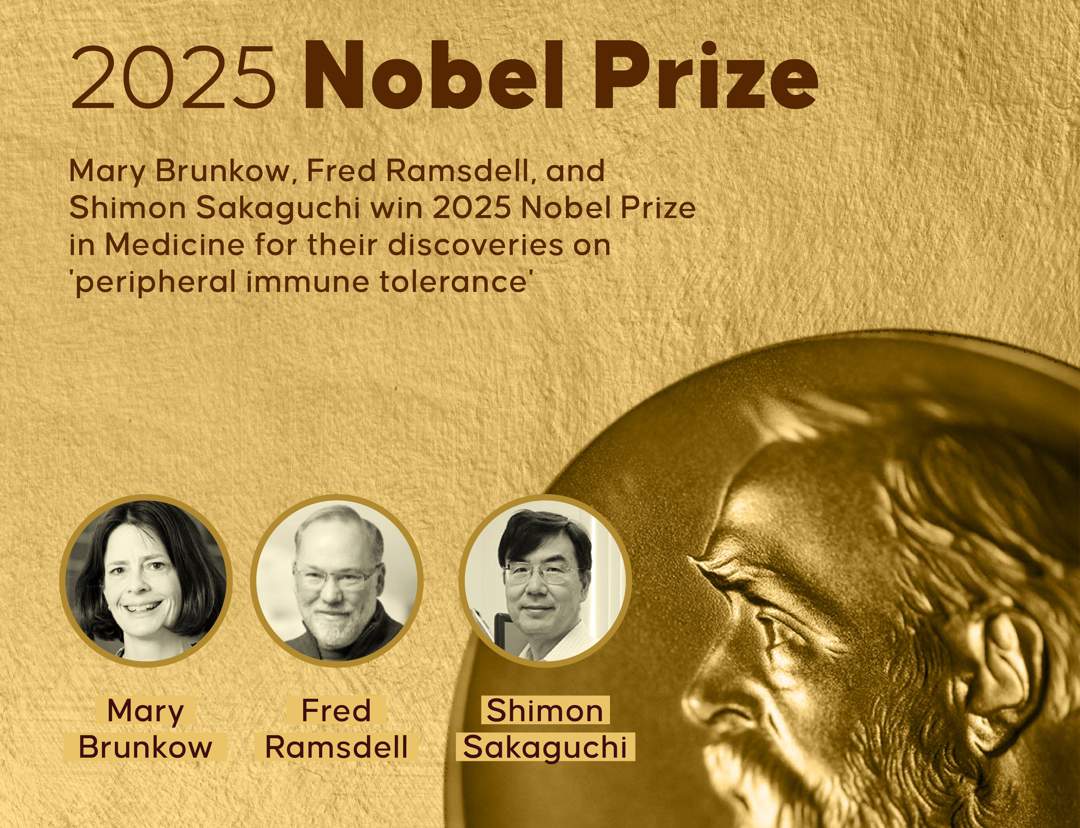
The Nobel Prize awarded to Brunkow, Ramsdell, and Sakaguchi highlights the growing importance of immunology as a field of research. In recent decades, advances in understanding the immune system have led to groundbreaking treatments for a variety of diseases, from cancer immunotherapies to vaccines for infectious diseases.
The recognition of these three scientists’ contributions further underscores the critical role of immunology in modern medicine. As the immune system is implicated in more and more diseases, ranging from allergies to cancer, the importance of this field will only continue to grow. New breakthroughs in immune regulation, such as those discovered by Brunkow, Ramsdell, and Sakaguchi, are laying the groundwork for future treatments that could save millions of lives.
What This Means for the Future of Medicine
As the field of immunology continues to evolve, the discoveries made by Brunkow, Ramsdell, and Sakaguchi will likely be foundational to future breakthroughs in medicine. The ability to manipulate immune responses, whether by enhancing the function of regulatory T cells or by suppressing them in cases of cancer, will be a major focus of research in the coming years.
Additionally, the application of immune modulation could extend to areas such as aging, neurodegenerative diseases, and even organ transplantation, where immune tolerance plays a key role. As we move forward, the promise of these discoveries will shape the future of personalized medicine, offering tailored treatments based on a patient’s unique immune profile.
Conclusion:
The Nobel Prize awarded to Brunkow, Ramsdell, and Sakaguchi for their work on immune system regulation marks a transformative moment in the world of medicine. Their research has not only advanced our understanding of the immune system but has also opened up new possibilities for treating autoimmune diseases, cancer, and a host of other conditions. With ongoing research building on their discoveries, the future of immunology is brighter than ever. As we move forward, these groundbreaking insights will likely lead to more targeted, effective, and personalized treatments, revolutionizing the way we approach immune-related health challenges.