
Table of Contents
- A Petition That Sparked National Debate
- The Political Climate Behind the Petition
- Melania Trump’s Immigration Background
- Symbolism Over Legal Reality
- Public Reaction and Polarization
- Immigration Enforcement and Perceived Hypocrisy
- Legal Experts Weigh In
- Media Amplification and Social Media Dynamics
- The Broader Question of Fairness
- What This Moment Reveals About Immigration Politics
A Petition That Sparked National Debate
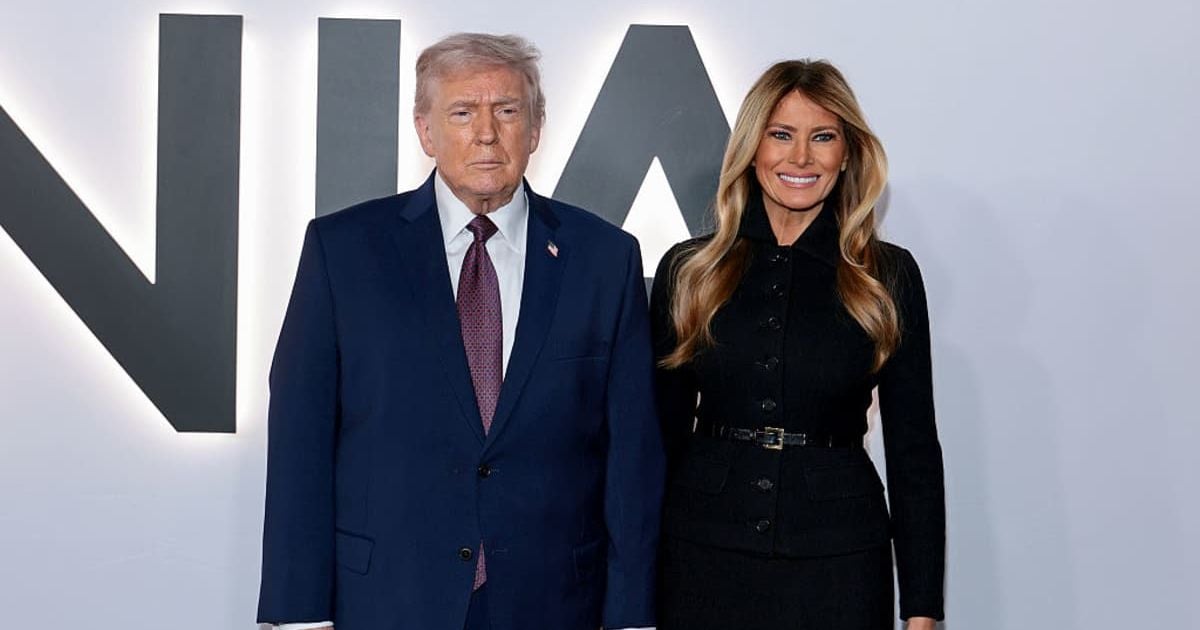
When news broke that thousands of people had signed a petition calling for the deportation of Melania Trump, the reaction across the United States was immediate and polarizing. The petition did not emerge in isolation. It surfaced amid renewed immigration enforcement rhetoric and policy proposals from Donald Trump, placing the former first lady unexpectedly at the center of a heated national conversation.
The petition’s language was blunt, arguing that if immigration laws are to be applied strictly, they should apply equally to everyone, regardless of wealth, power, or political connection. For supporters, it was a symbolic protest. For critics, it crossed a moral and political line.
What followed was not merely outrage or support, but a deeper debate about fairness, legality, and the selective enforcement of immigration laws.
The Political Climate Behind the Petition
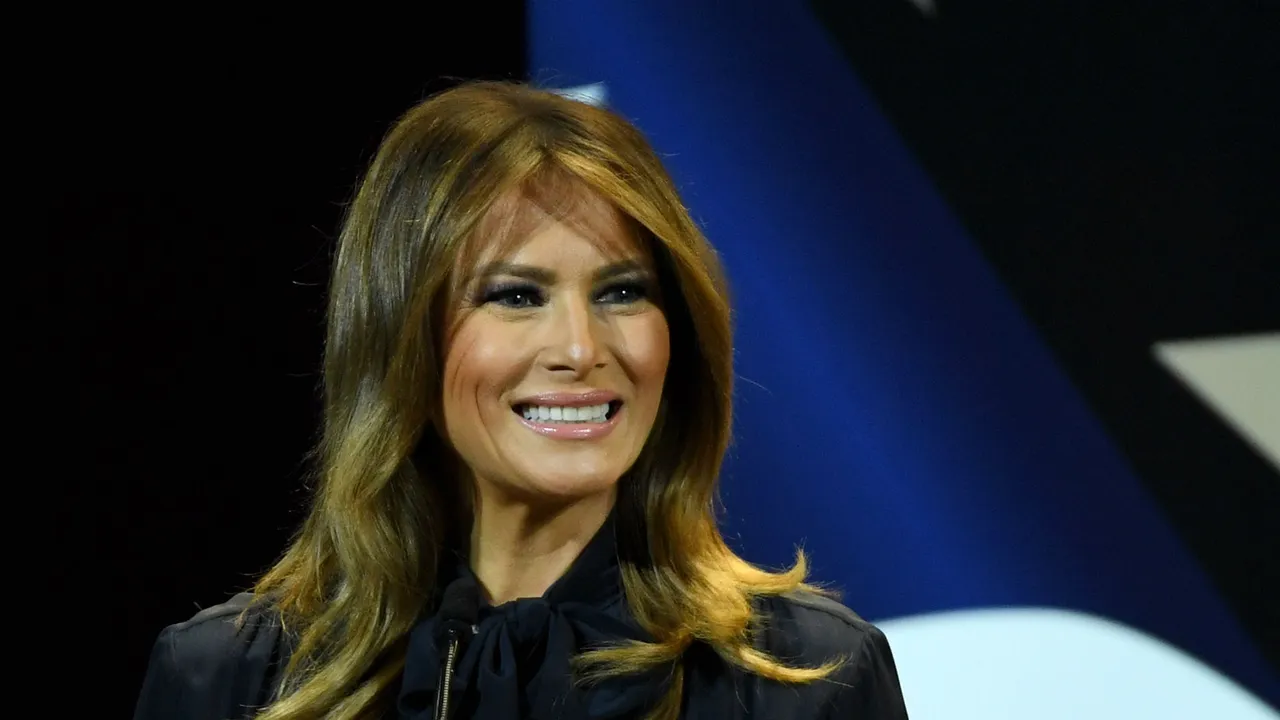
The petition gained traction during a period of intensified immigration rhetoric in the United States. Donald Trump’s renewed emphasis on deportations, border enforcement, and immigration crackdowns revived policies that once defined his presidency.
Supporters of the petition framed it as a response to what they viewed as hypocrisy. They argued that harsh enforcement measures often target vulnerable immigrants while overlooking those with status, wealth, or influence.
In this climate, Melania Trump became a symbol rather than a target in the traditional sense. The petition reflected frustration with unequal power dynamics rather than a literal expectation of deportation.
Melania Trump’s Immigration Background
Melania Trump was born in Slovenia and later immigrated to the United States. She eventually became a US citizen through legal pathways, including employment based visas and later naturalization.
Supporters of Melania Trump emphasize that her immigration process followed existing laws. Critics counter that access to legal pathways is not equally available to all immigrants, particularly those without wealth, professional networks, or legal representation.
This contrast between legal compliance and systemic inequality lies at the heart of the controversy.
Symbolism Over Legal Reality
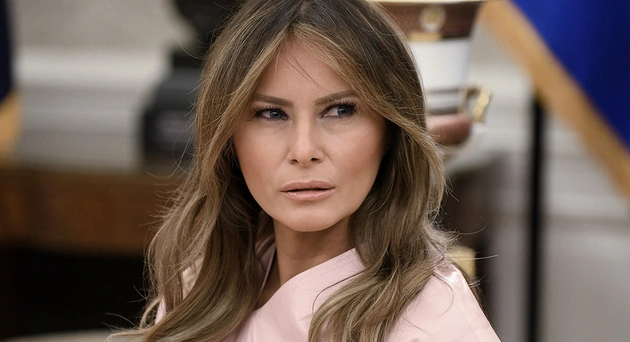
Legally, the petition has no authority to initiate deportation proceedings. Melania Trump is a naturalized citizen and therefore not subject to deportation under immigration law.
However, the petition was never primarily about legal feasibility. Its purpose was symbolic, highlighting perceived double standards in how immigration laws are discussed and enforced.
By naming a high profile figure, petition organizers aimed to provoke conversation rather than action. They wanted to force a question into public discourse. If laws are applied harshly to some, why are others shielded from scrutiny.
Public Reaction and Polarization
Public reaction was swift and divided. Some viewed the petition as a form of political satire or protest. Others condemned it as cruel, misogynistic, or inappropriate.
Supporters argued that discomfort was the point. They claimed that immigration policies often separate families and cause suffering, yet rarely affect those in positions of privilege.
Opponents countered that targeting an individual immigrant, especially one who followed legal processes, undermines the moral argument for humane immigration reform.
The controversy revealed how deeply personal and emotional immigration debates have become.
Immigration Enforcement and Perceived Hypocrisy
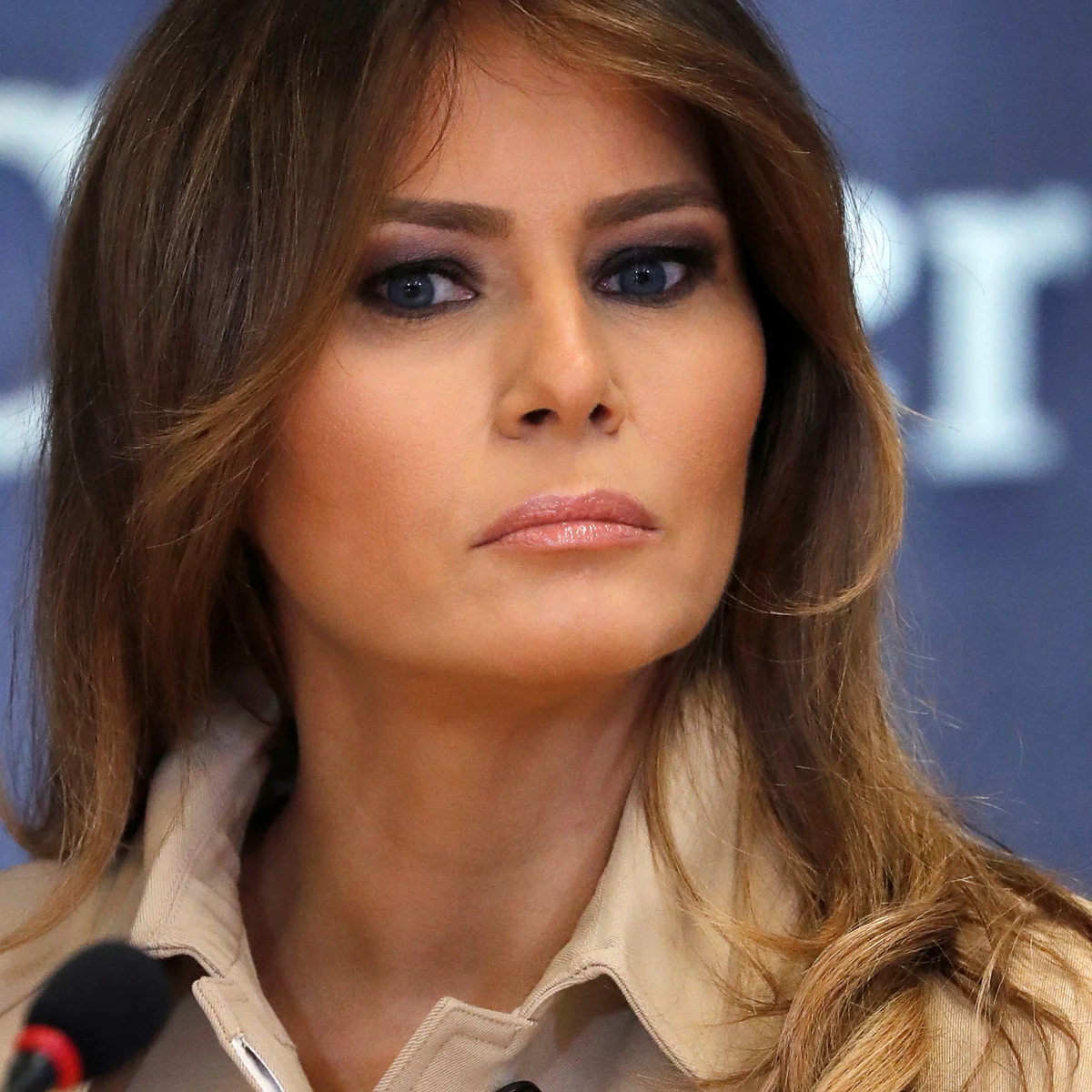
Donald Trump’s immigration stance has long emphasized strict enforcement, mass deportations, and reduced pathways for asylum and migration. Critics argue that these policies disproportionately affect marginalized communities.
The petition leveraged this context, suggesting that calls for strict enforcement should logically apply to all immigrants, not just the poor or undocumented.
Whether fair or not, the argument tapped into widespread frustration with a system perceived as selective and inconsistent.
Legal Experts Weigh In
Legal scholars quickly clarified that the petition had no basis in law. Citizenship status provides full protection from deportation absent extraordinary circumstances.
Experts emphasized the danger of conflating symbolic protest with legal reality. While political speech is protected, targeting individuals based on immigration status can fuel xenophobia.
At the same time, some experts acknowledged that the petition reflects legitimate grievances about inequality in immigration enforcement.
Media Amplification and Social Media Dynamics
The petition spread rapidly through social media platforms, where outrage and engagement often reinforce one another. Headlines, hashtags, and viral posts amplified the story beyond its original scope.
In this environment, nuance struggled to survive. Many discussions focused on emotional reactions rather than structural issues within immigration policy.
The episode illustrates how digital activism can magnify symbolic actions into national controversies within hours.
The Broader Question of Fairness
Beyond Melania Trump, the petition raises a broader ethical question. Should immigration enforcement prioritize legality alone, or should it consider humanitarian impact and systemic inequality.
Critics of strict enforcement argue that laws should be applied with compassion and context. Supporters argue that selective enforcement undermines the rule of law.
The petition forced these competing philosophies into direct confrontation.
What This Moment Reveals About Immigration Politics
The petition calling for Melania Trump’s deportation is unlikely to have lasting legal consequences. Its significance lies elsewhere.
It reflects a society grappling with fairness, power, and accountability in immigration policy. It reveals how quickly political rhetoric can turn personal, and how symbolic actions can ignite serious debate.
As immigration remains one of the most divisive issues in American politics, this episode underscores a central tension. Laws may be written uniformly, but their impact is rarely felt equally.
What happens next will depend not on petitions, but on whether the conversation shifts from targeting individuals to addressing the deeper structures that shape who is protected, who is punished, and why.