
Table of Contents
- A Resurfacing Theory That Refused to Fade
- What Chemtrail Claims Actually Assert
- Why These Theories Gain Traction During Crisis
- The Role of Public Figures and Political Amplification
- How Chemtrail Myths Undermine Climate Action
- Scientific Consensus and Atmospheric Reality
- Social Media Algorithms and Misinformation Spread
- The Cost to Public Trust in Institutions
- Why Debunking Alone Is Not Enough
- What This Clash Means for the Future of Climate Discourse
A Resurfacing Theory That Refused to Fade
When chemtrail conspiracy theories began circulating again across social media and political commentary, scientists and environmental experts grew increasingly alarmed. The claims suggested that aircraft were deliberately dispersing chemicals into the atmosphere to manipulate weather, control populations, or alter the climate. Despite decades of scientific debunking, the theory once again found a receptive audience.
What made this resurgence particularly troubling was its timing. The world is facing intensifying climate disruption, record breaking heat, extreme weather events, and accelerating ecological damage. Yet public attention was being redirected toward an unfounded narrative that offers a simple villain instead of a complex reality.
This collision between conspiracy and climate science highlights a deeper crisis, not of chemistry, but of trust.
What Chemtrail Claims Actually Assert
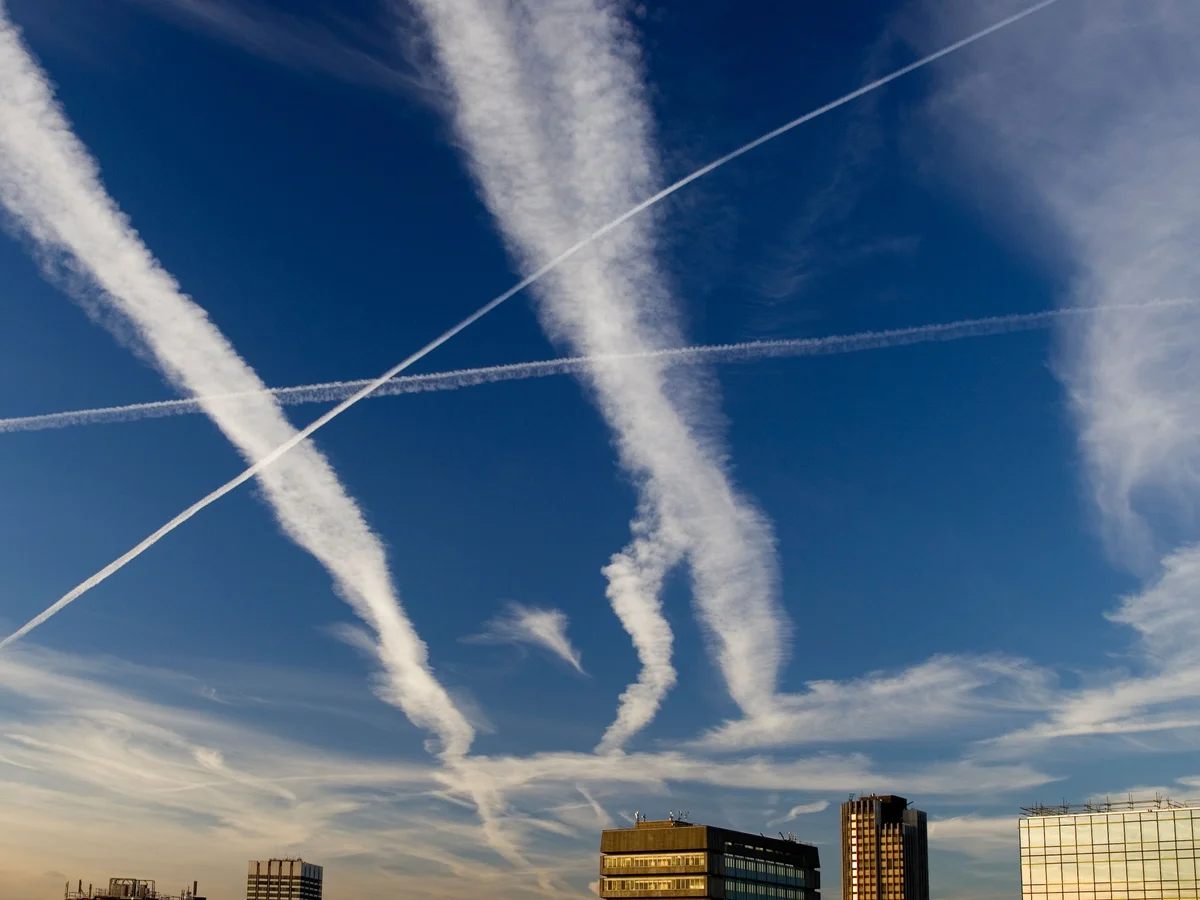
Chemtrail conspiracy theories claim that the white trails left by high altitude aircraft are not harmless condensation, but toxic chemicals intentionally sprayed for secret purposes. These theories often point to alleged government programs, shadowy elites, or climate manipulation experiments.
In reality, the trails observed in the sky are contrails, short for condensation trails, formed when hot aircraft exhaust meets cold air at high altitude. This process has been understood for decades and is explained by basic atmospheric physics.
Despite this clarity, the persistence of chemtrail beliefs reveals how scientific explanations can struggle against emotionally compelling narratives.
Why These Theories Gain Traction During Crisis
Periods of uncertainty often breed conspiracy thinking. Climate change represents an enormous, slow moving crisis with no single villain and no easy solution. For many people, this complexity creates anxiety and frustration.
Chemtrail theories offer something simpler. They replace systemic problems with intentional acts and visible symbols. A white streak in the sky becomes a target for anger and fear.
Psychologists note that conspiracy theories often flourish when people feel powerless. Believing someone is in control, even maliciously, can feel more tolerable than accepting randomness or collective responsibility.
The Role of Public Figures and Political Amplification

The spread of chemtrail claims has been amplified when public figures lend them legitimacy, intentionally or otherwise. When politicians or influencers repeat or entertain such ideas, they shift them from fringe belief to mainstream discussion.
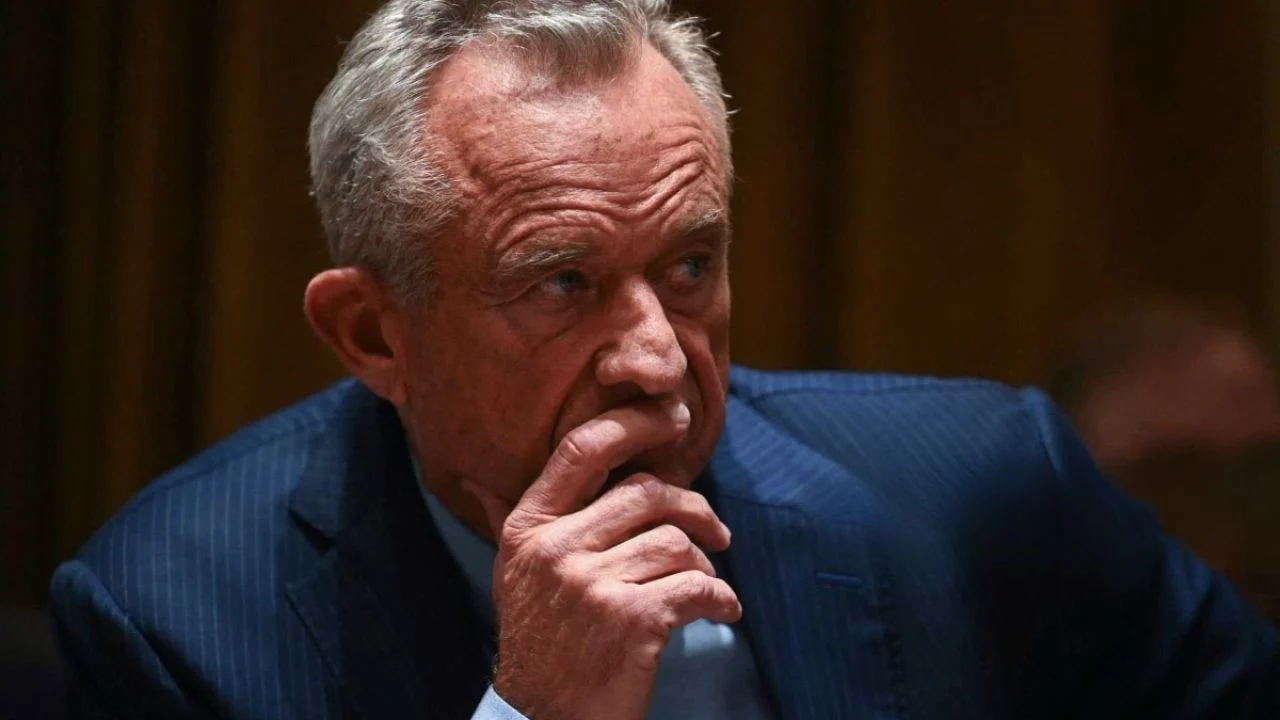
In recent debates around environmental policy, figures such as Robert F. Kennedy Jr. have drawn scrutiny for comments that appear to blur the line between skepticism and endorsement of conspiratorial thinking.
Scientists argue that even vague suggestions can have outsized impact, especially when they come from recognizable names. Credibility, once attached, is difficult to undo.
How Chemtrail Myths Undermine Climate Action
One of the most damaging effects of chemtrail conspiracies is distraction. Instead of addressing fossil fuel emissions, deforestation, or industrial pollution, public energy is diverted toward imaginary threats.
Environmental researchers warn that misinformation erodes the urgency needed for collective action. If climate change is framed as a secret spraying operation rather than a result of human driven emissions, accountability disappears.
This shift in narrative allows powerful polluters to escape scrutiny while public debate spirals into false controversy.
Scientific Consensus and Atmospheric Reality
The scientific community has been unequivocal. There is no evidence of secret chemical spraying programs conducted through commercial or military aviation. Thousands of atmospheric scientists, pilots, and engineers have publicly explained contrail formation and atmospheric chemistry.
Major scientific institutions confirm that climate change is driven by greenhouse gas accumulation, primarily carbon dioxide and methane, resulting from burning fossil fuels.
The contrast between overwhelming evidence and persistent disbelief underscores how facts alone are sometimes insufficient to change minds.
Social Media Algorithms and Misinformation Spread
Modern information ecosystems play a crucial role in sustaining conspiracy theories. Social media algorithms often prioritize engagement over accuracy, amplifying sensational claims because they provoke emotional reactions.
Videos and posts about chemtrails frequently generate high interaction, encouraging platforms to push them to wider audiences. As repetition increases, false ideas begin to feel familiar and therefore credible.
Experts argue that this feedback loop accelerates the spread of misinformation faster than scientific correction can keep pace.
The Cost to Public Trust in Institutions
Chemtrail conspiracies do not exist in isolation. They are part of a broader erosion of trust in institutions, including science, government, and media.
When people believe experts are lying about something visible in the sky, they may also distrust warnings about heat waves, sea level rise, or public health risks. This skepticism can have real world consequences.
Public trust is essential for coordinated responses to crises. Without it, even accurate information struggles to mobilize action.
Why Debunking Alone Is Not Enough
Scientists have repeatedly debunked chemtrail theories, yet belief persists. This has led experts to reconsider communication strategies.
Research suggests that direct confrontation can sometimes reinforce beliefs rather than dismantle them. More effective approaches involve explaining scientific processes clearly, acknowledging fears, and building relationships with communities.
Combating misinformation requires not just facts, but empathy, patience, and sustained engagement.
What This Clash Means for the Future of Climate Discourse
The persistence of chemtrail conspiracies alongside escalating climate emergencies reveals a fundamental challenge of the modern era. Humanity’s greatest threats are complex, global, and often invisible, while false explanations are simple, dramatic, and emotionally satisfying.
If societies cannot distinguish evidence from speculation, meaningful climate action becomes harder to achieve. The danger is not that people believe planes are spraying chemicals, but that such beliefs divert attention from the real forces reshaping the planet.
What happens next will depend on whether institutions, educators, and communities can rebuild trust and refocus public conversation on reality. The sky above us is not the enemy. The crisis lies in what we choose to believe, and what we choose to ignore.