
Table of Contents
What They Say About Trump’s Mental Fitness
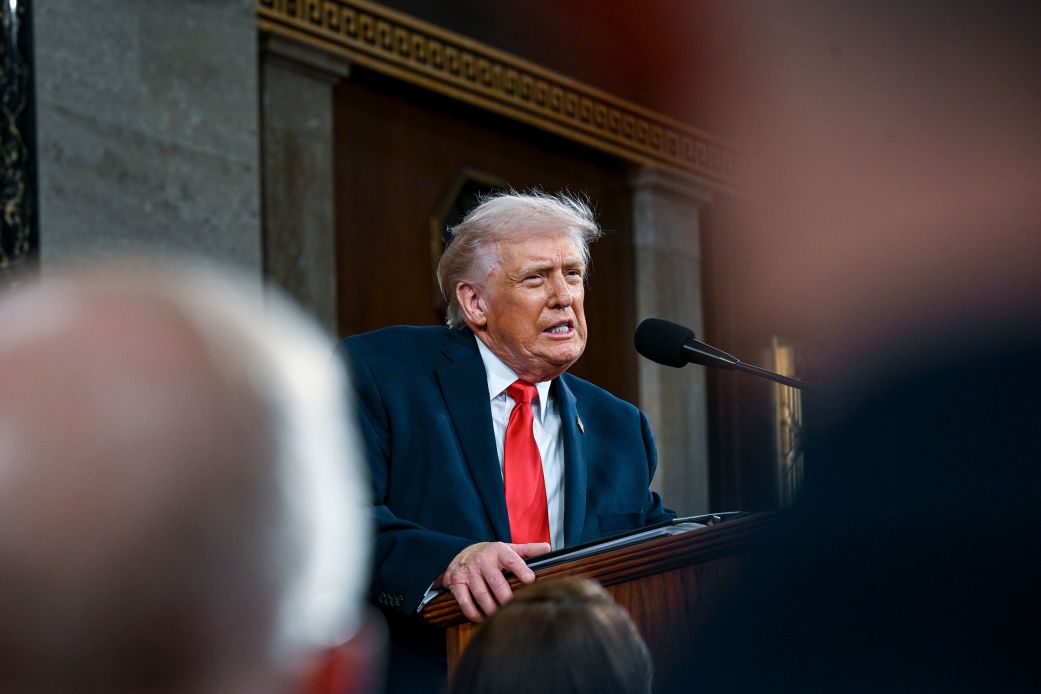
Recent polls have shown a notable shift in public perception regarding Donald Trump’s mental fitness. According to a survey conducted by ABC News and Ipsos, a significant portion of Americans, including a sizable percentage of Republicans, are beginning to express doubts about Trump’s ability to handle the pressures of another presidential term. In particular, questions about his cognitive health have gained traction, with many pointing to his age, his occasional public gaffes, and his combative rhetoric as red flags.
The polls reveal a clear divide along party lines. While Democrats and independents are more likely to express concern about Trump’s mental state, a considerable number of Republican voters still support him and dismiss these concerns as politically motivated. Nevertheless, the fact that even some Republicans are starting to question his mental fitness signals that these concerns are not entirely unfounded. The issue is further complicated by the fact that mental fitness in the context of political leadership is not easily measurable, making it a challenging topic for public debate.
Trump’s Age and Mental Fitness
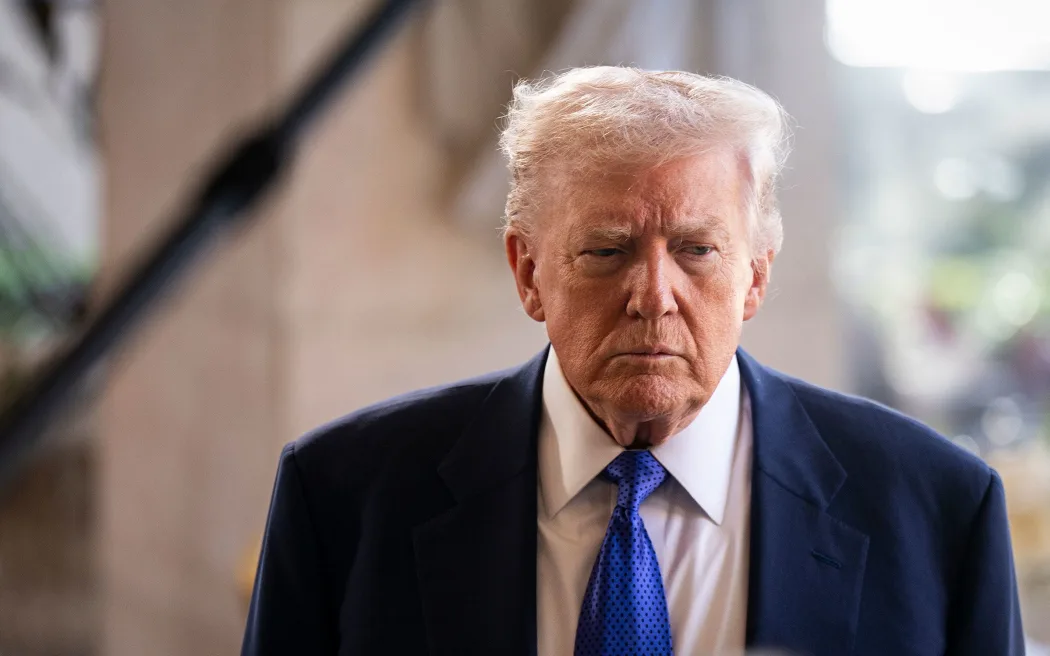
One of the key factors contributing to the growing concerns over Trump’s mental fitness is his age. At 80 years old, Trump would be the oldest president in U.S. history if he were to win a second term in 2026. Age-related cognitive decline is a natural part of the human aging process, and many worry that Trump’s age could impact his ability to perform the demanding duties of the presidency.
While there is no definitive scientific evidence linking age with cognitive decline in every individual, studies have shown that aging can affect memory, decision-making, and other cognitive functions. For Trump, this concern has been amplified by his combative public persona and occasional verbal slip-ups during speeches. Critics argue that these moments raise red flags about his cognitive abilities, while his supporters view these incidents as inconsequential, attributing them to the stress of his previous presidency.
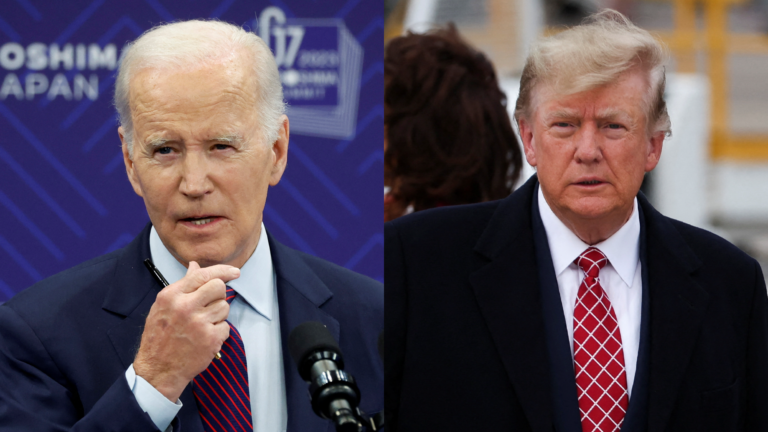
However, it is important to note that the debate over Trump’s age and mental fitness is not unique to him. Other potential 2026 candidates, including President Joe Biden, who is also in his 80s, face similar concerns about age and mental acuity. This has led some political analysts to question whether age should play a more significant role in evaluating presidential candidates and whether the U.S. needs to reconsider its approach to leadership in the modern era.
Red Flags or Political Strategy?
Another factor contributing to concerns about Trump’s mental fitness is his public rhetoric. Throughout his political career, Trump has been known for his fiery speeches, bold claims, and combative language. While some view this as part of his populist appeal, others see it as a symptom of instability. His use of inflammatory language, often aimed at his political opponents or the media, has raised alarms about his ability to maintain control over his emotions and decision-making processes.
Some critics argue that Trump’s behavior—such as his frequent attacks on the press and his tendency to resort to personal insults—suggests a lack of impulse control and emotional regulation. These qualities, they argue, could hinder his ability to lead effectively, particularly in a high-pressure environment like the presidency. However, Trump’s supporters often defend his rhetoric as a deliberate strategy designed to rally his base and disrupt the political establishment. They see his unorthodox communication style as a sign of strength and authenticity, rather than a sign of instability.
The question remains: is Trump’s rhetoric a sign of a leader who is in control, or is it a reflection of a deeper issue with mental fitness? This debate is likely to continue as the election cycle progresses, with each side using Trump’s public statements to support their position.
Assessing Trump’s Mental Health
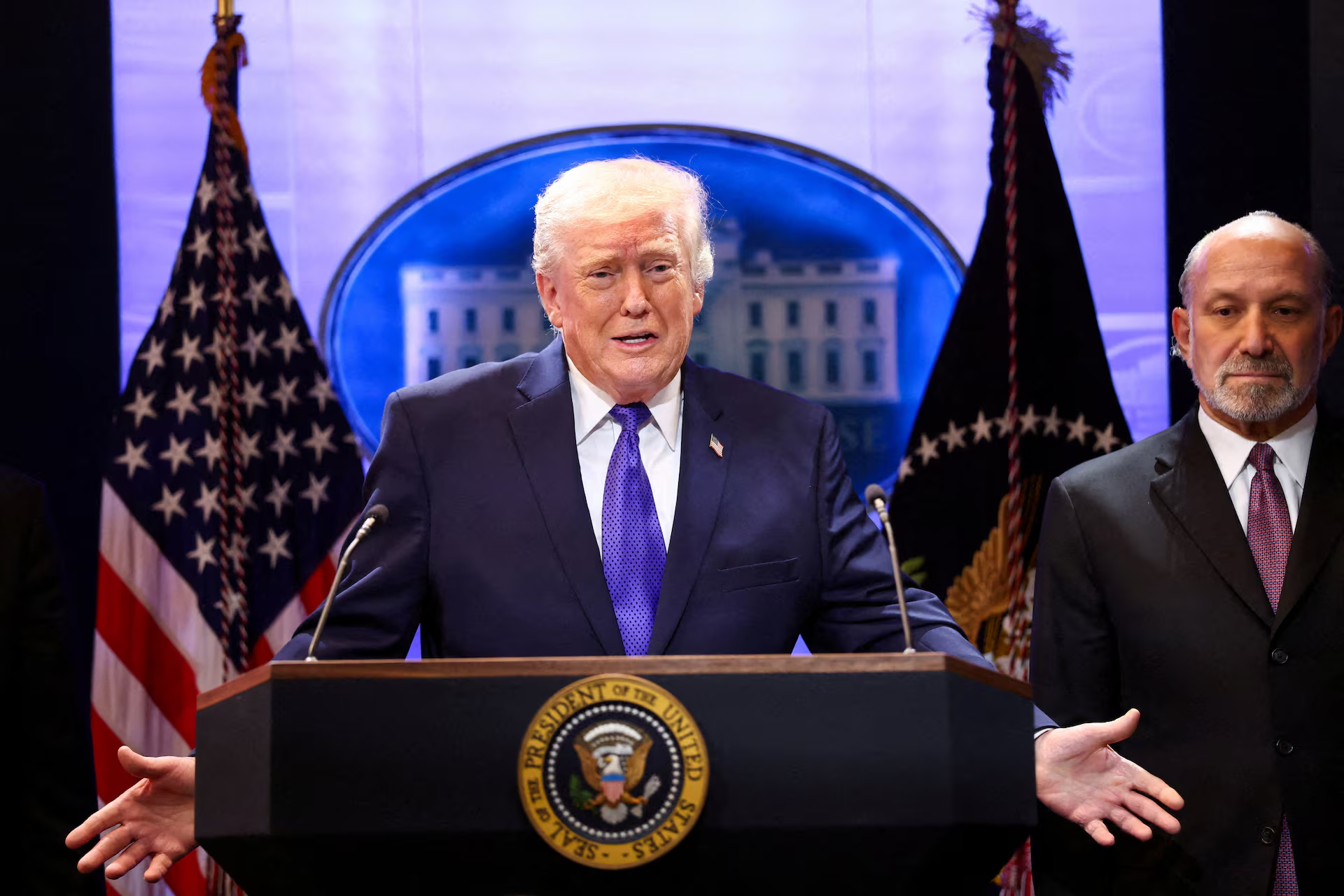
In response to the growing concerns about Trump’s mental fitness, some medical professionals have weighed in on the matter. While some experts have openly questioned Trump’s cognitive health, others argue that these concerns are exaggerated and politically motivated. However, without a formal evaluation from a licensed medical professional, it is impossible to definitively assess Trump’s mental state.
In the past, Trump has faced criticism for his refusal to release his medical records or undergo a comprehensive mental health evaluation. This has fueled skepticism among critics, who argue that transparency is essential for any candidate, particularly when concerns about mental fitness are being raised. Some have called for Trump to undergo a thorough cognitive evaluation, similar to those conducted for other presidential candidates, in order to put these questions to rest. However, Trump has dismissed these calls, claiming that he is in good health and mentally fit to serve.
How Concerned Are Voters?
While the media and political elites have raised concerns about Trump’s mental fitness, the general public seems divided on the issue. According to the polls, many voters are not overly concerned about Trump’s mental health, especially among his core supporters. For these voters, Trump’s ability to communicate his ideas and challenge the status quo is more important than his cognitive abilities. They view his occasional verbal missteps as inconsequential or even part of his charm.
However, a growing number of swing voters and independents are expressing reservations about Trump’s fitness for office. As the 2026 election approaches, this group could prove crucial in determining the outcome. If Trump fails to address concerns about his mental health and cognitive abilities, he risks losing the support of moderate voters who may see his age and behavior as a liability.
The Media’s Role in Shaping the Narrative
The media has played a significant role in shaping the narrative around Trump’s mental fitness. In recent years, major news outlets have frequently covered his public speeches, focusing on instances where his rhetoric or behavior has been deemed problematic. This has contributed to the growing perception that Trump’s mental fitness is an issue that needs to be addressed.
On the other hand, Trump’s supporters argue that the media is biased and intentionally distorting his actions to discredit him. They believe that the media’s focus on his occasional verbal slip-ups is an attempt to undermine his credibility and distract from his political accomplishments. For many, this media-driven narrative has only strengthened their support for Trump, as they view it as part of a larger effort to vilify him.
The Future of Trump’s Political Career
As the 2026 election approaches, questions about Trump’s mental fitness will likely continue to dominate political discourse. While some voters remain steadfast in their support of the former president, others are beginning to question whether he is the right candidate to lead the country again. These concerns could have a significant impact on his ability to secure the Republican nomination and win the general election.
In the coming months, Trump’s campaign will need to address these concerns head-on. Whether he chooses to release more information about his health, undergo a formal evaluation, or simply dismiss the criticisms as politically motivated will shape the narrative surrounding his candidacy. For many, the 2026 election will be a test not just of Trump’s policies but of his fitness to hold the highest office in the land.
What It Means for the 2026 Election
The question of Donald Trump’s mental fitness is not just a political issue—it is one that touches on broader concerns about leadership, transparency, and the health of American democracy. As voters begin to weigh Trump’s age, rhetoric, and public behavior, it will be essential for the former president to address these concerns in a meaningful way. Whether or not he can do so will likely play a key role in his ability to secure the Republican nomination and, ultimately, the presidency in 2026. In a time when trust in political leaders is at an all-time low, mental fitness may be one of the most important issues for voters in the coming election.