
Table of Contents
- A Strategic Waterway at the Center of Global Anxiety
- From Coalition of the Willing to Coalition of the Wary
- Britain’s Refusal Signals a Wider Unease
- Australia Draws a Clear Line
- Japan’s Dilemma Reveals the Limits of Strategic Dependence
- Trump’s Frustration and the Pivot Toward China
- Why Allies Fear Escalation More Than Embarrassment
- The Strait as an Economic Crisis as Much as a Military One
- What This Says About American Power Right Now
- A Waterway Crisis That Exposes a Strategic Divide
A Strategic Waterway at the Center of Global Anxiety
The Strait of Hormuz has long held an outsized place in global politics because of its extraordinary strategic importance. It is one of the world’s most critical maritime chokepoints, a narrow passage through which a large share of internationally traded oil moves each day. Any disruption there can send shockwaves through energy markets, unsettle governments, and create instant anxiety far beyond the Middle East.
That is what makes the latest standoff so serious. When movement through the strait is threatened or restricted, the issue is not confined to regional rivalries. It becomes a global economic concern. Oil importing nations begin calculating risk. Shipping firms reassess routes. Investors react. Governments scramble to protect supplies without triggering a wider conflict.
This explains why Trump’s appeal to allies was framed with urgency. In theory, a coalition of global powers helping secure the waterway would demonstrate strength, deter further disruption, and reassure energy markets. But theory and reality are often separated by the hard politics of risk. For allied leaders, the question was not simply whether the waterway mattered. It was whether entering it with warships would actually solve the problem or instead deepen the crisis.
From Coalition of the Willing to Coalition of the Wary
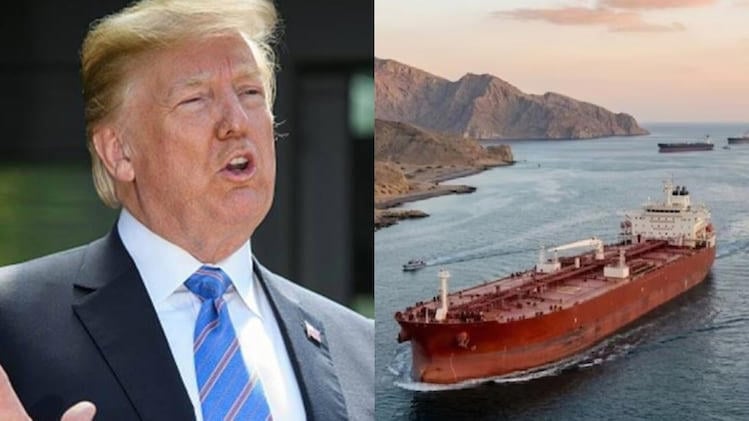
The phrase “coalition of the willing” carries deep political memory. It evokes moments when the United States gathered allies behind military action and treated participation as a test of resolve and partnership. In this case, however, the coalition appeared far less willing than Washington hoped.
That contrast is important because it reveals a change in the strategic mood of America’s partners. These governments were not denying that the Strait of Hormuz matters. They were denying that Trump’s preferred response was the right one. Rather than joining a visibly militarized convoy effort with destroyers and warships, they emphasized alternative forms of support or simply declined outright.
This is not a trivial distinction. Alliances are strongest when partners not only share interests but also agree on methods. Here, the method itself became the problem. The United States appeared to want a public demonstration of maritime force. Its allies appeared to fear that such a demonstration could become the first step into a broader regional war.
That tension has turned the episode into more than a diplomatic setback. It has exposed how even close allies may recoil when Washington pushes for visible military escalation in a region where every move can trigger consequences far beyond the immediate objective.
Britain’s Refusal Signals a Wider Unease
The United Kingdom’s response was especially striking because London has historically been among Washington’s closest military and diplomatic partners. When Britain hesitates on a maritime security request of this kind, the signal is hard to ignore.
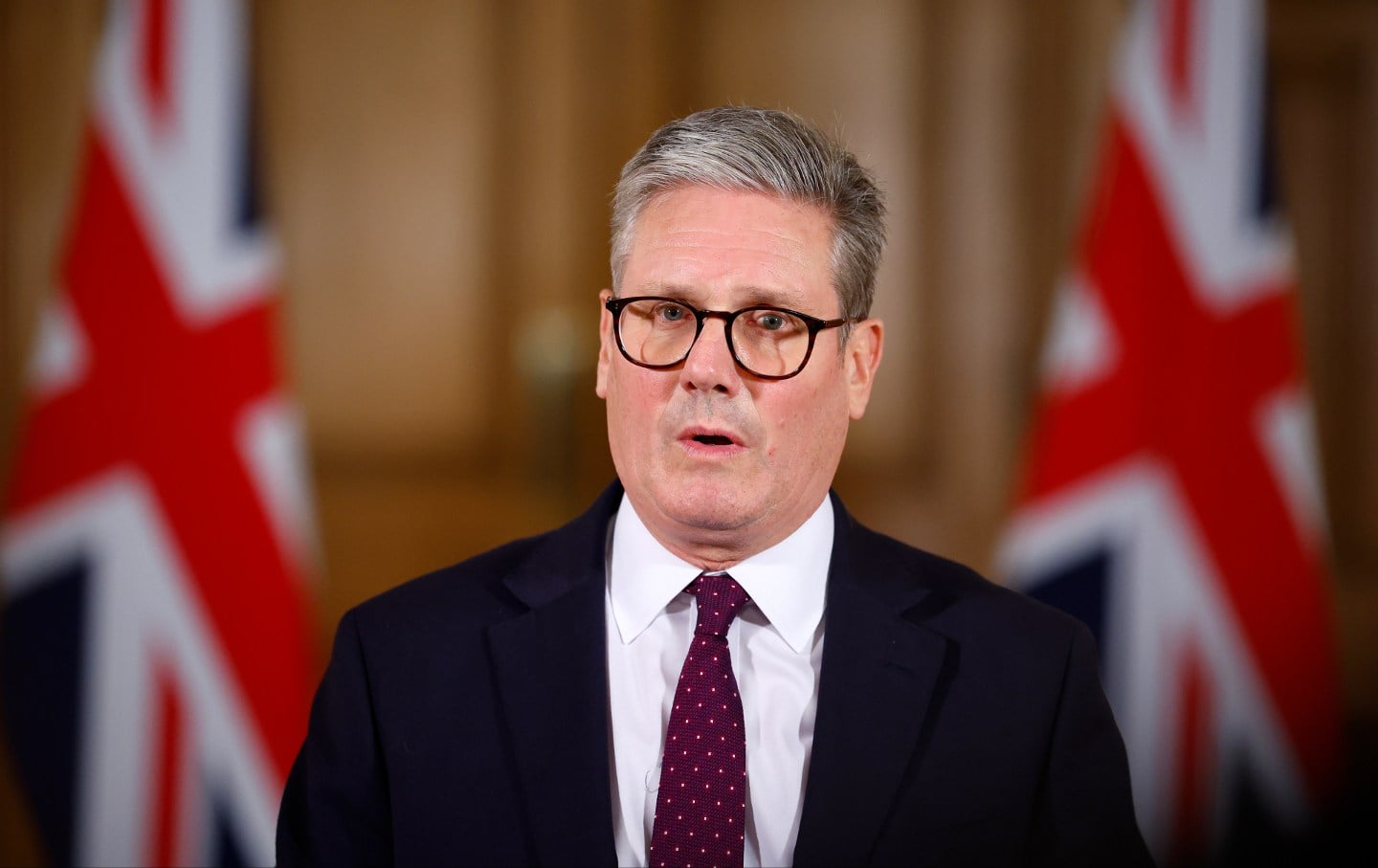
Prime Minister Keir Starmer reportedly told Trump that the UK was not ready to send Royal Navy destroyers into the strait. That decision appears to reflect a larger British calculation that reopening the waterway is important, but doing so through direct naval escalation carries risks London is unwilling to absorb. Instead, British officials indicated that other forms of assistance, such as mine hunting drones, could be considered.
That is a revealing compromise. Britain did not want to appear passive, but neither did it want to send major warships into a zone where any confrontation could rapidly widen. Mine hunting drones suggest technical support, limited involvement, and an effort to contribute without becoming a front line combat actor.
This kind of calibrated response often appears unsatisfying to a White House seeking displays of strength. But from London’s perspective, it may reflect a sober assessment that symbolism matters less than containment. A destroyer in the strait sends one message. A drone mission sends another. One looks like hard alignment for possible conflict. The other looks like cautious support for stability without full immersion in escalation.
Australia Draws a Clear Line
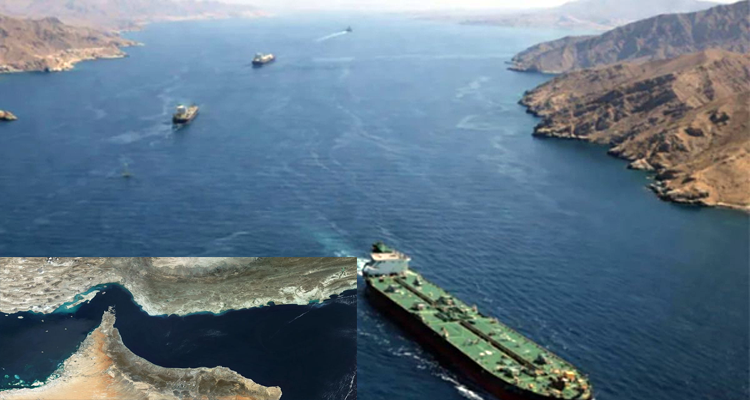
Canberra’s response was even more direct. Australia made clear that it was not planning to send ships to the Strait of Hormuz. That bluntness matters because Australia is regularly treated as one of Washington’s most dependable security partners, especially in broader Indo Pacific strategy.
For Australia, however, geography and interest do not automatically translate into deployment. Sending naval assets into the Gulf would carry obvious political and military implications. It could expose Australia to retaliation, deepen its involvement in a conflict not directly of its making, and tie it to a U.S. strategy whose end point remains uncertain.
The public tone of the Australian response suggests that the government wanted no ambiguity. It was not signaling that it might join later. It was making clear that it preferred to manage the economic consequences rather than enter the military arena. That is a significant position, because it suggests Canberra sees the risk of escalation as more dangerous than the reputational cost of declining a U.S. request.
In alliance politics, saying no to Washington can be difficult. The fact that Australia did so publicly suggests confidence that caution will be easier to defend domestically than participation in a conflict the public may view as remote, risky, and potentially avoidable.
Japan’s Dilemma Reveals the Limits of Strategic Dependence
Japan’s refusal may be the most revealing of all because of how dependent it is on energy flows through the Strait of Hormuz. If any U.S. ally might be expected to see reopening the strait as an urgent national interest, it would be Japan. Yet Tokyo also turned down the request.
That decision highlights the complexity of Japanese strategy. Japan depends heavily on imported energy, but it also faces constitutional, legal, and political constraints on overseas military deployment. Its postwar framework places a high threshold on using force, especially in active conflict zones. Even when economic stakes are enormous, the decision to send the Self Defense Forces into danger is not one Tokyo makes lightly.
This creates a paradox. Japan may be among the countries with the most to lose from prolonged disruption, yet still among the least likely to join a forceful naval response led by the United States. The result is a reminder that material interest alone does not dictate military policy. Domestic law, political culture, historical memory, and alliance boundaries all shape the final decision.
Tokyo’s refusal also underscores the deeper challenge facing Washington. If even the country with profound energy exposure is not convinced that naval deployment is the right answer, then the U.S. argument begins to look less like a shared strategic imperative and more like an American preference not universally accepted by its allies.
Trump’s Frustration and the Pivot Toward China
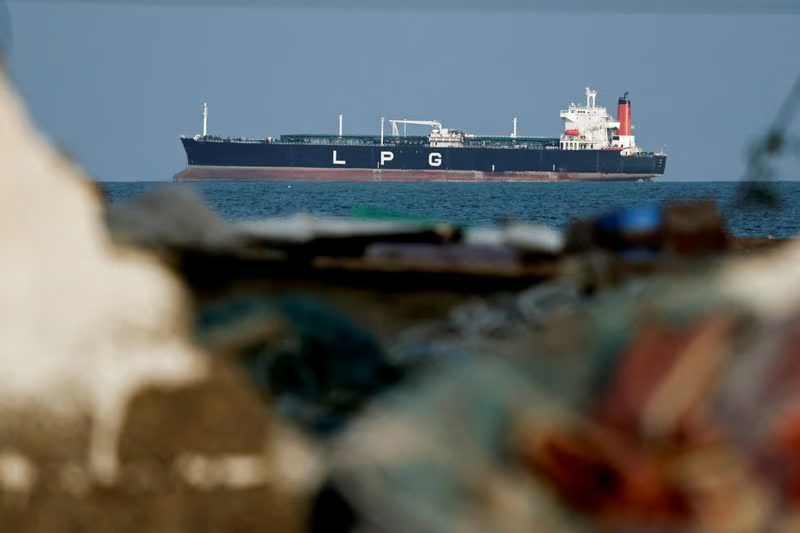
Faced with resistance from traditional allies, Trump reportedly shifted pressure toward China, arguing that Beijing should help secure the strait because it is one of the biggest beneficiaries of the oil flowing through it. This move is politically and rhetorically significant.
On one level, it is a practical argument. If China benefits from energy transit, then perhaps it should share the burden of protecting that transit. But on another level, it reflects frustration that the usual alliance network is not responding as expected. By invoking China, Trump appears to be reframing the issue from alliance solidarity to burden sharing by beneficiaries.
That framing has its own logic, but it also exposes a deeper contradiction in the current geopolitical order. The United States remains the power most accustomed to organizing maritime security operations, yet it increasingly questions why it should bear disproportionate costs while rivals and partners alike benefit from global trade routes.
Still, calling on China does not automatically solve the problem. Beijing has its own strategic calculations, its own view of U.S. military operations, and little reason to rush into a framework designed by Washington under crisis pressure. If anything, the appeal to China may highlight how isolated the U.S. has begun to feel in this specific effort.
Why Allies Fear Escalation More Than Embarrassment
The core story here is not only about refusal. It is about fear of escalation. Britain, Australia, and Japan all appear to have concluded that the political embarrassment of disappointing Trump is less dangerous than the military consequences of entering a rapidly worsening theater.
That tells us something profound about the state of the crisis. Allies do not usually refuse high pressure U.S. requests unless they believe the downside of saying yes is severe. In this case, they seem to fear being pulled into a conflict that would not remain limited to escort missions or symbolic naval presence.
In narrow military planning, the movement of warships can look like a manageable response. In political reality, warships carry flags, commitments, and risk. A confrontation at sea, a strike on a vessel, a miscalculation in contested waters, or an incident involving crews could suddenly transform a security operation into a war involving multiple states.
Allied caution, then, should not be dismissed as weakness. It may instead reflect the judgment that de escalation is harder once military assets are committed. Once destroyers are in position, every hostile act demands an answer. Every answer creates new pressures. Governments that say no at the start may be doing so precisely because they know how difficult it becomes to stay limited once a military coalition is underway.
The Strait as an Economic Crisis as Much as a Military One
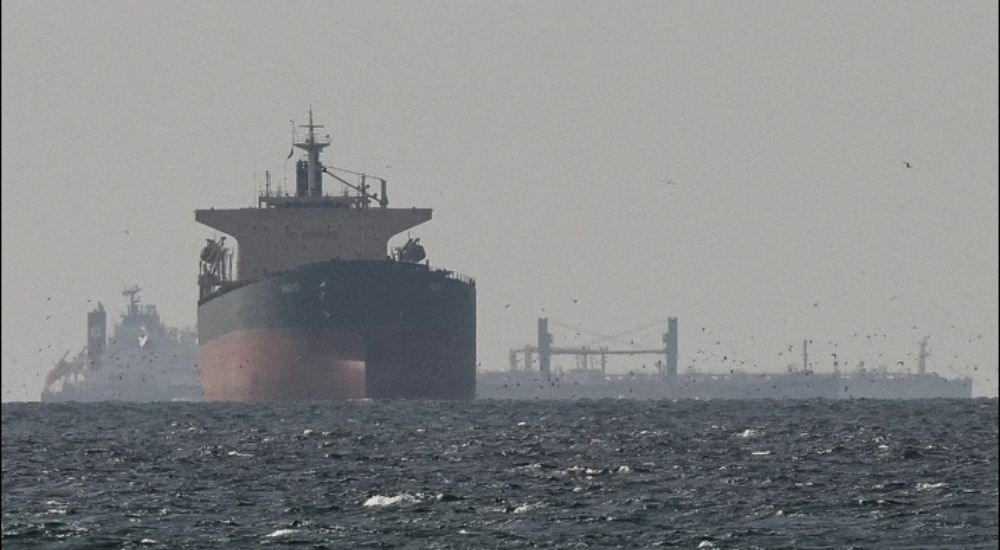
Another important feature of the allied responses is that several governments appear prepared to manage economic fallout even while rejecting military participation. That is a telling choice. It means they may see higher oil prices, shipping disruption, and market instability as painful but still preferable to becoming active participants in a naval confrontation.
This calculation reflects a reality sometimes overlooked in war talk. Economic pain, while serious, is often more politically survivable than military entanglement. Governments can cushion markets, communicate resilience, release reserves, and encourage public patience. Military escalation, by contrast, can produce casualties, retaliation, diplomatic rupture, and long term commitments no one fully controls.
In that sense, the strait is functioning as both an energy crisis and a test of strategic discipline. The U.S. appears to believe that forceful collective presence is needed to restore normal flows. Its allies appear to believe that a rush toward overt naval confrontation could worsen the very instability everyone claims to be trying to solve.
What This Says About American Power Right Now
Perhaps the most politically significant aspect of the story is what it suggests about the current reach of American influence. The United States remains militarily dominant, and Trump clearly believed direct pressure, public messaging, and alliance expectations might be enough to pull partners into line. Yet on this issue, that pressure seems to have run into hard resistance.
That does not mean America is weak. It means power is not the same as compliance. Allies are not extensions of Washington. They are states with their own electorates, fears, legal limits, and calculations. When those calculations diverge sharply enough, even a powerful U.S. president can find himself urging support rather than commanding it.
This matters because alliance credibility depends on a combination of trust and prudence. If partners begin to think Washington is too eager for escalation, they may distance themselves not because they reject the alliance itself, but because they no longer trust the immediate strategy.
In that sense, the refusals from London, Canberra, and Tokyo could be read as a warning. The problem may not be a lack of concern about Hormuz. The problem may be a lack of confidence that the Trump administration’s military instincts will keep the crisis contained.
A Waterway Crisis That Exposes a Strategic Divide
The standoff over the Strait of Hormuz has become more than a maritime dispute. It is now a revealing portrait of how allies think under pressure when energy security collides with war risk. Trump wanted a visible coalition. What he got instead was a series of careful refusals from governments that appear unwilling to let urgency erase caution.
Britain offered limited technical help instead of destroyers. Australia ruled out ship deployment altogether. Japan, despite its energy dependence, kept its forces back. In each case, the message was similar: reopening the strait matters, but not at any price, and not through a rapid military commitment that could make a dangerous region even more explosive.
That is why this moment matters beyond the immediate crisis. It shows that even among close allies, there is a growing divide between the politics of force and the politics of restraint. Washington may still believe decisive military posture is the fastest route to restoring order. Its partners increasingly seem to believe that once warships enter the frame, order can become much harder to recover.
In the end, the story of this week’s failed coalition is not simply that America asked and others refused. It is that some of the world’s most important U.S. partners looked at the same crisis, saw the same strategic waterway, and came to a different conclusion about what prudence requires. That difference may shape not only the future of the Strait of Hormuz, but the future of alliance politics in an age of rising global instability.