
Table of Contents
- When One Policy Idea Sparked a National Debate
- The Core Idea Behind Delaying Retirement
- Understanding the Numbers Behind the Claim
- Medicare, Debt, and the Urgency of Reform
- The Human Side of Working Longer
- Economists Push Back on the Assumptions
- The Generational Balance
- Cultural Shifts Around Retirement
- Technology and the Future of Work
- A Policy That Raises Bigger Questions
- What Comes Next for the Debate
- A Reflection on Work, Life, and the Future
When One Policy Idea Sparked a National Debate
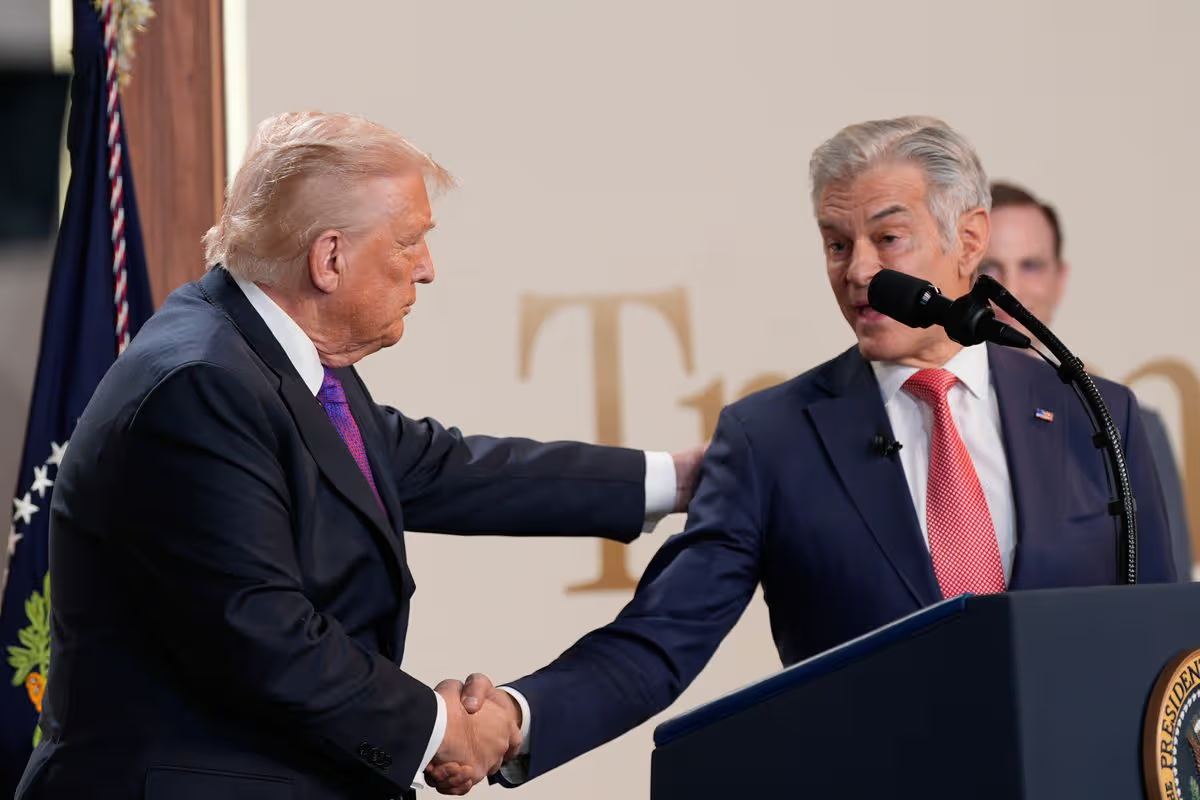
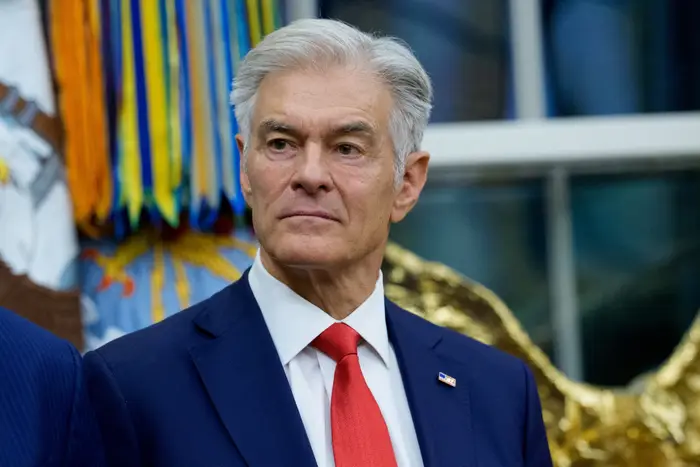
When Dr. Mehmet Oz, now serving as administrator for the Centers for Medicare and Medicaid Services, suggested that delaying retirement by just one year could generate around three trillion dollars for the US economy, the statement quickly drew widespread attention. It was not just the scale of the number that captured public interest, but what it implied about the future of work, aging, and economic sustainability in America. At a time when concerns over Medicare funding and national debt continue to grow, the idea seemed both simple and powerful. But as economists and policy experts began to examine the claim more closely, a deeper and more complex conversation started to unfold. What follows is an exploration of this proposal, the reasoning behind it, and the broader implications it may have for millions of Americans.
The Core Idea Behind Delaying Retirement
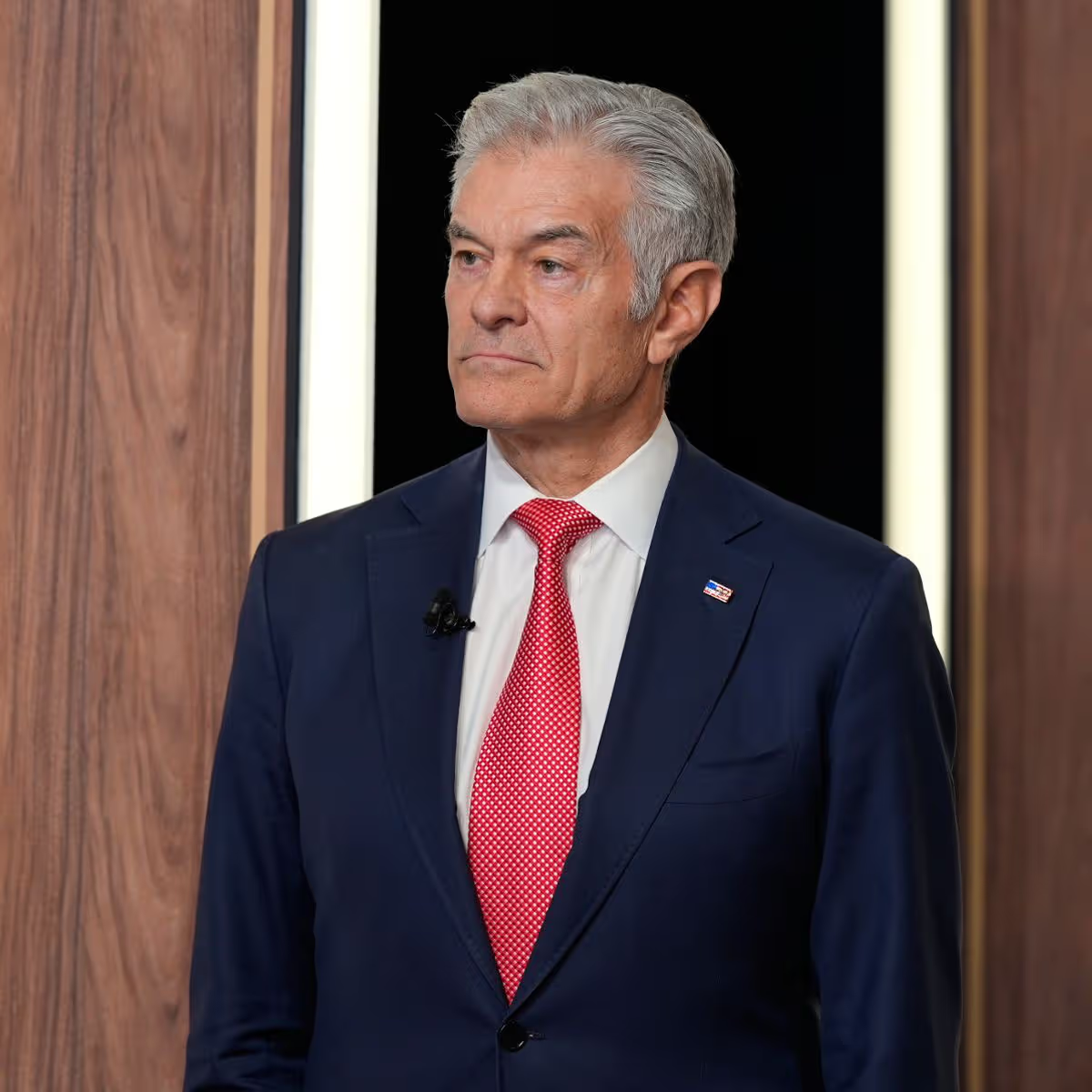
At its core, the proposal is straightforward. If Americans work just one year longer, either by entering the workforce earlier or delaying retirement, the economy could benefit from increased productivity, higher tax contributions, and reduced strain on public support systems. According to Dr. Oz, many older Americans today remain healthy, active, and capable of continuing their careers beyond traditional retirement ages.
He emphasized that people are living longer, maintaining better health, and seeking a greater sense of purpose and control over their futures. In this context, extending working years is presented not as a burden, but as an opportunity. The potential economic benefit, estimated at around three trillion dollars, is tied to the idea that a larger workforce contributes more output, more taxes, and less dependency on programs like Medicare.
Understanding the Numbers Behind the Claim
To understand how such a large figure is possible, it is important to look at how economic output is calculated. Gross domestic product, or GDP, reflects the total value of goods and services produced in a country. When more people are working, especially full time, the total output increases.
By delaying retirement, millions of Americans would continue earning income, spending money, and contributing to economic activity. At the same time, they would delay drawing benefits from programs like Social Security and Medicare, reducing immediate financial pressure on these systems.
Data from the Center for Retirement Research at Boston College shows that the average retirement age is currently in the early to mid sixties, with women retiring around 62.6 years and men around 64.6 years. Even a modest shift in these averages could have a measurable impact on national economic indicators.
Medicare, Debt, and the Urgency of Reform
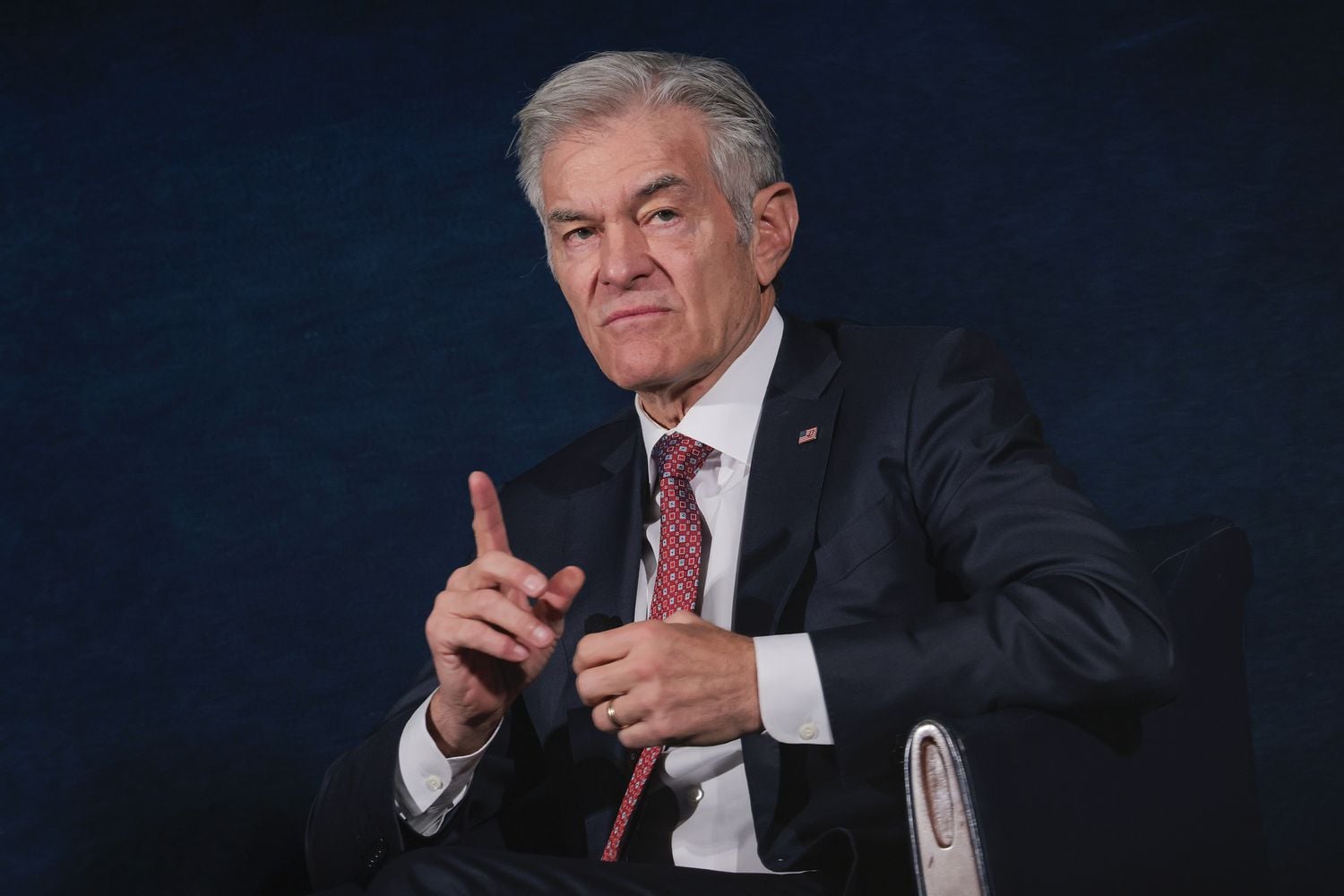
One of the key motivations behind Dr. Oz’s proposal is the growing concern over Medicare’s long term sustainability. As the population ages and healthcare costs rise, the program faces increasing financial pressure. Some projections suggest that without significant changes, funding gaps could become a serious issue for future beneficiaries.
By encouraging Americans to work longer, the idea is that individuals would contribute more into the system while delaying their reliance on it. This could help stabilize funding and reduce the burden on younger generations.
Dr. Oz has also pointed to technological advancements, including the integration of artificial intelligence into healthcare systems, as a way to improve efficiency. However, such upgrades require significant investment, raising the question of how they will be funded. In this context, the potential economic boost from delayed retirement is presented as part of the solution.
The Human Side of Working Longer
While the economic argument is compelling on the surface, the human reality is far more nuanced. Not all jobs are the same, and not all workers have the same capacity to continue working into later stages of life.
For individuals in physically demanding roles, extending their careers may not be feasible. Health disparities, workplace conditions, and access to opportunities all play a role in determining whether someone can realistically delay retirement.
There is also the question of quality of life. Retirement is often seen as a time for rest, personal fulfillment, and spending time with family. For many, it represents a well earned transition after decades of work.
Balancing these personal considerations with broader economic goals is one of the central challenges in this debate.
Economists Push Back on the Assumptions
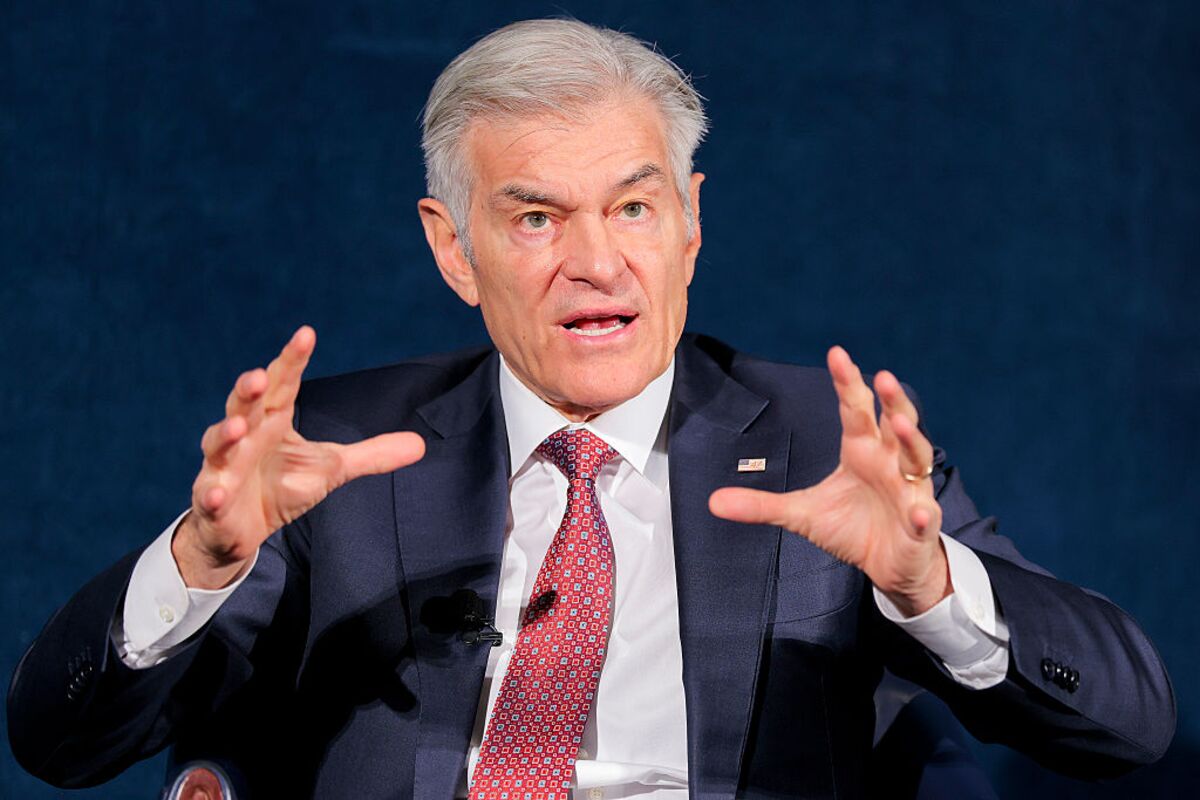
Not all experts agree with the idea that delaying retirement will automatically lead to economic growth. Some economists argue that the relationship between workforce size and productivity is not as straightforward as it may seem.
Teresa Ghilarducci, an economics professor at the New School, has pointed out that adding more workers does not necessarily increase productivity, especially if those workers are older and potentially less efficient in certain roles. At the same time, younger workers may struggle to find opportunities if positions are not being vacated.
She emphasized that economic success is not solely measured by output, but also by overall well being and quality of life. In her view, policies should consider not just how much is produced, but how people live and experience their lives.
The Generational Balance
One of the less discussed aspects of the proposal is its potential impact on different generations. If older workers remain in the workforce longer, it could slow down career progression for younger employees.
This could lead to increased competition for jobs, wage stagnation, and delays in professional development. On the other hand, some argue that experienced workers bring valuable knowledge and stability that can benefit organizations.
Finding the right balance between retaining experience and creating opportunities for new talent is a delicate task. It requires careful planning and policies that support both ends of the workforce spectrum.
Cultural Shifts Around Retirement
The idea of retirement itself is evolving. In previous generations, retirement often meant a complete withdrawal from the workforce. Today, many people choose to continue working in different capacities, whether part time, freelance, or in entirely new careers.
This shift reflects broader changes in how people view aging, purpose, and identity. Work is no longer just a means of financial survival, but also a source of fulfillment and social connection.
Dr. Oz’s proposal taps into this changing mindset, suggesting that longer working lives could align with modern lifestyles. However, it also raises questions about whether this shift is driven by choice or necessity.
Technology and the Future of Work
Advancements in technology are also shaping the conversation. Automation, artificial intelligence, and remote work are transforming industries and redefining what it means to be productive.
For older workers, these changes can be both an opportunity and a challenge. On one hand, technology can reduce physical strain and open up new types of work. On the other, it requires continuous learning and adaptation.
The success of any policy encouraging delayed retirement may depend on how well individuals are supported in navigating these changes. Access to training, education, and flexible work environments will be crucial.
A Policy That Raises Bigger Questions
Ultimately, the idea of delaying retirement by one year is about more than just economics. It touches on fundamental questions about how society values work, aging, and well being.
Should people work longer simply because they can, or should they have the freedom to choose when to step back. How should economic policies balance growth with quality of life. And what responsibilities do governments have in supporting individuals at different stages of life.
These questions do not have simple answers, but they are essential to understanding the broader implications of the proposal.
What Comes Next for the Debate
As discussions around Medicare, national debt, and economic growth continue, proposals like this are likely to remain part of the conversation. Policymakers will need to weigh the potential benefits against the challenges and consider how to implement changes in a way that is fair and sustainable.
Public response will also play a key role. The idea of working longer may resonate with some, while others may view it as an unwelcome shift in expectations.
A Reflection on Work, Life, and the Future
In the end, Dr. Oz’s suggestion has done more than introduce a policy idea. It has sparked a broader reflection on what it means to live, work, and age in modern society.
The promise of adding trillions to the economy is undeniably compelling. But the true measure of success may lie in how well any changes support the lives of individuals, not just the strength of the economy.
As the debate continues, one thing is clear. The future of retirement is no longer a fixed destination, but a shifting landscape shaped by health, technology, and evolving expectations.