

Table of Contents
- When three teenagers sparked a global conversation on sexual health
- A simple idea with powerful implications
- The students behind the innovation
- Why sexual health innovation matters more than ever
- The science behind the concept
- From classroom idea to potential real world impact
- Breaking stigma through innovation
- The limits of innovation and the need for caution
- What this invention reveals about the future of health technology
- A small idea that could spark a larger change
When three teenagers sparked a global conversation on sexual health
When news broke that a group of teenagers in the United Kingdom had designed a condom capable of changing color upon detecting sexually transmitted infections, the world took notice. It was not just because of the boldness of the idea, or even the age of the inventors, but because of what it represented. A simple concept, born inside a school environment, suddenly pointed toward a future where early detection of infections could become immediate, private, and far less intimidating than traditional testing methods. What began as a classroom project quickly transformed into a viral moment that blurred the lines between innovation, education, and real world health challenges.
The students behind the concept, aged just 13 to 14, developed their idea as part of the TeenTech Awards, a national competition designed to encourage young people to use science and technology to solve real problems. Their invention, named S.T.EYE, stood out among hundreds of entries not only for its originality but for the seriousness of the issue it addressed. In a world where conversations about sexual health are often avoided, stigmatized, or delayed, their idea forced attention onto a topic that affects millions globally.
A simple idea with powerful implications

At its core, the concept is strikingly simple. The condom is designed to change color when it comes into contact with certain sexually transmitted infections. Different infections would trigger different colors. For example, green could indicate chlamydia, yellow herpes, purple HPV, and blue syphilis. The mechanism relies on biological reactions between antibodies and antigens, which would theoretically activate a visible color change on the latex material.
This simplicity is exactly what makes the idea so compelling. It does not require complicated machinery, lab testing, or waiting periods. Instead, it offers immediate feedback. In theory, it could transform a moment of uncertainty into instant awareness. While still in the conceptual stage, the idea highlights a direction that many health experts have long emphasized. Early detection is one of the most powerful tools in preventing the spread of infections.
But beyond the science, the emotional and social impact of such a tool could be just as significant. Many people avoid testing because of embarrassment, fear, or inconvenience. A discreet, immediate indicator could reduce those barriers. It could encourage more awareness, more conversations, and ultimately, more responsible behavior.
The students behind the innovation
The creators of S.T.EYE were not seasoned scientists or industry professionals. They were students from Isaac Newton Academy in Ilford, working within a school environment that encouraged creative problem solving. Their names quickly gained attention after their project won the Healthcare Category at the TeenTech Awards, earning them recognition, prize money, and even a trip to Buckingham Palace.
What makes their story particularly powerful is not just the invention itself, but the mindset behind it. The students reportedly hesitated before presenting the idea, worried that the topic might be seen as inappropriate or not taken seriously. That hesitation reflects a broader societal discomfort around discussing sexual health, especially among younger audiences.
Yet their decision to move forward proved transformative. Their teacher supported them, guiding them toward the scientific principles behind antibodies and antigens, and helping them refine their concept into something credible and impactful. In doing so, the project became more than just a competition entry. It became a statement about the importance of education environments that allow difficult topics to be explored openly and responsibly.
Why sexual health innovation matters more than ever
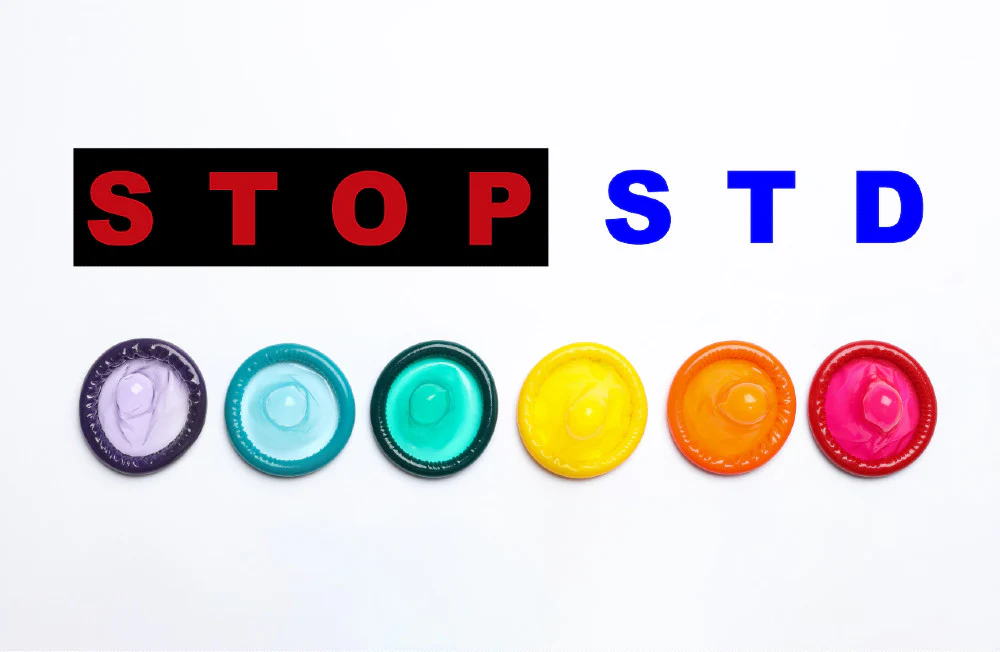
Sexually transmitted infections remain a significant global health issue. Millions of new cases are reported every year, many of them preventable or treatable if detected early. Yet despite advances in medicine, stigma and lack of awareness continue to limit testing and treatment.
This is where ideas like S.T.EYE resonate so strongly. They address not just the medical side of the problem, but the human side. People often delay testing because they feel uncomfortable visiting clinics or discussing symptoms. Privacy concerns, social judgment, and fear of results all play a role.
By offering a potential method of immediate and private detection, the concept directly challenges those barriers. It shifts the experience from something that requires external validation to something that can be observed in real time. While it does not replace medical diagnosis or treatment, it could act as a first line of awareness, prompting individuals to seek further help when needed.
The science behind the concept
Although the invention is still theoretical, the science it is based on is not entirely new. The idea of using antibodies and antigens to detect infections is well established in medical diagnostics. Rapid tests for various diseases already rely on similar principles, where specific biological reactions produce visible indicators.
Applying this concept to a condom introduces a new layer of complexity. The material would need to remain safe, durable, and effective while also incorporating reactive elements capable of detecting pathogens. Ensuring accuracy, reliability, and safety would be critical before such a product could ever reach the market.
There are also questions about how sensitive the detection would be, whether it could identify infections in all cases, and how it would handle false positives or negatives. These are not small challenges. They highlight the gap between a brilliant idea and a fully developed product.
From classroom idea to potential real world impact
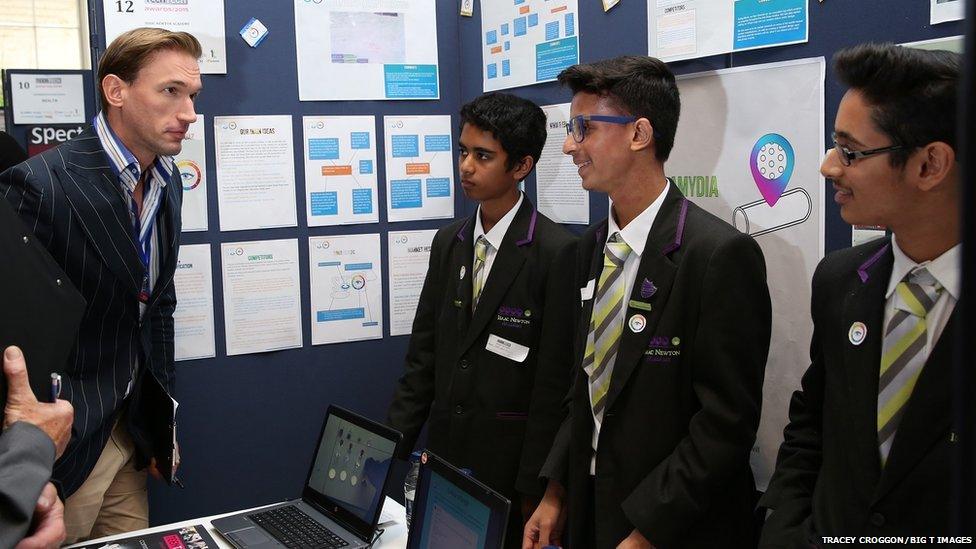
Despite these challenges, the response to the students’ invention has been overwhelmingly positive. Reports suggest that interest has already come from companies within the industry, indicating that the idea has potential beyond the classroom. This transition from concept to potential collaboration is a crucial step in innovation.
It also reflects a broader trend. Increasingly, groundbreaking ideas are emerging from younger generations who are less constrained by traditional thinking. They approach problems with fresh perspectives, often focusing on simplicity, accessibility, and real world impact.
The TeenTech Awards themselves are designed to encourage exactly this kind of thinking. By giving students the opportunity to tackle real problems and present their solutions, the competition creates a pipeline of ideas that might otherwise never surface. The success of S.T.EYE demonstrates the value of that approach.
Breaking stigma through innovation
One of the most significant aspects of this story is its role in challenging stigma. Sexual health is often treated as a sensitive or uncomfortable topic, particularly among younger people. This can lead to gaps in knowledge, delayed testing, and increased risk of transmission.
By bringing the conversation into a public, educational, and even celebratory space, the students’ project helps normalize the discussion. It shows that addressing these issues is not inappropriate or taboo, but necessary and valuable.
The fact that such a bold idea came from teenagers makes the impact even stronger. It challenges assumptions about what young people can contribute and highlights the importance of giving them a voice in discussions that directly affect their generation.
The limits of innovation and the need for caution

While the excitement around S.T.EYE is understandable, it is important to recognize its current limitations. The concept has not yet been developed into a working product. Significant research, testing, and regulatory approval would be required before it could be used in real world settings.
There are also ethical and practical considerations. How would users interpret the results? What steps would follow a positive indication? How would privacy and safety be ensured? These questions highlight the complexity of translating an idea into a reliable health solution.
Experts often emphasize that innovation must be accompanied by rigorous validation. A tool that provides inaccurate information could create more harm than good. Therefore, while the concept is promising, its future will depend on careful development and scientific oversight.
What this invention reveals about the future of health technology
Beyond the specifics of this project, the story points to a larger shift in how health technology is evolving. There is growing demand for tools that are immediate, accessible, and user friendly. People want solutions that fit into their daily lives rather than requiring specialized settings or complicated procedures.
This trend can be seen across many areas of healthcare, from wearable devices to home testing kits. The idea of a color changing condom fits into this broader movement. It represents a push toward integrating health awareness into everyday experiences.
If developed successfully, such innovations could redefine how people approach prevention and early detection. They could empower individuals to take a more active role in their own health, reducing reliance on reactive systems and encouraging proactive behavior.
A small idea that could spark a larger change

In the end, the story of S.T.EYE is about more than a single invention. It is about what happens when curiosity, education, and courage come together. Three students identified a problem, proposed a solution, and shared it with the world despite initial hesitation. In doing so, they opened a conversation that extends far beyond their classroom.
Their idea may or may not become a real product. That will depend on science, funding, and industry collaboration. But its impact is already visible. It has challenged stigma, sparked discussion, and highlighted the importance of innovation in addressing real world issues.
More importantly, it serves as a reminder that meaningful ideas can come from anywhere. Sometimes, the solutions to complex problems begin not in research labs or corporate boardrooms, but in the minds of young people who are willing to ask uncomfortable questions and imagine better answers.