
Table of Contents
- A Bureaucratic Rule With Real World Consequences
- Why Texas Says the Rule Is Necessary
- The Rule Arrives in a Bigger Political Climate
- A State Economy That Depends on Workers It May Squeeze
- What Workers and Educators Told the State
- Supporters See a Line Being Drawn
- Critics Say the Economic Math Has Not Been Done
- What May Happen After May 1
- A Licensing Vote That Says More Than It Seems
A Bureaucratic Rule With Real World Consequences
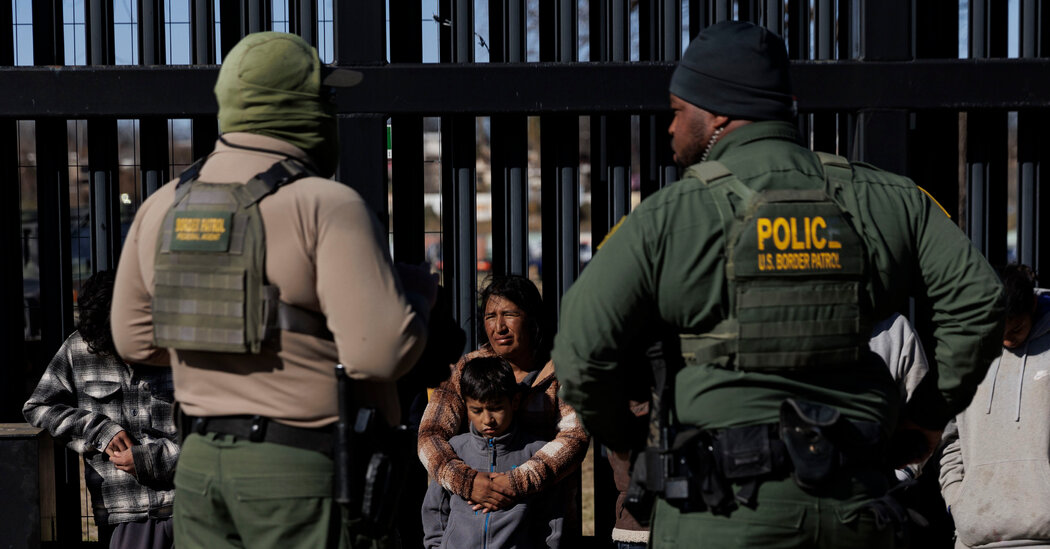
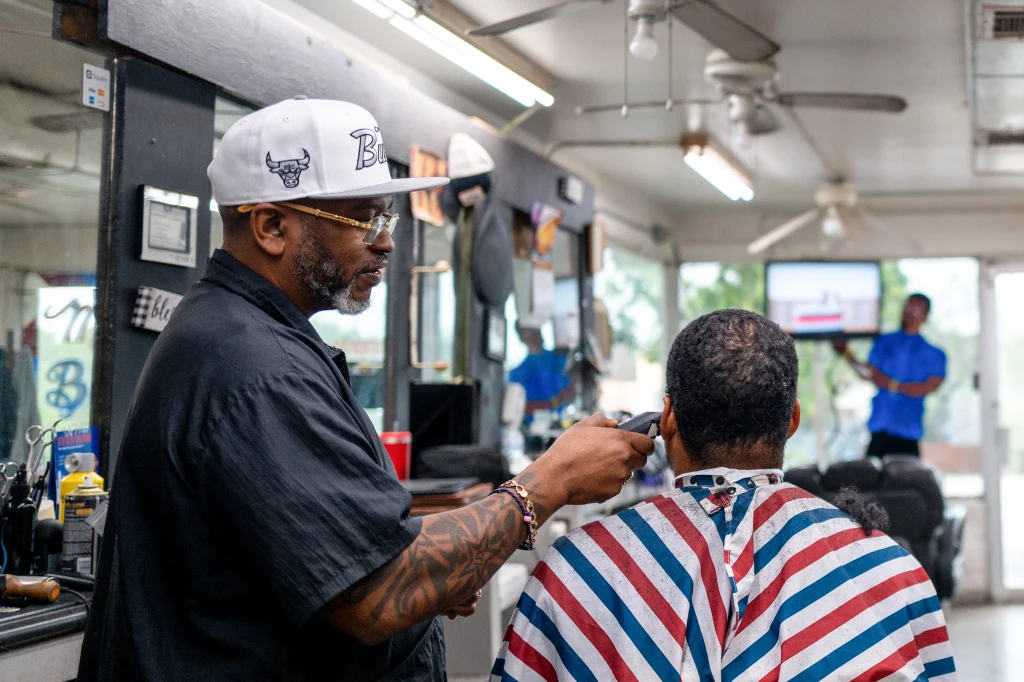
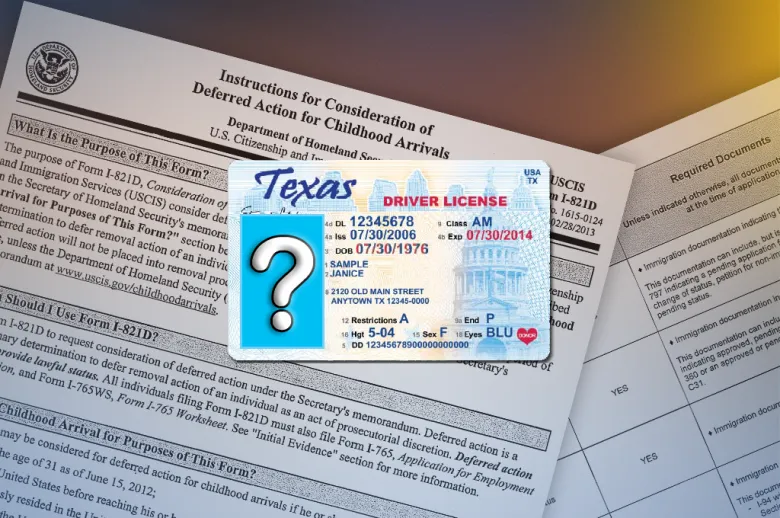
The new rule affects people seeking a long list of professional and occupational licenses overseen by TDLR. That includes fields as varied as cosmetology, electrical work, dog breeding, and used car parts recycling. On paper, the state says it is simply bringing its practices into line with federal law. In practice, critics argue, the rule could lock out thousands of workers who have already built livelihoods in licensed industries or who are training to do so. The concern is especially acute in Texas, where immigrant labor is deeply woven into the economy and where many businesses already struggle to find enough skilled workers.
TDLR has framed the move as part of a broader effort to standardize verification, modernize systems, and strengthen fraud detection. The agency has said lawful presence checks will help ensure secure and consistent licensing practices and could also aid efforts to combat labor exploitation and human trafficking. That official explanation gives the rule an administrative and law enforcement rationale. But the testimony presented before commissioners showed that many Texans do not see the change as a routine compliance measure. They see it as a decision that could push vulnerable workers into the shadows while weakening oversight in industries where training, hygiene, and public safety matter.
Why Texas Says the Rule Is Necessary
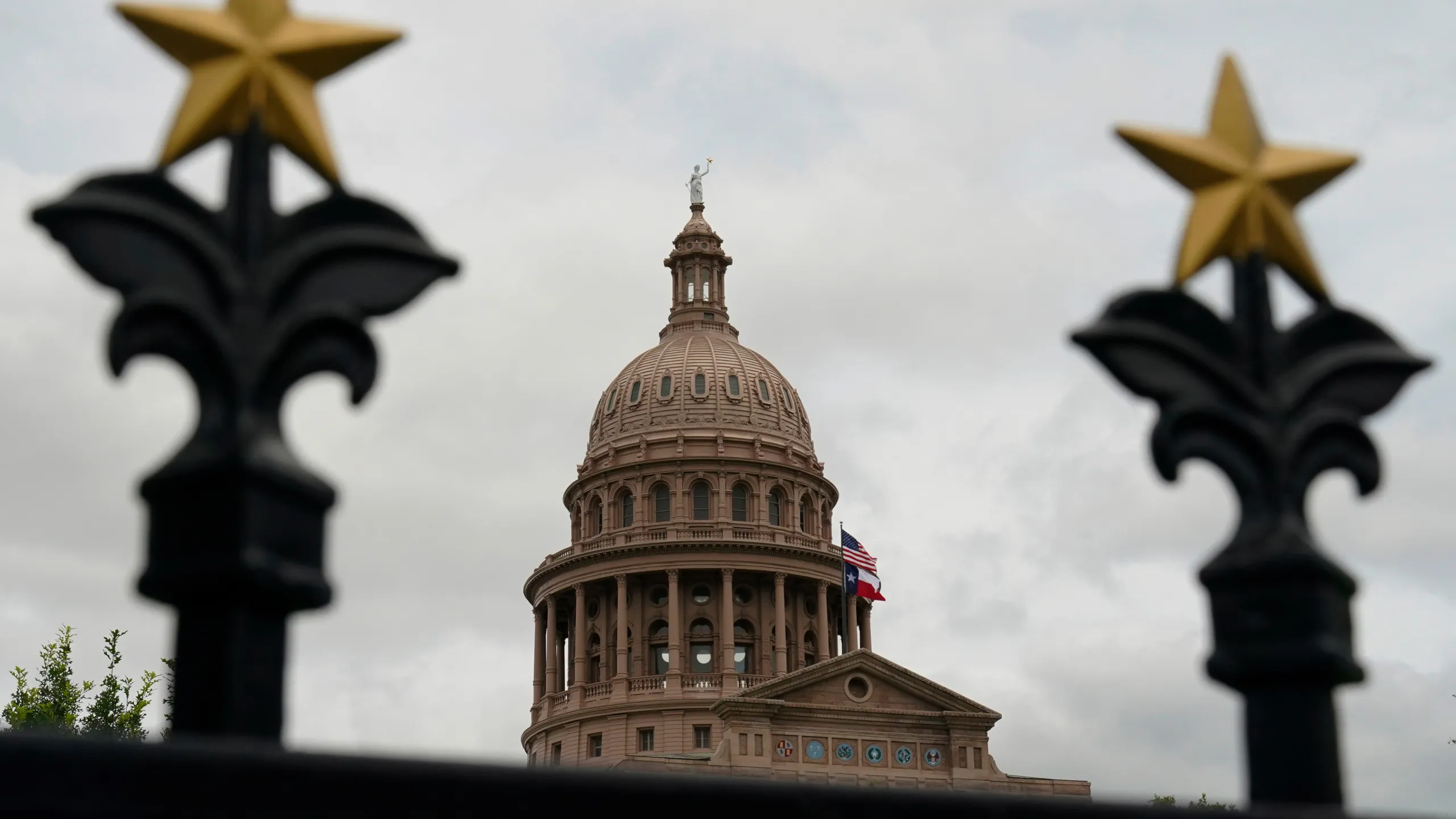
The legal backbone for the rule is the federal Personal Responsibility and Work Opportunity Reconciliation Act of 1996. State officials argue that this law bars people who are in the country unlawfully from receiving certain public benefits, including state-issued professional licenses, unless they fall under specific exceptions. TDLR lawyers told commissioners that the rule does not create a blanket citizenship requirement. Rather, they said, some noncitizens will still be eligible if they meet categories recognized under federal law, such as asylum recipients, refugees, or certain trafficking victims, and if they can provide the required documents.
That distinction matters politically and legally. Texas is not saying only citizens can be licensed. It is saying applicants will need to show they fall within lawful categories recognized by federal statute. Still, for many workers and advocates, that nuance offers little comfort. The practical question is whether people who have been working, studying, or renewing licenses under existing guidance will now find themselves blocked by documentation demands they cannot satisfy. The state has said acceptable documents will be listed on TDLR’s website, and a January TDLR notice already indicated that some initial applicants and renewal applicants would need to submit documentation establishing lawful presence.
The Rule Arrives in a Bigger Political Climate
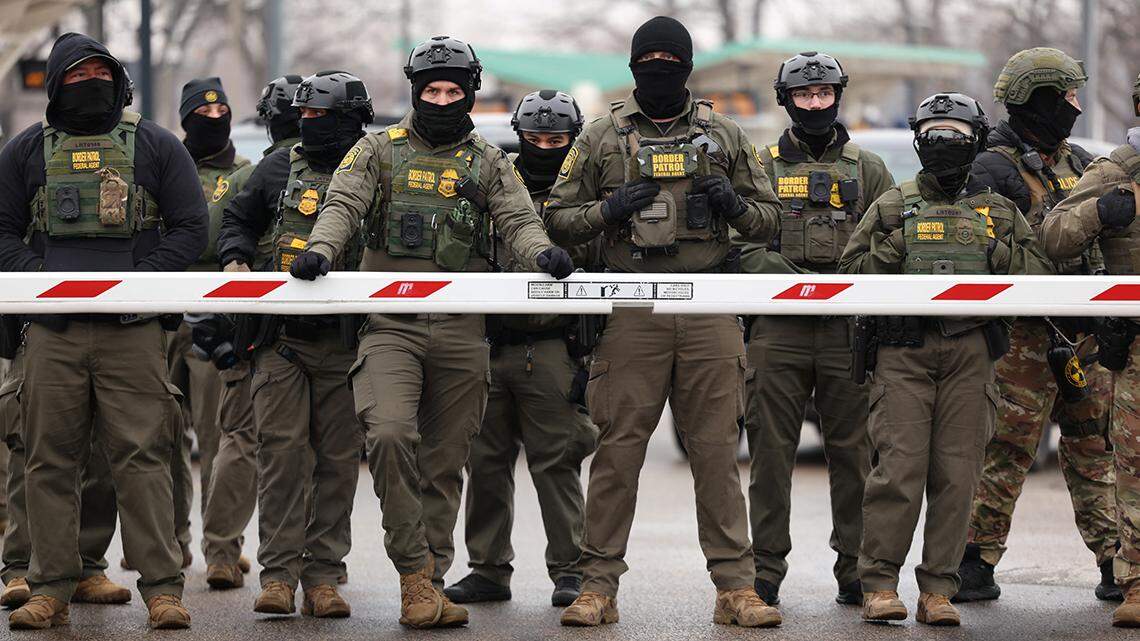
The timing of the decision is not accidental. The move comes amid a broader crackdown in Texas through regulatory and administrative channels, and it mirrors the harder federal posture that followed Donald Trump’s return to the White House. According to reporting on the decision, other Texas agencies have already adopted stricter immigration-related measures, including changes affecting commercial driver’s licenses, vehicle registration requirements, and efforts to identify noncitizens on voter rolls. The licensing change therefore does not stand alone. It fits into a larger trend in which immigration enforcement is being woven into everyday state systems that once functioned more as neutral administrative gateways.
That is one reason the rule has drawn such intense attention. It signals that immigration status checks are no longer confined to border policy or police encounters. They are increasingly embedded in licensing, paperwork, and routine interactions with state agencies. For some Texans, that is a welcome tightening of the system. For others, it is a dramatic expansion of immigration enforcement into areas that directly shape who can work legally, train legally, and operate under official supervision.
A State Economy That Depends on Workers It May Squeeze
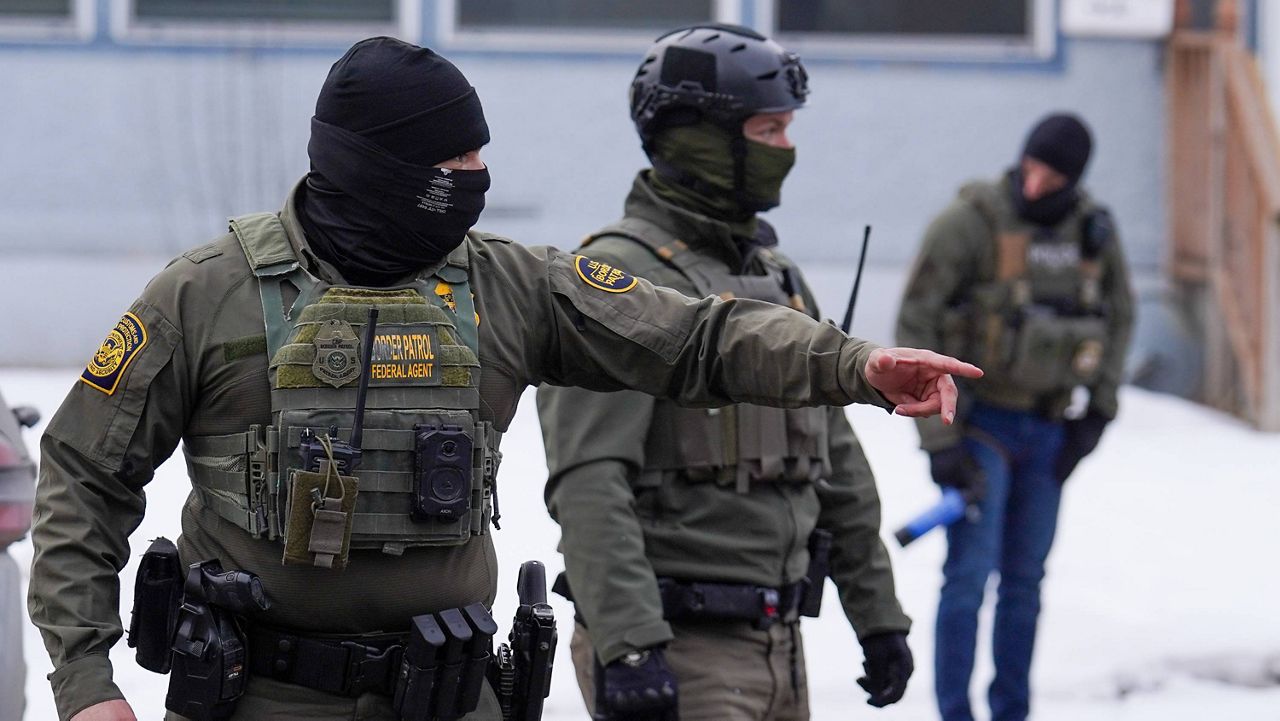
Texas officials have not said exactly how many workers will be affected, and that uncertainty sits at the heart of the controversy. The state is home to an estimated 1.7 million people without legal authorization, many of whom work in key sectors such as construction and hospitality. At the same time, TDLR officials told commissioners that fewer than 2 percent of licenses issued by the agency lacked a Social Security number attached. But they also acknowledged that the absence of a Social Security number does not automatically mean someone is ineligible, since some noncitizens are lawfully present and authorized to work through federal programs. The agency issued more than 1 million individual and business licenses during fiscal year 2025, and in February alone it issued roughly 19,000 new licenses and renewed another 39,000.
Those figures cut in different directions. Supporters of the rule may point to the low percentage of licenses without Social Security numbers as evidence that disruption will be limited. Opponents see the same uncertainty as a warning sign that the state does not actually know the size of the group it could displace. That gap matters because Texas has repeatedly faced workforce shortages in trades and service sectors where licensed labor is essential. If even a modest share of workers are pushed out, the effects could ripple through hiring, training pipelines, and consumer costs.
What Workers and Educators Told the State
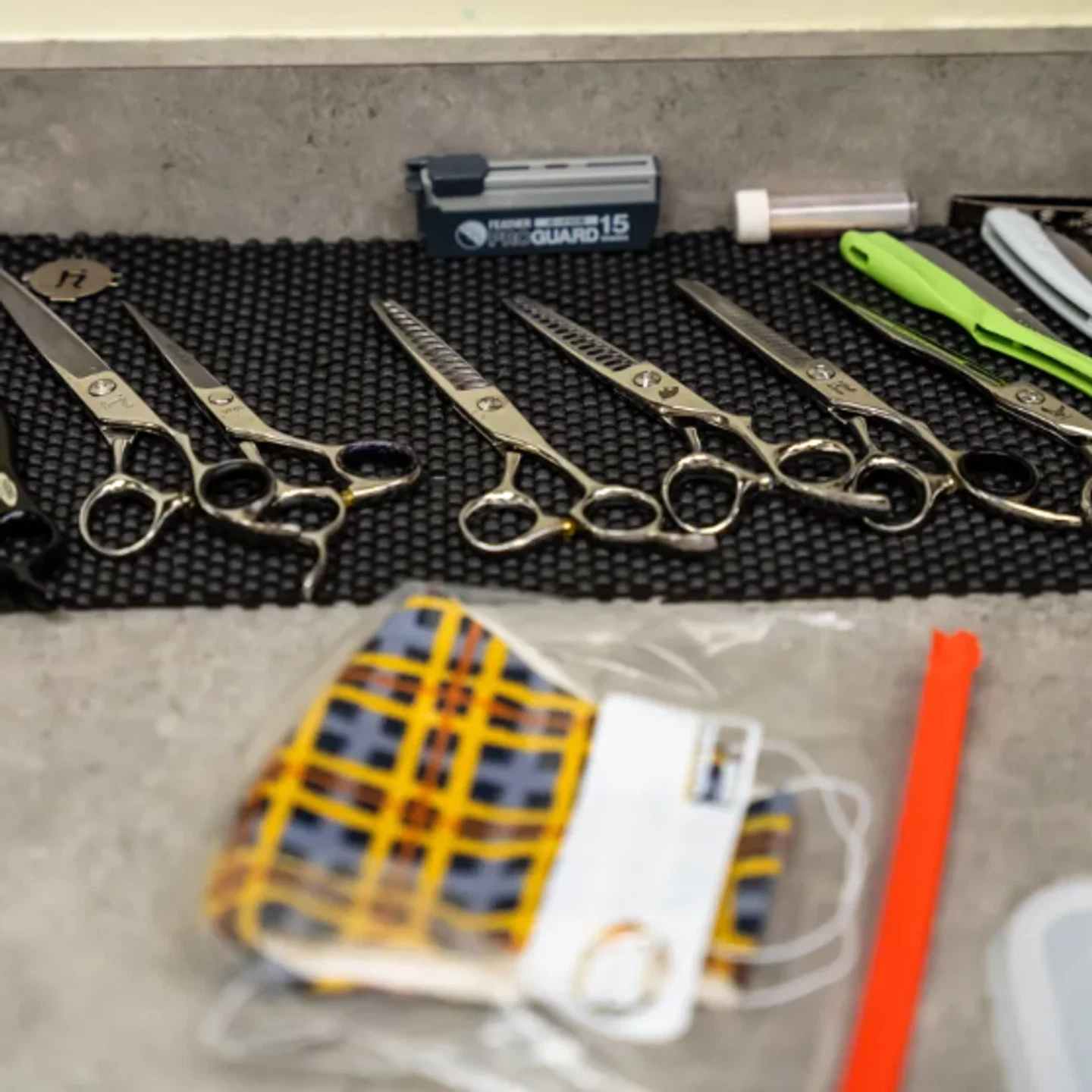
Public comment before the commission revealed the emotional and practical stakes behind the rule. Speakers from beauty schools, salons, and other businesses warned that students and workers were already panicking. One Austin instructor described students crying over the uncertainty of their future after the proposal surfaced earlier this year. Others reminded commissioners that many licenses require long hours of training, technical study, and safety instruction. A cosmetology operator license, for example, can take more than a year to earn, covering chemical use, hygiene, and technique. Their point was simple but powerful: shutting people out after they have already invested time and money into regulated professions does not just hurt them. It also weakens the system that ensures training standards and consumer safety.
This argument gets at a contradiction that critics believe the state has not resolved. If undocumented workers cannot obtain or renew licenses, some will not simply disappear from the labor market. Instead, speakers warned, they may continue working off the books, without permits, inspections, or professional oversight. In industries like cosmetology, electrical work, or specialized therapy, that could mean more unregulated services and greater risks for customers. In other words, a rule intended to tighten control could end up reducing the state’s visibility into who is actually providing certain services.
Supporters See a Line Being Drawn
The rule also has vocal supporters, especially among Texas conservatives who argue that public benefits should not be extended to people in the country unlawfully. After the vote, Governor Greg Abbott’s office praised the change, saying Texas should not reward illegal immigration by issuing professional licenses to those here unlawfully. That message reflects a broader political framing in which licenses are not treated merely as workforce tools, but as state-conferred benefits tied to questions of legality, sovereignty, and deterrence.
From this point of view, the rule is not primarily about economics. It is about drawing a boundary. Supporters argue that allowing undocumented immigrants to receive professional licenses can create incentives for unlawful migration and undermine public confidence in the system. For them, enforcement consistency matters more than labor market convenience. The state’s position is therefore partly symbolic. It signals that Texas wants its licensing systems to reflect a harder line on immigration, even if that line introduces friction into industries that rely on immigrant workers.
Critics Say the Economic Math Has Not Been Done
One of the most striking features of the debate is how little concrete economic modeling appears to have accompanied the rule. In the formal proposal, agency officials reportedly wrote that they did not anticipate significant economic effects on businesses. Yet Democratic state Senator Sarah Eckhardt argued in comments opposing the rule that Texas could see an 8 to 10 percent reduction in its skilled workforce in affected high-demand jobs, based on published estimates from various groups. She urged the state to study the impact more carefully, arguing that Texas cannot afford to lose qualified workers in sectors already under pressure.
That clash highlights a recurring problem in immigration policy debates. Political goals often move faster than economic analysis. Agencies may know the legal basis for a rule and the administrative steps needed to implement it, but still lack a clear picture of how markets, employers, and workers will respond. In this case, even the commission chair acknowledged the uncertainty, saying the agency was entering unfamiliar territory and would need regular updates as implementation begins. His remark that the state was, in effect, building a plane while flying it captured the unease surrounding a rule whose consequences may only become visible after it is already in force.
What May Happen After May 1

TDLR plans to implement the rule on May 1. Once that happens, the real test will begin. Applicants will need to navigate the new documentation requirements. Businesses and schools will have to advise students and workers about their options. State officials will need to determine how strictly the rule is applied, how exceptions are evaluated, and whether processing delays or confusion create new bottlenecks in the licensing pipeline. The number of affected workers may initially remain unclear, but pressure will build quickly if renewals are denied or if new applicants are turned away in large numbers.
There is also the longer question of whether the rule will spread as a model. If Texas treats lawful presence verification as a standard feature of occupational licensing, other states or agencies may follow, especially where immigration politics are already heated. That would transform what is now a Texas regulatory story into something much larger: a redefinition of access to licensed work across major parts of the country.
A Licensing Vote That Says More Than It Seems
At one level, this is a story about forms, identification, and state procedure. At another, it is about who gets to participate openly in the economy and under what terms. Texas has chosen to align its licensing system more explicitly with immigration enforcement, betting that legality, deterrence, and system integrity should take priority. Critics believe the state is underestimating the human and economic cost, and that the real outcome could be more underground work, fewer skilled licensees, and less oversight in industries where regulation exists for a reason.
That is why this decision has resonated so strongly. It is not merely about whether a form asks for more documents. It is about what happens when a state with a massive immigrant workforce changes the rules of legal work in licensed professions without yet knowing how many lives and businesses will be disrupted. The answer will begin to emerge after May 1, but the broader meaning is already visible. Texas is testing how far immigration enforcement can reach into the daily architecture of work itself. Whether that makes the system more lawful or simply more fragile is the question that will define the fallout.