
Table of Contents
- When NASA’s next moon mission started to feel real
- Artemis 2 is NASA’s biggest crewed step beyond Earth in decades
- NASA says the launch target is still holding
- The astronauts are already in quarantine and preparing for flight
- The Space Launch System has completed one of its final major milestones
- Artemis 2 will use Orion to carry humans farther than they have traveled in generations
- The April 1 launch date comes after delays, but that is part of the story
- Why this launch matters far beyond one mission
- A launch like this carries both excitement and pressure
- What happens next if Artemis 2 flies successfully
When NASA’s next moon mission started to feel real
When news broke that NASA was still targeting April 1 for the launch of Artemis 2, despite months of delays, technical work, and intense preparation, the mission suddenly stopped feeling like a distant plan and started feeling real. This is not just another rocket rollout or another carefully scripted countdown at Kennedy Space Center. Artemis 2 is the mission meant to carry astronauts around the moon for the first time since the Apollo era, placing four humans aboard a spacecraft bound for deep space more than half a century after the last crewed lunar mission in 1972.
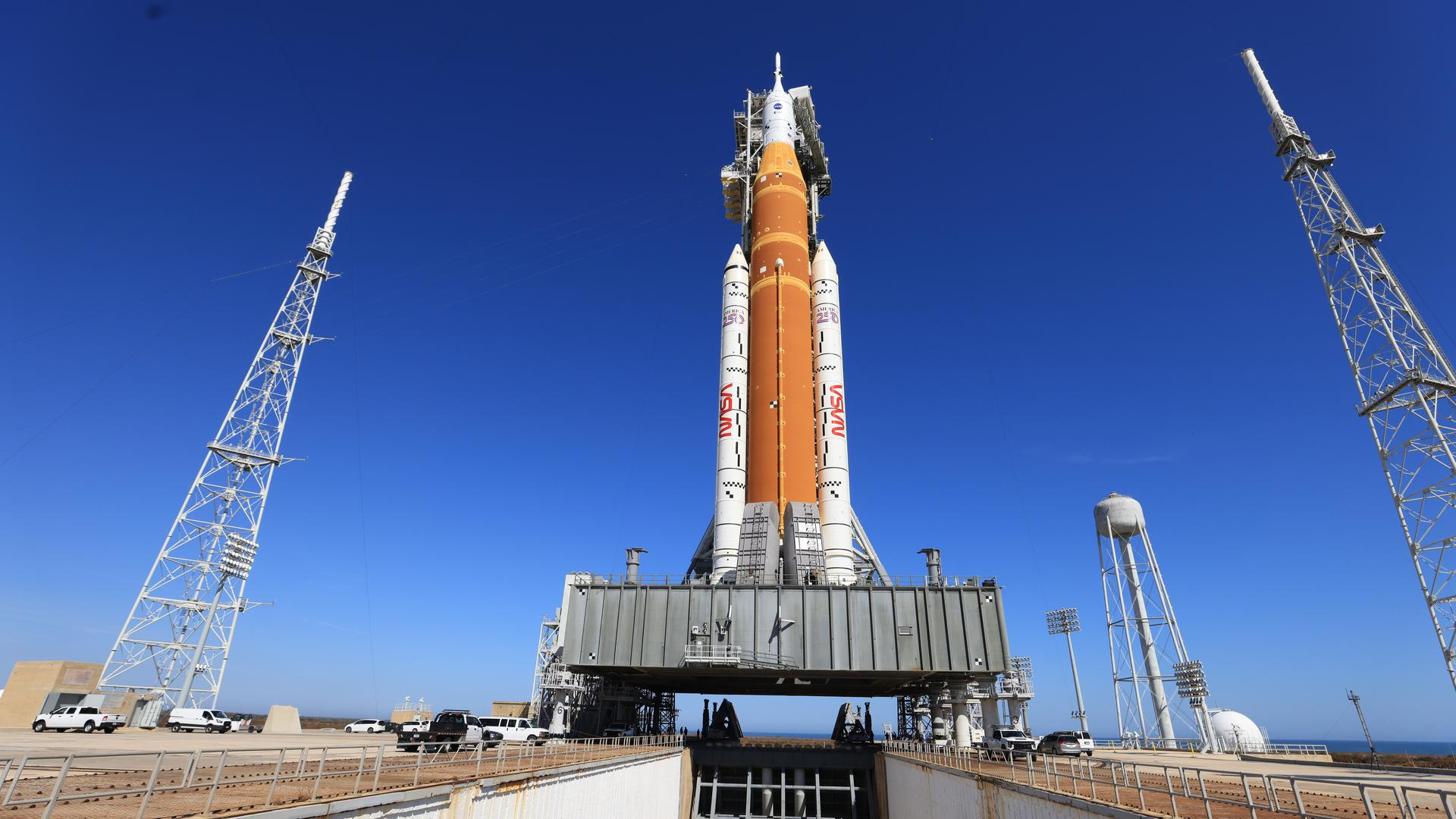
That alone would make the launch historic. But Artemis 2 matters for another reason as well. It is the clearest sign yet that NASA’s moon program is moving from promise to action. For years, Artemis has existed in a haze of ambitious timelines, political support, budget scrutiny, engineering milestones, and public expectation. Now, with the Space Launch System standing at Launch Complex 39B, the Orion crew capsule in place, the astronauts in quarantine, and NASA reporting no major technical issues ahead of liftoff, the mission has entered a new phase. It is no longer just about design, testing, or headlines about delays. It is about whether the agency can actually send people back into deep space and do it safely.
What follows is not simply a launch update. It is a look at why Artemis 2 has become one of the most consequential space missions of the decade, what NASA is doing in these final days, and why this launch could define the path back to the moon for a new generation.
Artemis 2 is NASA’s biggest crewed step beyond Earth in decades
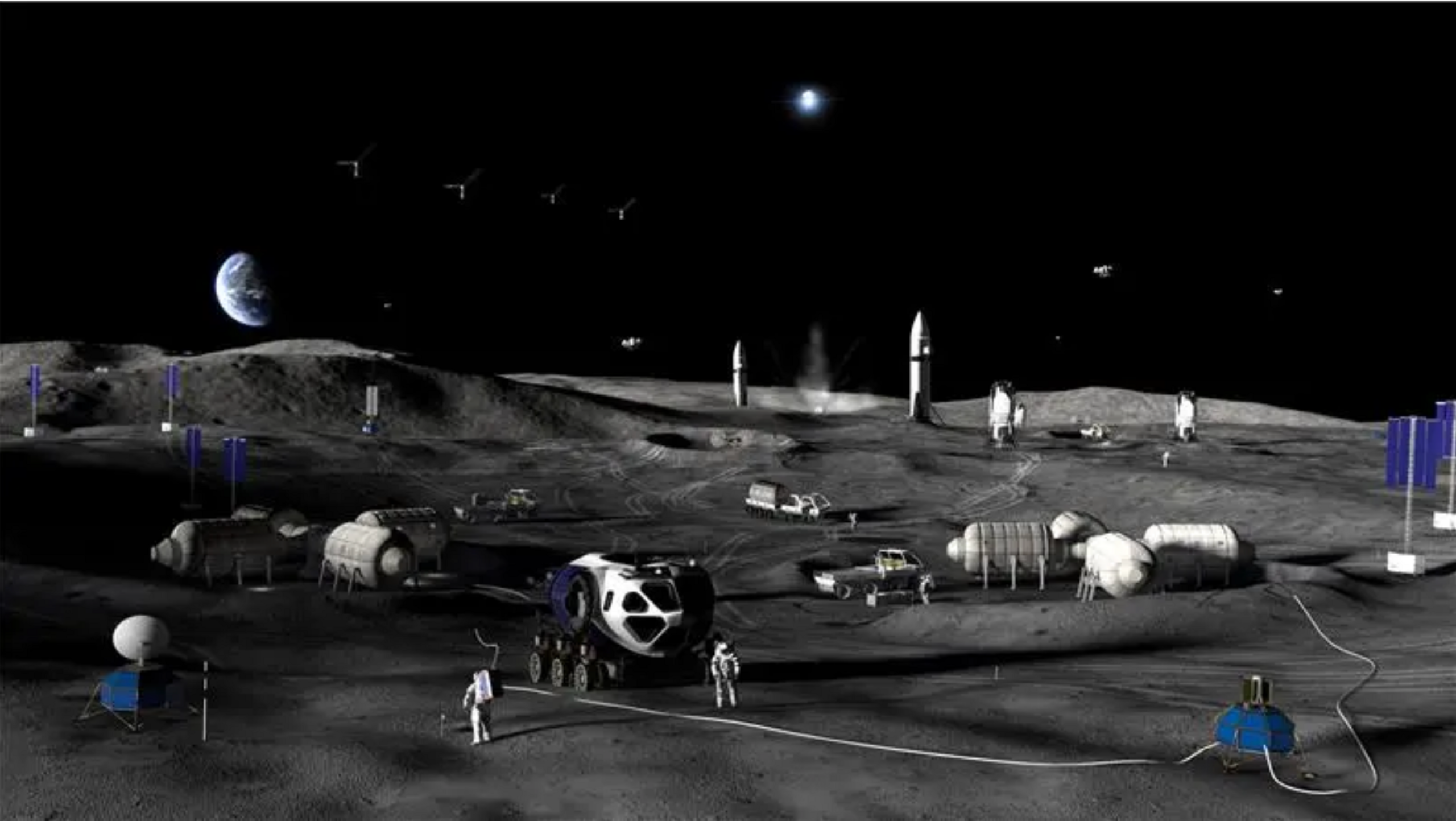
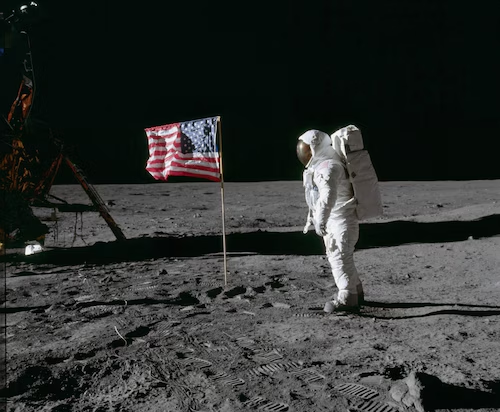
Artemis 2 is the first crewed mission in NASA’s Artemis program and the first astronaut flight to travel toward the moon since Apollo 17. That date matters because Apollo 17 flew in December 1972, meaning this mission arrives after more than 50 years without humans venturing that far from Earth. The United States has launched astronauts many times since then, but almost all of those missions have remained in low Earth orbit. Artemis 2 changes that.
The mission is set to send four astronauts on a roughly 10 day journey around the moon and back to Earth. Unlike later Artemis missions, this crew will not land on the lunar surface. Instead, their role is to test the Orion spacecraft, validate life support and navigation systems, and prove that NASA can safely carry humans through deep space again. That distinction is important. Artemis 2 is not about planting boots on the moon. It is about rebuilding the path that makes future moon landings possible.
This is why NASA officials have been so careful in their public language. A mission like this must be treated as a test flight, even if the public sees it as a triumphant return. Every system aboard Orion, every stage of the Space Launch System, and every decision made by ground teams carries enormous weight because future missions will depend on what Artemis 2 demonstrates.
NASA says the launch target is still holding
As of the latest status updates, NASA is still targeting April 1 for liftoff, scheduled for 6:24 p.m. EDT. Officials said teams were tracking zero technical issues leading into the launch window, which is exactly the kind of message space fans want to hear in the final stretch before a major mission.
That does not mean the launch is guaranteed. Spaceflight never works that way. Even when teams report no major issues, weather, last minute technical concerns, or countdown problems can still force a delay. But the tone of NASA’s recent updates suggests a level of confidence that had been missing earlier in the campaign. Instead of explaining why schedules were moving again, the agency has been talking about live coverage, astronaut media appearances, rollout milestones, and how the public can watch the countdown unfold.
That shift in tone matters because launch campaigns are often defined as much by momentum as by machinery. When the conversation turns away from problem solving and toward final preparation, it usually signals that the mission has entered a more stable phase. Artemis 2 now appears to be in that moment, where attention is shifting from whether the vehicle will be ready to how the world will experience the launch.
The astronauts are already in quarantine and preparing for flight
The four Artemis 2 astronauts have now moved into the final stage of prelaunch preparation, including quarantine at Kennedy Space Center. NASA began the process in Houston before flying the crew to Florida, where they will remain isolated to reduce any chance of illness before launch.
That ritual may seem routine, but it reflects how carefully these missions are managed. Once a crew is close to launch, even a relatively minor health issue can become a major operational problem. NASA cannot afford unnecessary risk, especially on a mission carrying astronauts far beyond the quick return options available in low Earth orbit.
The astronauts are also participating in virtual media events and final briefings while in quarantine. These last appearances before launch serve two purposes. On one level, they help the public connect with the people aboard the mission. On another, they act as a quiet reminder that beneath the giant rocket and the massive launch infrastructure, spaceflight remains deeply human. The mission depends not only on hardware, but on the physical readiness, discipline, and confidence of the four people who will ride it into space.
The Space Launch System has completed one of its final major milestones
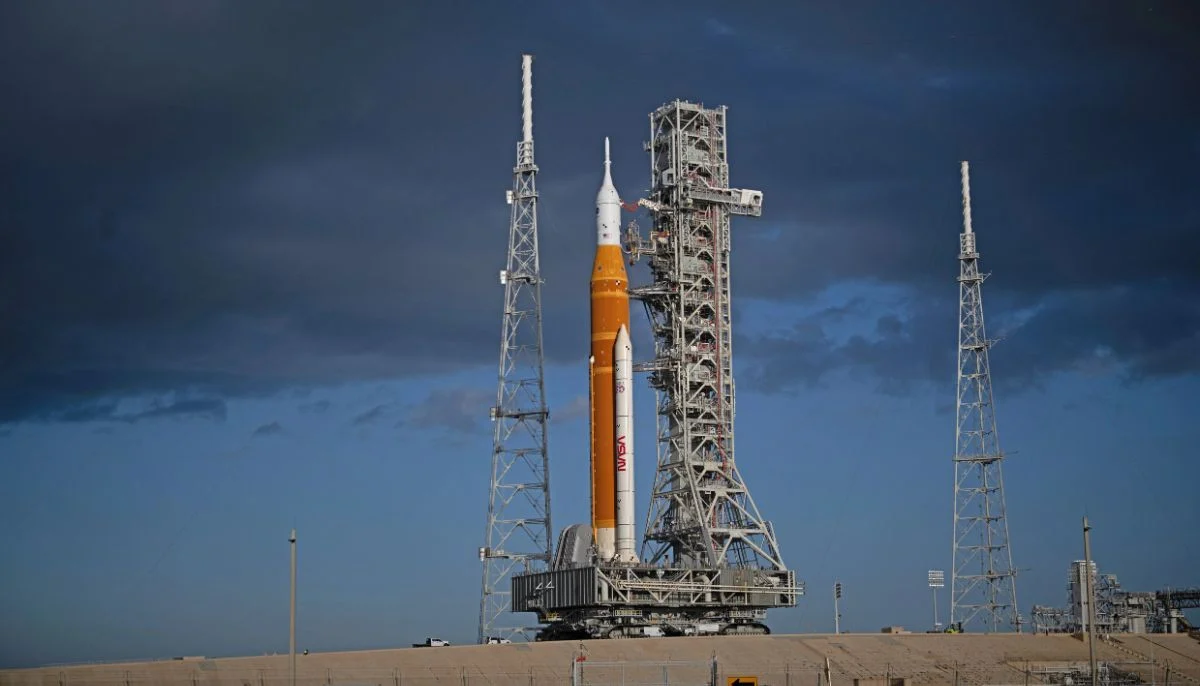
One of the most visible signs that Artemis 2 is nearing launch is the completed rollout of NASA’s Space Launch System from the Vehicle Assembly Building to Launch Complex 39B. That slow journey, carried out by crawler transporter over roughly four miles, is one of the most iconic parts of the launch process at Kennedy Space Center. It transforms the rocket from something assembled indoors into a public symbol of an imminent mission.
The rollout itself took place after some schedule adjustments caused by weather and additional maintenance work. High winds delayed the original plan, and NASA also took time to complete final work on the rocket before allowing first motion. In the end, the stack completed its trip successfully and now stands at the pad where teams can conduct final tests and integrated launch preparations.
This milestone matters because the rollout is more than logistical theater. Once the rocket reaches the pad, the countdown to launch becomes much more tangible. Engineers can begin pad specific preparations, integrated systems checks move forward, and the vehicle starts to resemble what it will be on launch day. For the public, it is a powerful image. For NASA, it is a sign that the mission has crossed a major threshold.
Artemis 2 will use Orion to carry humans farther than they have traveled in generations
At the center of the mission is Orion, the crew capsule designed to carry astronauts beyond low Earth orbit. Artemis 2 will be the first time humans fly aboard Orion, making this mission the most important test yet for the spacecraft’s design and capabilities.
The planned flight around the moon is intended to show that Orion can support a crew during a deep space mission and then bring them safely home. That includes everything from environmental control to communications, trajectory management, and reentry performance. These are not glamorous details, but they are the foundation of crewed exploration. A spacecraft headed for lunar missions must be more than functional. It must be reliable in ways that can withstand intense scrutiny.
That is why Artemis 2 has such weight inside NASA. If Orion performs well, the mission clears a major path toward future crewed lunar landings. If significant issues emerge, the next steps in the Artemis program could face serious delays and redesign pressures. In other words, Artemis 2 is not just a symbolic voyage around the moon. It is a validation mission for the transportation system NASA intends to use as the backbone of its human exploration plans.
The April 1 launch date comes after delays, but that is part of the story
Any realistic look at Artemis 2 has to acknowledge the delays that preceded this moment. The mission did not arrive at April 1 without obstacles. Maintenance work, weather concerns, and the long tail of engineering adjustments all shaped the current schedule. To some critics, those delays are signs of a program moving too slowly. To NASA, they are part of the disciplined caution required for a mission of this scale.
That tension has followed the Artemis program from the beginning. Public excitement tends to focus on launch dates and dramatic milestones, while the actual work of preparing a deep space mission is methodical, expensive, and often slow. Components must be checked and rechecked. Pad systems must be synchronized. Countdown procedures must be rehearsed. Human rated systems demand a level of caution that can look frustrating from the outside but is unavoidable when lives are on the line.
Seen in that light, the fact that Artemis 2 is now holding a firm launch target is meaningful precisely because it came after those delays. It suggests NASA did not simply force the mission toward the calendar. It took the time needed to get to a point where the agency could say, with a straight face, that no major technical issues were being tracked in the final days.
Why this launch matters far beyond one mission
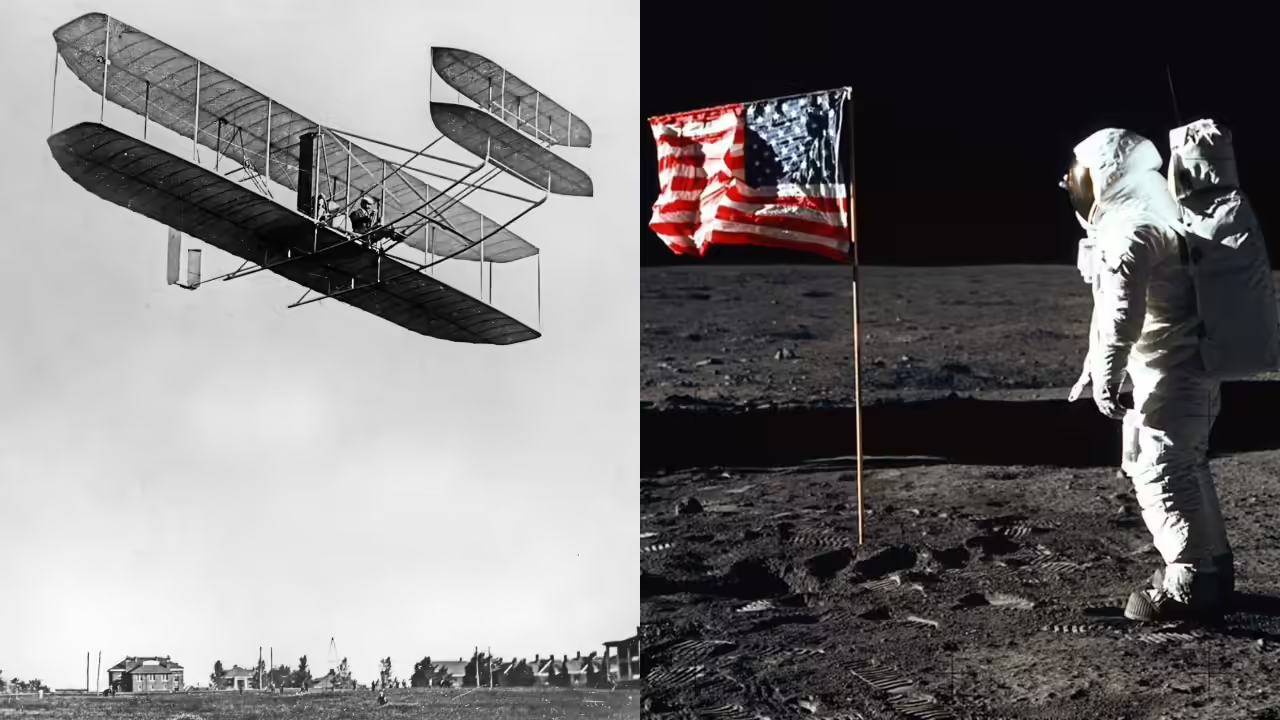
Artemis 2 is a single flight, but its implications are much larger. NASA is not sending this crew around the moon purely for nostalgia. The mission is part of a broader strategy to establish a long term return to lunar exploration and eventually support even more ambitious human missions. In that sense, Artemis 2 is not just a comeback story. It is a bridge.
If the mission succeeds, it strengthens the case that the Artemis architecture can work. It shows that the Space Launch System and Orion are not just expensive symbols, but functioning tools of exploration. It gives astronauts, engineers, lawmakers, and international partners evidence that the path to future lunar missions is operational, not theoretical.
It also matters culturally. For many people alive today, the moon landings belong to history books and archived footage. Artemis 2 has the power to make deep space feel current again. A new generation will not merely hear stories about astronauts traveling toward the moon. They will watch it happen live, in real time, with contemporary crews, modern systems, and all the emotional weight that comes with seeing humans leave Earth for somewhere farther than low orbit.
A launch like this carries both excitement and pressure
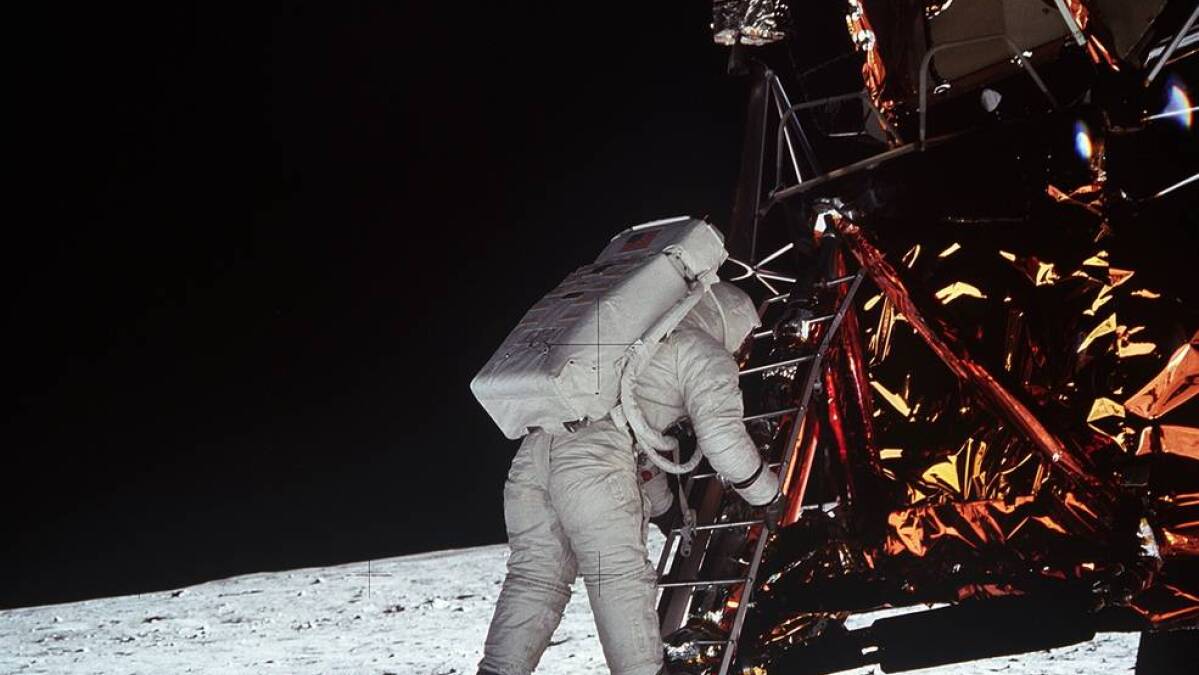
The closer Artemis 2 gets to launch, the more the emotional tone around the mission begins to change. There is excitement, of course, but also pressure. NASA is asking the public and policymakers to believe that this program can deliver meaningful results after years of buildup. A successful Artemis 2 mission would give that belief real substance.
At the same time, the mission is also a test of confidence in the broader idea of human exploration. Deep space missions demand vast resources and intense public scrutiny. They are never just technical events. They become arguments about priorities, ambition, and whether national space agencies still have the ability to pull off something genuinely hard.
That is why Artemis 2 feels bigger than a normal launch campaign. It sits at the intersection of engineering, politics, legacy, and national imagination. If the countdown proceeds as planned, the rocket will rise carrying not only four astronauts, but decades of expectation about whether humanity’s return to the moon is finally underway in a lasting way.
What happens next if Artemis 2 flies successfully
If Artemis 2 launches on April 1 and completes its mission successfully, NASA will gain something more valuable than headlines. It will gain momentum. In spaceflight, momentum is not just emotional. It shapes budgets, policy confidence, technical readiness, and the public narrative around whether a program is working.
A successful flight would strengthen the case for the next steps in Artemis, including future missions that move beyond a lunar flyby and toward actual lunar surface operations. It would also provide NASA with real crewed flight data on Orion and the launch system, which is exactly what the agency needs before it can responsibly attempt more complex missions.
That is what makes these final days so important. The agency is not merely preparing a launch. It is preparing a test of its ability to lead humanity back into deep space. The rocket has made it to the pad. The astronauts are at Kennedy. The countdown to one of the most significant missions in modern American spaceflight is now fully underway.
And that may be the most striking part of all. After more than 50 years, after countless delays, after a long stretch in which the moon seemed to belong mostly to memory, NASA is once again within reach of sending astronauts back toward it. Artemis 2 is not yet in the sky. But for the first time in a long time, the mission no longer feels like a distant promise. It feels like the threshold of history.