
Table of Contents
What R3 Bio Says It Is Building
R3 Bio’s public-facing story is built around a problem that many scientists and regulators do recognize: animal testing is costly, ethically fraught, and increasingly under pressure from policymakers. Wired reported that the Trump administration is phasing out some animal experimentation across the federal government, and that one federally funded primate center has considered shutting down under activist pressure. In that context, R3 says “organ sacks” could become a scalable, more humane model for drug testing, especially in monkeys, which remain central to some preclinical research but are expensive and in short supply in the United States. Gilman argued that an exclusively organ-based system could preserve biological complexity without the moral issues associated with sentient animals.
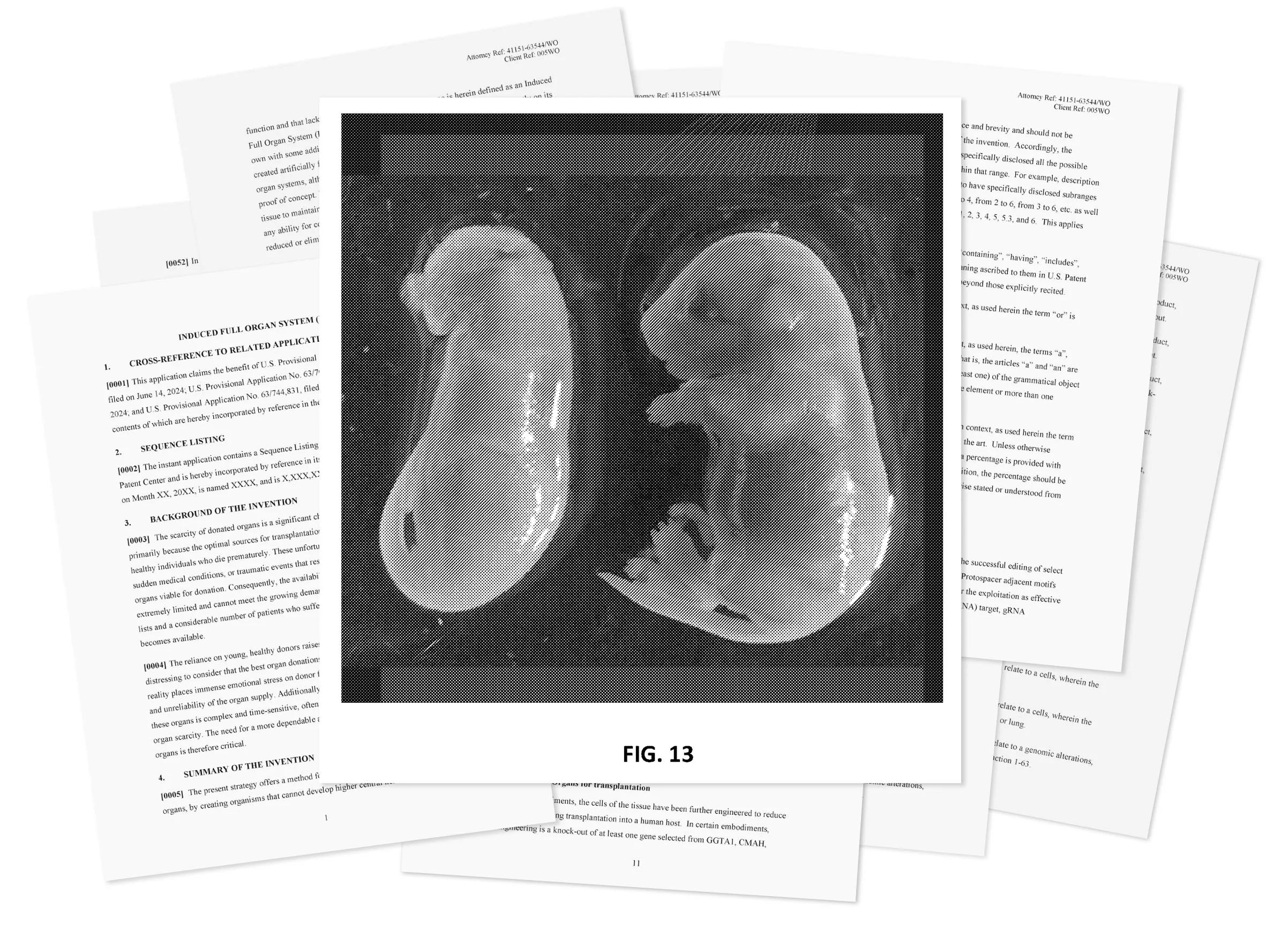
In the same interview, Gilman said the company’s long-term goal is to make human versions as a source of tissues and organs. That is where the public pitch starts to blur into a much more unsettling territory. Boyang Wang of Immortal Dragons, one of the investors identified by Wired, was quoted saying that if a nonsentient human “bodyoid” could be created, it would be “a great source of organs.” Wired also reported that Gilman and Schloendorn would not say exactly how R3 plans to create monkey or human organ sacks, but said they are exploring a combination of stem-cell technology and gene editing. Stem cell biologist Paul Knoepfler told the magazine that the concept is scientifically plausible in outline, because induced pluripotent stem cells can be edited to disable genes required for brain development. Plausible, however, is not the same as proven, and the company did not present evidence that it has created such structures.
The “Brainless Clone” Allegations Changed Everything
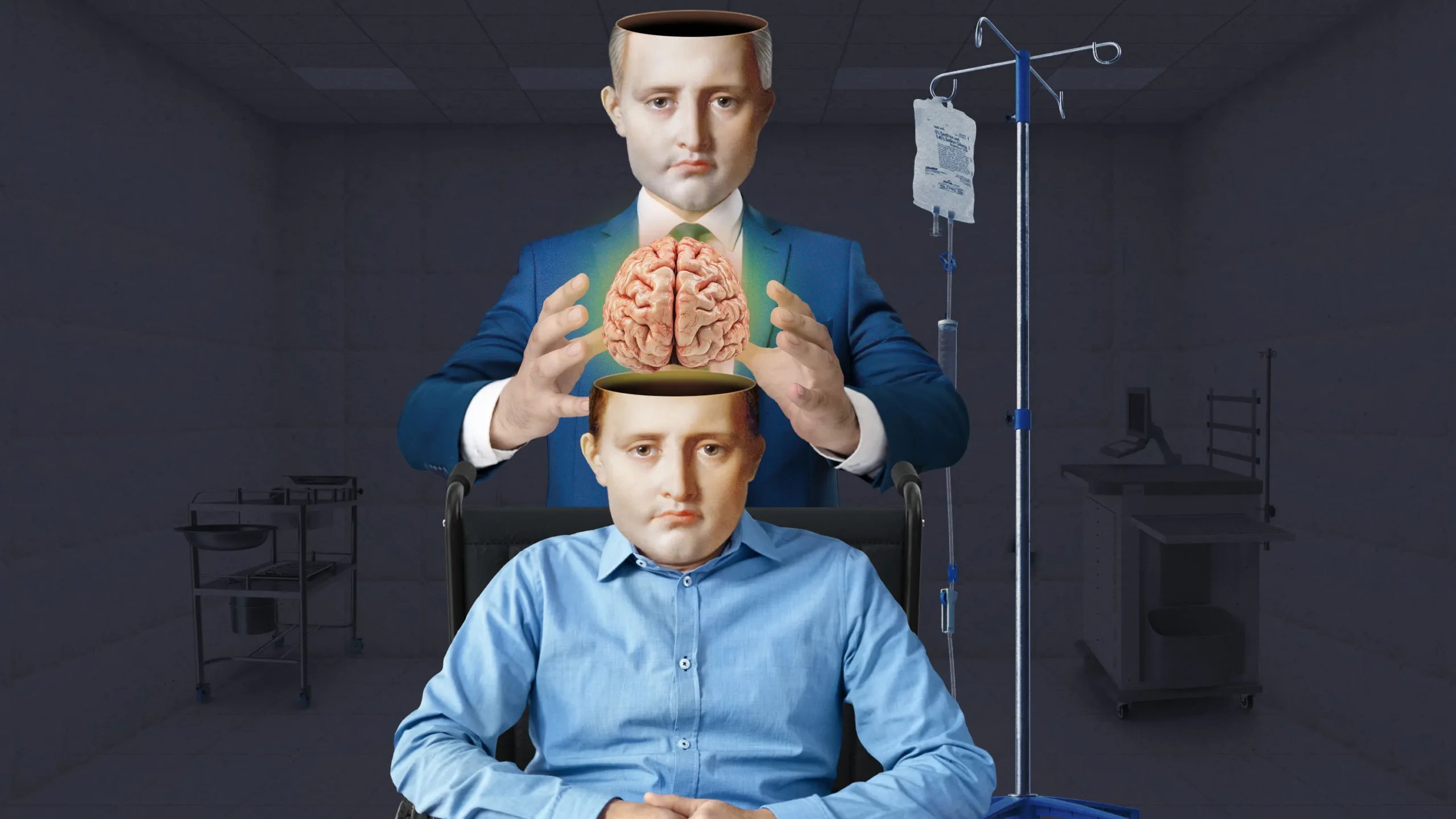
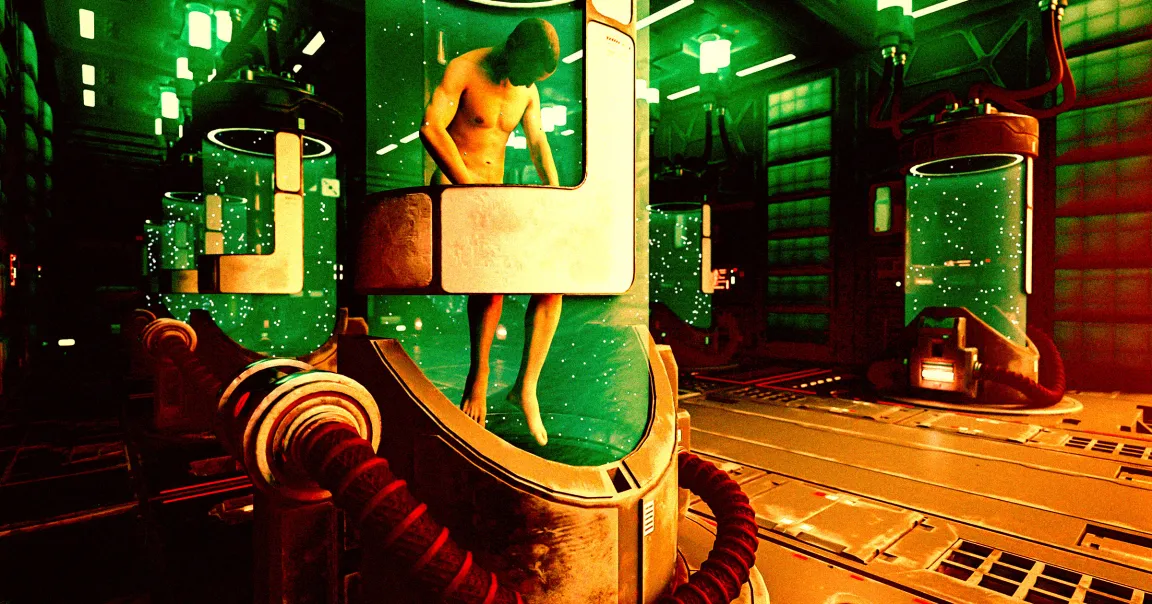
The bigger controversy exploded after MIT Technology Review reported that Schloendorn had pitched something much more radical behind closed doors. In a summary published by the magazine on LinkedIn, the outlet said it had found evidence that the founder privately discussed “brainless clones” that could serve as backup human bodies. The description matched a much more extreme longevity vision: not just growing isolated organs, but creating whole cloned human bodies with intentionally curtailed brain development. According to the summary, the proposal was framed as a path toward spare organs and potentially much more.
R3 Bio rejected that characterization. In the reported dispute, the company said Schloendorn had “never made any statement regarding hypothetical nonsentient human clones” carried by surrogates, and denied any intent or conspiracy to create human clones or brain-damaged humans. But the controversy did not dissipate, because the broader ecosystem around R3 had already been speaking publicly about related ideas. Wired itself reported that the long-term goal was human organ sacks. Meanwhile, Jean Hebert, now an ARPA-H program manager, is officially listed by ARPA-H as the leader of the FRONT program on neocortical repair and is the author of Replacing Aging, a book about regenerative medicine and age-related tissue damage. The overlap of these figures and concepts has made R3’s denials difficult for critics to dismiss as the end of the matter.
Why the Science Sounds Disturbingly Real
Part of what gives the story its force is that cloning and brain-directed genetic intervention are not pure science fiction. Since Dolly the sheep was born in 1996, cloned mammals have included many species, and in 2018 researchers in China reported the first cloned cynomolgus monkeys produced by somatic cell nuclear transfer. The Cell paper describing that work stated that cloned macaque monkeys had been successfully generated, showing that primate cloning is biologically possible even if it remains difficult and inefficient. That does not mean human reproductive cloning is around the corner, but it does mean the basic biological barriers are not imaginary.
The ethical landscape is equally real. UNESCO said in 2025 that more than 50 countries have passed laws banning human reproductive cloning, and older WHO material noted that dozens of countries had already adopted laws forbidding it, while the World Health Assembly had described cloning for the replication of human individuals as ethically unacceptable and contrary to human dignity. These prohibitions exist for a reason. Cloning remains error-prone, with high rates of defects, deformities, and failed pregnancies across species. Even if a company claimed it did not intend to create a normal cloned human, critics would still ask whether deliberately creating a severely altered human body crosses a moral line that law and medicine have long recognized.
The Longevity Logic Behind the Proposal

What makes the R3 story more than a one-off biotech shock is that it fits into a growing strain of extreme longevity thinking. In the Wired interview, Wang of Immortal Dragons said replacement may be better than repair when it comes to disease and aging. That view is not unique to him. ARPA-H’s Jean Hebert officially leads a program aimed at restoring neocortical tissue, and his public biography states that he studies stem cell transplantation, neurodegeneration, cortical health, and regenerative approaches to damage accumulated in aging tissue. In other words, the broader intellectual environment around “replacement” is not fringe in the simple sense of being unknown. Parts of it are connected to serious institutions, serious investors, and serious research agendas, even if the most radical applications remain deeply speculative.
That is why the phrase “brainless clone” has landed with such force. It collapses several already-existing ambitions into one terrifying image. First comes the desire to solve organ shortages. Then comes the hope of replacing aging tissues with younger ones. Then comes the transhumanist dream of extending life by continually swapping out failing biological parts. Once those ideas are stacked together, the leap to cloned backup bodies begins to look less like random science fiction and more like a grotesque extrapolation from real biomedical goals. Critics argue that this is exactly why the concept must be confronted early, before a softer public narrative about “ethical organ systems” normalizes something much more radical underneath it.
The Technical Barriers Are Still Enormous

For all the alarm, it is important not to overstate what R3 has accomplished. MIT Technology Review said it found no evidence that the company had cloned any human or even any animal larger than a rodent, and Wired likewise reported that Gilman and Schloendorn denied that R3 had made mouse organ sacks. The company has not publicly shown it can create a viable monkey organ sack, let alone a human one. And the technical barriers remain staggering. Primate cloning is expensive and inefficient. Reproductive cloning across mammals often fails. Fully controlling brain development without causing other lethal defects would be extraordinarily complex. And there is still no established artificial womb technology for gestating a whole cloned human body outside a person.
There is also a blunt surgical problem. Even if someone someday produced a nonsentient cloned body, whole-body or brain transplant remains far beyond current medicine. ARPA-H’s FRONT program is about restoring neocortical tissue, not transplanting entire brains into replacement bodies. And while regenerative neuroscience is a real field, that does not solve spinal cord reconnection, immune integration, vascular complexity, or the philosophical problem of personal identity after such a procedure. The science that exists today does not support the fantasy that a wealthy patient could soon move their brain into a younger cloned body and gain a second lifespan.
The Ethical Problem Is Bigger Than Feasibility
The deepest problem with the R3 controversy is not whether the company can do what has been alleged. It is what it means that serious money and real scientific language are being used to discuss it at all. If a cloned human body were engineered to lack higher cognition, would it still count as a human subject deserving full protection? If it retained a brain stem or some form of rudimentary awareness, how would anyone prove it could not suffer? If surrogates were needed to carry such pregnancies, what kind of reproductive exploitation would follow? These are not public-relations issues. They are civilizational questions. The global bans and UNESCO’s insistence on human dignity reflect exactly this fear: that biotechnology could move faster than moral consensus and faster than legal enforcement.
The controversy also shows how secrecy changes the public’s response. When a startup surfaces from stealth with an already shocking claim about monkey organ sacks, and then journalists report that investors and insiders were hearing even more extreme private pitches, distrust becomes inevitable. R3 may be right that some headlines are sensational. But secrecy itself fuels sensationalism, especially when the subject is cloned bodies, organ harvesting, and life-extension bets for the ultra-rich. The result is not just fear of one company. It is fear that parts of biotech are beginning to think in ways that society has not yet decided it can live with.
Why This Story Matters Now
The reason this story matters is not that human brainless clones are about to appear next year. They are not. It matters because it shows where the outer edge of biotechnology ambition has already gone in private rooms, investor conversations, and longevity circles. It shows how the language of reducing animal testing can sit alongside a longer-term vision of replacement bodies. It shows how people with money and influence are willing to fund extremely low-probability, high-controversy ideas if those ideas promise to “move the needle” against aging. And it shows that official science institutions now operate in a world where adjacent private networks may be pushing ethically explosive concepts under the cover of stealth.
In the end, the R3 Bio saga is not really about whether one startup can pull off a grotesque biomedical fantasy. It is about whether society can recognize the shape of a new frontier before it becomes harder to regulate. The public version of the idea is already radical enough: nonsentient monkey organ sacks, with human versions as a future possibility. The reported private version is more disturbing still: cloned backup bodies for organs, rejuvenation, and maybe one day body replacement. R3 disputes the harshest allegations, and the science remains far from practical reality. But the larger warning is already here. Once the logic of replacement becomes stronger than the ethics of personhood, the distance between cutting-edge medicine and nightmare stops feeling safely wide.