
Table of Contents
- What Is Artemis II?
- When Is the Artemis II Flyby Livestream?
- How to Watch the Artemis II Flyby Livestream
- How Does NASA Livestream from Space?
- Communication Blackout Near the Moon
- The Artemis II Crew: Who Are They?
- Space Launch System (SLS) Rocket
- NASA’s Cutting-Edge Technology for the Artemis II Mission
- Minor Setback During the Mission: Outlook Glitch
- A Step Toward Lunar Exploration
- Conclusion
What Is Artemis II?
Artemis II is NASA’s first crewed mission to the Moon in over five decades. As part of NASA’s Artemis program, it is designed to test the Space Launch System (SLS) rocket and the Orion spacecraft before sending astronauts back to the lunar surface. The crew of Artemis II includes Commander Reid Wiseman, Pilot Victor Glover, Mission Specialist Christina Koch, and Canadian Space Agency Mission Specialist Jeremy Hansen. Their journey will take them around the Moon, providing a unique opportunity to test key systems and prepare for the upcoming Artemis III mission, which will land astronauts on the lunar surface.
When Is the Artemis II Flyby Livestream?
The Artemis II mission’s livestream will begin at 1 PM ET on April 7, 2026 (10:30 AM IST). The livestream will give viewers around the world a chance to experience the historic flyby live. With the excitement surrounding this mission, over 4 million people are expected to tune in to watch the launch, which will be broadcast across various platforms, including Netflix, YouTube, HBO Max, Amazon Prime Video, and more.
How to Watch the Artemis II Flyby Livestream
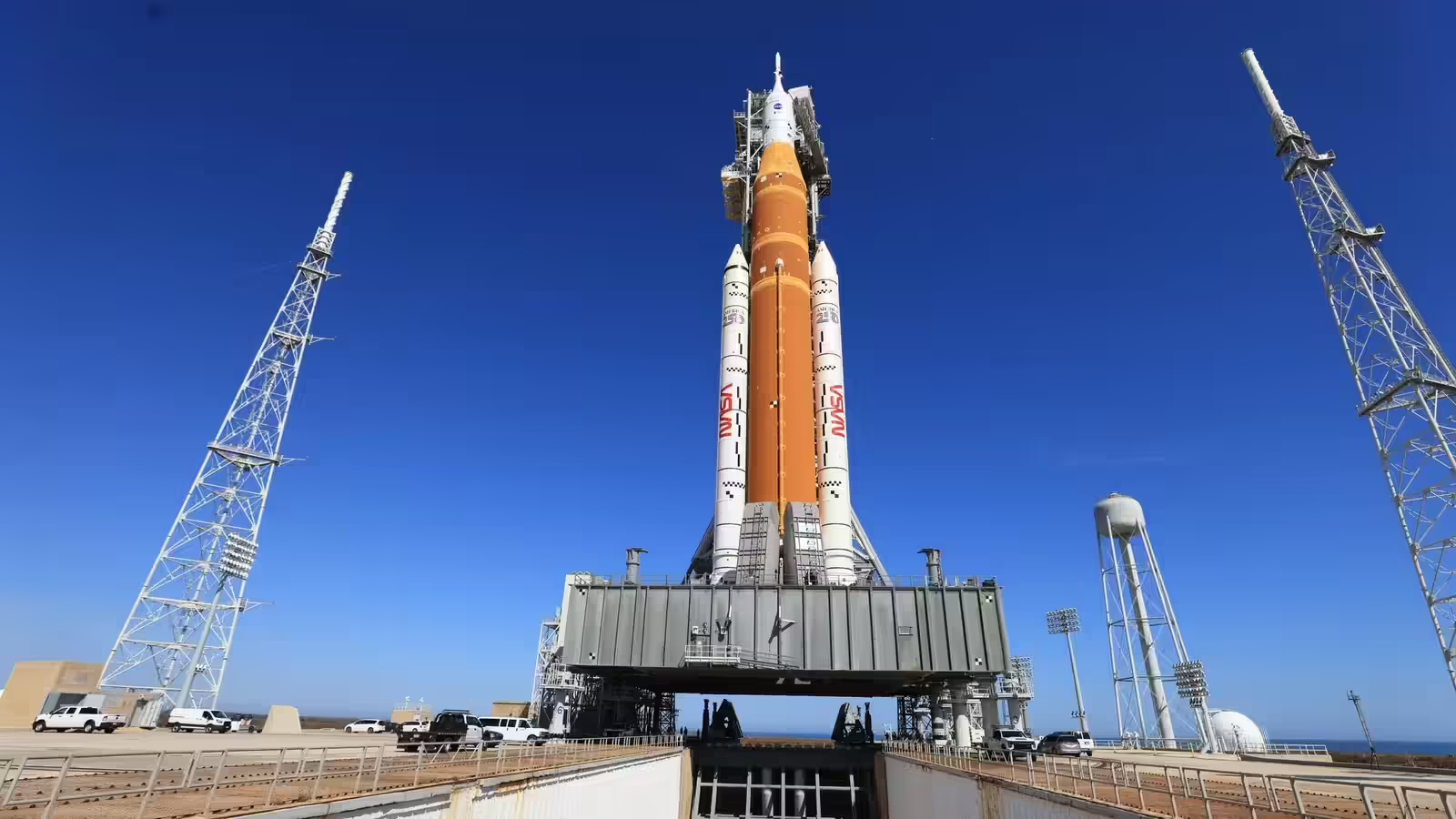
For space enthusiasts and curious viewers, there are plenty of ways to watch the Artemis II flyby. While Netflix was initially expected to stream the mission, plans changed last minute, and it will now be livestreamed across multiple platforms. You can catch the Artemis II livestream on YouTube, Amazon Prime Video, HBO Max, Peacock, NASA Plus, and of course, Netflix. The livestream is available globally, making it accessible to anyone with an internet connection.
How Does NASA Livestream from Space?
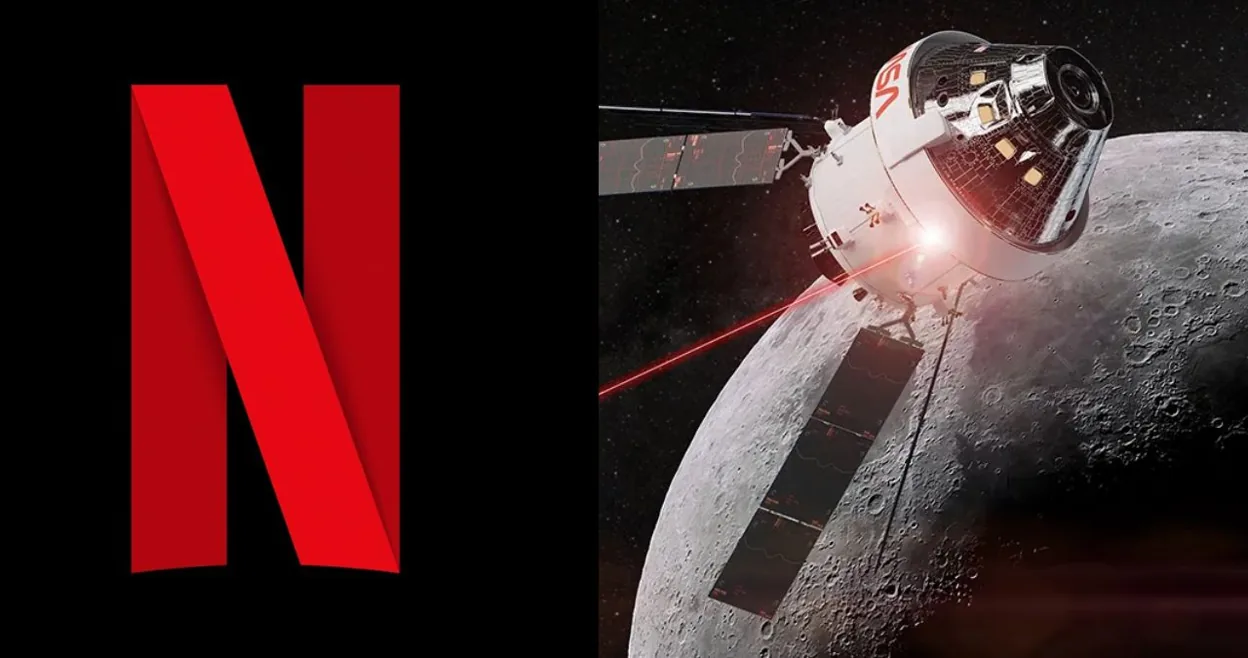
One of the most frequently asked questions about the Artemis II livestream is how NASA will transmit data and video from space, where traditional internet connectivity isn’t available. NASA has developed an advanced technology called the Orion Artemis II Optical Communications System (O2O), which uses laser communication to transmit data. This new system uses infrared light instead of traditional radio waves, allowing for much faster data transmission, including 4K video and high-resolution images, at speeds of 260 megabits per second. This system will be used to send real-time footage of the flyby, allowing viewers to experience the mission in incredible detail.
Communication Blackout Near the Moon
While the livestream will offer breathtaking views of the Artemis II spacecraft as it orbits the Moon, there will be a brief communication blackout when the spacecraft passes behind the Moon. During this period, from 23:47 BST on April 6 (4:17 AM IST), the crew will temporarily lose contact with mission control in Houston, Texas. This is a routine part of deep-space missions and serves as a reminder of the challenges that come with space exploration.
The Artemis II Crew: Who Are They?
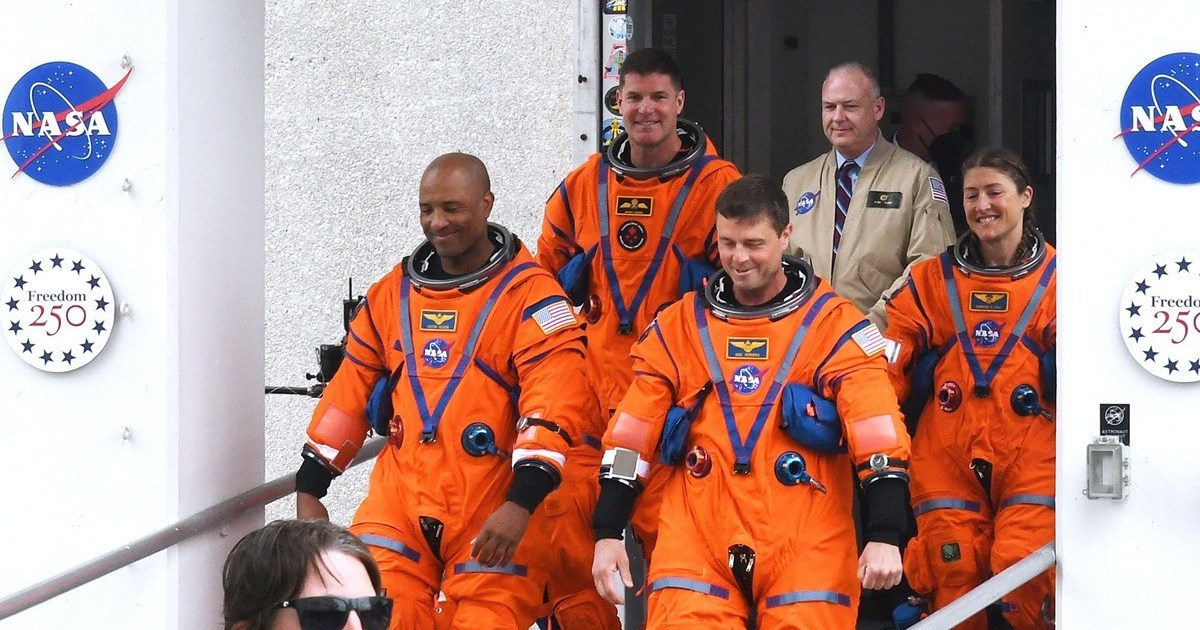
The Artemis II crew is made up of four astronauts who are part of this historic mission. Commander Reid Wiseman, Pilot Victor Glover, Mission Specialist Christina Koch, and Mission Specialist Jeremy Hansen have a wealth of experience in spaceflight. Each of them has a unique background, and their combined expertise will be crucial to the success of the mission. Notably, Christina Koch is known for holding the record for the longest single spaceflight by a woman, while Victor Glover is the first African-American man to orbit the Moon.
Space Launch System (SLS) Rocket
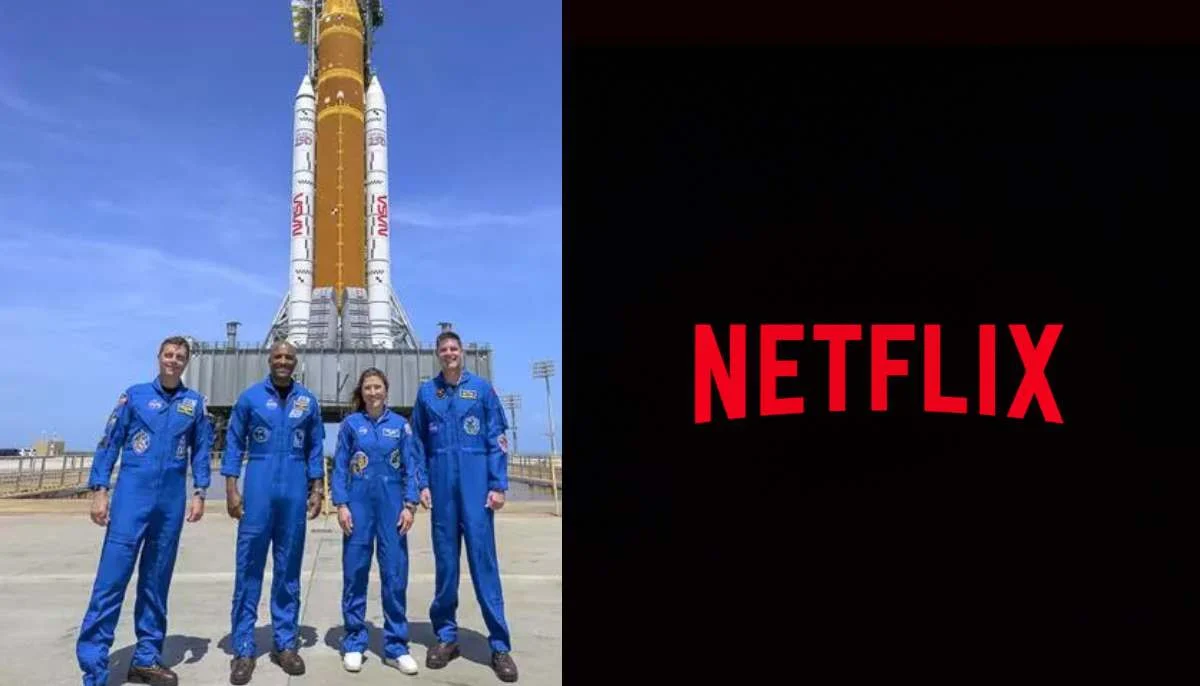
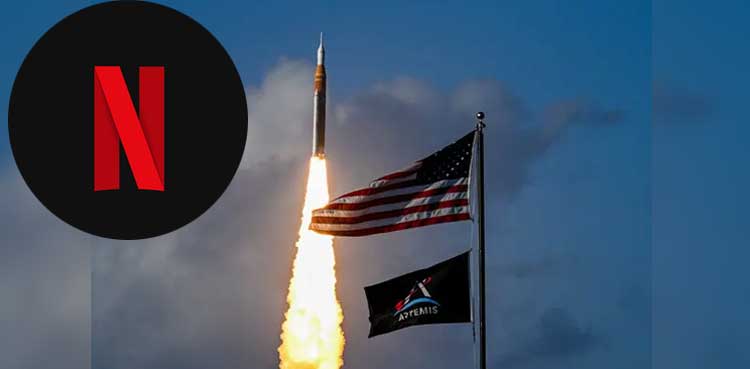
The Artemis II mission began with the launch of the Space Launch System (SLS) rocket on April 1, 2026. The SLS rocket, the most powerful rocket ever built, was designed specifically for NASA’s deep space exploration missions, including trips to the Moon, Mars, and beyond. The crew launched from the Kennedy Space Center in Florida, and after a high-stakes engine firing, they broke free from Earth’s orbit, beginning their journey toward the Moon. The journey will take approximately 10 days, with the crew expected to orbit the Moon and then return to Earth.
NASA’s Cutting-Edge Technology for the Artemis II Mission
The Artemis II mission relies on cutting-edge technology to ensure the success of the mission. In addition to the O2O optical communication system, NASA is using advanced systems for navigation, propulsion, and life support. The Orion spacecraft is equipped with a robust suite of systems designed to support the astronauts throughout their journey, ensuring they have the tools they need to perform their mission and safely return to Earth.
Minor Setback During the Mission: Outlook Glitch
While the Artemis II mission is progressing smoothly, the crew did face a minor technical setback shortly after launch. Commander Reid Wiseman reported that there were issues with Microsoft Outlook, which caused glitches on the shuttle’s personal computing devices. Despite this hiccup, mission control in Houston quickly assisted the crew, and the issue was resolved without any major complications. This minor setback serves as a reminder that space missions, even with the best technology, are not without their challenges.
A Step Toward Lunar Exploration
The Artemis II mission is not just a test of technology—it marks a significant step toward the future of lunar exploration. With plans for astronauts to return to the Moon in the coming years, the Artemis II mission will pave the way for future missions that will explore the lunar surface and establish a sustainable human presence on the Moon. This will be a crucial step in humanity’s journey to Mars and beyond, and watching this mission unfold will give viewers a front-row seat to the future of space exploration.
Conclusion
The Artemis II mission is a historic event in space exploration, and thanks to advanced technologies like laser communication, millions of people will be able to witness this groundbreaking moment in real-time. As NASA pushes forward with its mission to return astronauts to the Moon, the world will be watching—thanks to cutting-edge technology and partnerships with streaming platforms like Netflix. Whether you’re a space enthusiast or just someone curious about the future of space exploration, the Artemis II flyby is an event you won’t want to miss.