
Table of Contents
- A ceasefire is holding, but the crisis is getting more dangerous
- Trump says the blockade has begun and Iran says the Gulf is no longer safe
- The real battle is still over the Strait of Hormuz
- The Islamabad talks did not fail cleanly, which is why more talks remain possible
- The nuclear dispute is still the biggest obstacle
- The blockade could hurt Iran, but it could also hurt Trump
- Allies want the waterway reopened, but they do not want Trump’s blockade
- New talks are still possible, and maybe necessary
- The next few days could decide whether pressure becomes peace or renewed war
A ceasefire is holding, but the crisis is getting more dangerous
When news broke that President Donald Trump had ordered the U.S. military to begin blockading Iranian ports, the move instantly changed the meaning of the current ceasefire. The truce had already looked fragile after high-level talks in Pakistan ended without a deal. But the blockade transformed the situation from a tense diplomatic standoff into a direct test of power, endurance, and political nerve. Instead of easing pressure while negotiators searched for common ground, Washington chose to tighten it. Now the United States and Iran are trapped in a moment where both war and diplomacy are still alive, and each side is trying to use one to shape the other.
The timing is what makes the situation so combustible. The ceasefire that paused the six-week war remains in place only temporarily, with the current deadline set for April 22. At the same time, there is still no final agreement on the issues that caused the fighting to escalate in the first place, including Iran’s nuclear activity, sanctions relief, and control of the Strait of Hormuz. Instead of clarity, the region is getting a dangerous overlap of unfinished war, unfinished diplomacy, and fresh economic disruption.
That has turned the next few days into a decisive window. If new negotiations are arranged quickly and both sides decide the costs of escalation are too high, the blockade may be remembered as the harsh pressure tactic that forced diplomacy forward. If not, it may instead be seen as the moment the ceasefire began to unravel under the weight of military coercion and political maximalism. Right now, both interpretations are possible, and that uncertainty is exactly why markets, allies, and regional governments are so alarmed.
Trump says the blockade has begun and Iran says the Gulf is no longer safe
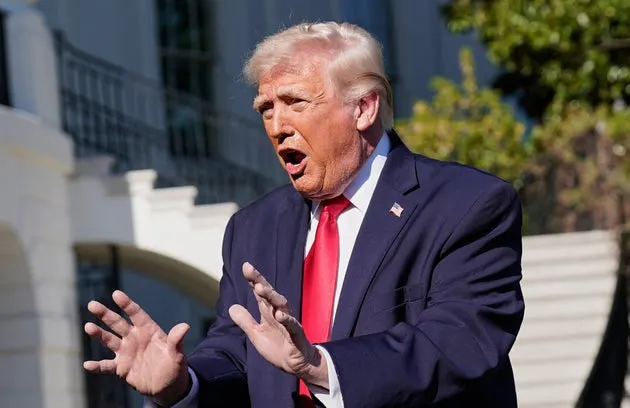
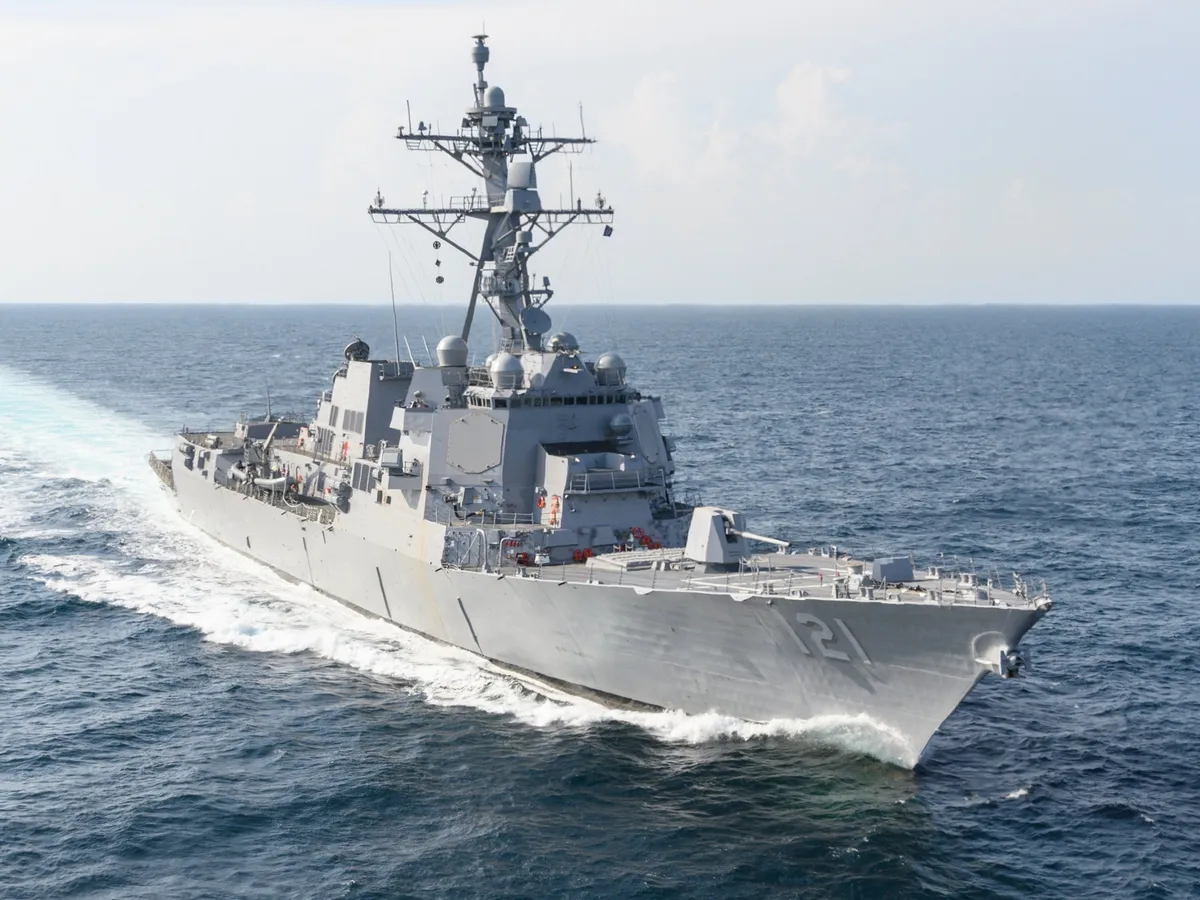
Trump announced that the blockade began at 10 a.m. Eastern time on Monday and said the objective was to force Tehran to reopen the Strait of Hormuz and accept terms to end the war. According to the Associated Press, the blockade covers Iran’s coastline along the Persian Gulf and the Gulf of Oman, while still allowing passage for ships traveling to and from non-Iranian ports. That distinction matters because the action stops short of a full closure of the strait to all maritime traffic. Even so, it dramatically raises the risk of confrontation because the U.S. military is now actively enforcing restrictions on traffic connected to Iranian ports and energy infrastructure.
Trump described Iran’s use of the waterway as blackmail and said the United States could not allow one country to extort the world economy. He also signaled that the White House still wants a negotiated outcome, saying the administration had been contacted by “the right people” from the Iranian side and that they wanted to make a deal. But he did not explain who made contact or what exactly was discussed. That left his message sounding both threatening and inviting at the same time, which has become a defining feature of this phase of the crisis.
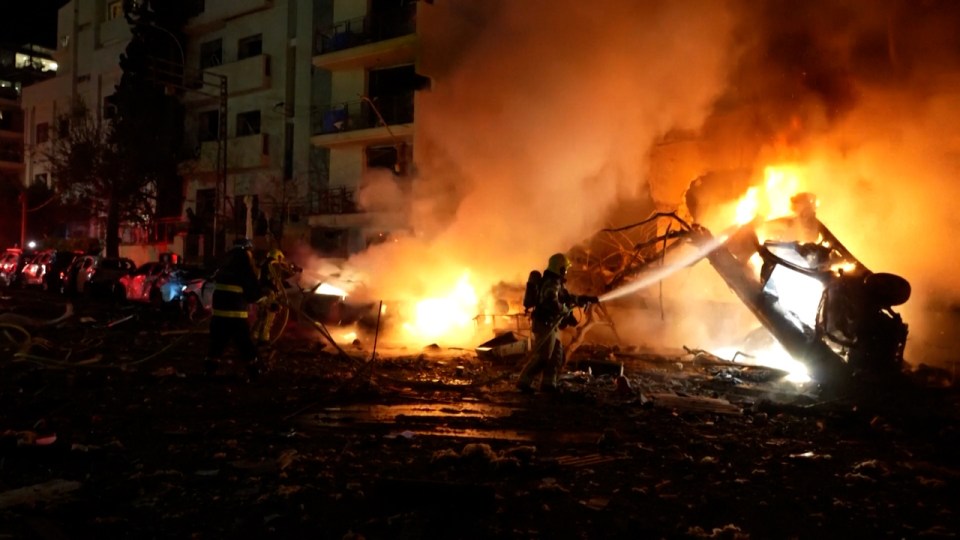
Iran answered with threats of its own. State-linked messaging warned that if security in the Persian Gulf and Gulf of Oman was not guaranteed for everyone, then no port in the region would be safe. Iranian officials also cast doubt on whether the United States could sustain the blockade without creating even larger problems for itself, especially through higher oil prices and renewed military risk. The result is a classic pressure duel. Washington believes the blockade weakens Tehran. Tehran believes the blockade exposes Washington to new economic and strategic pain.
The real battle is still over the Strait of Hormuz
The Strait of Hormuz remains the core strategic prize in this conflict. In peacetime, roughly one-fifth of the world’s traded oil moves through the strait, making it one of the most important chokepoints in the global economy. Reuters and the Associated Press have both underscored how the disruption there has already shaken energy markets, freight routes, and political calculations far beyond the Middle East. This is no longer just a regional military dispute. It is a crisis touching inflation, shipping, and food supply chains on a global scale.
Iran had already been using its position around Hormuz to restrict traffic, permit selected vessels, and impose costly pressure on international shipping. That is part of what pushed Washington toward the blockade. The Trump administration concluded that if Tehran could keep using the strait as leverage while also resisting U.S. terms at the negotiating table, then the military balance and the diplomatic balance would both tilt in Iran’s favor. The blockade is meant to reverse that equation by targeting Iran’s own maritime economy and energy exports.
But blockades are rarely simple. AP reported that experts are already warning the United States may struggle to restore normal maritime movement through force alone. The region is crowded with commercial shipping, Iranian asymmetric naval capabilities, and legal complications tied to enforcement. Any prolonged maritime pressure campaign raises the chance of incidents involving mines, drones, fast-attack craft, or miscalculated encounters at sea. In other words, the blockade may be easier to announce than to manage.
The Islamabad talks did not fail cleanly, which is why more talks remain possible
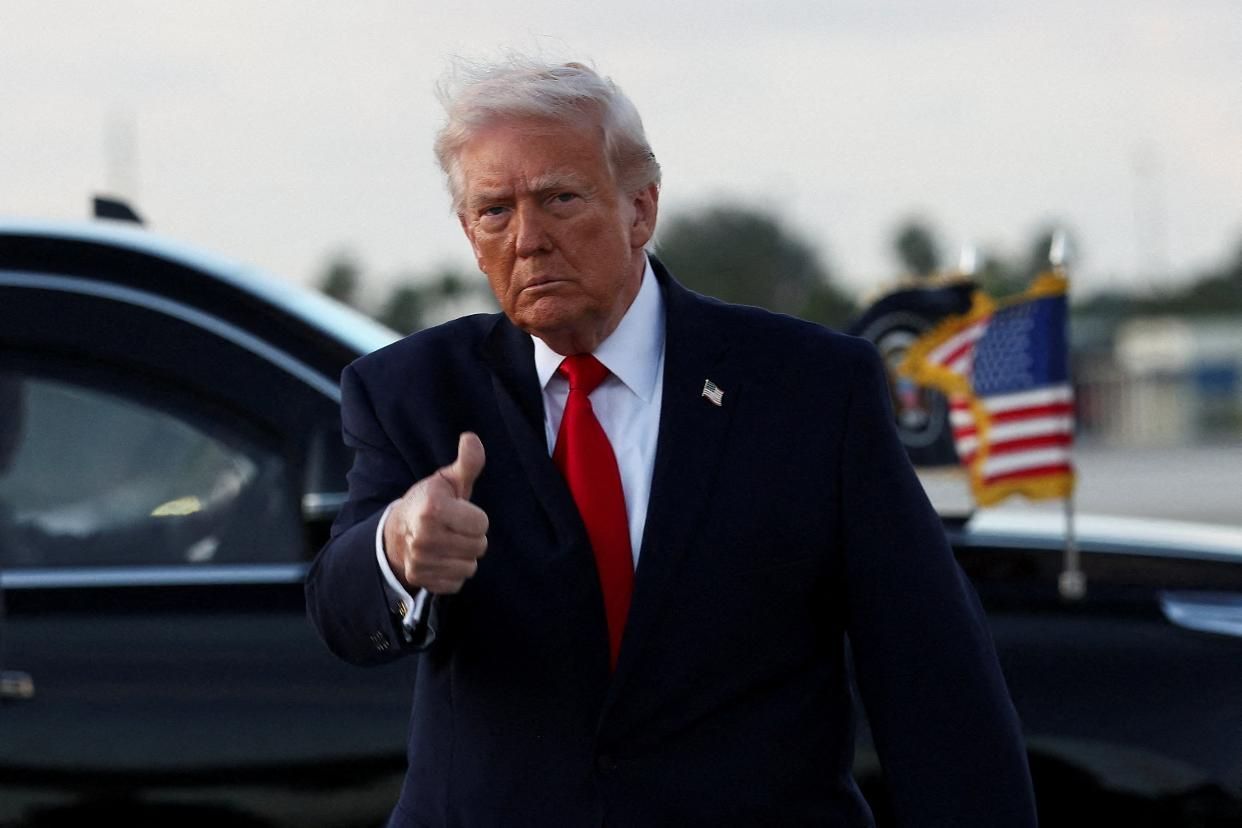
Even though the weekend talks in Islamabad ended without a final agreement, they did not collapse in a way that made further diplomacy impossible. Reuters reported that the marathon session was the most significant direct engagement between the United States and Iran since the 1979 Islamic Revolution. The fact that the two sides talked for around 20 hours and still left the door open to future engagement suggests the meeting was serious, not performative.
There were signs of real progress. Reuters reported that participants believed they had come significantly closer to a possible framework before the talks stalled over nuclear guarantees, sanctions relief, and the scope of any larger arrangement. Vice President JD Vance later said Iran had moved in Washington’s direction, but not far enough. That is not the language of total failure. It is the language of a negotiation that has narrowed the issues but not yet resolved them.
Iran presented the breakdown differently, accusing Washington of shifting goalposts at the last minute and undermining what could have become an understanding. But even that accusation leaves space for renewed contact. If one side says the problem was the other’s final demands rather than the entire process, it is effectively saying that diplomacy could still work under different terms. That is why reports continue to suggest another round of talks could happen if mediators can build momentum quickly enough.
The nuclear dispute is still the biggest obstacle
For all the headlines about ships, oil, and deadlines, the deepest disagreement remains Iran’s nuclear program. The Associated Press reported that the talks stalled in part because Iran would not accept American terms on nuclear restrictions. Reuters likewise noted that the main sticking points included uranium enrichment, the duration of any suspension, and broader guarantees tied to Iran’s future nuclear posture.
That matters because the nuclear issue is not just technical. It is political, symbolic, and strategic at the highest level. Washington wants a deal that can be presented as strong, lasting, and unambiguous. Tehran wants a deal that does not look like surrender and does not permanently strip away what it sees as sovereign rights. Those goals are not impossible to reconcile, but they are difficult to reconcile under blockade pressure and inside a ceasefire clock that keeps ticking toward expiration.
Iran has also insisted on broader conditions for lasting peace in earlier reporting, including sanctions relief, an end to military strikes, and compensation or guarantees against renewed attacks. The United States, meanwhile, has been pushing for deeper and longer restrictions. The result is a familiar diplomatic impasse. Both sides can imagine a deal in theory, but both still believe they need one more round of pressure before agreeing to it.
The blockade could hurt Iran, but it could also hurt Trump
The logic behind the blockade is clear enough. By cutting off Iranian ports and making energy exports harder, the White House hopes to force Tehran back to the table in a weaker and more conciliatory position. Energy analysts cited by Reuters and AP say Iran can likely endure the blockade for some time, especially because previous U.S. sanctions enforcement had loosened enough to let more oil leave the country in recent weeks. That means the pain may not be immediate. Tehran may still have financial cushioning, at least in the short term.
But the United States also faces its own pain threshold. Oil has risen close to $100 per barrel, up sharply from levels before the war. AP reported that U.S. gas prices are already climbing, and the broader cost of food, industrial inputs, and shipping is being pulled upward as well. That creates a political problem for Trump, because pressure tactics that harm Iran but also hit American consumers are far harder to sustain. The White House may believe Tehran will break first, but markets do not wait patiently for diplomatic theory to prove itself.
This is what makes the blockade such a gamble. If Iran yields before the economic pain spreads too widely, Trump can claim he forced a better deal. If the blockade drags on while prices keep rising and the ceasefire remains unresolved, the White House could end up under mounting domestic pressure just as Tehran digs in. In that sense, the blockade is not only a test of Iran’s endurance. It is also a test of Trump’s ability to absorb political and economic fallout at home.
Allies want the waterway reopened, but they do not want Trump’s blockade
One of the clearest signs of international anxiety is how U.S. allies are responding. Reuters reported that Britain will not take part in the blockade and is instead focused on reopening the Strait of Hormuz through separate efforts. NATO allies more broadly have resisted joining Trump’s action, and European leaders are discussing a defensive multinational effort aimed at restoring freedom of navigation without becoming part of the war itself.
That distinction is crucial. Allies agree that Hormuz must reopen. They do not agree that Washington’s blockade is the right way to make that happen. European leaders are worried that becoming directly associated with the U.S. military action could deepen the crisis rather than stabilize it. Reuters reported that France and Britain are exploring broader diplomatic and defensive coordination, while ASEAN foreign ministers have called for a permanent resolution and unimpeded navigation.
This leaves Trump somewhat isolated on the method even if he is not isolated on the objective. The world wants shipping restored. The world is less certain that a unilateral American blockade enforced under threat of military destruction will achieve that safely. That split matters because diplomacy is often shaped by whether outside powers reinforce or undercut the pressure being applied. Right now, many of Washington’s partners appear to be signaling that they want negotiation, not escalation disguised as leverage.
New talks are still possible, and maybe necessary
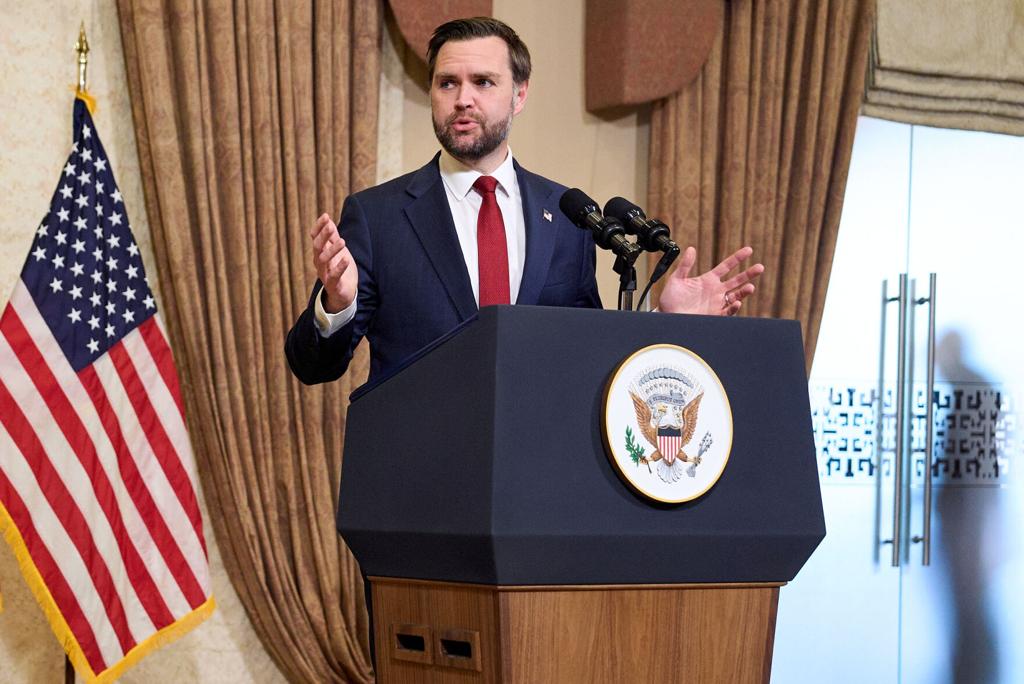
Despite all the hard language, more negotiations still look possible. Reuters reported that U.S. and Iranian officials left Islamabad without a deal but with dialogue still open. AP also reported there has been no final word on whether negotiations will resume, while mediators including Pakistan and Turkey are still pushing for continued diplomacy. Turkish officials have even floated the idea of extending the ceasefire by 45 to 60 days if that would create space for more detailed negotiations.
That possibility may be more than a diplomatic gesture. It may be a necessity. The ceasefire deadline is approaching too quickly for a durable agreement to emerge unless the talks resume soon or the pause is extended. Both sides know that returning to full military confrontation would bring risks neither can control. The United States may dominate in conventional force, but Iran can still threaten shipping, energy markets, and regional stability. Iran may believe time and disruption are on its side, but it also knows the blockade can increase internal economic pressure. Those competing vulnerabilities are exactly why neither side has fully walked away.
The next few days could decide whether pressure becomes peace or renewed war
The crisis has now entered its most dangerous stage because both war and diplomacy remain unfinished. The ceasefire has paused direct escalation, but the blockade has introduced a new military-economic front. The failed Islamabad talks have shown that a deal is not out of reach, but also that the hardest issues remain unresolved. Oil markets are climbing, allies are uneasy, and every additional day without a political framework makes miscalculation more likely.
Trump is betting that Iran is weak enough to yield and motivated enough to call back. Tehran is betting that its leverage in Hormuz, its political resilience, and the global costs of disruption will force Washington to soften its demands first. Both cannot be right forever. Sooner or later, one side will have to decide whether more pressure creates better terms or simply greater danger.
That is the real meaning of this blockade. It is not just a military move. It is a wager about who fears the future more. If the wager succeeds, a new round of talks could arrive quickly and produce the outline of a longer peace. If it fails, the blockade will be remembered as the moment a temporary truce stopped looking like a path out and started looking like the last pause before another explosion.