
Table of Contents
- What Coal Ash Really Is and Why It Matters
- The History Behind Coal Ash Regulation
- How the New Proposal Changes Existing Rules
- Industry Arguments for Regulatory Relief
- Environmental Concerns and Public Health Risks
- The Broader Context of Energy Policy
- Communities Caught in the Middle
- The Long Term Impact of Regulatory Decisions
- What This Means for the Future of Environmental Policy
- A Turning Point in How Risk Is Managed
A Policy Shift With Immediate Environmental Implications
The proposal by the EPA represents a significant shift from the stricter standards introduced in recent years. Under previous regulations, particularly those strengthened during the Biden administration, coal ash disposal was subject to tighter monitoring, stricter groundwater protections, and broader cleanup requirements.
Now, the agency is moving in a different direction. The new proposal would ease standards for monitoring groundwater near coal ash storage sites and reduce the obligation for companies to clean up entire contaminated areas. Instead, cleanup efforts could be limited to specific zones where ash was directly deposited.
This change may sound technical, but its implications are far reaching. Coal ash contains heavy metals such as arsenic, mercury, and lead. When improperly managed, these substances can seep into water systems, posing risks to both human health and ecosystems.
What Coal Ash Really Is and Why It Matters
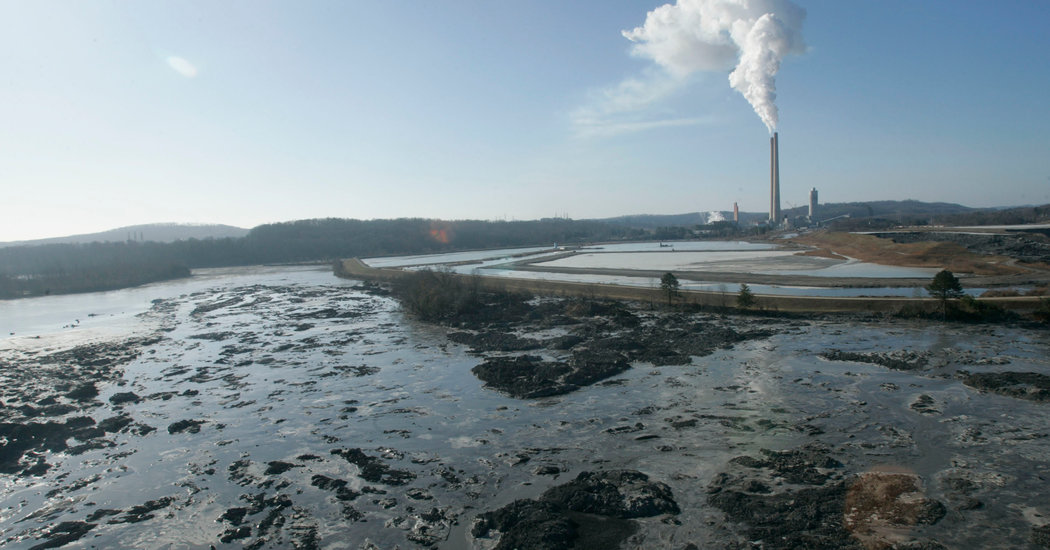
Coal ash is the leftover material produced when coal is burned to generate electricity. It is one of the largest industrial waste streams in the United States, with millions of tons produced every year.
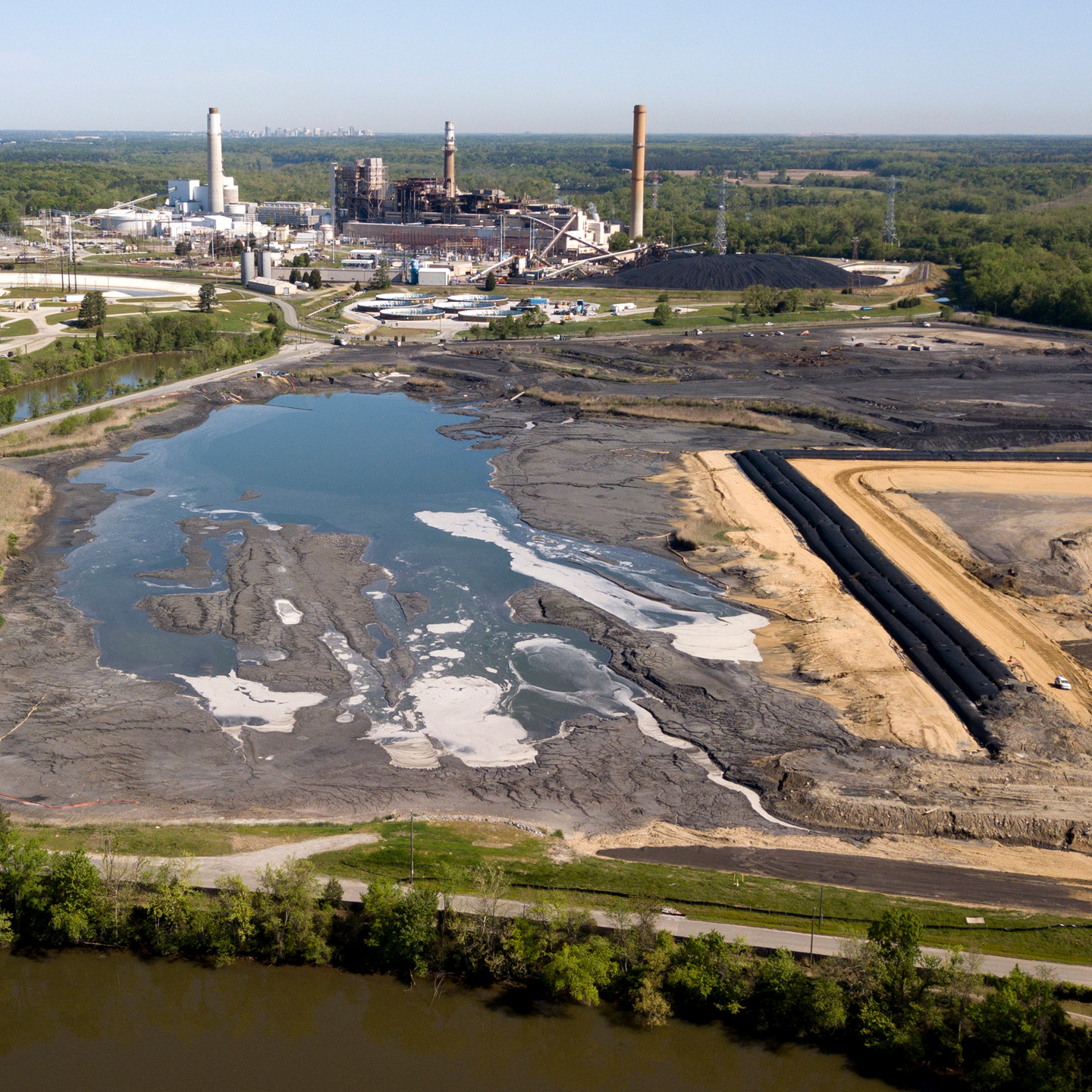
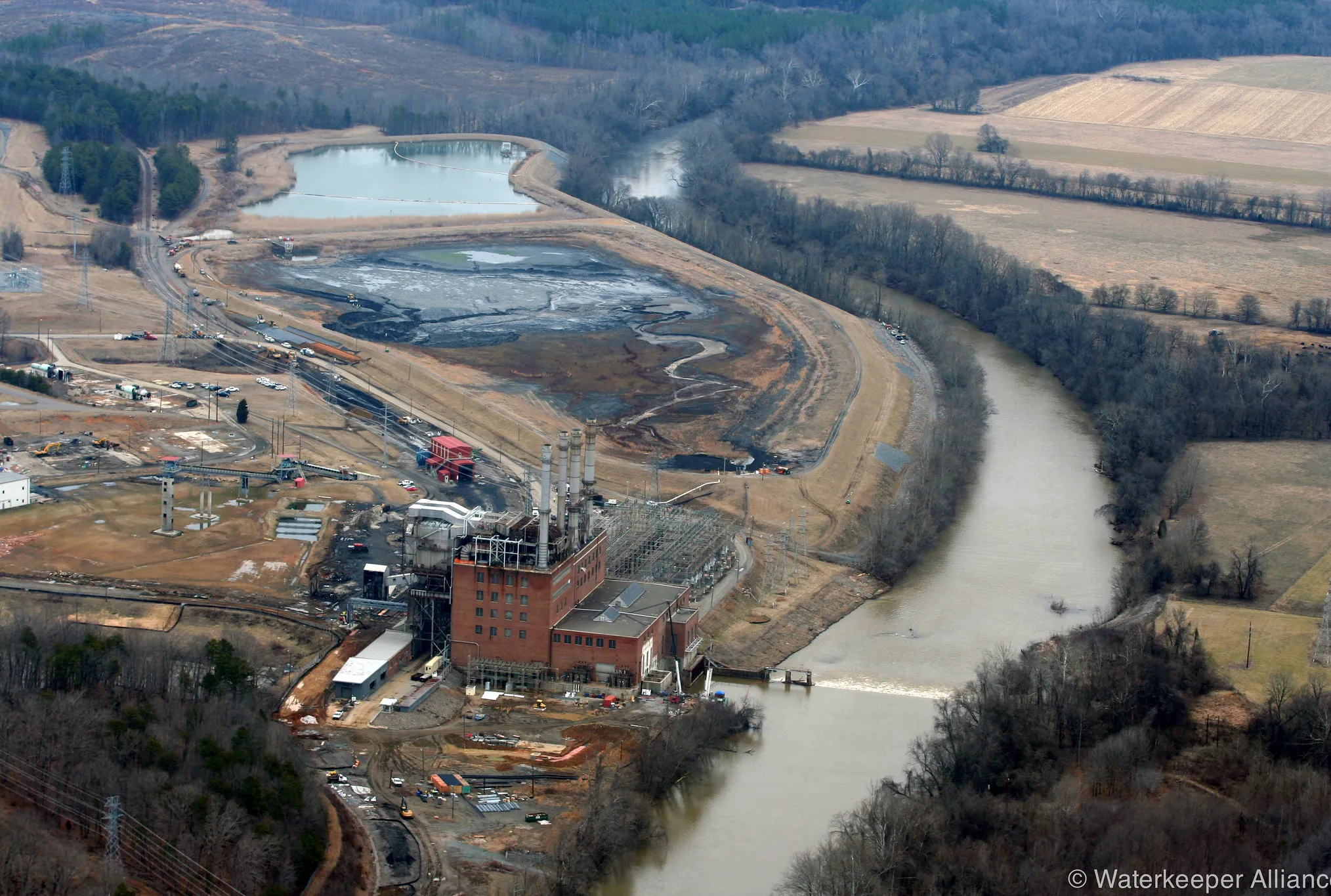
This waste is often stored in large ponds or landfills, many of which are located near rivers or other bodies of water. While this placement is convenient for industrial operations, it also increases the risk of contamination if containment systems fail.
The danger lies in the composition of coal ash. It is not just inert dust. It contains toxic elements that can leach into surrounding soil and water. Over time, this can lead to serious environmental and health consequences, particularly for communities living near these sites.
The History Behind Coal Ash Regulation
The regulation of coal ash did not emerge in a vacuum. It was shaped by a series of environmental disasters that exposed the risks of inadequate oversight.
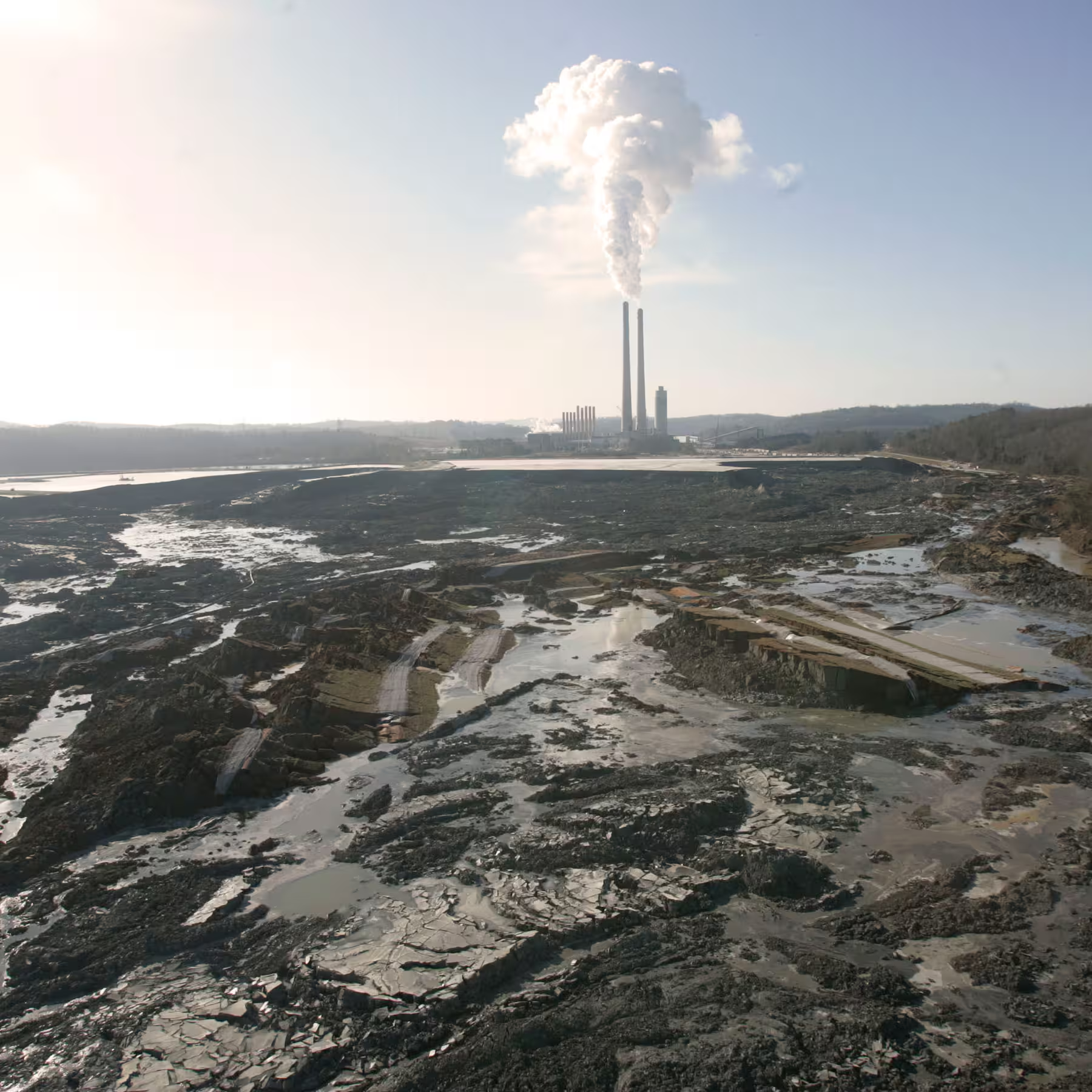
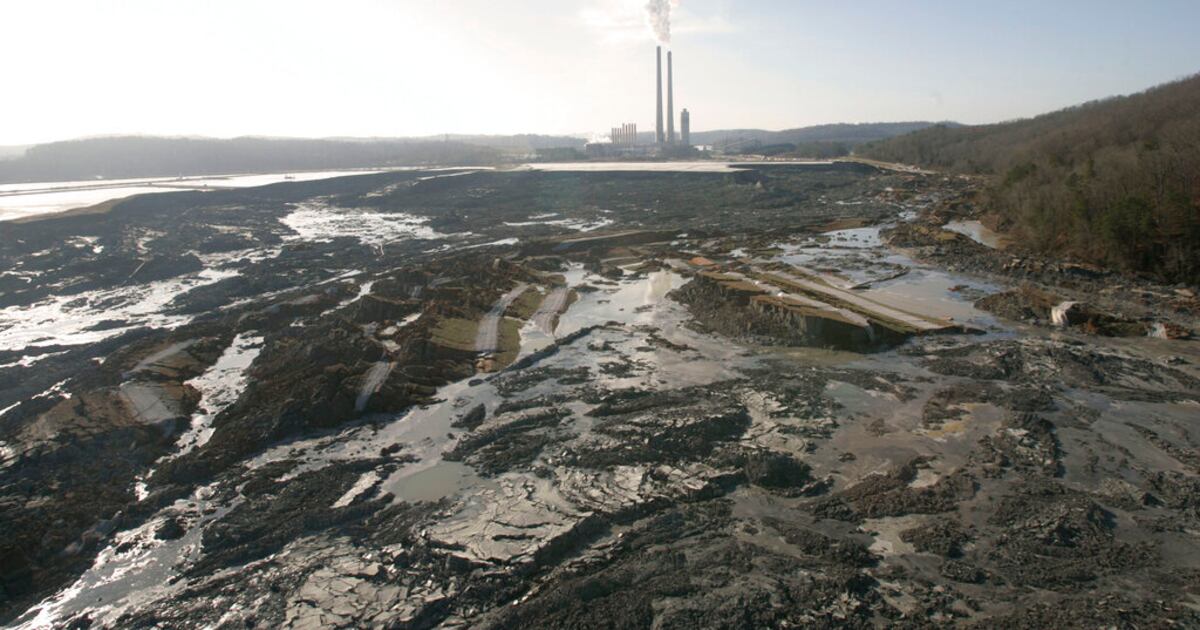
One of the most significant incidents occurred in 2008 in Tennessee, when a dike failure released massive amounts of coal ash, covering hundreds of acres and triggering an extensive cleanup effort. Workers involved in the cleanup later reported health issues, including cancer, which they attributed to exposure.
Another major spill occurred in North Carolina in 2014, when tens of thousands of tons of coal ash were released into a river. These events highlighted the need for stronger safeguards and led to the establishment of federal standards during the Obama administration.
Those standards required companies to line storage facilities, monitor groundwater, and close leaking ponds. They also pushed for the relocation of ash from unsafe sites to more secure locations.
How the New Proposal Changes Existing Rules
The current proposal would alter several key aspects of these protections. One of the most significant changes involves groundwater monitoring. Under stricter rules, companies were required to closely track contamination levels and take action when pollutants were detected.
The proposed rollback would reduce these requirements, potentially allowing contamination to go unnoticed or unaddressed for longer periods.
Another major change involves cleanup obligations. Instead of requiring comprehensive remediation of entire sites, the new approach would allow for more limited interventions. This could leave some contaminated areas untreated, increasing the risk of long term environmental impact.
The proposal also aims to make it easier to reuse coal ash in other applications, such as construction materials. While reuse can reduce waste, it also raises questions about how safely the material is handled and where it ultimately ends up.
Industry Arguments for Regulatory Relief
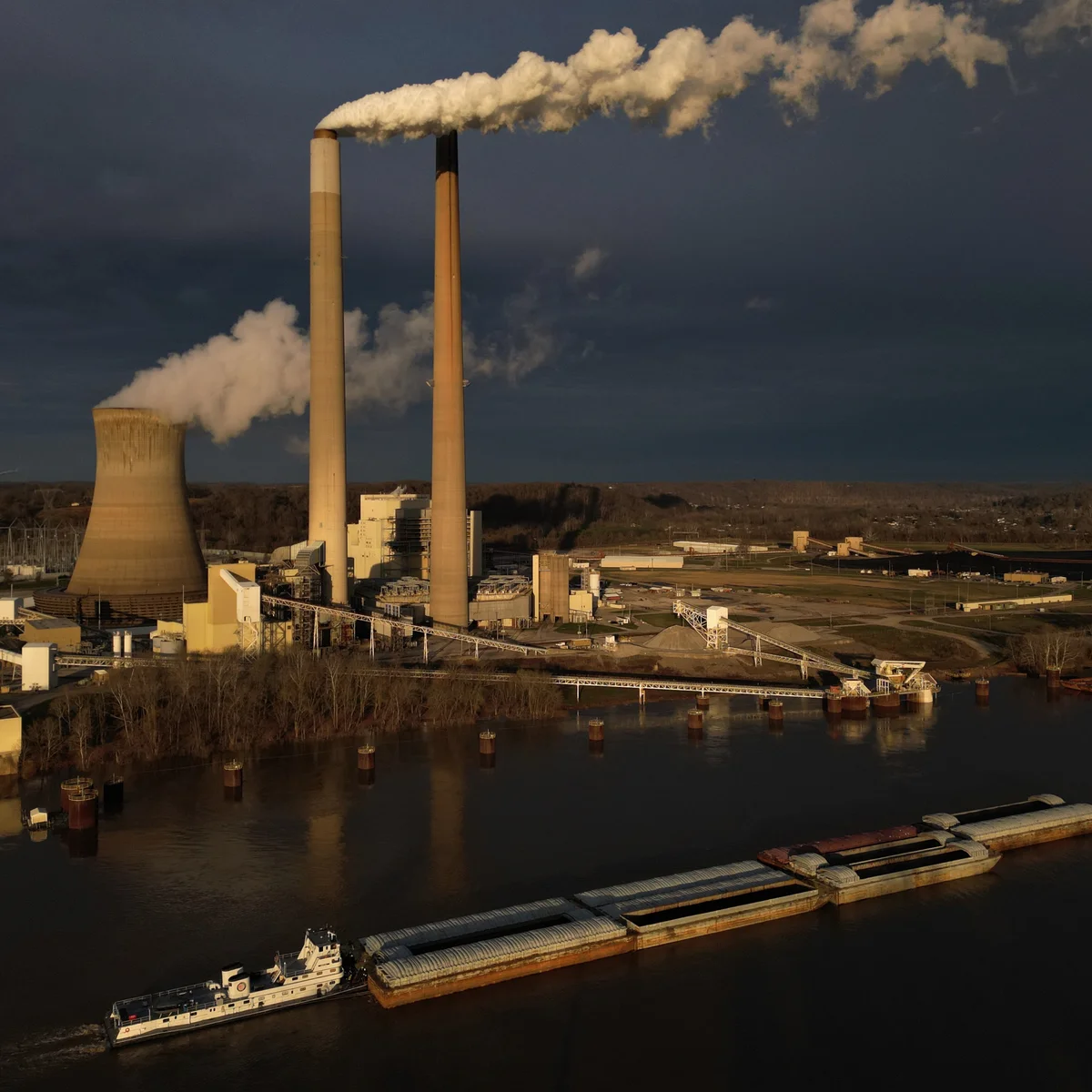
The coal industry has long argued that strict regulations increase operational costs and accelerate the decline of coal powered energy. From this perspective, easing regulations is seen as a way to maintain energy production and support economic stability.
Industry groups have claimed that expanded regulations divert resources away from meeting growing energy demands. They argue that the costs imposed by stricter rules are not always matched by measurable benefits to public health or the environment.
This argument aligns with broader efforts to support fossil fuel industries and reduce regulatory burdens. For policymakers who prioritize energy independence and economic growth, these considerations carry significant weight.
Environmental Concerns and Public Health Risks
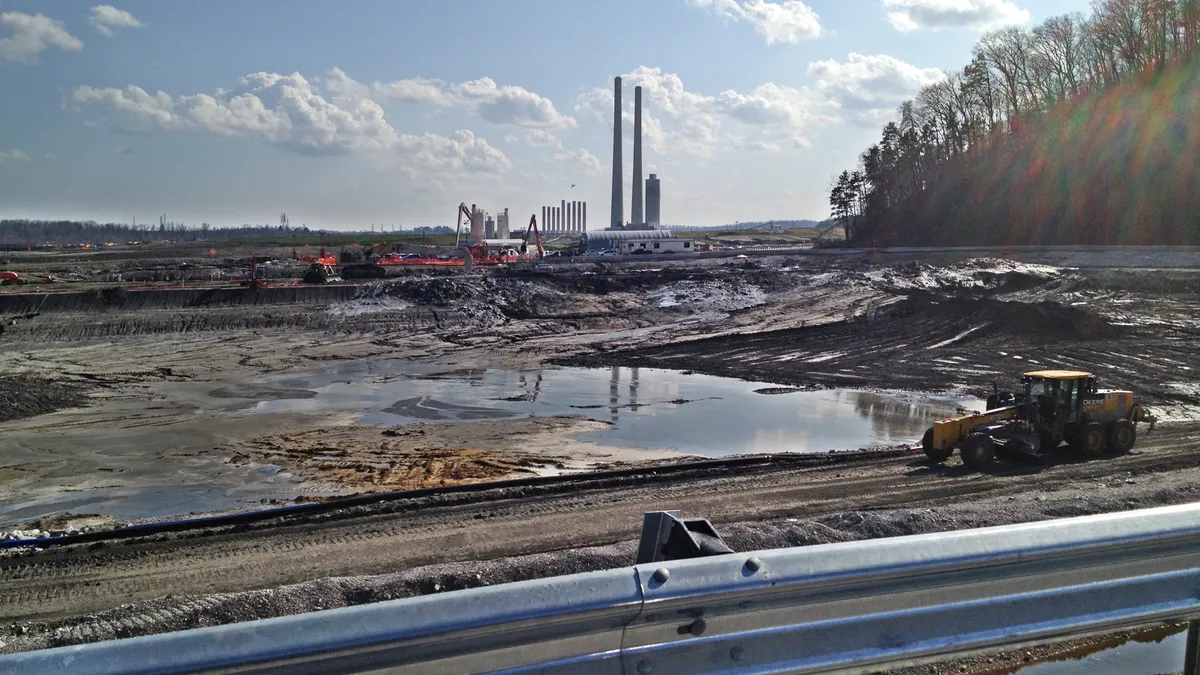
On the other side of the debate are environmental groups and community advocates who warn that weakening regulations could have serious consequences.
Experts point out that coal ash contamination is not a hypothetical risk. It is an ongoing issue in many parts of the country. Toxic metals can leach into groundwater, affecting drinking water supplies and agricultural systems.
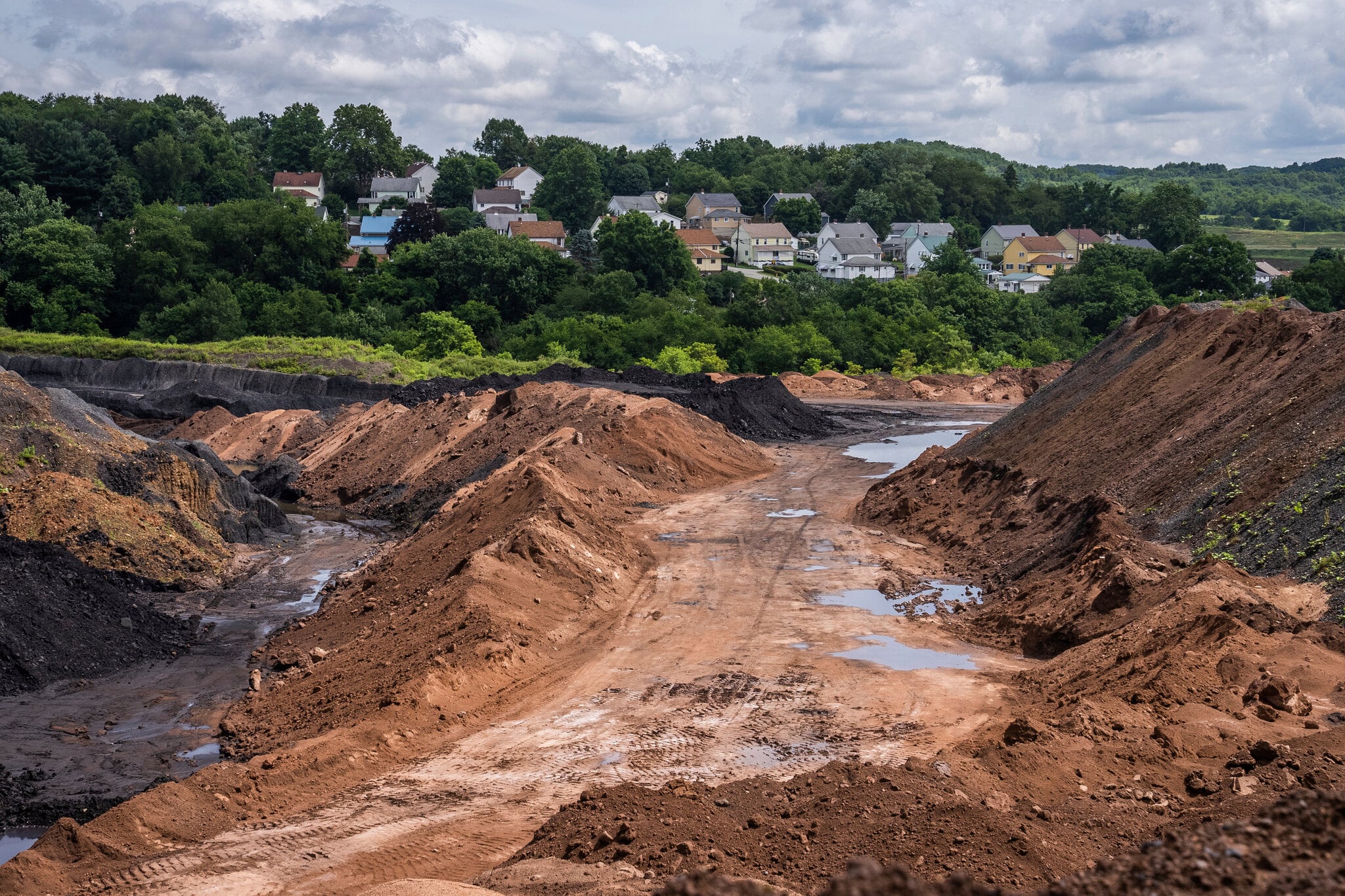
Communities located near coal plants are particularly vulnerable. Many of these areas already face environmental challenges, and additional exposure to pollutants could worsen existing health disparities.
Legal experts and environmental organizations have emphasized that the threat is not just immediate but cumulative. Contamination can build over time, making it harder to detect and address until significant damage has already occurred.
The Broader Context of Energy Policy
The proposed rollback is part of a larger shift in energy policy under the Trump administration. Efforts to promote coal and other fossil fuels have been a central component of this approach.
By reducing regulatory constraints, the administration aims to make coal production more competitive and sustain its role in the energy mix. This comes at a time when renewable energy sources are gaining ground and reshaping the industry.
The tension between these two directions is evident in the coal ash debate. On one hand, there is a push to support traditional energy sources. On the other, there is growing awareness of environmental and health impacts.
This policy decision sits at the intersection of these competing priorities.
Communities Caught in the Middle
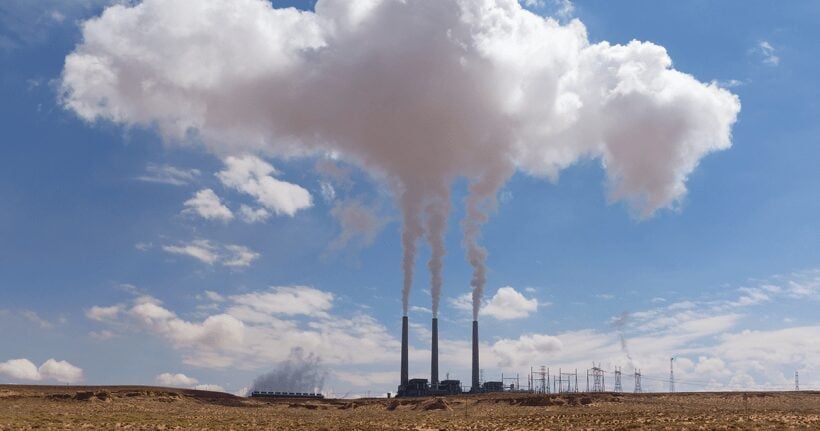
For people living near coal plants, the issue is not abstract. It is part of daily life. Water quality, air pollution, and land use all directly affect their well being.
Changes to coal ash regulations could influence how these communities experience environmental risks. Reduced monitoring and cleanup could mean greater exposure to contaminants, while industry supporters argue that economic stability also benefits local populations.
This creates a complex situation where different interests collide. Economic, environmental, and health considerations are all intertwined, making it difficult to find solutions that satisfy everyone.
The Long Term Impact of Regulatory Decisions
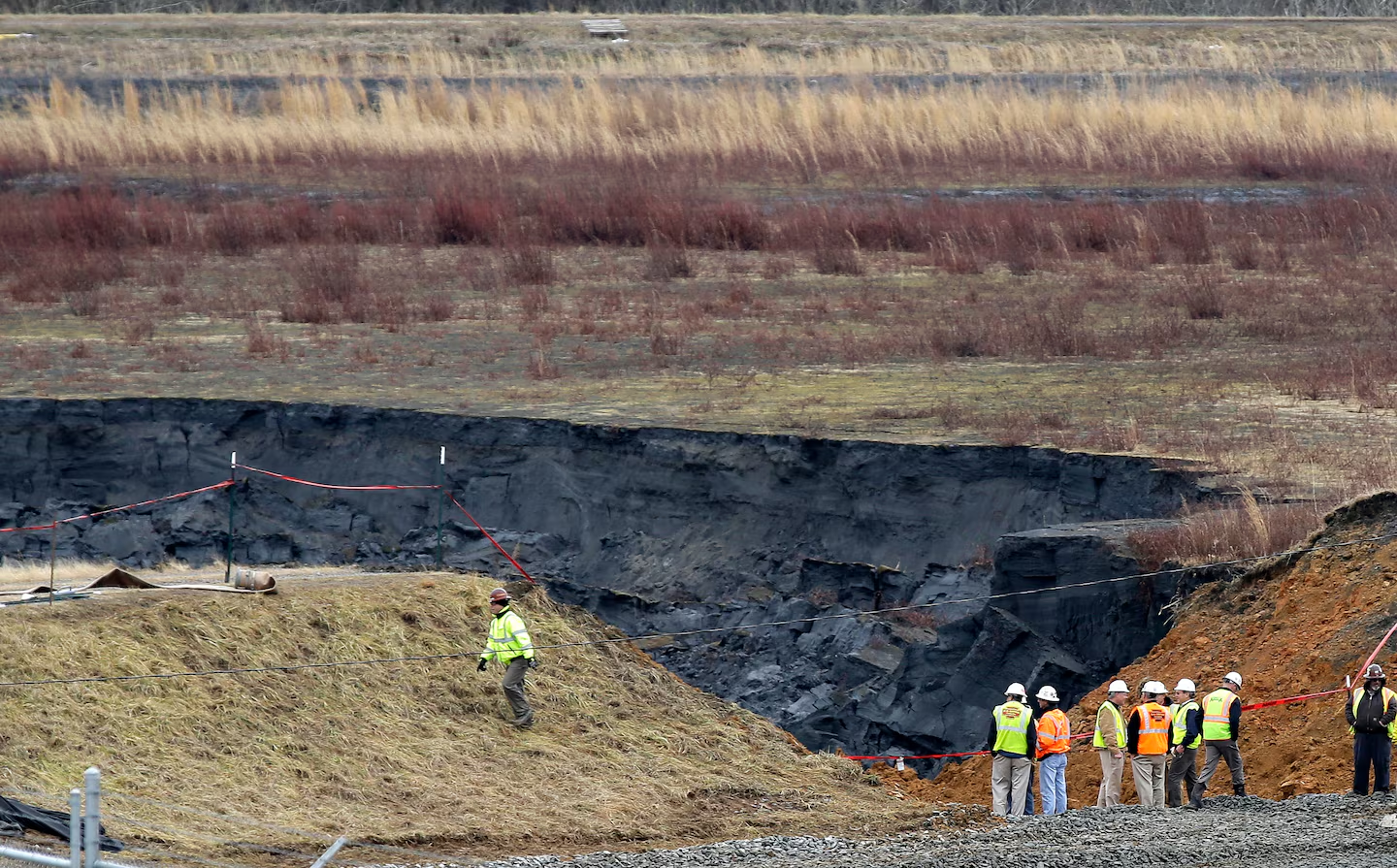
Regulatory changes often have effects that extend far beyond their initial implementation. Decisions made today about coal ash disposal could shape environmental conditions for decades.
Once contamination occurs, it can be difficult and costly to reverse. Groundwater systems, in particular, can take years to recover from pollution.
This is why the debate over coal ash regulations is so intense. It is not just about current practices, but about the legacy those practices will leave behind.
What This Means for the Future of Environmental Policy
The EPA’s proposal raises broader questions about the direction of environmental policy in the United States. It highlights the ongoing tension between regulatory oversight and economic priorities.
As the proposal moves through the review process, it is likely to face scrutiny from both supporters and critics. Public comments, legal challenges, and political debate will all play a role in determining its final outcome.
At the same time, the issue of coal ash is unlikely to disappear. As long as coal remains part of the energy landscape, managing its waste will remain a critical concern.
A Turning Point in How Risk Is Managed
In the end, the proposed rollback of coal ash regulations represents more than a policy adjustment. It is a moment that reflects how society chooses to balance risk, responsibility, and progress.
For some, it is a necessary step to support energy production and economic resilience. For others, it is a step backward that could expose communities to greater environmental harm.
What is clear is that the decision will have real consequences. It will affect how waste is handled, how water is protected, and how communities experience the impact of industrial activity.
As the debate continues, one thing remains certain. The way coal ash is managed today will shape the environmental reality of tomorrow.