

Table of Contents
The Case of Zhang Kequn
Zhang Kequn, a 35-year-old Chinese national, was apprehended in March 2026 as he prepared to board a flight from Nairobi to China. Kenyan wildlife authorities found the ants, which had been carefully concealed in plastic containers inside his luggage. The case is not an isolated one; it highlights a disturbing trend of wildlife trafficking where enthusiasts, often in countries like China, are willing to pay large sums of money for rare or unusual species. These creatures are typically placed in specialized enclosures known as formicariums, which allow enthusiasts to study the ants’ complex social behaviors and structures.
Zhang was initially charged with dealing in live wildlife species, but after a legal battle, he changed his plea to guilty. He was subsequently fined 1 million shillings (approximately $7,746) and handed a 12-month prison sentence. The court’s decision was seen as necessary not only for justice but also as a stern warning about the illegal trafficking of such species.
The Rising Issue of Ant Trafficking

While the trafficking of more well-known species such as elephants or rhinoceroses has long made headlines, the illegal trade in insects and smaller wildlife is increasingly under the spotlight. In Kenya, as well as in other parts of the world, the illegal collection of insects, particularly ants, is becoming a significant issue. These creatures, which are often harvested in large quantities, can be sold for exorbitant amounts in certain markets. The fascination with ants stems from their intricate social structures and behaviors, which have become a subject of interest for researchers and hobbyists alike.
Kenyan authorities have been actively combating wildlife trafficking, but the illegal smuggling of ants highlights the complexities of protecting even the smallest creatures in the ecosystem. Wildlife experts have warned that the mass collection of ants could destabilize local ecosystems and lead to irreversible ecological damage. The situation has prompted calls for stricter laws and enforcement measures to protect the biodiversity of the country.
Kenya’s Role in Ant Trafficking

Kenya, known for its rich biodiversity, is a prime location for the smuggling of various wildlife species, including rare insects. The country’s status as a biodiversity hotspot means that many species, including ants, are found in its diverse landscapes. For years, Kenya has been at the center of conservation efforts aimed at protecting its unique flora and fauna. However, as demand for exotic species grows, illegal wildlife trafficking continues to thrive.
Kenya’s wildlife authorities have stepped up their efforts to crack down on wildlife trafficking, especially as cases like Zhang’s gain more international attention. The country’s wildlife officers play a key role in intercepting illegal shipments and apprehending those attempting to smuggle wildlife across borders. Despite these efforts, experts warn that the smuggling of smaller species, including ants, is still a major concern due to the high demand in international markets.
The Impact of Ant Smuggling on Ecosystems

While the illegal trade in larger animals like elephants and lions often takes center stage, the trafficking of ants can be just as damaging, albeit in more subtle ways. Ants are critical to maintaining healthy ecosystems. They play key roles in soil aeration, decomposition, and the control of pest populations. Removing large numbers of ants from their natural habitats can have profound ecological consequences, leading to disruptions in these essential functions.
Dr. Charles Mwangi, an expert in environmental science at the University of Nairobi, explained that ants contribute to nutrient cycling and soil health. “When species like ants are removed in large numbers, it can lead to a breakdown in the natural processes that support plant and animal life in the region,” he said. This disruption can lead to cascading effects on other species that rely on ants for food or other ecological services.
The Growing Market for Ants in China
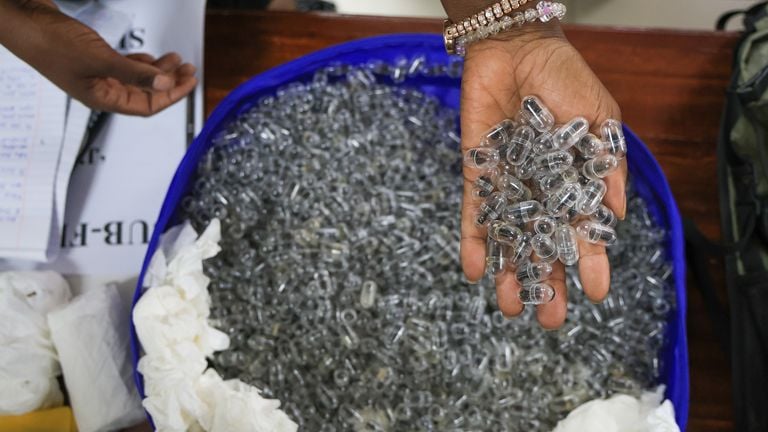
The market for exotic ants in China has grown rapidly in recent years, driven by a niche group of enthusiasts who breed and study these insects. Known as “formicariums,” these transparent enclosures allow ant colonies to thrive in controlled environments, where enthusiasts can observe their behaviors and social interactions. Some rare species of ants are particularly coveted for their unique characteristics, making them highly valuable on the black market.
In Zhang’s case, it is believed that the 2,200 ants he attempted to smuggle were destined for a Chinese market that has seen a boom in interest in ant colonies. Experts have noted that some species can fetch hundreds of dollars, depending on their rarity and appeal to collectors. This demand has led to an increase in trafficking, with smugglers targeting regions where ants are abundant, like Kenya.
Legal Action and Ecological Consequences

The Kenyan court’s decision to impose both a fine and a jail sentence on Zhang Kequn is seen as an important step in addressing wildlife trafficking, particularly for lesser-known species. Magistrate Irene Gichobi emphasized the need for a stern deterrent, stating that the case was part of a larger pattern of increasing cases of ant trafficking in Kenya. “There is a need for a stiff deterrent,” she said, referring to the growing ecological concerns over the mass harvesting of garden ants.
In addition to the legal actions taken against Zhang, the case serves as a reminder of the importance of biodiversity conservation. Wildlife trafficking is not limited to iconic species but extends to even the smallest and seemingly inconspicuous creatures, like ants. The Kenyan government, along with international conservation organizations, has called for more robust measures to combat this growing problem.
The Role of Local Communities in Conservation

Local communities in Kenya have a vital role to play in the fight against wildlife trafficking. In many regions, people depend on natural resources for their livelihoods, and raising awareness about the importance of protecting biodiversity is key to reducing the demand for trafficked species. Community-led conservation initiatives, along with stricter enforcement of anti-smuggling laws, can help curb the illegal wildlife trade.
By educating local populations about the importance of preserving species like ants and other insects, Kenya can work toward a more sustainable approach to conservation. Collaborating with international partners and organizations will also strengthen the country’s ability to combat wildlife trafficking at a global level.
A Global Call for Action

The smuggling case of Zhang Kequn serves as a stark reminder of the global issue of wildlife trafficking, which extends beyond large animals to include even the smallest creatures. While the trade in ants may seem insignificant compared to the illegal ivory trade or the poaching of endangered species, the ecological consequences are far-reaching. Kenya’s legal actions and the growing awareness of the issue are important steps toward protecting biodiversity, but they also highlight the need for continued vigilance and international cooperation.
As the demand for exotic species continues to rise, countries like Kenya must remain committed to protecting their ecosystems from exploitation. The case of Zhang Kequn and the rise in ant trafficking underscores the importance of addressing all aspects of wildlife trafficking, no matter how small or seemingly insignificant the species may be. By working together, governments, conservationists, and local communities can help ensure that biodiversity is preserved for future generations.