

Table of Contents
- The Role of Peer Groups in Shaping a Child’s Identity
- Peer Pressure Is Not Just About “Bad Kids”
- Why the Wrong Friends Can Derail a Child’s Development
- The Parenting Gap: How One Household Can Undo Your Work
- Parenting Isn’t Just About What You Teach at Home
- How to Set Boundaries Without Pushing Your Child Away
- Building Stronger Relationships Through Connection
- Proactive Parenting: Building a Foundation for Life
- Shaping the Future by Protecting Your Child’s Identity
The Role of Peer Groups in Shaping a Child’s Identity
During adolescence, children go through a natural shift in their social needs. As they begin to move away from seeking validation from family, they turn to their peer groups for acceptance and identity. Peer influence doesn’t always come in the form of direct peer pressure—it’s often a subtle, ongoing force that gradually shapes a child’s emotions, behaviors, and even values. Psychologists highlight that adolescence is the stage where children actively form their sense of self, and who they associate with plays a huge role in this process.
In this quest for social validation, teens may begin to adopt behaviors simply to fit in. These behaviors might not necessarily align with the values instilled by their parents, but peer groups can make them feel necessary for belonging. For instance, a child struggling with anxiety or low self-esteem may find comfort in peers who engage in reckless behavior as a way to feel empowered or validated. The need for social approval can, unfortunately, lead them to adopt behaviors that are ultimately damaging.
Peer Pressure Is Not Just About “Bad Kids”
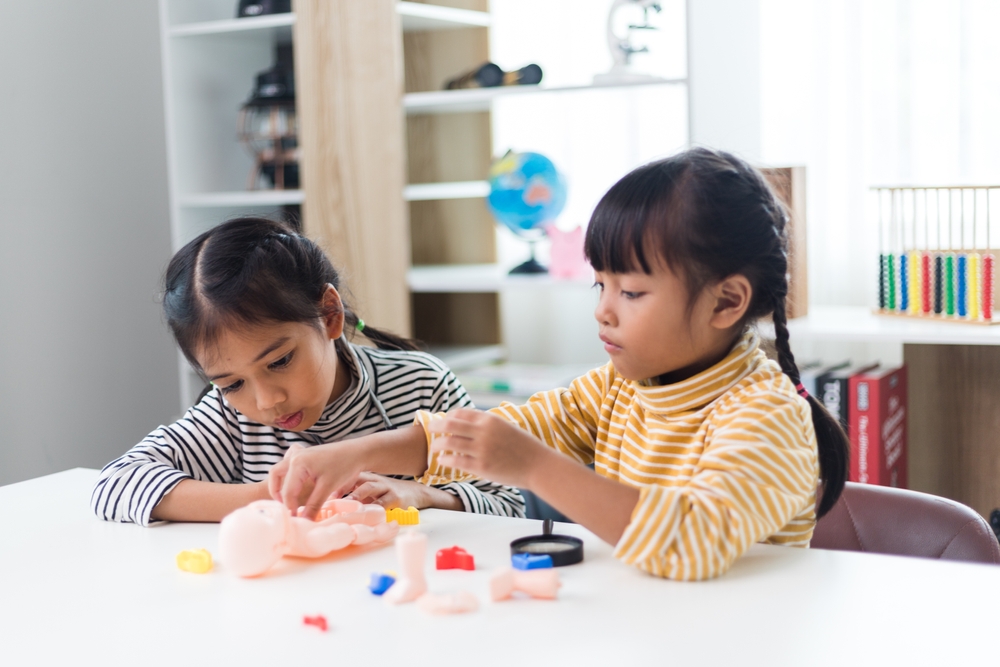
When most people hear the term “peer pressure,” they often imagine a direct confrontation, like being pressured into doing something harmful. However, the reality is far subtler. Peer pressure doesn’t always show up as a loud voice or an obvious command. Instead, it operates more like a quiet, invisible influence that subtly shapes behaviors over time. The desire to fit in with a group can lead children to adopt the group’s norms, even when those norms might be destructive.
For example, a teenager might find themselves engaging in risky behaviors, such as smoking, drinking, or even bullying, not because they think it’s the right thing to do, but because they want to be accepted by their friends. Neuroscientific studies have shown that during adolescence, the brain undergoes significant changes that make the need for social connection even more intense. The brain’s reward centers become activated when a teen receives social validation, making them more likely to repeat behaviors that give them approval.
Why the Wrong Friends Can Derail a Child’s Development
The influence of peers on a child’s behavior is more than just a minor inconvenience. It can fundamentally change the trajectory of their development. For example, a child who has been raised with strong values can suddenly adopt negative behaviors when surrounded by a peer group that doesn’t share those same values. This shift is often so gradual that even parents may not notice it happening until it’s too late.
As children grow older, they may begin to feel the pull of peer influence even more intensely. The longer they remain in a social group that engages in unhealthy behaviors, the more those behaviors will seem “normal.” This can lead to poor decision-making, strained relationships, and even legal consequences. A child who was once known for their positive attitude may become someone completely different, simply due to the subtle pressure from their peers.
The Parenting Gap: How One Household Can Undo Your Work

It’s not uncommon for a parent to work tirelessly to raise their child with good values, only to watch those values slowly unravel when the child spends time with peers from less structured households. This “parenting gap” can be incredibly frustrating. When a child spends time in an environment where discipline, respect, and boundaries are not prioritized, it can have a profound impact on their behavior, even if the parents at home are doing everything right.
A single sleepover, for instance, can expose a child to behavior that they wouldn’t normally be exposed to at home. A parent might find their child exposed to inappropriate online content or unhealthy discussions simply because of a peer’s influence. This is not a rare occurrence. Many teens admit to engaging in behaviors online or socially that they regret, and much of this influence comes from unsupervised moments with peers who may not have the same values or boundaries.
Parenting Isn’t Just About What You Teach at Home
Parenting today is much more complex than simply teaching children the values we want them to learn. It’s about what they are exposed to when they leave the house. Parents must realize that peer influence operates in every part of a child’s life, including their friendships. These influences are not always easy to control, but being proactive in setting boundaries can help protect your child from these negative outside influences.
As a parent, you’re not just up against media, influencers, or pop culture; you’re also up against other households whose parenting styles might not align with your own. This is why it’s essential to set boundaries when it comes to the people your child interacts with, not to control their friendships but to ensure that those friendships aren’t toxic or harmful to their growth.
How to Set Boundaries Without Pushing Your Child Away

Setting boundaries is an essential part of parenting, but it’s not always easy. If you’re too strict, you risk pushing your child further away from you and potentially closer to the very peer group you’re trying to protect them from. However, if you’re too lenient, you risk letting others shape your child’s behavior. So, how can you strike the right balance?
The key lies in setting clear expectations and framing them in a way that your child understands. Instead of simply saying “no” to certain friends, explain why you’re concerned about the behavior of their peer group. For instance, instead of saying, “I don’t like your friend,” you can say, “I’m concerned about some of the things they’re doing, and I don’t want you to get involved in those activities.” This approach helps your child understand that the issue isn’t with their choice of friends but with the behaviors that may influence them.
Building Stronger Relationships Through Connection
One of the most effective ways to set boundaries without alienating your child is to prioritize your relationship. The stronger your connection, the more influence you’ll have when it comes time to set rules or draw lines. Build a relationship based on mutual trust, shared interests, and open conversations. That way, when you need to enforce a boundary, your child will be more likely to understand and respect it because they know it comes from a place of love and concern.
Proactive Parenting: Building a Foundation for Life

Proactive parenting is about equipping your child to navigate the world confidently while still protecting them from harmful influences. It’s not about controlling every aspect of their life but about setting them up for success by giving them the tools to make healthy choices. One of the most important tools you can give them is emotional resilience—the ability to recognize harmful influences and resist them.
The key to proactive parenting lies in structure, emotional support, and clear boundaries. Empower your child with the knowledge that they have the strength to make good decisions, even when surrounded by peer pressure. The more you invest in their emotional well-being, the better equipped they’ll be to face the challenges of adolescence.
Shaping the Future by Protecting Your Child’s Identity

Parenting is a long-term investment in your child’s future. Every decision you make today—whether it’s setting boundaries or having tough conversations—shapes the person they will become tomorrow. By being proactive and setting clear expectations, you’re not only protecting your child from bad influences, but you’re also teaching them valuable life lessons about discernment, emotional strength, and personal responsibility.
Your role as a parent is not just to guide them through their childhood but to equip them for the future. And sometimes, that means making tough decisions about who gets to shape their lives and who doesn’t. With love, boundaries, and open communication, you’re giving your child the best possible chance to grow into the person they are meant to be.