
Table of Contents
- The Controversial Meeting at the White House
- The Power Struggle Between Politics and the Military
- An Escalating Tension
- A Risky Precedent
- Trump’s Leadership and Military Influence
- The Role of General Dan Caine
- National Security and Its Implications
- An Alarm for the Future?
- Military’s Role in Democratic Governance
- What’s Next for the Military and Trump?
- Conclusion
The Controversial Meeting at the White House
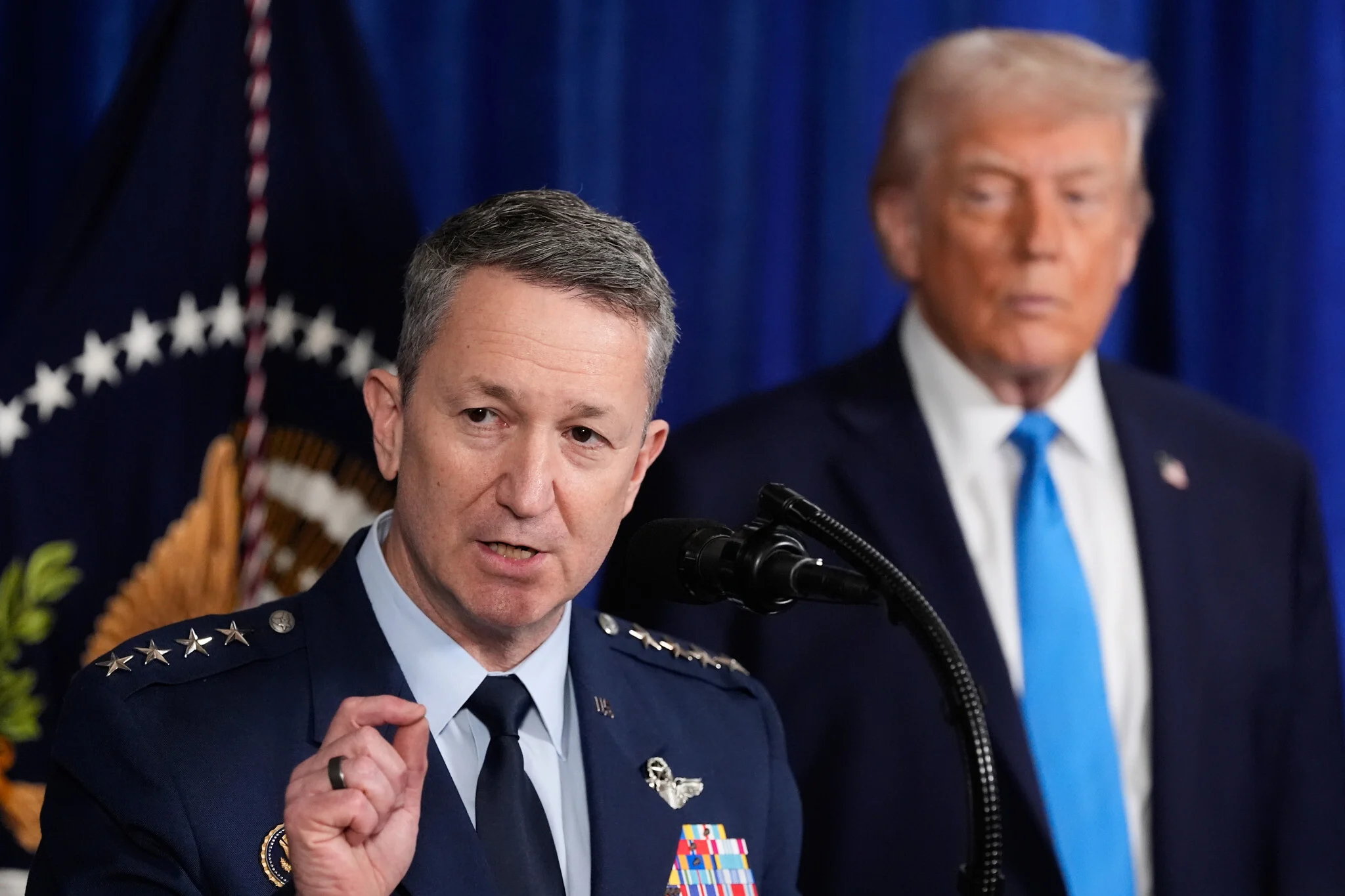
The reported confrontation took place in the midst of an emergency meeting on Saturday, when President Trump allegedly requested the nuclear codes. According to Larry Johnson, a retired CIA analyst, the situation escalated when General Caine stood up and invoked his privileged authority, saying “No.” It was a dramatic moment in which the top military officer seemingly defied the president’s wishes. The details of the meeting have become a source of intrigue, as the notion of military personnel directly challenging a sitting president’s command over national defense is a rare and unsettling occurrence.
The Power Struggle Between Politics and the Military
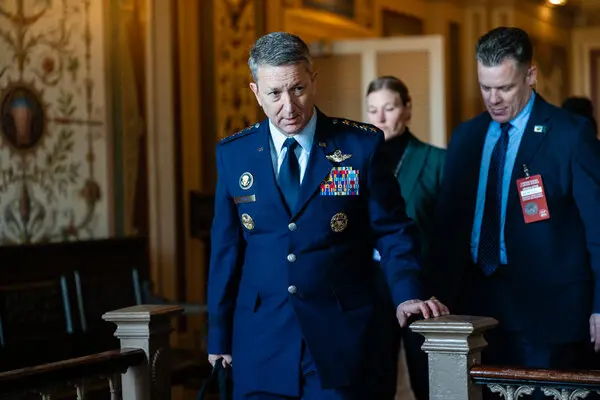
This incident has triggered an intense debate over the checks and balances between the civilian government and the military. The military is supposed to operate under the authority of the commander-in-chief, the president. However, this situation sheds light on a potential shift in the balance of power, especially in the realm of national security. In such a high-stakes scenario, when does military oversight cross the line into undermining the authority of the elected leader? Experts are now asking whether this event signals a broader power struggle between the White House and the Pentagon.
An Escalating Tension
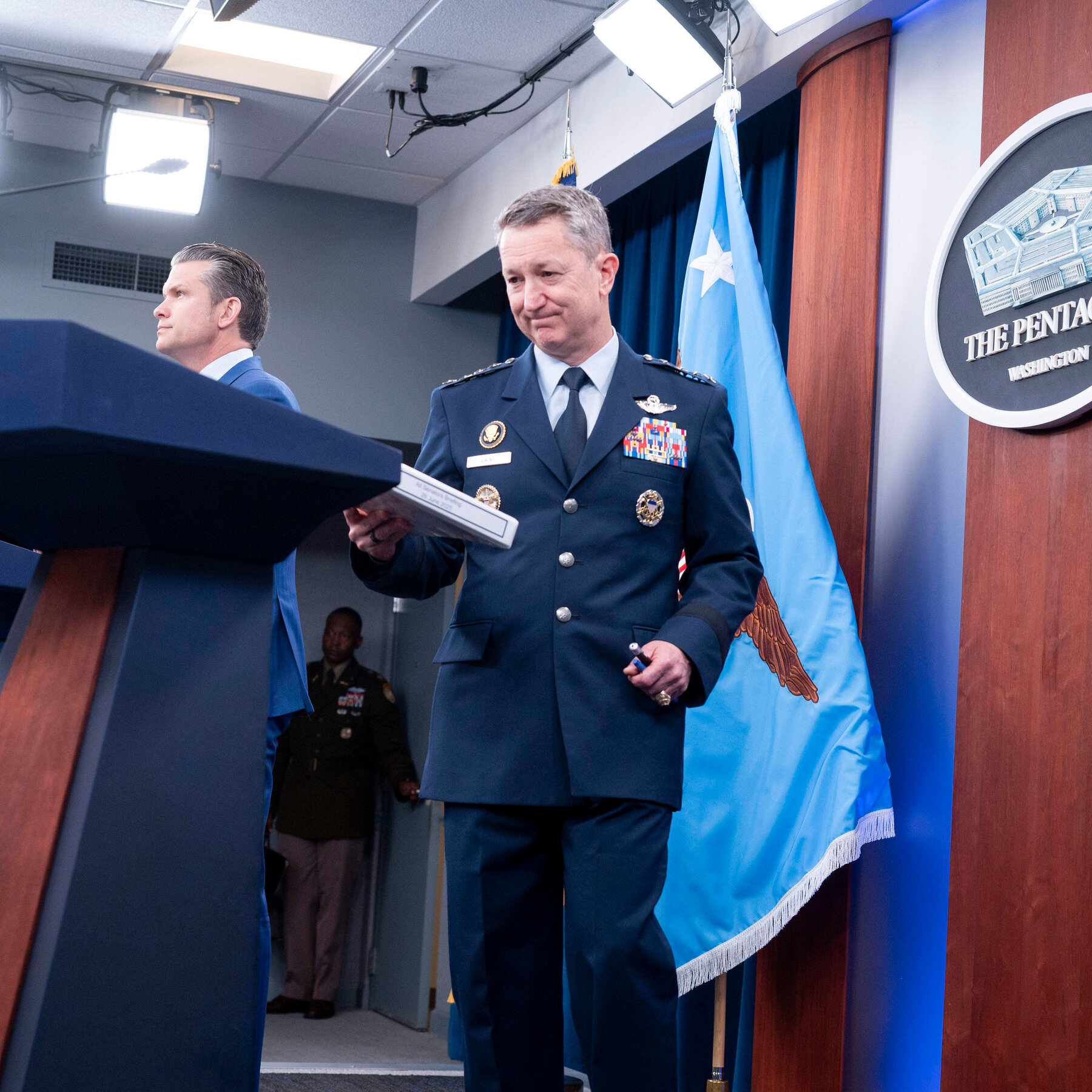
The tense exchange reportedly didn’t end with a mere refusal. According to sources, it was described as a “blow-up,” with both sides locking horns over control of the nuclear codes. While the specifics of the conversation remain unclear, the implications are clear: a significant shift is happening in how power is being wielded in Washington. What is certain is that this public defiance is a dramatic moment in a series of increasingly tense relations between the Trump administration and the military establishment.
A Risky Precedent
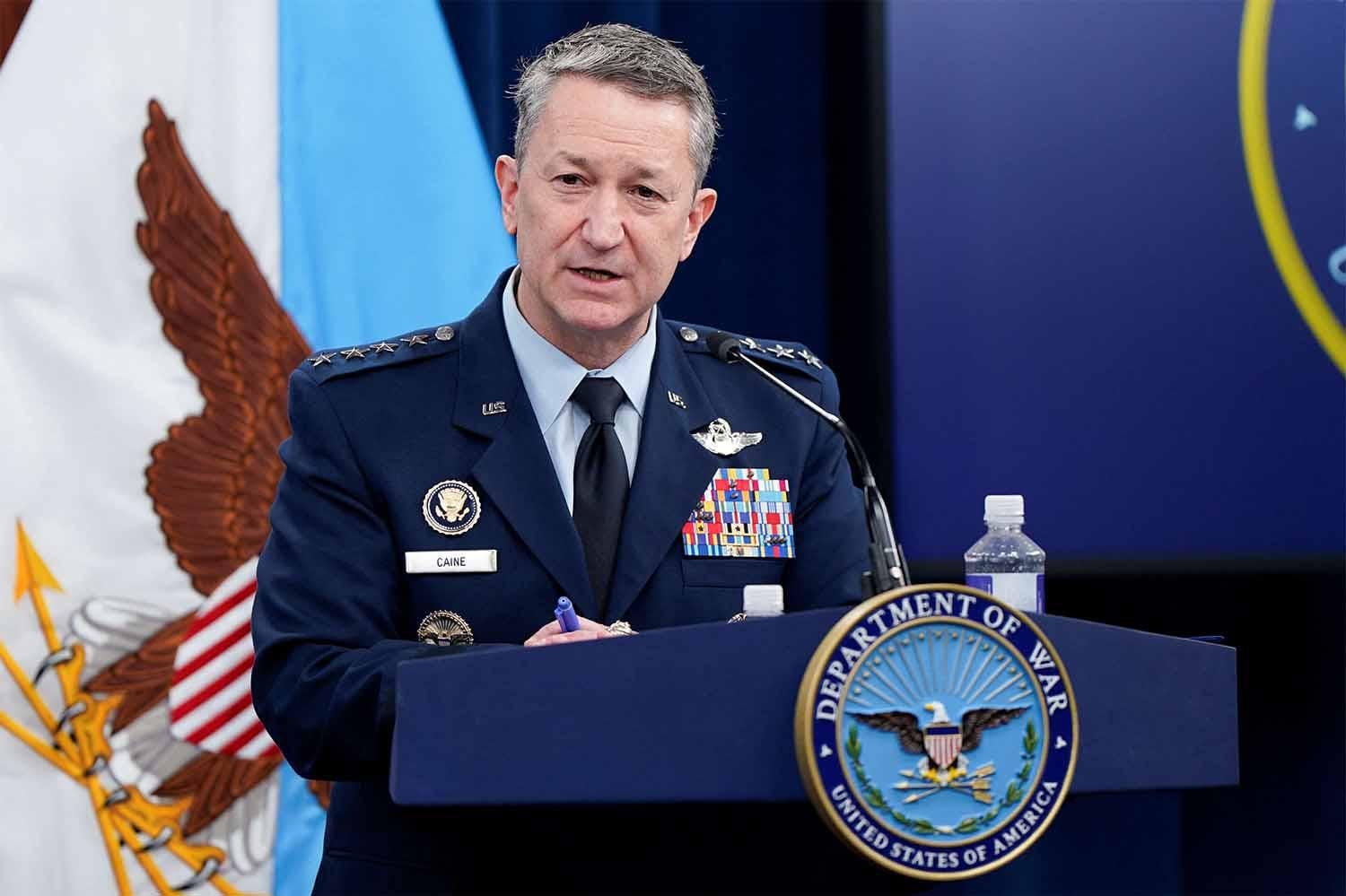
If the reports are true, this confrontation sets a risky precedent. Historically, military leaders have exercised great care when it comes to publicly challenging civilian leadership. The military is traditionally seen as an apolitical force meant to serve the nation’s elected officials. However, this incident could suggest that military officials are willing to challenge the president’s decisions, potentially undermining the principle of civilian control over the armed forces.
Trump’s Leadership and Military Influence
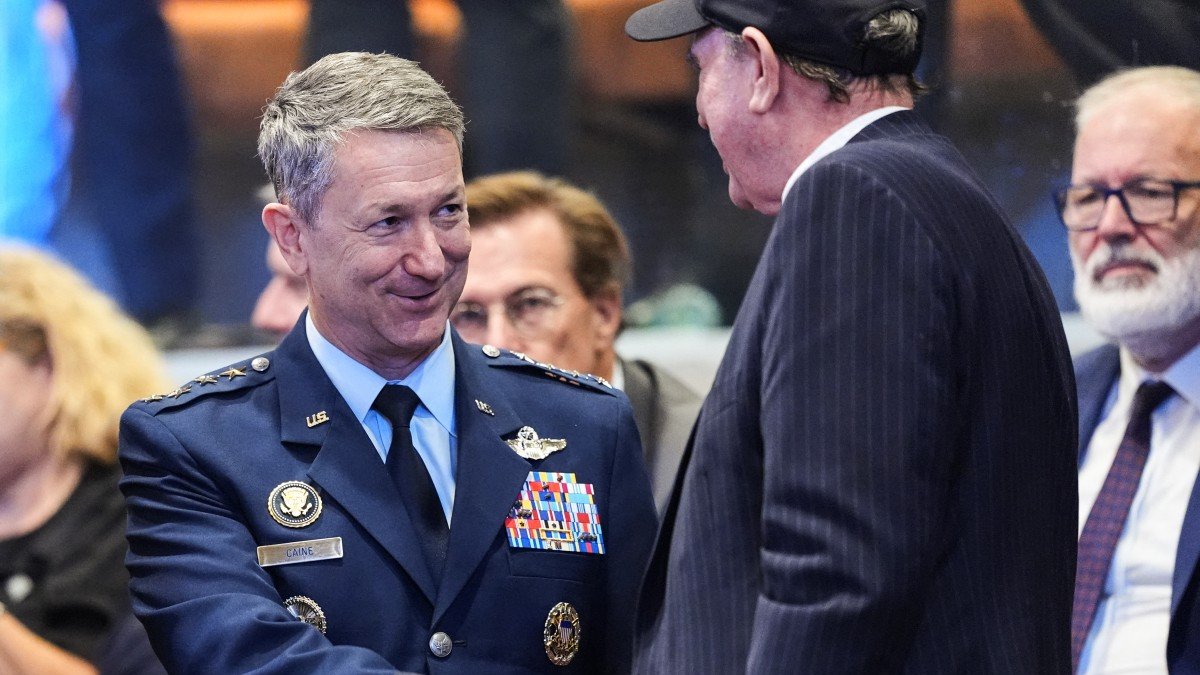
This clash also brings into question Trump’s ability to assert his leadership over the military. In the past, he has been known to challenge military decisions, and this has led to a fracturing of relationships with top military leaders. The Pentagon has at times expressed concern over his unorthodox approach to foreign policy and military strategy. As Trump attempts to reclaim authority over his military, this latest incident suggests that the Pentagon might be flexing its muscles in response.
The Role of General Dan Caine
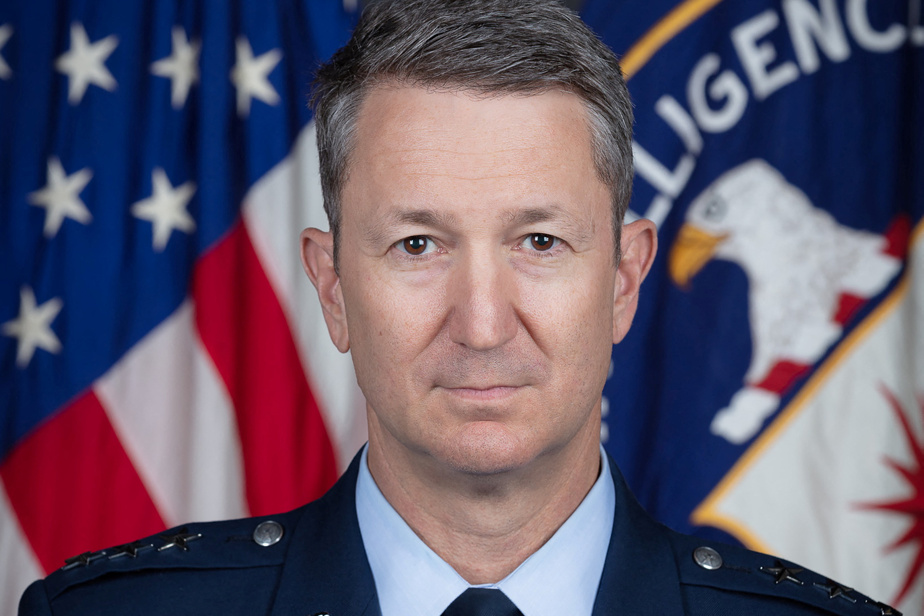
General Dan Caine, the Chairman of the Joint Chiefs of Staff, played a crucial role in this drama. Caine’s standing in the military hierarchy grants him considerable power and influence, and his defiance of the president’s request underscores the tension that has been building between the White House and the Pentagon. As the top military officer, Caine’s decision to assert military control over the nuclear codes raises questions about whether the military is increasingly acting as a check on presidential power.
National Security and Its Implications
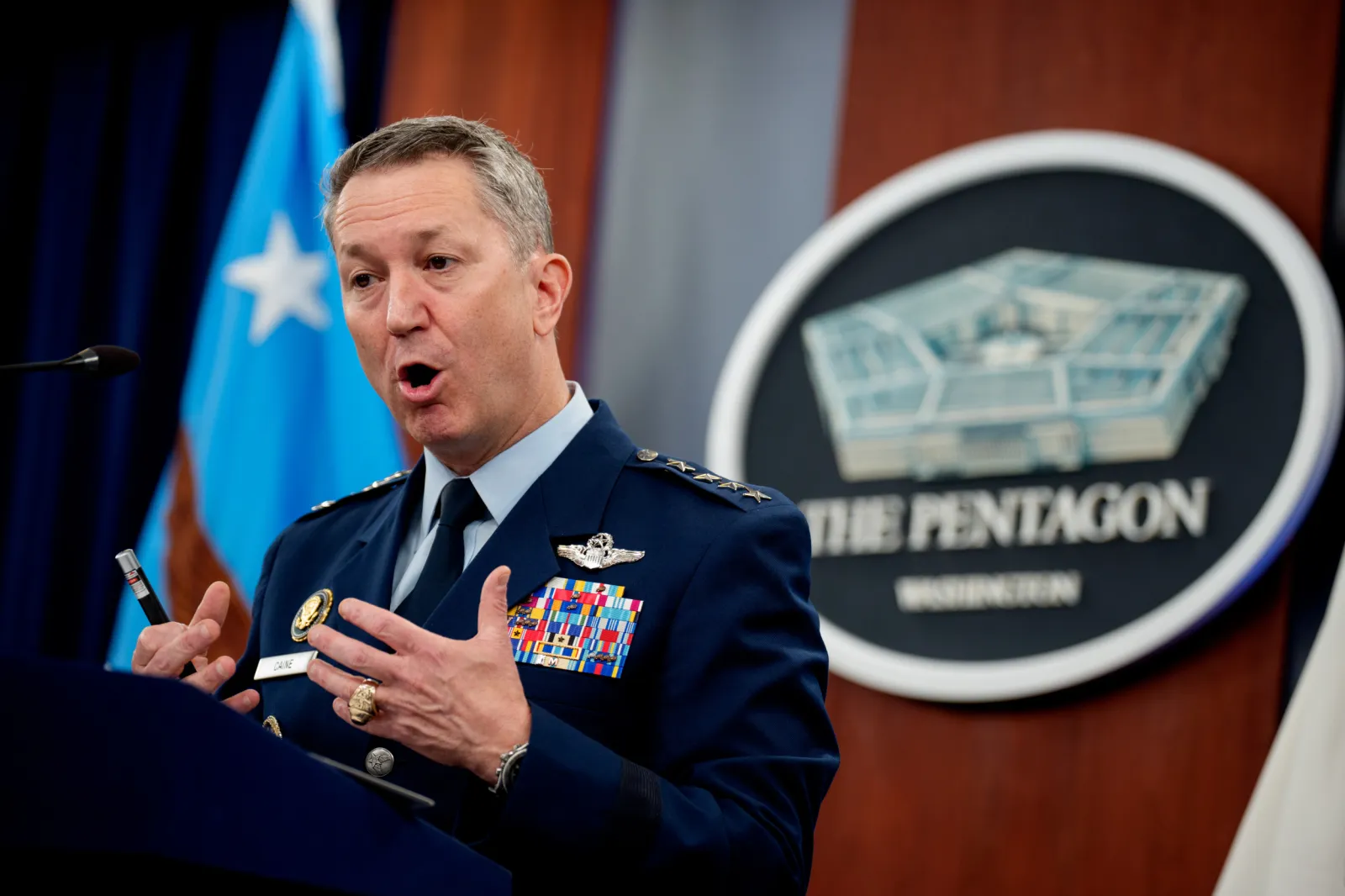
The incident also has broader implications for national security. The control and handling of the U.S. nuclear codes are among the most critical aspects of national defense, with the potential to affect not just U.S. security but global stability. With such power at stake, any disruption in the chain of command raises serious concerns about the continuity and reliability of the nation’s defense systems.
An Alarm for the Future?
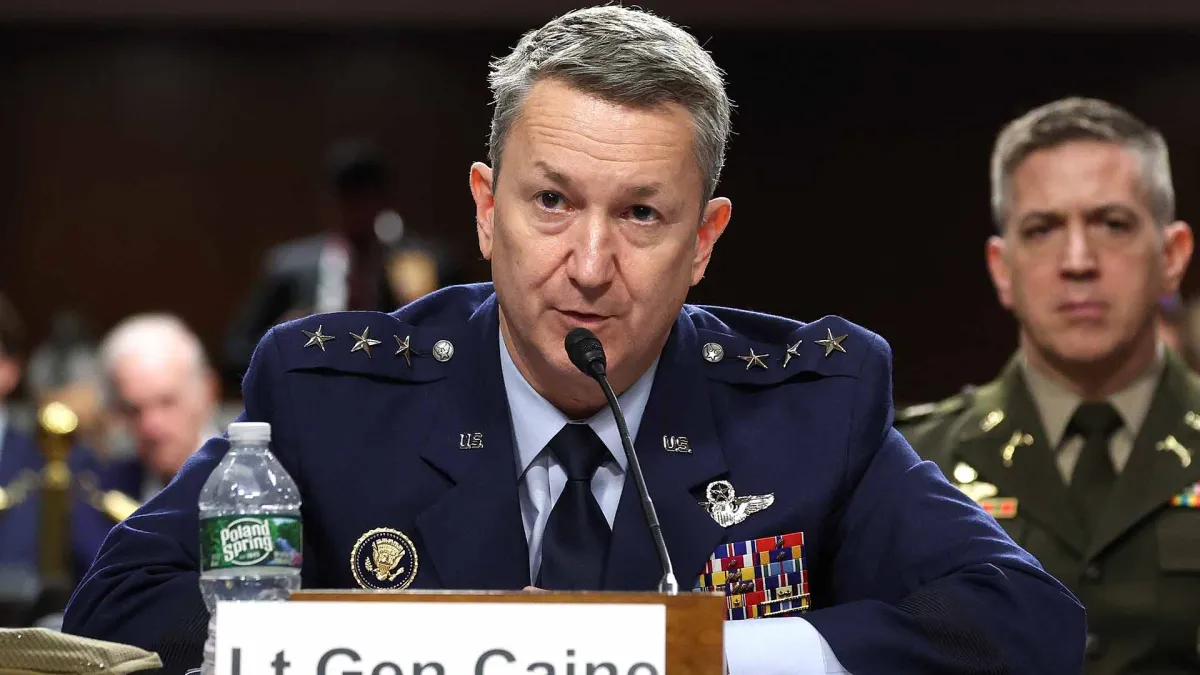
As more details about the confrontation emerge, questions continue to swirl. Is this incident an isolated event, or is it part of a larger, ongoing struggle for control between the military and the presidency? For many, this situation is seen as a warning signal about the fragility of political power in the face of military influence. If senior military officials are willing to openly challenge a president’s decisions, it could signal a shift in how the U.S. government functions, especially in times of crisis.
Military’s Role in Democratic Governance
At its core, this incident forces the public to reconsider the role of the military in democratic governance. While the U.S. Constitution places civilian control at the top of the chain of command, the military’s growing independence is becoming a point of concern. Is the military overstepping its bounds? Or is this simply a matter of the military doing what it believes is necessary to protect national security? The resolution of this power struggle could have far-reaching effects on how America governs itself in the future.
What’s Next for the Military and Trump?
As the fallout from this incident continues, all eyes are on the future of U.S. military leadership and its relationship with the presidency. Will this alter the way the U.S. military operates? Will the military’s role evolve, with more influence over decision-making processes? Or will President Trump be able to reassert his power and reign in the military’s growing influence? The next steps in this saga will likely shape the course of American governance for years to come.
Conclusion
The controversy surrounding President Trump’s blocked access to the nuclear codes is a pivotal moment that raises questions about the authority of the U.S. president, the role of the military in governance, and the balance of power in times of national crisis. This incident is more than just a brief confrontation—it is a glimpse into the growing tensions between the political and military establishments. As this story develops, it will be crucial to watch how these tensions continue to unfold and what they mean for the future of U.S. democracy.