
Table of Contents
The Complex Reality of Stay-at-Home Motherhood
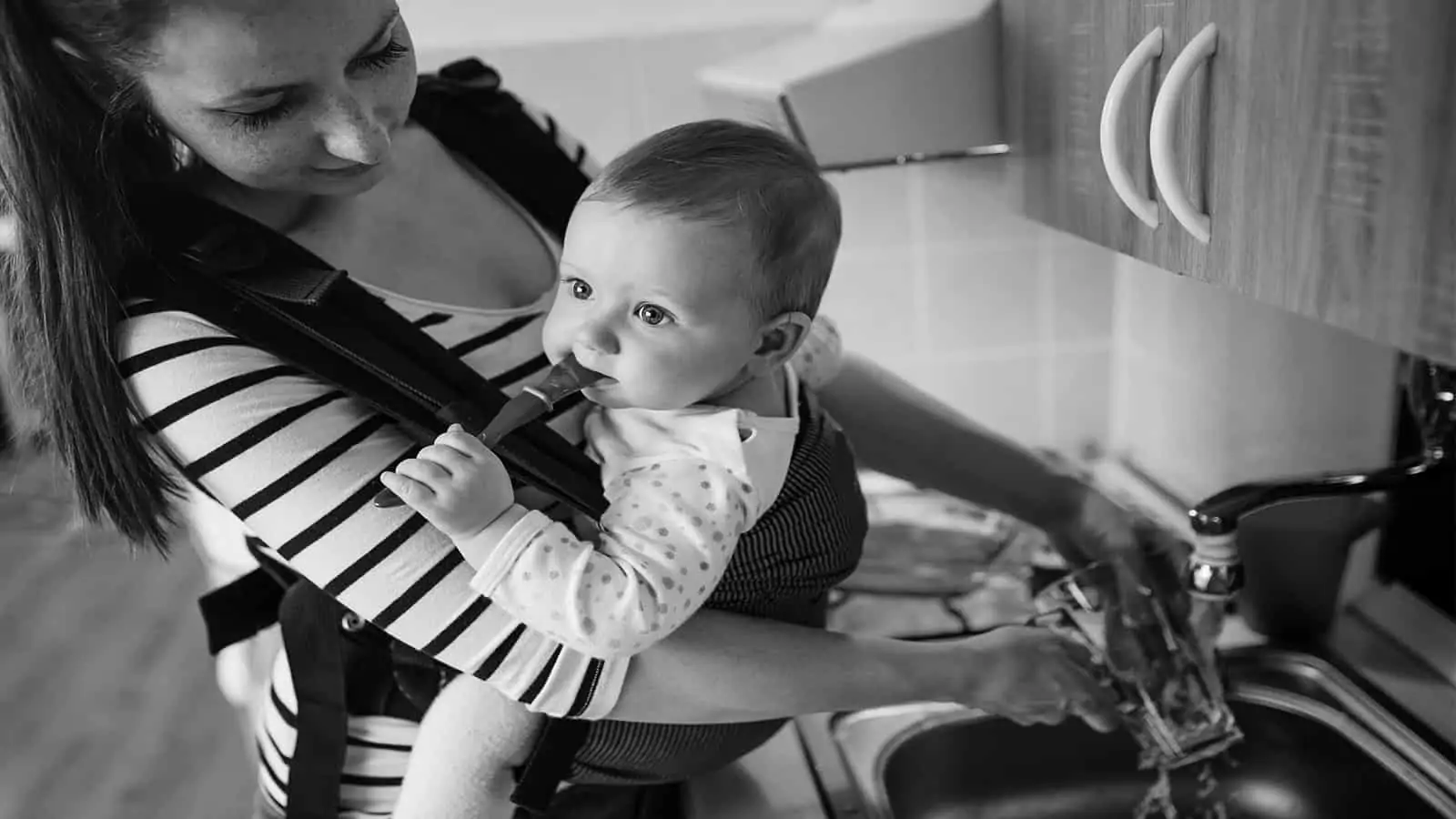
The stereotype of the stay-at-home mom is often oversimplified and misrepresented. Society tends to view it as a role full of comfort and relaxation, but the truth is far from that. Research from the Pew Research Center shows that stay-at-home moms are more likely to face economic hardships, with 34% of them living in poverty compared to just 12% of working mothers. Additionally, many stay-at-home moms are younger, have less education, and suffer from higher levels of social isolation due to lack of adult interaction. This social isolation often leads to mental health struggles, including anxiety and depression, that are seldom recognized.
A 2012 Gallup poll further paints a grim picture. It surveyed over 60,000 women and found that stay-at-home mothers report feeling more sadness, anger, and depression than their working counterparts. Moreover, they experience chronic health issues at higher rates, exacerbated by the lack of a robust support system and healthcare benefits. These findings highlight the emotional and physical toll that being a stay-at-home mom takes on a woman’s well-being.
Why Being a Stay-at-Home Mom Is the Hardest Job

Stay-at-home moms often face unique challenges that go beyond traditional parenting. Below are the reasons why their job is one of the hardest:
Lack of Financial Compensation and Benefits
Unlike their counterparts in the workforce, stay-at-home moms receive no salary, healthcare benefits, or retirement savings. According to Pew Research, the financial struggles of stay-at-home moms are real—34% live in poverty, while only 12% of working moms face the same. Even those married to working spouses are more likely to experience financial hardship. The absence of income can leave moms feeling undervalued and underappreciated, creating a constant source of stress.
No Breaks, No Downtime
Being a stay-at-home mom means no scheduled breaks, sick leave, or vacations. The U.S. Bureau of Labor Statistics reports that stay-at-home moms spend significantly more time on childcare and housework than working mothers. They spend an extra 7 hours per week on childcare alone, without the luxury of time off. The lack of downtime leads to exhaustion and burnout, which can have severe consequences for mental and physical health.
Social Isolation and Lack of Adult Interaction
Stay-at-home moms often spend most of their time with their children, which can lead to feelings of loneliness and isolation. According to Pew Research, they are more likely to be younger, have less education, and lack a solid support network compared to working moms. This isolation can take a heavy toll on mental health, leading to depression and a sense of being cut off from the outside world. For many, their social lives are confined to playdates and brief encounters with other parents, leaving them with little opportunity to engage in deeper, adult conversations.
Emotional and Mental Health Challenges
The emotional demands of full-time parenting can be overwhelming. Stay-at-home moms face constant judgment and scrutiny from both society and their peers, which can take a toll on their self-esteem. Studies have shown that they experience higher rates of negative emotions such as sadness, anger, and depression compared to working mothers. Without the professional validation or emotional outlet that a job often provides, stay-at-home moms may feel unsupported, leading to mental health struggles that are difficult to address.
The Stigma and Misconceptions
Despite the fact that stay-at-home moms work tirelessly to maintain a home and raise children, they often face a stigma that their role is “easier” than that of working mothers. Society tends to undervalue the intense work involved in full-time caregiving, which can make stay-at-home moms feel inadequate and unappreciated. This perception can lead to stress and a sense of frustration, as they constantly have to prove the legitimacy and difficulty of their role.
Constant Multitasking and Managing Multiple Roles
Stay-at-home moms juggle a wide range of tasks every day—cooking, cleaning, organizing, teaching, and providing emotional support. The role requires constant multitasking, often without any clear boundaries between different responsibilities. According to the U.S. Bureau of Labor Statistics, this level of multitasking contributes to high stress and fatigue, making it difficult to manage everything with ease. There is no “off switch,” and the pressure to perform well in every area can be overwhelming.
Coping Strategies and the Bright Side of Stay-at-Home Motherhood

While the challenges of being a stay-at-home mom are undeniable, it also comes with unique rewards that can help mothers cope with the demands of the role. Here are some positive aspects and coping strategies that can help stay-at-home moms navigate their responsibilities:
Strong Bonding with Children
One of the most significant benefits of being a stay-at-home mom is the ability to bond closely with your children. Studies have shown that children who receive consistent, loving attention from a parent are more likely to experience emotional stability and healthy development. Stay-at-home moms have the advantage of being able to guide their children’s upbringing, providing them with a secure foundation for their future.
Enhanced Control Over Child’s Environment and Nutrition
Stay-at-home moms have more control over their children’s environment, from the meals they eat to their daily routines. This direct involvement allows for tailored parenting that can be particularly beneficial in the early years. Research suggests that children raised in such an environment tend to have better health and emotional stability, as they benefit from a more structured and nurturing home life.
Flexibility and Family Time
Being a stay-at-home mom also provides the flexibility to plan family activities and outings without the constraints of a rigid work schedule. This flexibility can lead to more spontaneous family experiences and help foster stronger family bonds. Additionally, it allows for time to form support networks with other parents and create a sense of community.
Opportunities for Personal Growth and Self-Reflection
While stay-at-home motherhood is demanding, it also provides time for self-reflection and personal growth. Many mothers find that this period allows them to reassess their values, goals, and priorities. Some even use the time to develop new skills, start new ventures, or find ways to pursue personal goals that align with their family commitments.
Coping Strategies for Stay-at-Home Moms
To help manage the stresses of stay-at-home motherhood, consider these coping strategies:
- Build a Routine: Establishing a daily routine can provide structure and help alleviate stress. It’s important to schedule time for self-care, such as exercise or hobbies.
- Create Social Connections: Engage with local parenting groups or online communities to combat isolation and create a support network.
- Practice Mindfulness and Self-Care: Incorporate small self-care practices into your day to reduce stress and improve emotional resilience.
- Seek Professional Support: If feelings of depression or anxiety become overwhelming, seek professional help to manage mental health.
- Find Time for Yourself: Taking breaks is essential. Schedule regular times for personal activities to recharge and refresh.
Recognizing the Value of Stay-at-Home Moms

The role of stay-at-home moms is often misunderstood and undervalued, but it is one of the most demanding jobs in the world. It requires immense emotional strength, resilience, and an ability to manage multiple responsibilities. While there are challenges, the benefits—such as the opportunity to bond with children and provide a nurturing home—make it a uniquely rewarding experience.
Ultimately, the decision to be a stay-at-home mom is personal, and it comes with its own set of sacrifices and rewards. Society must begin to recognize the hard work and dedication that stay-at-home moms invest in raising the next generation. Understanding the complexities of this role can help us appreciate the invaluable contributions that these mothers make to families and communities every day.
Conclusion: A Job That Deserves Recognition
The daily challenges faced by stay-at-home moms cannot be overstated. They manage a complex, multifaceted role that is physically, emotionally, and mentally demanding. Yet, despite the hardships, the rewards are immeasurable. By acknowledging the struggles and celebrating the unique benefits of stay-at-home motherhood, we can begin to better appreciate and support these mothers who play such a critical role in shaping the future of society.