
Table of Contents
- When Trump Was Locked Out of the Situation Room During the Iran Rescue Operation
- A Complex Rescue Operation Amid High Tensions
- Trump’s Paranoia and The Ghost of 1979
- The Immediate Impact of Trump’s Actions
- The Rescue Mission Continues, Despite Trump’s Fury
- Trump’s Public Outburst and Reflections on the Mission
- The Role of Senior Administration Officials
- The Importance of Control in Critical Military Operations
- The Growing Tensions Between Trump’s Actions and National Security
- What This Means for Future US-Iran Relations
- The Broader Implications of This Rescue Mission
When Trump Was Locked Out of the Situation Room During the Iran Rescue Operation
When news broke about President Donald Trump’s exclusion from the crucial situation room during a high-stakes mission to rescue an American soldier in Iran, the public’s attention was piqued. The incident, which unfolded in early April 2026, revealed tensions within the White House as officials feared that the president’s unpredictable behavior could sabotage the delicate operation. As the US military and CIA scrambled to recover two airmen stranded in Iran’s remote Zagros Mountains, Trump’s emotional response and historical fears took center stage. The decision to exclude him from key briefings underscores the intricate balance between leadership and the potential chaos that can arise from the president’s temperament.
A Complex Rescue Operation Amid High Tensions
The rescue mission had its roots in a dangerous incident involving the downing of an F-15E Strike Eagle by Iran’s Islamic Revolutionary Guard Corps on April 3. While the pilot was quickly recovered, the fate of the Weapon Systems Officer (WSO), who was still missing, created a race against time. Iranian forces were closing in, and the stakes were incredibly high. Trump’s reaction to the situation reportedly mirrored his obsession with not repeating the mistakes of the past, especially the 1979 Iran Hostage Crisis. This historical reference loomed large as he feared a repeat of the embarrassing moment that had cost Jimmy Carter the presidency.
Trump’s Paranoia and The Ghost of 1979
The President’s behavior during the operation was rooted in a deep personal fear of history repeating itself. The Iranian hostage crisis, where 52 American diplomats were held captive for 444 days, had been a turning point in US-Iran relations and American politics. Trump reportedly expressed intense frustration over the possibility of Iran parading captured American soldiers, a scenario that could embolden the Iranian regime and shift the geopolitical landscape in their favor. As one of the top military advisers in the room put it, Trump’s behavior was deeply influenced by the events of 1979, a time when American resolve was tested in a way few would forget.
The Immediate Impact of Trump’s Actions
Amid the mission’s chaos, Trump allegedly “screamed at aides for hours,” according to reports from anonymous sources familiar with the operation. His decision to order a full ground invasion of Iran, which would have escalated tensions significantly, was reportedly overruled by key figures within the administration. Chief of Staff Susie Wiles and Vice President JD Vance are said to have intervened, ensuring that the president would remain in the dark about key details. While Trump’s directives were stark and decisive, they were not universally accepted. This raised concerns within his inner circle, prompting them to find a way to limit his influence during the critical hours of the mission.
The Rescue Mission Continues, Despite Trump’s Fury
Despite being locked out of the situation room, Trump’s desire to secure the two missing airmen kept him awake late into the night. As the hours passed, the CIA and military conducted their search, and it wasn’t until 2 a.m. that they received confirmation about the WSO’s location. Assisted by advanced technologies, including undisclosed agency tools, the recovery operation became an international success. The efforts involved more than 150 aircraft in a complex series of maneuvers designed to retrieve the WSO from the rugged terrain of Iran. While Trump may not have been in the room, the outcome of the mission, which saw the airmen safely recovered, was a testament to the skill and coordination of the US military and intelligence services.
Trump’s Public Outburst and Reflections on the Mission
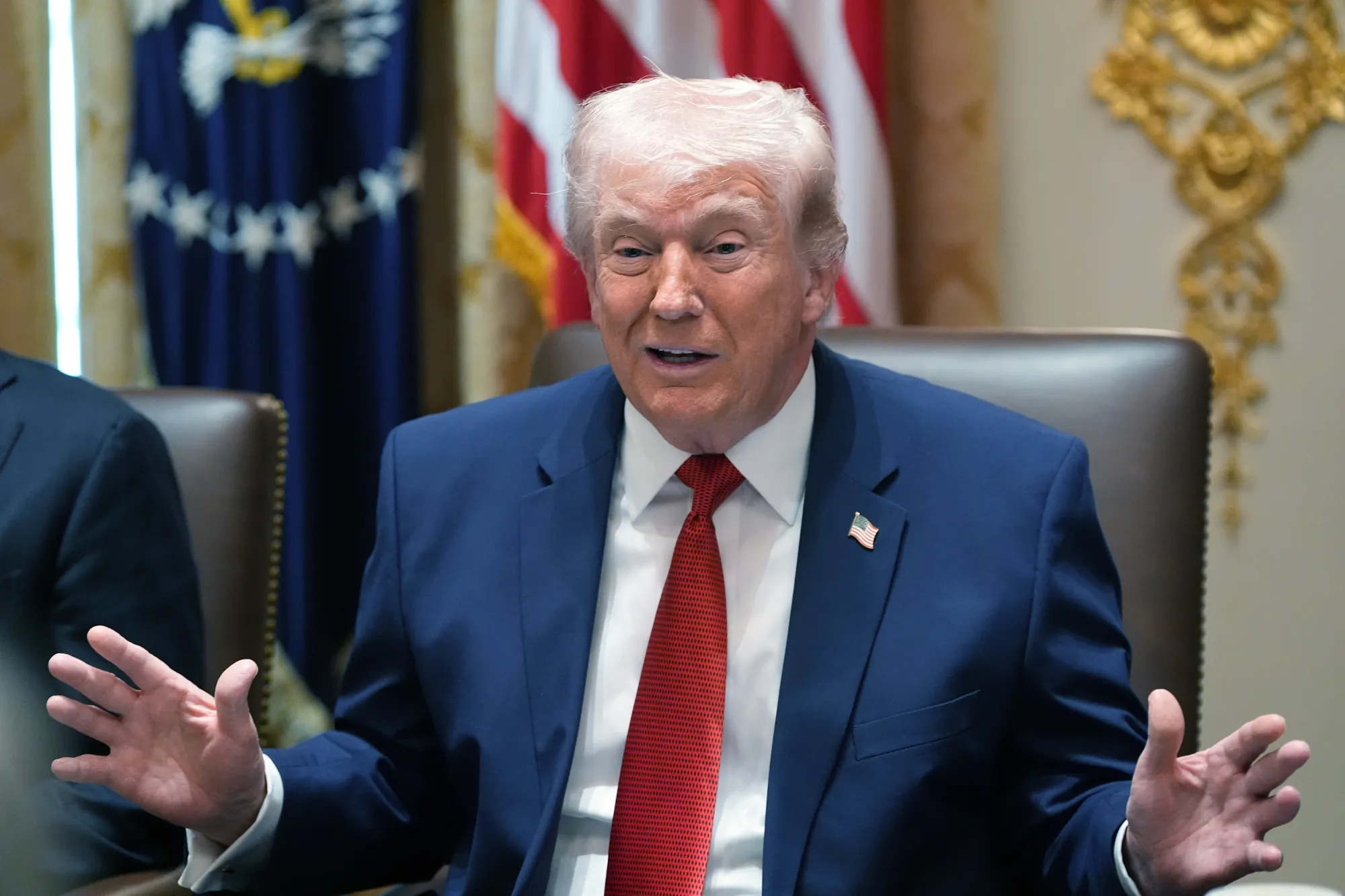
Once the operation concluded and the airmen were safely back in US hands, Trump made his thoughts known to the world. A tweet followed shortly after, laden with expletives aimed at Iran’s leaders: “Open the F**in’ Strait, you crazy bstards, or you’ll be living in Hell – JUST WATCH! Praise be to Allah.” This outburst not only reflected the pent-up frustration from the mission but also highlighted the volatile relationship between Trump and foreign policy. His reaction served as a stark contrast to the calm professionalism exhibited by his military and intelligence counterparts.
The Role of Senior Administration Officials
Throughout the mission, senior officials took charge, stepping into the role of guiding the situation behind the scenes. The lack of presidential oversight in these critical hours illustrated how far officials were willing to go to protect the integrity of the operation. It was a delicate balance between maintaining command and control while also mitigating the risk of Trump’s erratic behavior, which, if unchecked, could have jeopardized the entire mission. The dynamics within the situation room proved how fragile the decision-making process can be in times of high tension, especially when dealing with a commander-in-chief whose reactions were unpredictable.
The Importance of Control in Critical Military Operations
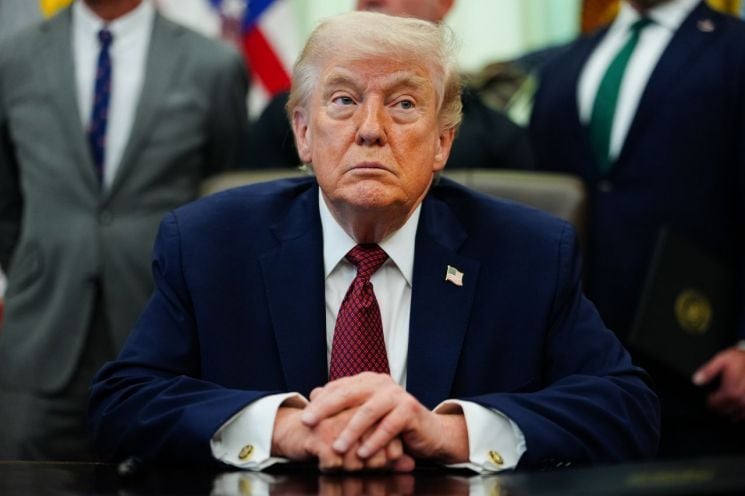
This episode also highlights the essential role of control in military operations. While Trump’s instincts may have driven him to demand immediate action, senior military and intelligence leaders understood the importance of strategic, measured responses. The situation in Iran was not just a test of military capability but also of political leadership. The US response required careful coordination, with officials knowing that any misstep could escalate tensions further and result in dire consequences. In this context, Trump’s impatience and explosive demeanor were not seen as assets but as liabilities that needed to be carefully managed.
The Growing Tensions Between Trump’s Actions and National Security
As the situation unfolded, it became clear that the divide between Trump’s desired course of action and that of his advisors was widening. His inclination to act swiftly and forcefully was at odds with the cautious approach preferred by military experts. This growing tension between presidential action and bureaucratic restraint is emblematic of the challenges that come with leading in a complex international environment. The delicate balance between making quick decisions and considering long-term consequences is a reality that Trump’s administration was forced to confront during this crisis.
What This Means for Future US-Iran Relations
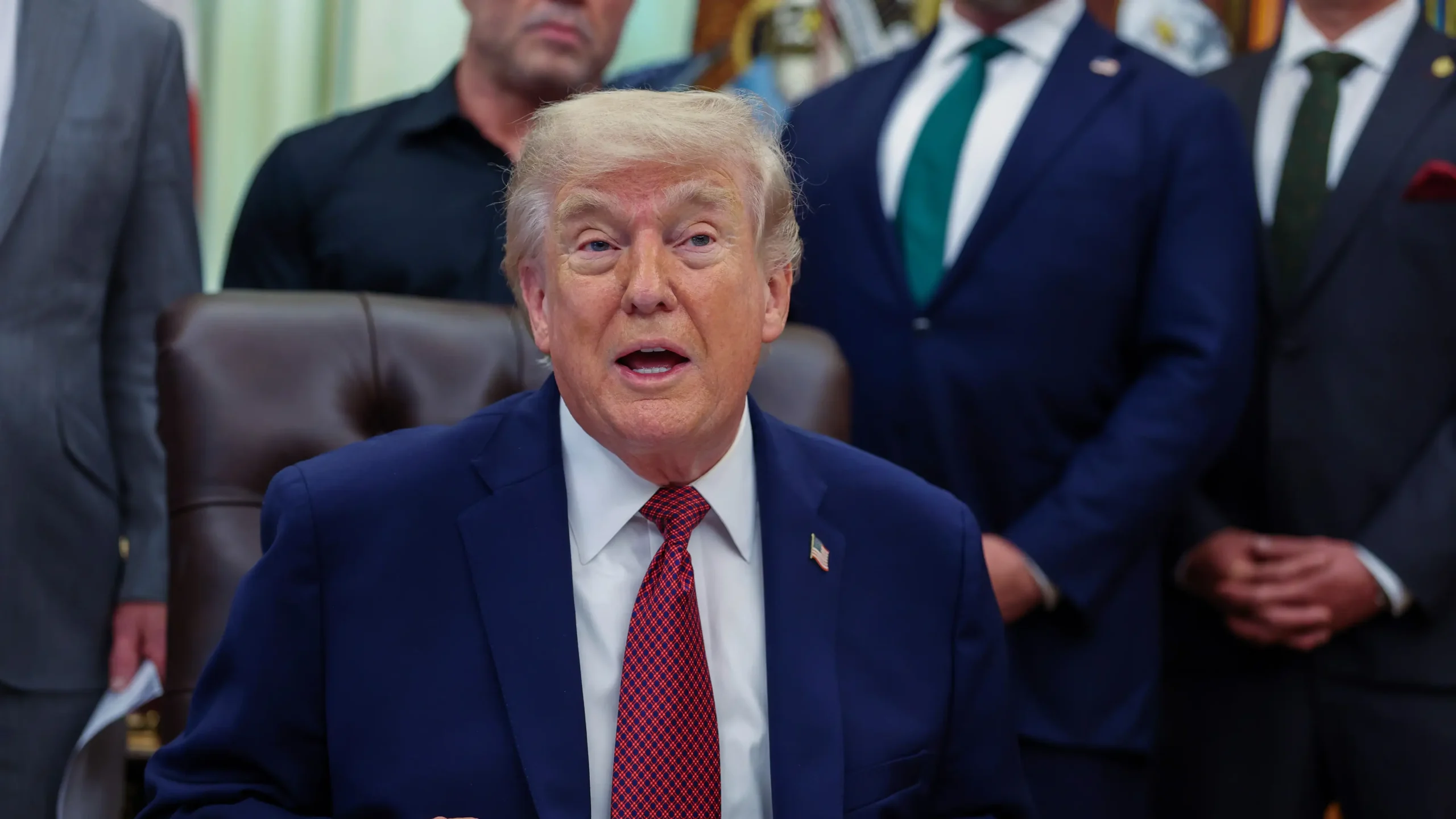
While the immediate crisis was averted with the successful rescue of the WSO, the long-term ramifications of the operation are still unfolding. US-Iran relations, already fraught with tension, will continue to be tested as both nations navigate the aftermath of this event. Trump’s approach to diplomacy, characterized by bold statements and aggressive tactics, is likely to shape how the US engages with Iran moving forward. However, the reality of such high-stakes operations suggests that a more tempered and strategic approach might be necessary to avoid further complications.
The Broader Implications of This Rescue Mission
The mission not only demonstrated the resilience and capability of US military forces but also raised questions about the effectiveness of Trump’s leadership style in critical national security matters. As the dust settles, analysts will likely continue to debate whether the president’s actions helped or hindered the mission’s success. What is clear, however, is that the operation’s success is a testament to the professionalism of those working behind the scenes and their ability to navigate the complexities of US foreign policy.