
Table of Contents
- A Shift in Tradition: Why Trump’s Signature?
- A Symbol of Trump’s “Golden Age” Economic Revival
- The Legal and Political Backlash
- A Controversial Coin and the Quest for Trump’s Image on Money
- The Response from Trump’s Supporters
- The Bigger Picture: A Divisive Legacy
- What This Means for the Future of US Currency
- Conclusion: A Move That Will Shape History
A Shift in Tradition: Why Trump’s Signature?
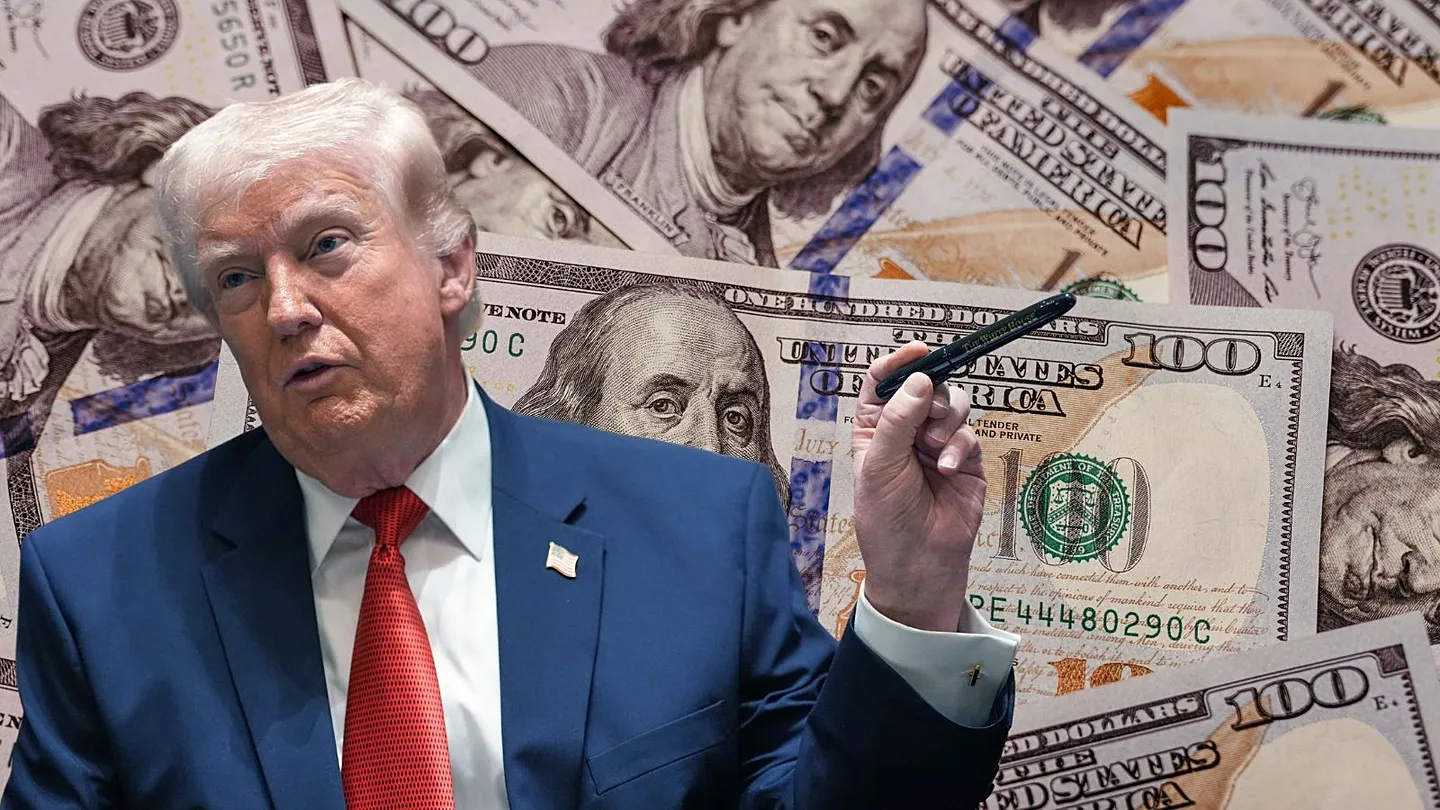
Since 1861, US paper currency has carried the signatures of the Treasury Secretary and the Treasurer, not the president. This long-standing tradition has ensured that no sitting president’s name appeared on the money. However, the Trump administration has decided to break from this tradition by introducing the former president’s signature on the nation’s most widely circulated bills, starting with the $100 note and followed by other denominations. The Treasury Department has explained that this move is a gesture to honor Trump’s leadership and the economic policies that supporters argue contributed to record-low unemployment and significant stock market growth during his tenure.
Secretary of the Treasury Scott Bessent defended the decision, calling it a reflection of “unprecedented economic growth, lasting dollar dominance, and fiscal strength” achieved under Trump. His remarks emphasize how the administration sees Trump’s legacy in economic terms, framing the addition of his signature as a recognition of his accomplishments in office.
A Symbol of Trump’s “Golden Age” Economic Revival
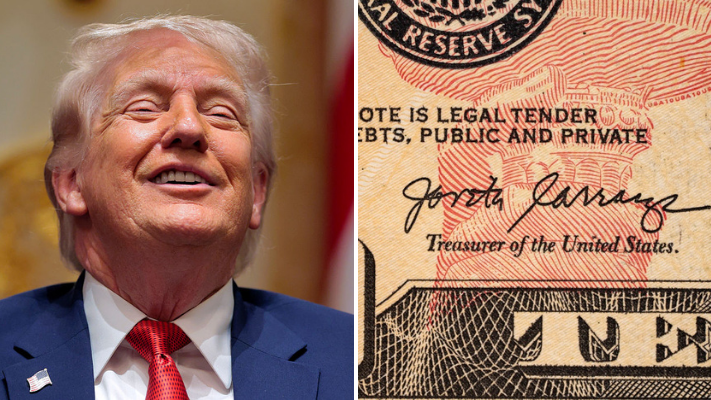
Brandon Beach, Treasurer of the United States, further amplified the sentiment by labeling Trump “the architect of America’s Golden Age economic revival.” This characterization positions Trump’s economic policies—such as tax cuts, deregulation, and trade reforms—as pivotal to the nation’s economic resurgence. The decision to feature his name on currency, according to Beach, is “not only appropriate but also well deserved.”
The announcement comes on the heels of another controversial proposal: a commemorative gold coin bearing Trump’s likeness, which was recently approved by the US Commission of Fine Arts. This coin, intended to celebrate the nation’s 250th birthday, has drawn attention due to the federal law prohibiting the depiction of a living president on US currency. Although this law restricts the imagery on traditional bills, the coin and now the signature are seen as efforts to cement Trump’s legacy in a way that commemorates his leadership in a new light.
The Legal and Political Backlash
Despite the official justification, the move has raised questions about its legality. Critics, including legal experts, have expressed concerns that the decision could be seen as overstepping the bounds of traditional currency protocols. Michael Bordo, Director of the Center for Monetary and Financial History at Rutgers, noted that while the decision will likely face political pushback, the Treasury Secretary may hold the authority to determine who signs the nation’s money. However, Bordo also acknowledged that this could set a troubling precedent for future administrations.
Democrats, in particular, have criticized the decision. Representative Shontel Brown, for instance, voiced her strong opposition on social media, calling the plan “gross and un-American.” Brown’s comment highlights the partisan divide surrounding the decision, with many viewing it as a political move that oversteps the symbolic role of currency. She also noted that the move would serve as a reminder of rising prices for everyday goods under Trump’s economic policies.
A Controversial Coin and the Quest for Trump’s Image on Money
Alongside the signature announcement, the idea of placing Trump’s image on US currency in the form of a coin has also raised eyebrows. Federal law prohibits the depiction of living presidents on money, which has sparked a debate over the legality and ethics of such an undertaking. Critics have argued that the push for Trump’s face on a coin—or his signature on dollar bills—is more about personal glorification than honoring the country’s traditions.
The approval of a 24-karat gold coin bearing Trump’s face by the US Commission of Fine Arts has added fuel to the fire. The decision was made by a body that Trump himself reshuffled, appointing new members who were supportive of his political vision. The coin was approved unanimously by the Commission, but the process has been marred by concerns over Trump’s influence on the decision-making process, including the replacement of members who were seen as adversaries.
The Response from Trump’s Supporters
For Trump’s supporters, the decision to add his signature to US currency is a long-overdue recognition of his accomplishments during his presidency. Many believe that his economic policies, particularly the tax cuts and deregulation efforts, played a pivotal role in stimulating the US economy. The announcement has been lauded by those who argue that Trump’s impact on the nation’s economic health is unparalleled in recent history.
These supporters also point to the symbolism of the move: Trump’s signature will be seen by millions of people every day, further solidifying his place in American history. For many, this gesture is a fitting tribute to a president whose tenure was marked by both significant economic success and divisive political rhetoric.
The Bigger Picture: A Divisive Legacy
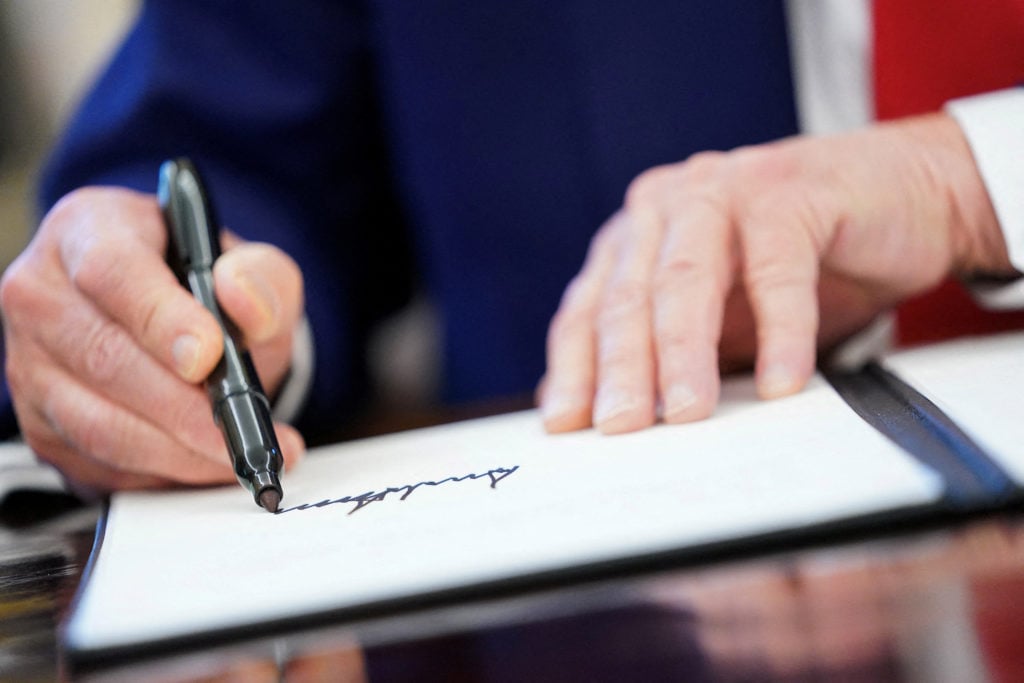
The addition of Trump’s signature on US dollar bills is just the latest chapter in the ongoing debate over his legacy. Supporters and detractors alike will likely continue to argue over the historical significance of his time in office for years to come. While some see this as a fitting tribute to a president who reshaped American economic policy, others view it as a troubling example of how political influence can seep into even the most longstanding traditions of governance.
This move also raises broader questions about the role of currency in reflecting the values and history of a nation. Currency is more than just a medium of exchange; it carries symbols and messages that represent the ideals and principles of a country. Adding a president’s signature to money changes the nature of how currency is viewed and used, turning it into a tool for personal legacy-building rather than a neutral representation of the state.
What This Means for the Future of US Currency
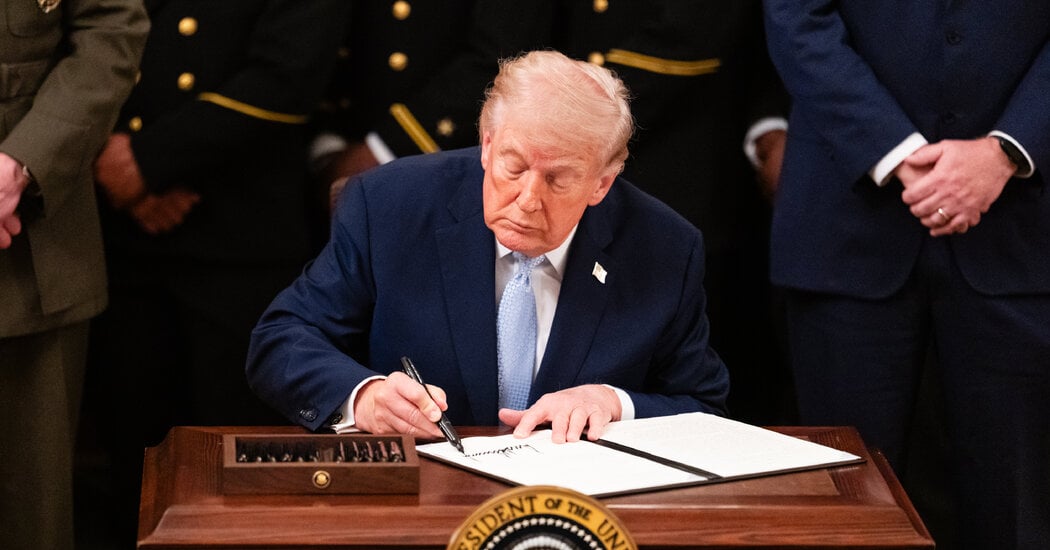
As the plan to include Trump’s signature on all paper currency moves forward, it remains to be seen how this decision will impact the public’s perception of US money. While it’s unlikely to have any immediate practical effects on the economy, the decision serves as a reminder of how currency can be used to shape political narratives. The debate over Trump’s signature on money is just the latest example of how national symbols and traditions are increasingly being politicized.
In the long term, this move could set a precedent for future administrations to follow suit, further blurring the lines between state and political legacy. As more presidents push for their names to be immortalized on currency, the very purpose and symbolism of money could be fundamentally altered.
Conclusion: A Move That Will Shape History
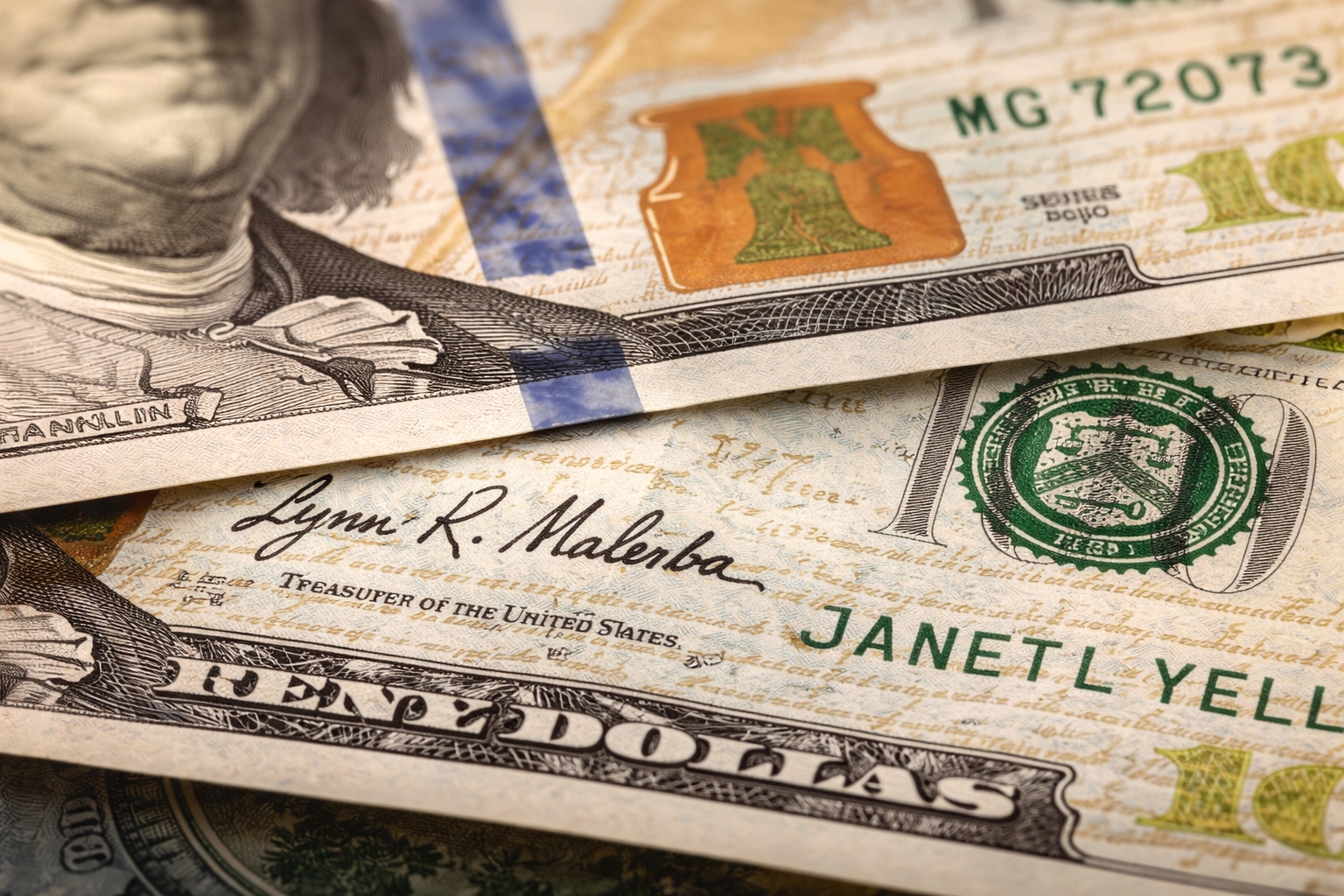
Donald Trump’s signature on US currency is not just a personal achievement—it’s a symbolic act that will resonate for generations. Whether viewed as a fitting tribute or a deeply controversial decision, it is a moment that will be remembered as one of the most unusual and politically charged acts in US history. As we approach the 250th anniversary of the nation, Trump’s name will not only be associated with economic policies but with a dramatic shift in how we perceive the very fabric of American currency.
In the end, this move may be more about legacy than money itself. But regardless of how it is interpreted, one thing is certain: Trump’s signature on the dollar bills of America will leave an indelible mark on the nation’s history.