
Table of Contents
- Trump’s Declining Approval Rating: A Deepening Crisis
- Cost of Living Crisis: A Key Factor in the Disapproval Surge
- Rising Gas Prices: A Persistent Challenge for the Administration
- War with Iran: A Political Liability for Trump
- Democratic Advantage Grows in Midterm Polls
- Hispanic Voters: A Growing Divide
- The Economic Fallout: Trump’s Struggle to Address Inflation
- Trump’s Efforts to Reverse the Trend: A Limited Impact
- Polling Numbers and Political Implications
- What Lies Ahead for Trump’s Presidency?
Trump’s Declining Approval Rating: A Deepening Crisis
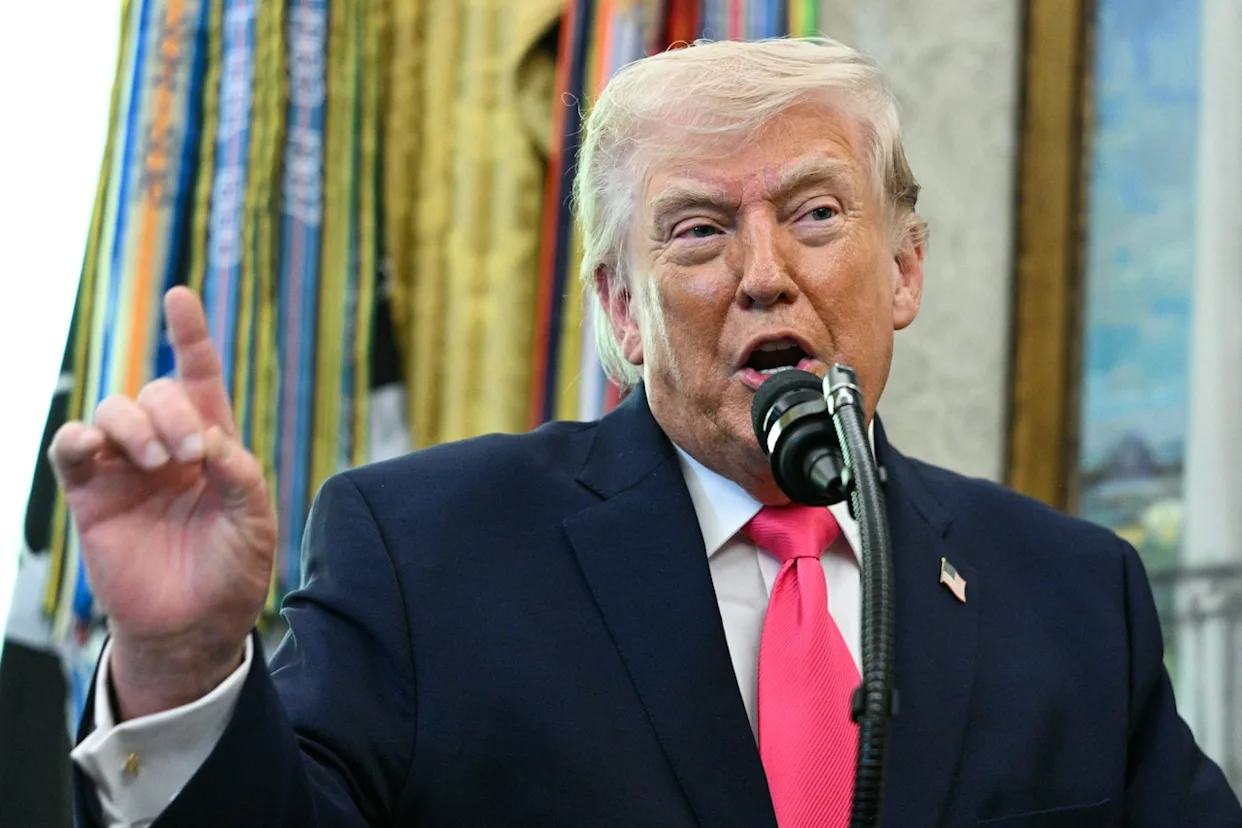
The survey conducted by Washington Post-ABC News-Ipsos between April 24-28, 2026, revealed a sharp decline in Trump’s approval rating, with only 37% of respondents approving of his job performance. This marks a 5% drop from the previous month and represents one of the lowest points in his presidency. Meanwhile, his disapproval rating has surged to 62%, signaling a growing disconnect between the president and the American public. The poll, which surveyed 2,560 adults, reflects growing concerns about his handling of the Iran conflict and the escalating cost of living.
Cost of Living Crisis: A Key Factor in the Disapproval Surge
One of the main factors driving Trump’s declining approval is the economic situation at home. The poll found that 76% of respondents disapproved of Trump’s handling of the cost of living, while 72% disapproved of his response to inflation. With gas prices hitting a four-year high and consumer goods becoming increasingly expensive, many Americans are feeling the pinch. In particular, the ongoing war with Iran has exacerbated the situation, causing energy prices to soar and putting additional pressure on household budgets. As voters grapple with the financial strain, their frustration with the president has intensified.
Rising Gas Prices: A Persistent Challenge for the Administration
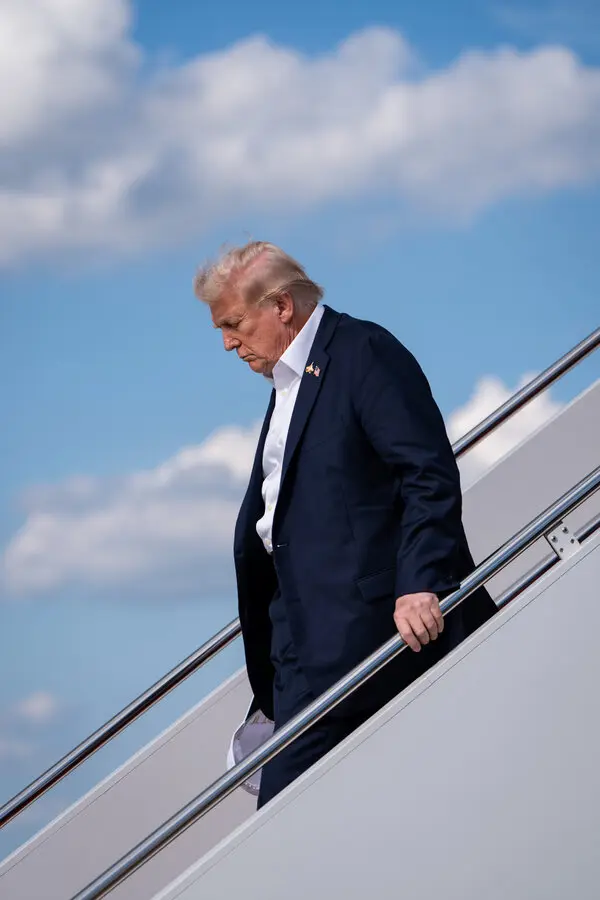
Gas prices have become a focal point in the debate surrounding Trump’s presidency. Since the start of the Iran conflict, the price of gasoline has surged by over 30%, reaching a national average of $4.30 per gallon. This price hike is felt most acutely by middle- and lower-income Americans, many of whom are already struggling with rising costs for basic necessities. Despite efforts from the White House to stabilize the situation, such as releasing oil from the Strategic Petroleum Reserve and relaxing certain environmental regulations, these measures have proven insufficient in the face of a broader geopolitical crisis. The ongoing conflict with Iran continues to create uncertainty in global oil markets, making it difficult for the administration to bring prices under control.
War with Iran: A Political Liability for Trump
Another major factor contributing to Trump’s disapproval is his handling of the war with Iran. According to the same Washington Post-ABC News-Ipsos poll, 66% of Americans disapproved of the way Trump has managed the conflict. The war, which began in February 2026, has become a contentious issue, with a growing number of Americans questioning the necessity and effectiveness of U.S. military involvement. Days after the poll was conducted, 61% of respondents called the war a “mistake,” signaling widespread dissatisfaction with the administration’s foreign policy decisions. This discontent has only intensified as the conflict drags on, with many voters expressing concern about the long-term costs—both in terms of human lives and financial resources.
Democratic Advantage Grows in Midterm Polls
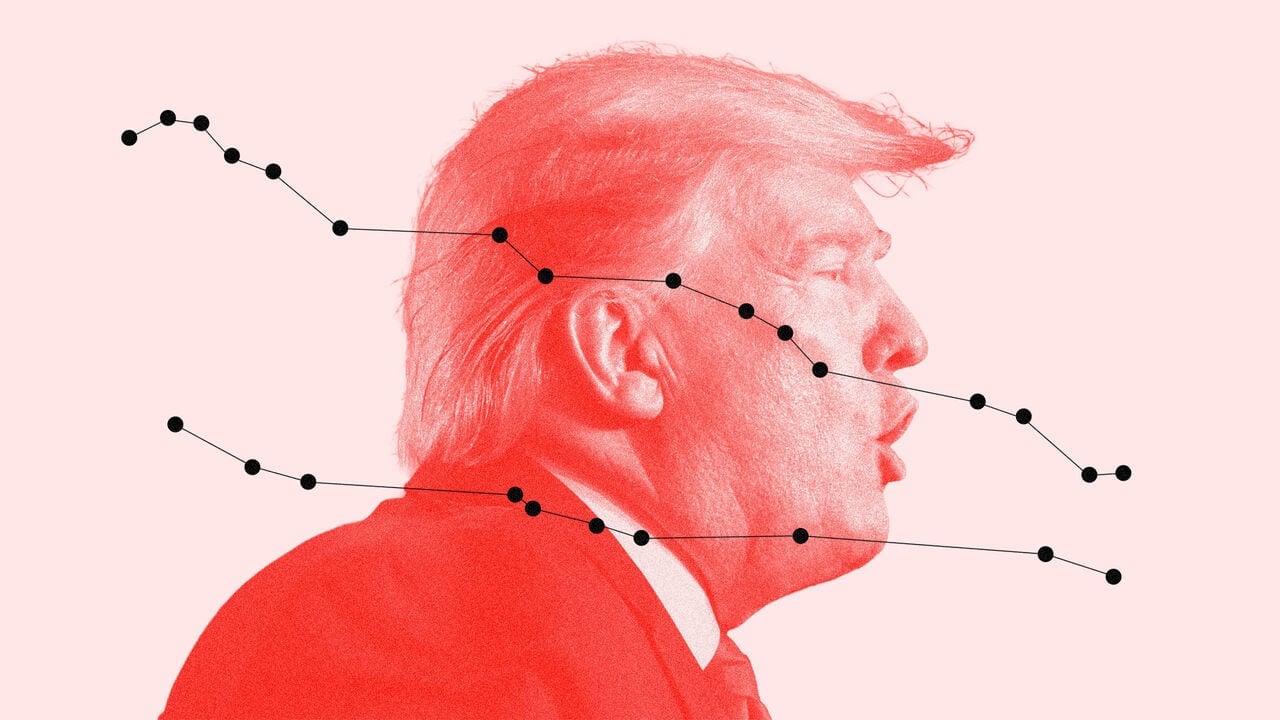
As Trump’s approval rating continues to decline, Democrats are gaining ground in key battleground states ahead of the 2026 midterm elections. According to the poll, 49% of respondents indicated they would vote for Democratic candidates, compared to 44% who would vote for Republicans—a notable shift from February, when Republicans held a two-point advantage. This growing momentum for the Democrats is largely driven by frustration with Trump’s handling of the economy and foreign policy. With the midterms fast approaching, the political landscape is shifting, and Trump’s disapproval rating may have significant consequences for Republican candidates across the country.
Hispanic Voters: A Growing Divide
One of the most striking trends in the latest polls is the dramatic shift in approval among Hispanic voters. As of April 2026, 70% of Hispanic voters disapproved of Trump’s job performance, a significant increase from the previous year, when disapproval was at 44%. Approval among Hispanic voters now stands at just 29%, a sharp contrast to the more favorable ratings he received in 2025. This shift highlights the growing disconnect between Trump and a key demographic, one that could prove crucial in the upcoming elections. As Hispanic voters increasingly express dissatisfaction with his policies, Trump faces a potential political liability that could cost Republicans in crucial swing states.
The Economic Fallout: Trump’s Struggle to Address Inflation
In addition to gas prices, inflation has become a major concern for American voters. According to a Reuters/Ipsos poll conducted in late April 2026, Trump’s approval rating on economic issues has fallen to its lowest point in years. Just 22% of Americans approve of how Trump has handled the cost of living, while 56% disapprove. The poll also found that 52% of voters believe the economy is worse under Trump than it was under his predecessor, President Joe Biden. This growing dissatisfaction with the administration’s economic policies has become a focal point for voters as they prepare to head to the polls.
Trump’s Efforts to Reverse the Trend: A Limited Impact
Despite these challenges, Trump has continued to push forward with efforts to address the rising cost of living and inflation. The administration has made several moves to stabilize the economy, including relaxing certain trade restrictions and engaging in diplomatic efforts to address the situation in Iran. However, these measures have yet to produce tangible results, and public opinion remains largely unchanged. With each passing poll, Trump’s approval rating on economic issues continues to decline, leaving him with limited options to turn the tide before the midterm elections.
Polling Numbers and Political Implications
As polling continues to reveal Trump’s declining approval, the implications for the midterm elections are becoming clearer. The growing dissatisfaction with Trump’s handling of both domestic and foreign policy issues has opened the door for Democrats to take control of the House of Representatives. With just months to go before voters head to the polls, Trump will need to find a way to reverse his political fortunes or risk losing the support of key constituencies.
What Lies Ahead for Trump’s Presidency?
With disapproval ratings at record highs and the political landscape shifting in favor of the Democrats, Trump’s path forward remains uncertain. The war in Iran and rising gas prices have put the administration on the defensive, and with midterm elections approaching, the stakes have never been higher. As the situation continues to evolve, it is clear that Trump will need to address these issues head-on if he hopes to retain the support of voters and maintain a strong position in the upcoming elections.