
Table of Contents
- The New Rule That Changed The Creator Economy
- Why China Is Targeting Fake Experts
- Platforms Must Enforce The Rules
- The Punishments Are Serious
- AI Content Must Be Labeled
- Educational Content Can No Longer Hide Promotions
- Supporters Call It Accountability
- Critics Warn About Censorship
- A Global Problem With Different Responses
- The Future Of Influencing May Look Different
- The Bigger Question Behind The Crackdown
The New Rule That Changed The Creator Economy
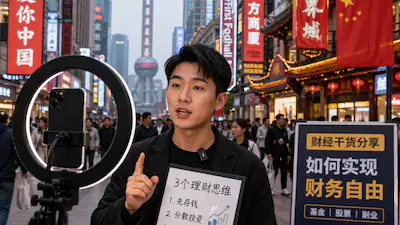
China’s latest influencer rules focus on four major content categories: finance, medicine, law, and education. These are not casual lifestyle topics. Advice in these areas can shape a person’s savings, medical decisions, legal risks, or academic future.
Under the new rules, creators who publish content in these fields must now show valid professional credentials. A finance influencer may need recognized financial qualifications. A medical content creator may need a medical degree or license. A legal commentator may need proper legal certification. Education creators may also be required to prove relevant academic or professional expertise.
This change creates a major shift in how expertise is treated online. In the past, many influencers built large audiences simply by sounding confident. A polished video, emotional delivery, and strong personal branding could make almost anyone appear knowledgeable. China’s regulator is now saying that presentation is not enough.
Why China Is Targeting Fake Experts
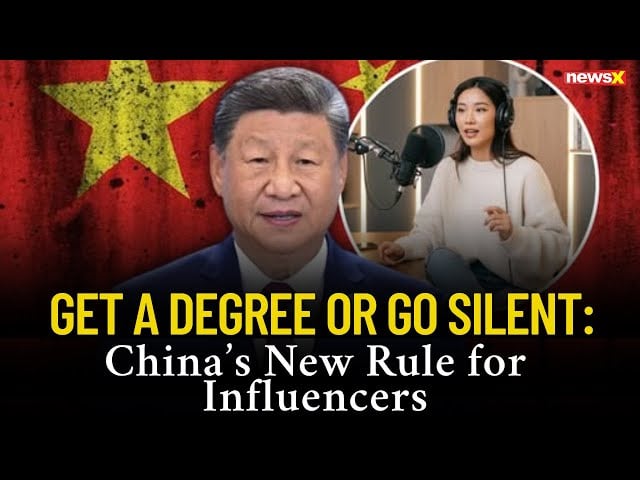
The internet has created a strange new world where anyone with a camera can become an authority figure overnight. A creator can post investment tips in the morning, medical advice in the afternoon, and legal opinions by evening, even without formal training in any of those fields.
That freedom helped social media grow rapidly, but it also created serious risks. Fake finance gurus can push risky investments. Unqualified health influencers can promote unsafe supplements or misleading treatments. Legal misinformation can confuse people facing real disputes. Education influencers can pressure parents into expensive courses or false promises.
China’s new rule appears designed to reduce those risks by forcing creators to prove they have the background to speak on sensitive subjects. The government is not just targeting misinformation after it spreads. It is trying to stop unqualified advice before it reaches the public.
Platforms Must Enforce The Rules
The responsibility does not fall only on influencers. Major Chinese platforms including Douyin, Bilibili, and Weibo are now expected to verify credentials before expert content goes live.
This means platforms must act less like neutral hosting services and more like gatekeepers. They have to check who is speaking, what qualifications they hold, and whether their content belongs to a regulated category.
That requirement could significantly change how creator platforms operate. Instead of allowing content first and responding only after complaints, platforms may need stronger review systems before publication. They may also need databases, verification teams, and automated tools to detect content that falls under finance, medicine, law, or education.
For influencers, this means the old model of posting freely and growing quickly may become much harder in sensitive fields.
The Punishments Are Serious
The penalties attached to the rules are not symbolic. Influencers who violate the requirements can face fines of up to 100,000 yuan, roughly $14,000. For smaller creators, that amount could be financially devastating.
Accounts can also be suspended or permanently deleted. In the creator economy, losing an account can mean losing years of work, income, followers, business partnerships, and personal branding.
This is why the policy has drawn major attention. China is not simply asking creators to be more careful. It is attaching real consequences to unverified expertise.
The threat of deletion may be even more powerful than the fine itself. Many influencers depend entirely on their digital audience. Without their account, their business disappears overnight.
AI Content Must Be Labeled
Another important part of the rules involves artificial intelligence. Influencers are required to clearly label AI generated material when it appears in their content.
This reflects a growing global concern. AI tools can now generate realistic scripts, images, voices, medical explanations, legal summaries, and financial predictions. While these tools can be useful, they can also create convincing misinformation at massive scale.
If a viewer cannot tell whether content comes from a qualified person or an AI system, trust becomes harder to manage. China’s labeling requirement attempts to make AI use more transparent.
For creators, this means AI can no longer be quietly hidden behind expert style content. If they use it, audiences must know.
Educational Content Can No Longer Hide Promotions
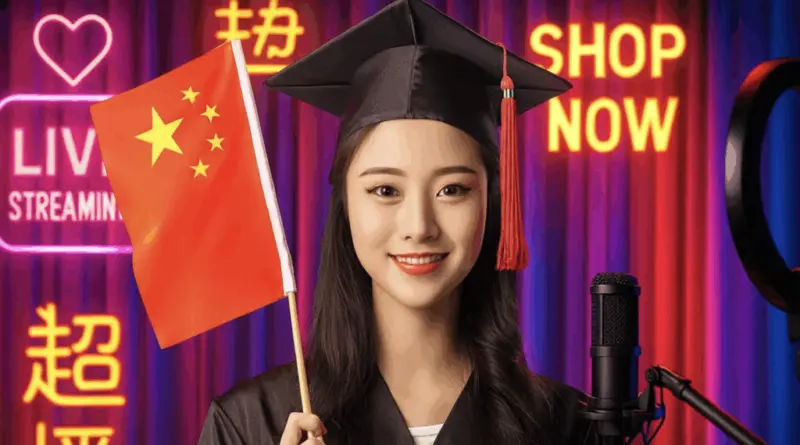
The rules also target covert advertising, especially in medical and health related content. Medical products, supplements, and health foods can no longer be promoted through educational style videos that disguise marketing as neutral advice.
This is a major issue across social media worldwide. A creator may appear to explain a health concern, but the real purpose of the video is to sell a supplement. A finance influencer may appear to educate viewers, but the video quietly pushes a paid course or investment platform.
China’s rule attempts to separate genuine public information from hidden commercial promotion.
This could make the influencer economy less profitable for some creators, especially those who rely on selling products through trust based content. But it may also protect viewers from advice shaped more by sales commissions than public interest.
Supporters Call It Accountability
Supporters of China’s crackdown argue that high stakes advice should not be treated like entertainment. They believe creators who speak about health, money, law, or education should meet professional standards because the consequences of bad advice can be serious.
A wrong skincare tip may be annoying. A wrong investment tip can ruin savings. A wrong medical claim can delay proper treatment. A wrong legal explanation can put someone at risk.
From this perspective, the regulation is not anti creator. It is anti fraud.
Supporters also argue that professionalizing online expertise may improve public trust. If viewers know creators have verified credentials, they may feel safer consuming information online.
Critics Warn About Censorship
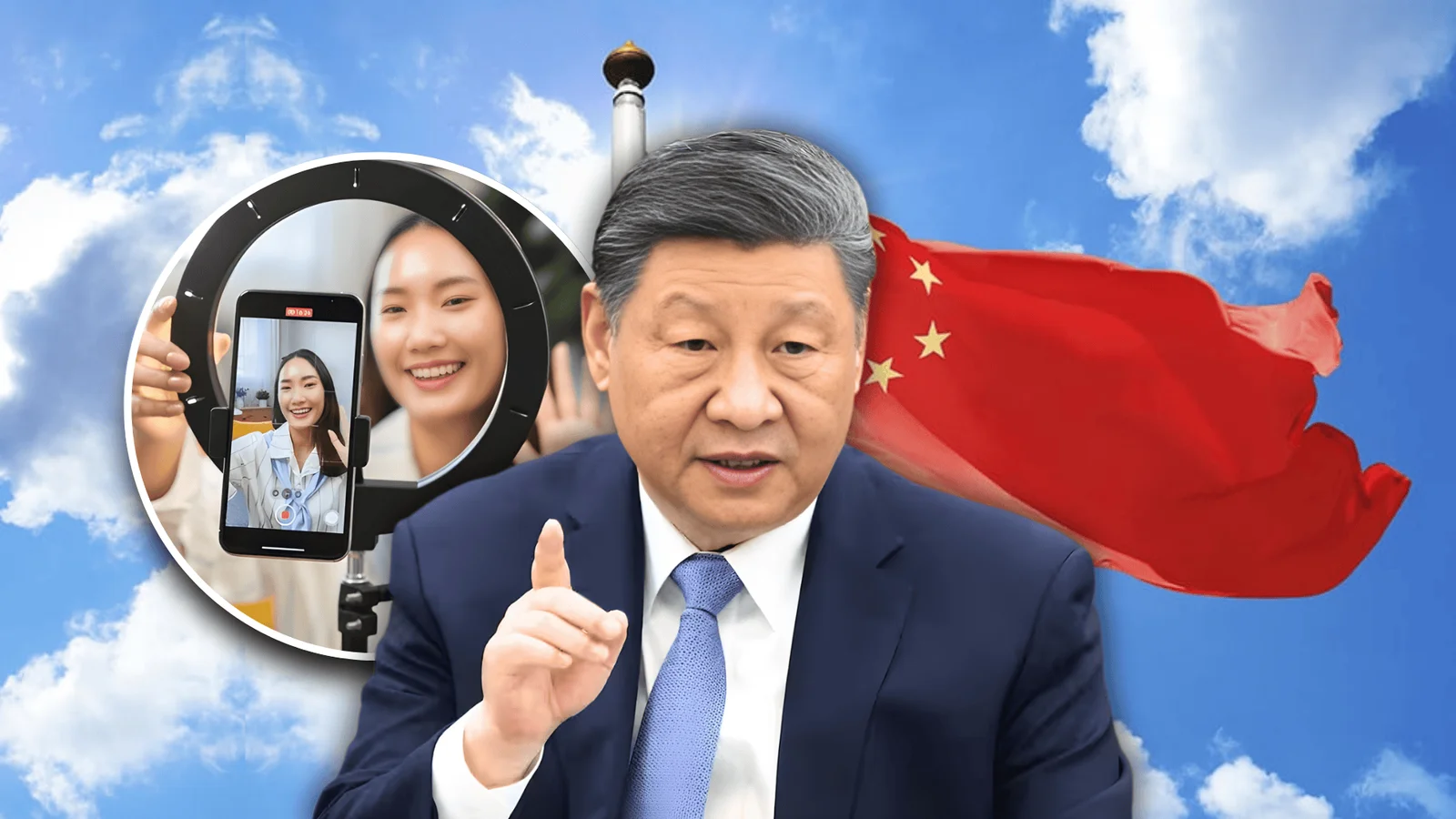
Critics see the rules differently. They argue that requiring official credentials gives the government and platforms too much power over who can speak online.
In their view, expertise does not always come only from degrees or licenses. A patient living with a medical condition may have valuable experience. A self taught investor may offer useful lessons. A parent may share practical education insights without being a certified teacher.
Critics worry that broad credential requirements could silence useful voices, especially independent creators who do not fit traditional professional categories.
There is also concern that the rules could be used selectively. In a tightly controlled media environment, regulations aimed at misinformation can sometimes become tools for limiting criticism or uncomfortable discussion.
A Global Problem With Different Responses
China’s move may be strict, but the problem it addresses is global. Around the world, platforms are filled with unqualified creators giving advice on taxes, diets, medicine, law, investing, parenting, education, and mental health.
Many viewers struggle to separate real expertise from confident performance.
In the United States, Europe, India, Indonesia, and other markets, regulators are also debating how to control misinformation without destroying free expression. Some governments focus on labeling. Others focus on advertising rules. Some pressure platforms to remove harmful content. China has chosen one of the most direct approaches: prove your credentials or lose your platform.
Whether other countries follow this model remains uncertain, but many digital policy observers are watching closely.
The Future Of Influencing May Look Different

China’s new rules suggest the influencer industry may be entering a new phase. The early creator economy rewarded speed, personality, and attention. The next phase may demand proof, transparency, and professional responsibility.
For creators in entertainment, fashion, travel, comedy, or lifestyle, the effect may be limited. But for creators in finance, health, law, and education, the rules could reshape everything.
The most successful future influencers may not be those who simply speak the loudest. They may be those who can prove their expertise, cite reliable data, disclose AI use, and separate education from advertising.
That could make online information safer. It could also make the internet more controlled.
The Bigger Question Behind The Crackdown
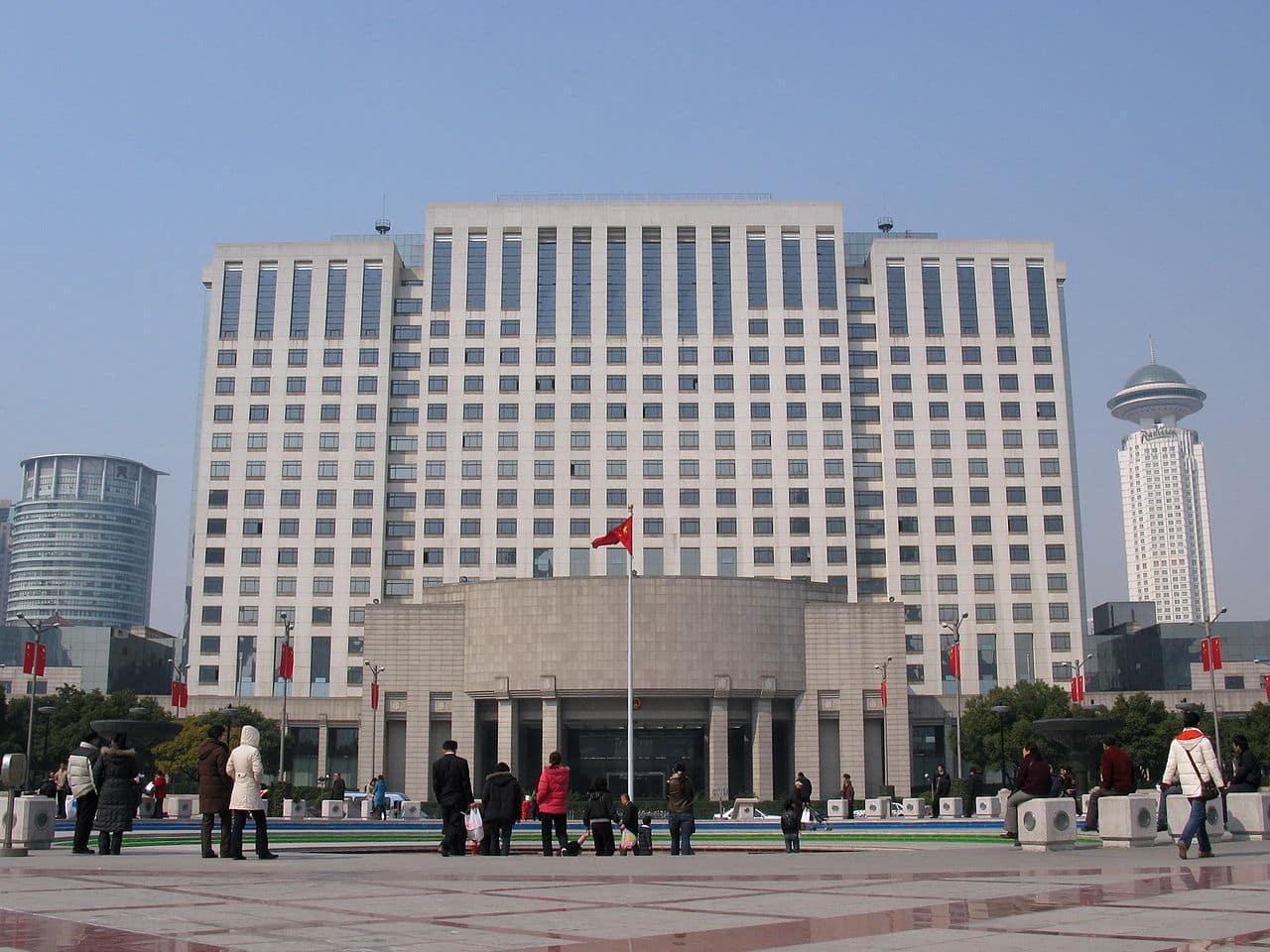
China’s influencer crackdown raises a question that reaches far beyond one country: who should be allowed to call themselves an expert online?
For years, social media blurred the line between entertainment and authority. A person with millions of followers could influence public behavior more than a licensed professional with decades of training. That shift created opportunity, but it also created danger.
China’s answer is strict: credentials first, platform second.
Whether the world sees that as protection or censorship depends on perspective. But one thing is clear. The era of fake experts casually building empires on risky advice is becoming harder to defend.
For influencers, the warning is simple. Confidence may get attention, but in China’s regulated digital economy, credentials now decide who gets to speak.