
Table of Contents
- The Return of a Legendary Narrator
- Blue Planet Changed Ocean Storytelling Forever
- The New Series Will Focus on Adaptation
- BBC Technology Will Go Deeper Than Before
- The Series Arrives at a Critical Moment
- Attenborough’s Voice Still Carries Moral Weight
- The Open University Adds Academic Depth
- The Release Is Expected in Late 2026
- Why Blue Planet III Could Matter More Than Ever
- A Historic Moment for Nature Television
The Return of a Legendary Narrator
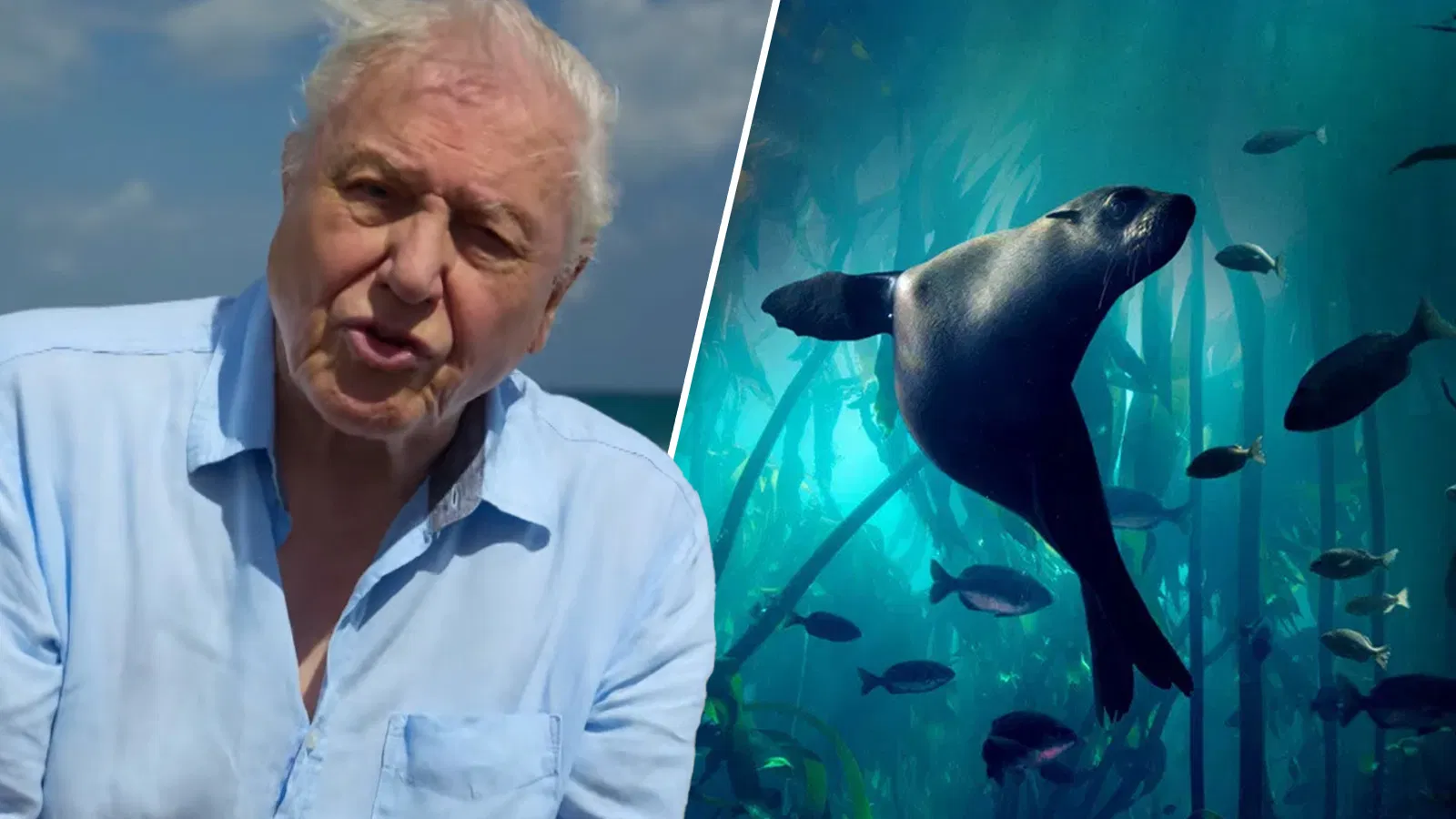
David Attenborough’s return is central to the excitement surrounding Blue Planet III.
Few narrators in television history carry the same emotional weight. His voice is instantly recognizable, not because it is loud or dramatic, but because it invites people to look closer. He has a way of making a tiny sea creature feel as important as a whale, and a coral reef feel as fragile as a living city.
That is why his return at 100 years old feels historic.
In an entertainment world dominated by fast content, short clips, and constant distraction, Attenborough represents something rare: patience, curiosity, and reverence. His narration does not simply explain nature. It helps people feel connected to it.
Blue Planet III will reportedly continue that tradition, using Attenborough’s voice to guide viewers through the beauty and danger of ocean life in a time of rapid environmental change.
Blue Planet Changed Ocean Storytelling Forever
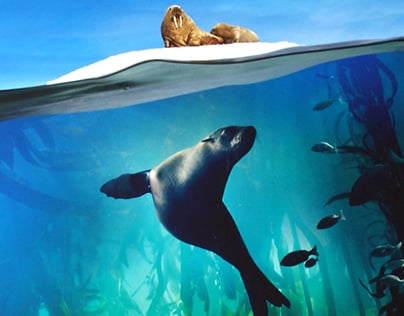
The original Blue Planet first aired in 2001 and changed how millions of people saw the ocean.
Before then, many viewers understood the sea mainly as a mysterious blue surface. The series pulled audiences beneath that surface and revealed a world of intelligence, survival, beauty, and violence. It showed deep sea creatures, coral ecosystems, hunting strategies, migration patterns, and the hidden drama of marine life.
The series became a landmark in natural history television because it made the ocean feel alive, complex, and emotionally powerful.
Blue Planet II later expanded that mission by focusing more directly on the damage humans were causing. Plastic pollution, overfishing, warming waters, and habitat destruction became central themes. The series did not only show wonder. It showed consequence.
That combination of beauty and warning helped spark global conversations about ocean protection and single-use plastics.
Blue Planet III now arrives in a world even more aware of environmental crisis, making its message more urgent than ever.
The New Series Will Focus on Adaptation
One of the most important themes expected in Blue Planet III is adaptation.
Marine life is facing enormous pressure from warming oceans, pollution, habitat loss, changing food chains, and human activity. But nature is not passive. Across the planet, animals are finding surprising ways to survive.
The new series is expected to explore how creatures adapt to changing environments, how ecosystems respond to stress, and how life continues even under difficult conditions.
This gives Blue Planet III a powerful emotional direction. It is not only about what is being lost. It is also about resilience.
That focus matters because audiences today are often overwhelmed by environmental news. Climate change, plastic waste, coral bleaching, and species decline can feel too large to process. A documentary like Blue Planet III can make those issues understandable by telling them through the lives of individual animals.
Instead of only showing statistics, it shows struggle, survival, and connection.
BBC Technology Will Go Deeper Than Before
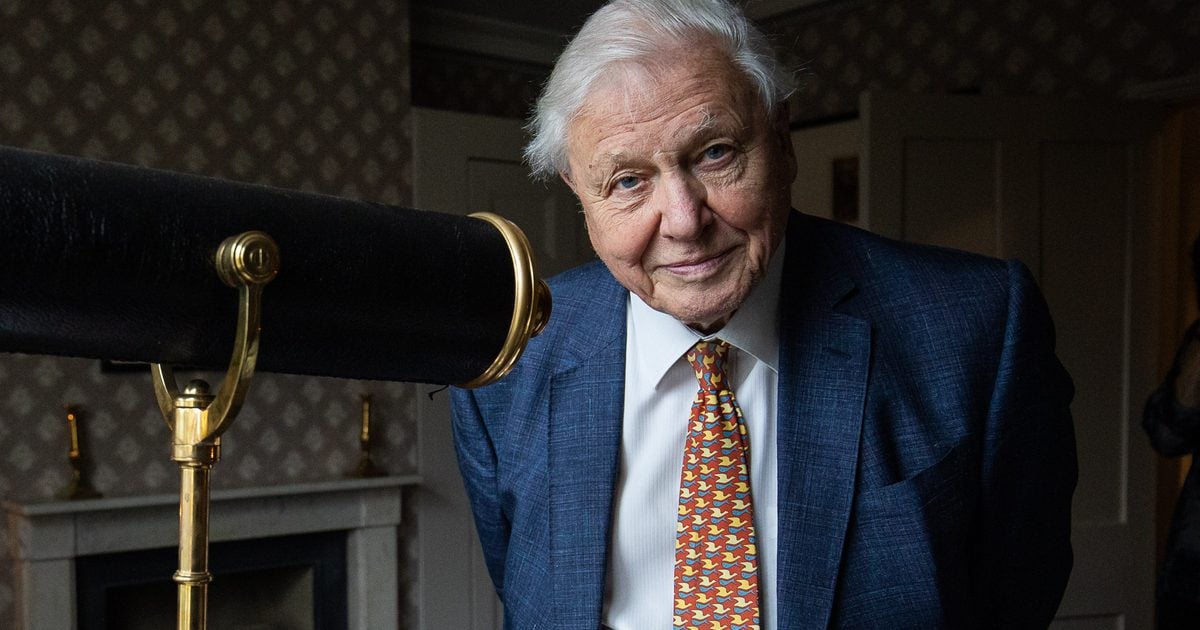
BBC natural history documentaries are famous for pushing filming technology forward.
Blue Planet III is expected to use advanced tools to capture ocean life in ways viewers have never seen before. Reports mention technology such as splash drones, long-term remote underwater cameras, and mini dome systems designed to reveal hidden marine behavior.
This matters because many of the ocean’s most important stories happen out of sight.
Some creatures live in remote waters. Others move only at night. Some behaviors are too delicate or rare to film using traditional methods. New technology allows filmmakers to wait longer, go deeper, and observe wildlife with less disturbance.
That means Blue Planet III may be able to capture scenes that would have been impossible during the first Blue Planet.
For viewers, this could create the same sense of awe that made earlier BBC documentaries unforgettable: the feeling that Earth still contains secrets we are only beginning to understand.
The Series Arrives at a Critical Moment
Blue Planet III is arriving at a time when the ocean is under intense pressure.
Rising temperatures are changing marine habitats. Coral reefs are suffering from bleaching events. Plastic pollution continues to enter rivers and seas. Many species are being pushed into new behaviors as their environments shift.
This gives the series more than entertainment value. It gives it cultural importance.
Natural history documentaries can shape public understanding in a way many reports cannot. They translate complex environmental issues into stories people can see and feel. A viewer may not remember every scientific detail, but they may remember a turtle caught in plastic, a whale struggling to feed, or a coral reef turning ghostly white.
That emotional memory can influence how people think about conservation.
This is one reason Blue Planet II became so influential. It helped make ocean pollution feel personal to millions of households.
Blue Planet III may now do the same for ocean adaptation and resilience.
Attenborough’s Voice Still Carries Moral Weight
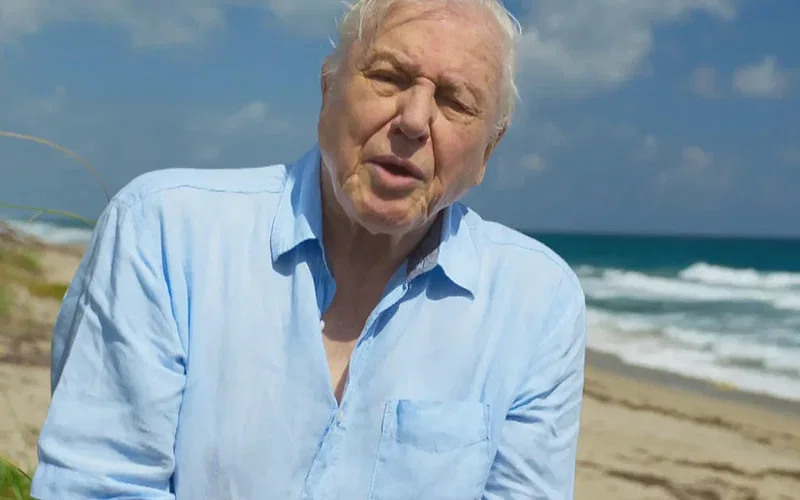
David Attenborough’s narration has always been more than beautiful sound.
Over time, his voice has become a kind of moral guide for environmental storytelling. He does not shout at audiences. He does not lecture in a harsh way. Instead, he calmly shows what is happening and allows the truth to land.
That style is powerful because it respects viewers.
When Attenborough speaks about nature, people listen because he has spent a lifetime earning trust. He has witnessed environmental change across decades. He has seen species decline, habitats disappear, and human awareness grow slowly.
His return to Blue Planet III gives the series a sense of continuity. The same voice that helped introduce viewers to the wonders of the ocean decades ago is now returning to explain what those oceans are becoming.
That makes the new series feel not only educational, but deeply emotional.
The Open University Adds Academic Depth
Blue Planet III is also expected to involve The Open University as a partner.
This partnership could help give the series a stronger educational foundation. BBC natural history documentaries often inspire viewers to learn more, and academic collaboration can help connect stunning visuals with clear scientific understanding.
That balance is important.
Beautiful footage can attract attention, but strong science gives the story meaning. Viewers need to understand not only what they are seeing, but why it matters.
By combining emotional storytelling, advanced filming, and academic insight, Blue Planet III has the potential to become both visually spectacular and intellectually valuable.
It can entertain families, educate students, and encourage public discussion about ocean conservation.
The Release Is Expected in Late 2026
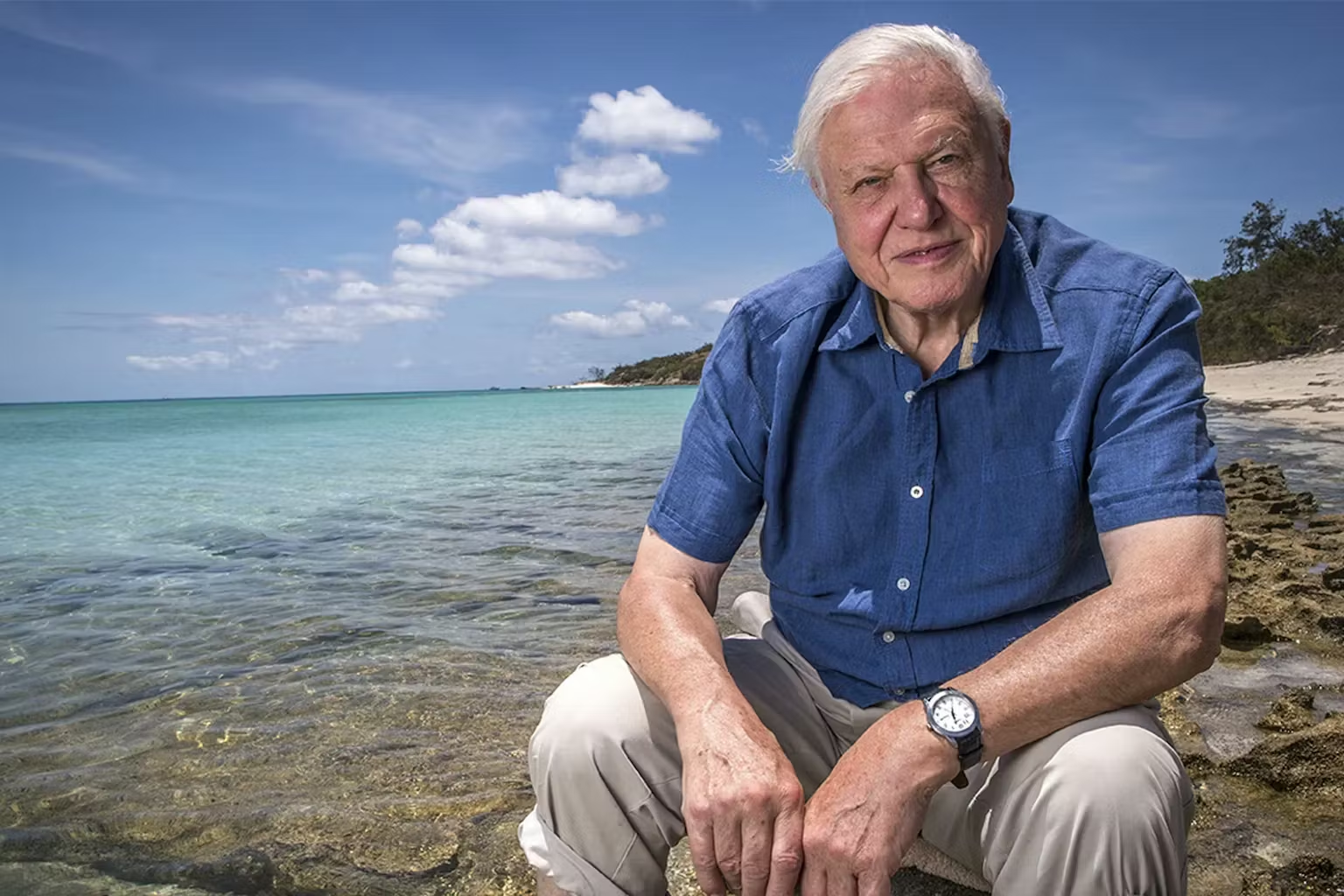
An exact premiere date has not yet been announced, but Blue Planet III is expected to be released toward the end of 2026.
BBC Studios has reportedly begun international pre-sales, which suggests the series is being positioned as a major global television event. That is not surprising. The Blue Planet name carries enormous prestige, and Attenborough’s return makes the project even more significant.
Natural history documentaries have become global events because they speak across language, culture, and politics. Everyone lives on the same planet. Everyone depends on healthy oceans, whether they realize it or not.
That universal appeal is one reason Blue Planet III could reach audiences far beyond traditional documentary fans.
It is not only a show for nature lovers. It is a reminder of the world people live in and the responsibility humans carry.
Why Blue Planet III Could Matter More Than Ever
The timing of Blue Planet III feels especially important because people are consuming information differently than ever before.
Many viewers are tired of negative headlines. Others feel overwhelmed by environmental warnings. Some avoid climate-related stories altogether because they feel hopeless.
A series like Blue Planet III can break through that fatigue by using wonder as the doorway.
Instead of beginning with fear, it begins with beauty. It shows the intelligence of marine animals, the mystery of deep waters, and the delicate balance of ocean ecosystems. Then, once viewers care, it reveals the threats.
That structure can be more effective than simply presenting disaster.
People often protect what they love. Blue Planet III has the chance to help millions fall in love with the ocean again.
A Historic Moment for Nature Television
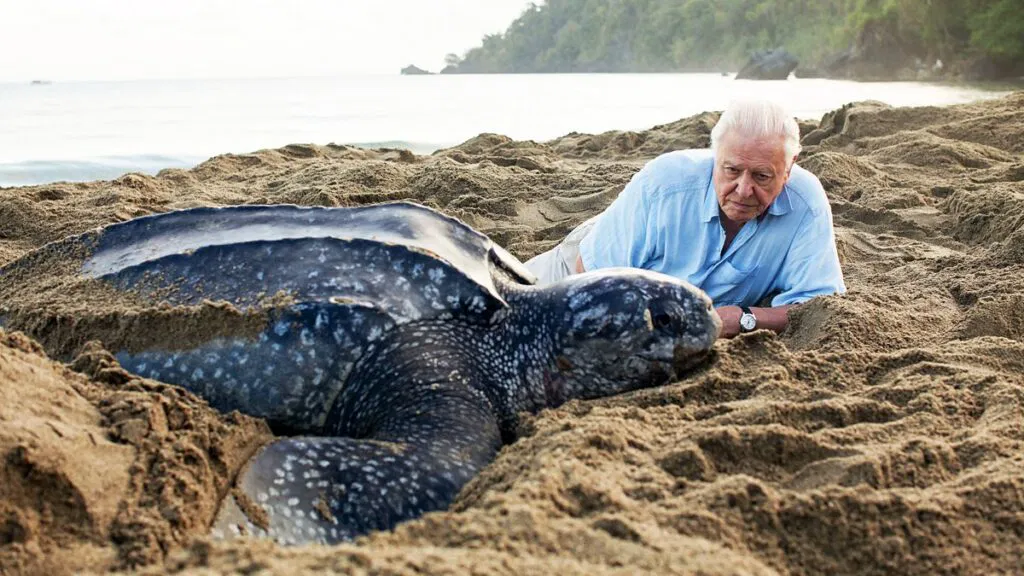
David Attenborough’s return to Blue Planet III is more than a casting announcement. It is a historic moment for television, environmental storytelling, and public awareness.
At 100 years old, Attenborough remains one of the most trusted voices in the world. His continued commitment to nature documentaries is extraordinary, not only because of his age, but because of the consistency of his mission.
He has spent his life helping humans see the natural world as something precious, complex, and deeply connected to our survival.
Blue Planet III now carries that mission into a new era.
The series will likely celebrate ocean life, but it will also ask viewers to face uncomfortable truths about the planet’s future. It will show resilience, but also fragility. It will reveal beauty, but also consequences.
And with Attenborough’s voice guiding the journey, the message may feel more powerful than ever.
In a world where attention moves quickly and environmental problems grow more urgent, Blue Planet III could become more than a documentary. It could become a reminder that the ocean is not distant, silent, or separate from us.
It is alive. It is changing. And once again, David Attenborough is returning to help the world listen.