
Table of Contents
- How the Tragedy Began
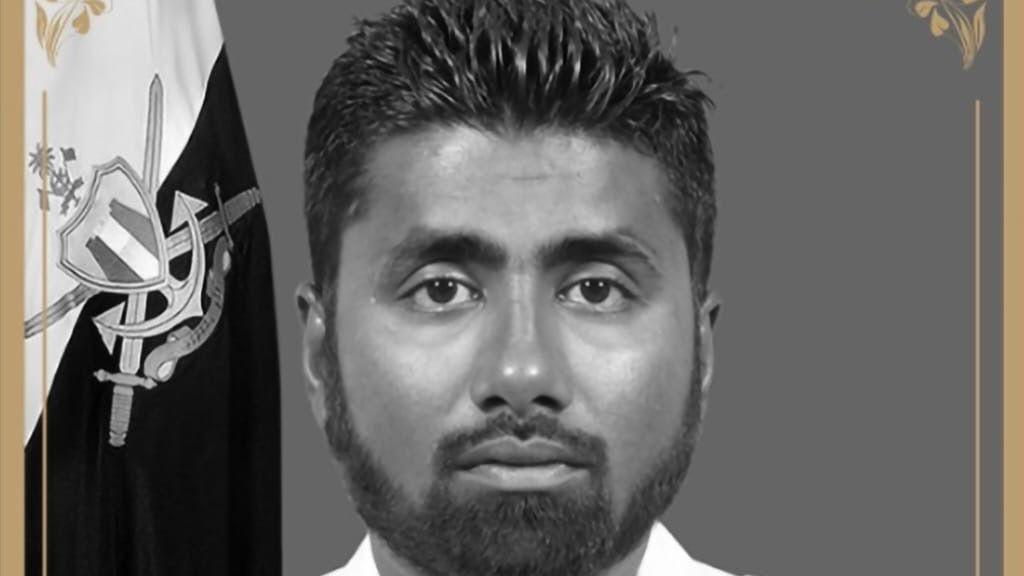
- The Death of Coast Guard Diver Mohammed Mahdi
- Why Underwater Cave Diving Is So Dangerous
- The Five Italian Victims
- The GoPro Camera That Could Explain Everything
- Questions Surround Rescue Delays
- Why Weather Conditions Made Recovery Even Harder
- Why the Story Shocked the Diving Community
- The Hidden Risks Behind Paradise Tourism
- The Emotional Toll on Families and Survivors
- What Happens Next?
How the Tragedy Began
The disaster unfolded during what was reportedly a cave diving expedition involving researchers, marine biologists, instructors, and university affiliates traveling aboard the luxury yacht Duke of York.
The group disappeared Thursday morning after entering underwater cave systems in the Vaavu Atoll region of the Maldives. According to reports, the divers descended approximately 200 feet below the surface but never resurfaced.
Witnesses onboard the vessel later described the terrifying moment they realized something had gone wrong.
“We didn’t see them resurfacing. No balloon opened,” one person reportedly said. “That’s when we realized something was wrong and immediately raised the alarm.”
The disappearance triggered a major search and recovery operation involving Maldivian authorities, military divers, and emergency response teams.
But the rescue effort itself quickly became extraordinarily dangerous.
The Death of Coast Guard Diver Mohammed Mahdi
On the third day of recovery operations, tragedy struck again.
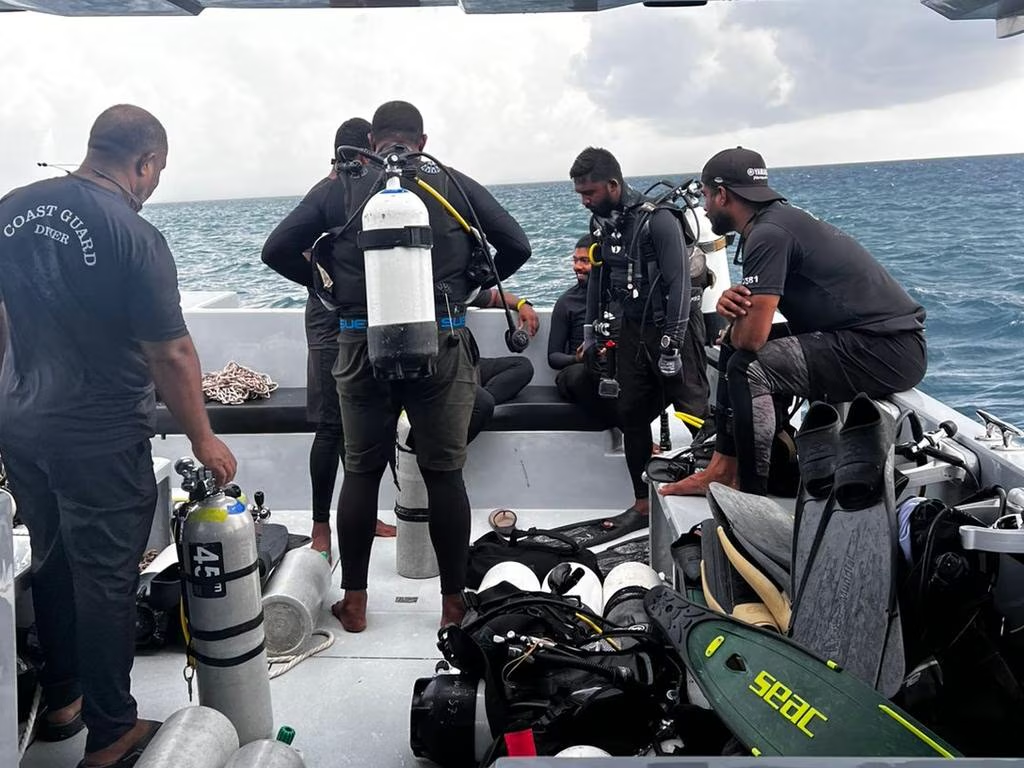
Sergeant Major Mohammed Mahdi, a member of the Maldivian Coast Guard recovery team, reportedly became ill during underwater operations and was rushed to hospital. Authorities later confirmed he died from what officials described as underwater decompression sickness.
Decompression sickness, sometimes called “the bends,” occurs when dissolved gases form bubbles inside the body due to rapid pressure changes during ascent from deep underwater dives. The condition can cause severe pain, neurological damage, organ failure, and death if not treated quickly and correctly.
Mahdi’s death highlights the extreme risks rescue divers face when operating in deep underwater cave environments.
The Maldivian military later paid tribute to him publicly, praising his courage and sacrifice during the dangerous mission.
“His courage, sacrifice, and service to the nation will always be remembered,” the military said in a statement.
His death transformed the operation from a recovery mission into an even larger national tragedy.
Why Underwater Cave Diving Is So Dangerous
Even among experienced divers, cave diving is widely considered one of the most dangerous forms of underwater exploration.
Unlike open-water diving, underwater caves create confined environments where visibility can disappear instantly, navigation becomes difficult, and direct access to the surface may be impossible.
At depths approaching 200 feet, risks increase dramatically.
Divers must carefully manage oxygen supplies, decompression timing, navigation routes, communication, and emergency contingencies. A single equipment failure, navigation mistake, panic response, or unexpected environmental change can rapidly become fatal.
Cave systems can also contain narrow passages, strong currents, disorienting sediment clouds, and complex tunnel structures that make rescue operations extraordinarily difficult.
This is why even highly trained rescue teams face major danger when attempting recovery missions in underwater cave environments.
The death of Mahdi underscores just how hazardous the Maldives recovery operation has become.
The Five Italian Victims
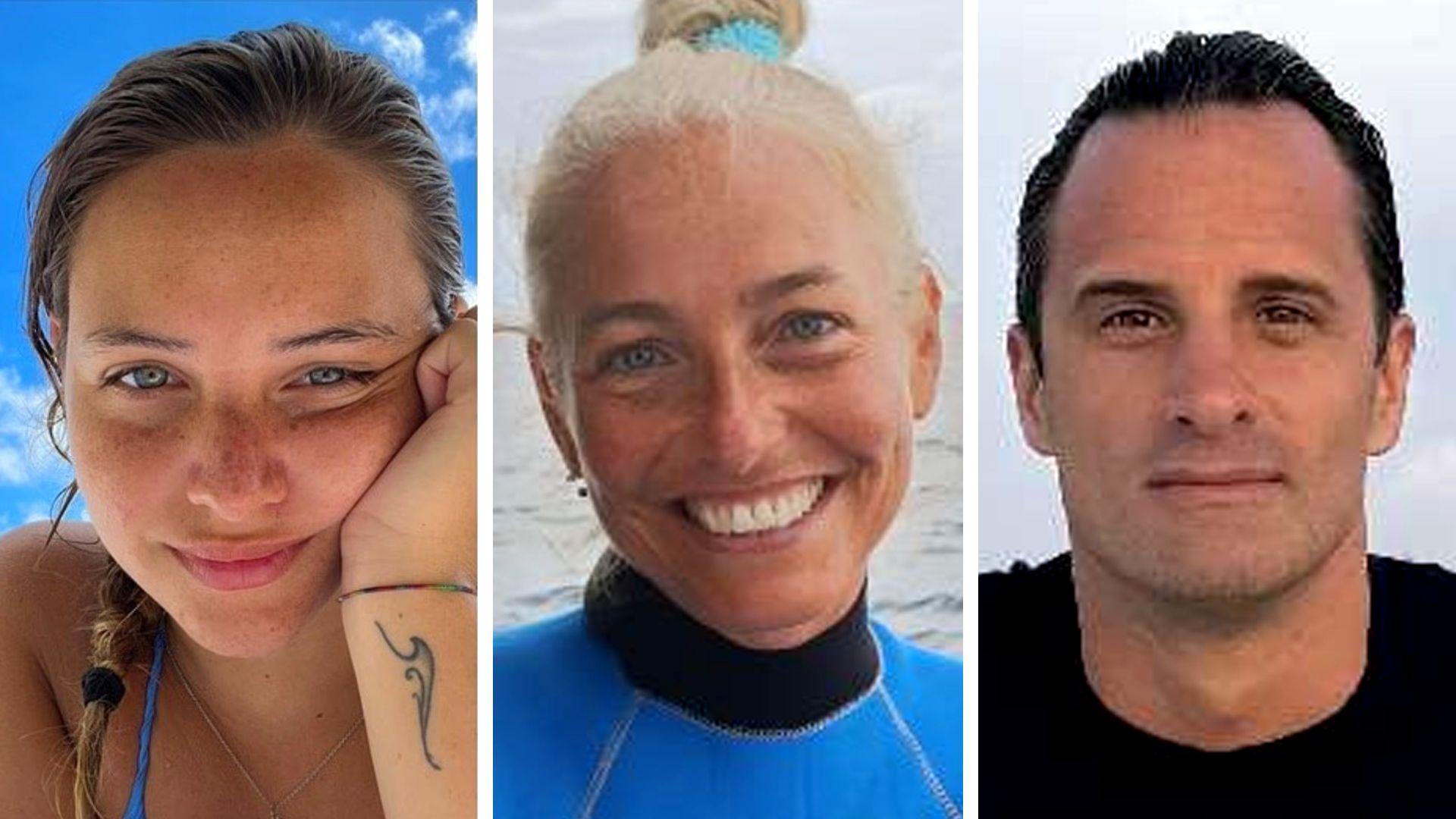
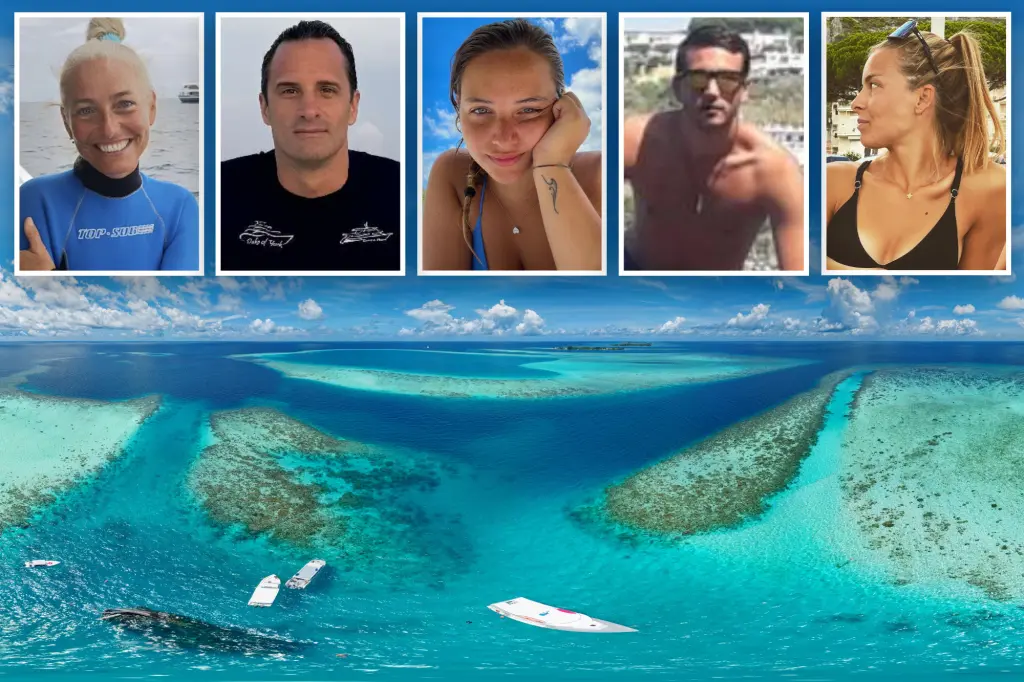
Authorities identified the missing Italian divers as a group of highly experienced professionals connected to marine science and diving instruction.
Among them were respected marine biology professor Monica Montefalcone, her daughter Giorgia Sommacal, researcher Muriel Oddenino, marine biologist Federico Gualtieri, and experienced diving instructor and boat captain Gianluca Benedetti.
The victims reportedly had extensive diving experience, making the disaster even more shocking to colleagues and family members.
According to reports, Benedetti’s body was discovered Thursday evening alongside an empty oxygen tank.
Family members of the victims have since begun speaking publicly about the tragedy, struggling to understand how such experienced divers could disappear inside the underwater caves.
For many loved ones, the incident feels almost impossible to comprehend.
The GoPro Camera That Could Explain Everything
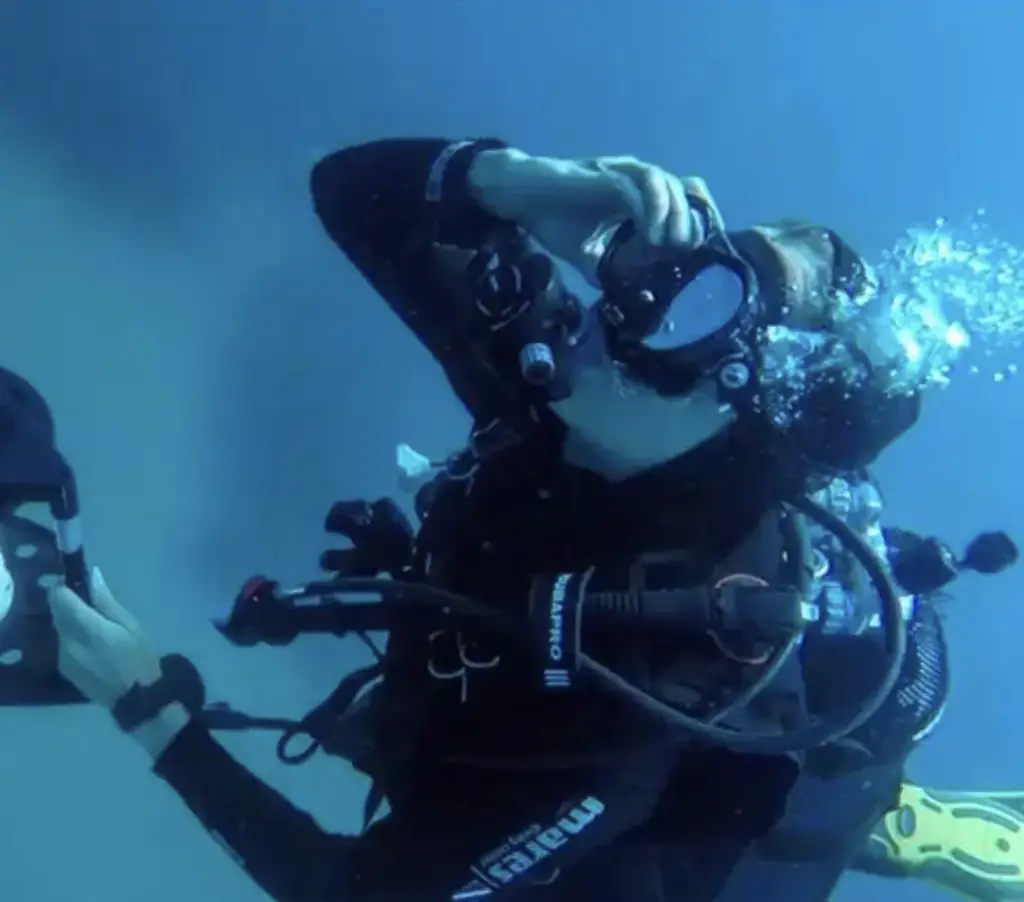
One detail has captured particular public attention: the possible existence of a GoPro camera carried by one of the victims.
Carlo Sommacal, husband of Monica Montefalcone and father of Giorgia Sommacal, reportedly told Italian media that his wife usually brought a GoPro camera during dives.
He hopes investigators can locate the device.
“If they find it, maybe from there we can understand what happened,” he reportedly said.
Underwater cameras have previously played crucial roles in reconstructing diving accidents, aviation crashes, and maritime disasters. Video footage can sometimes reveal equipment failures, environmental hazards, disorientation, oxygen problems, or medical emergencies during final moments before tragedy strikes.
For grieving families, the GoPro represents more than evidence. It represents the possibility of answers.
Without understanding what happened beneath the surface, speculation and uncertainty continue haunting everyone connected to the expedition.
Questions Surround Rescue Delays
The tragedy has also raised questions about response times and logistical challenges in the Maldives.
Some individuals onboard the yacht reportedly claimed rescue crews did not arrive until nearly three hours after the alarm was raised.
Others defended the response, pointing to the unique geography of the Maldives itself.
“The Maldives are huge, the atolls are very distant from each other, and rescuers arrive here by sea,” one person reportedly explained. “It can take hours.”
The Maldives consists of widely scattered island chains spread across enormous ocean distances, creating logistical challenges during maritime emergencies.
Even with trained response teams available, reaching remote dive locations can take significant time, especially during rough weather conditions.
Authorities have not publicly indicated whether delays contributed to the deaths, but the timeline will likely become part of the broader investigation.
Why Weather Conditions Made Recovery Even Harder
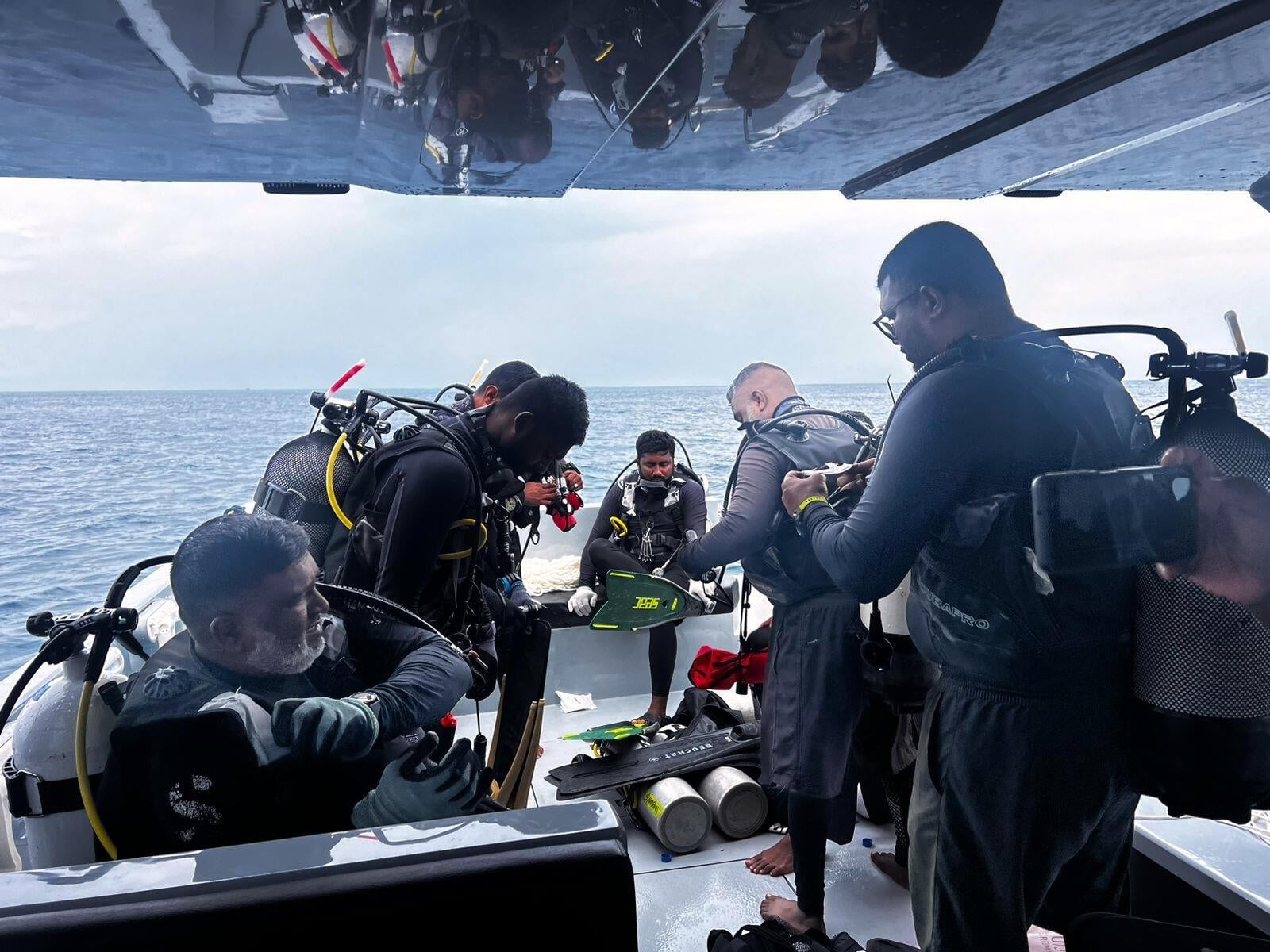
Recovery operations reportedly faced additional complications due to severe weather conditions in the area.
Italy’s foreign ministry confirmed that poor weather temporarily forced search operations to stop before divers later resumed efforts.
Underwater cave recovery missions already rank among the most difficult rescue operations in the world. Poor visibility, strong currents, rough seas, and changing weather conditions make such missions exponentially more dangerous.
According to official statements, teams of Maldivian divers have been working in rotating shifts to identify cave entrances, map underwater pathways, and attempt body recovery operations.
The combination of deep diving, confined spaces, and unpredictable environmental conditions has turned every phase of the operation into a high-risk undertaking.
Why the Story Shocked the Diving Community
The international diving community has reacted strongly to the tragedy because the victims were not inexperienced tourists casually attempting risky dives.
Several victims were accomplished marine researchers, instructors, and professionals deeply familiar with underwater environments.
That reality makes the incident especially unsettling for experienced divers around the world.
If such skilled individuals could disappear during a dive, many professionals believe the circumstances beneath the surface must have been severe or highly unusual.
Experts say several possible scenarios could explain the tragedy, including equipment malfunction, disorientation within cave systems, oxygen management failures, current shifts, or a medical emergency involving one diver that triggered a cascading crisis for the group.
At this stage, however, authorities have not officially confirmed what happened.
The missing GoPro footage may ultimately become one of the most important pieces of evidence in understanding the disaster.
The Hidden Risks Behind Paradise Tourism
The Maldives is globally associated with luxury tourism, crystal-clear water, coral reefs, and dreamlike tropical beauty.
But beneath those postcard-perfect images lies an environment capable of extreme danger.
Advanced diving tourism has become increasingly popular in the Maldives, attracting experienced divers eager to explore deep reefs, underwater caves, shipwrecks, and marine ecosystems.
While most dives occur safely, underwater exploration always carries significant risk, especially in technical diving environments involving depth and confined spaces.
The tragedy serves as a reminder that even elite diving destinations can quickly become deadly under the wrong conditions.
For many travelers, the Maldives represents escape and relaxation. For rescue teams now navigating dangerous underwater caves in search of answers, it has become a site of mourning and immense physical danger.
The Emotional Toll on Families and Survivors
Beyond the technical investigation, the emotional impact of the tragedy continues spreading across Italy and the Maldives.
Family members of the victims are now confronting unimaginable grief while also waiting for clarity regarding the final moments of their loved ones.
The presence of university researchers and students aboard the expedition vessel has added another emotional dimension to the disaster. Many onboard reportedly knew the victims personally and witnessed the terrifying realization that something had gone wrong beneath the surface.
Meanwhile, the death of Mohammed Mahdi has deeply affected Maldivian rescue personnel and the wider community.
Rescue operations often place responders in life-threatening situations, but public attention rarely focuses on the personal risks faced by those attempting to save or recover others.
Mahdi’s death reminds the world that tragedies like this do not only claim initial victims. They can also endanger those trying to help.
What Happens Next?
Investigators now face the difficult task of reconstructing exactly what occurred inside the underwater cave systems.
Recovery teams continue searching for bodies, equipment, and potentially the missing GoPro camera that families hope may provide answers.
Authorities are also likely to examine the operational procedures surrounding the dive expedition itself, including planning, equipment protocols, weather conditions, emergency readiness, and communication systems.
At the same time, the tragedy may prompt wider discussions within the diving industry regarding cave exploration safety, deep-water tourism regulations, and rescue preparedness in remote locations.
For now, however, the focus remains on recovery and mourning.
What began as an expedition among experienced marine experts has ended in devastating loss involving multiple nations, grieving families, and a rescue diver who died trying to bring others home.
And somewhere beneath the waters of the Maldives, investigators still hope a small camera may eventually reveal the final moments that turned a scientific diving mission into an international tragedy.