
Table of Contents
- What the New Report Found
- Behind the Numbers: Why It’s Hard to Track
- ProPublica’s Conservative Estimate
- The Changing Face of Family Separation
- Personal Stories of Disruption
- Government Response and Policy Shifts
- Broader Social and Psychological Impacts on Children
- Legal and Advocacy Responses
- What This Means for the Future
- Persistent Questions and Data Gaps
- Conclusion
What the New Report Found
At the heart of the Brookings Institution’s analysis is an estimate that roughly 200000 children have had a parent detained in immigration actions since early 2025, with approximately 145000 of those being U.S citizens. These figures, generated through a combination of census data and detention records, stand in stark contrast to the sparse official data released by the Department of Homeland Security and underscore a severe lack of formal accounting for family relationships in immigration enforcement.
Brookings researchers arrived at this estimate through an indirect approach. Because immigration enforcement data rarely includes reliable records of parental status, Brookings economists used demographic modeling and household composition data from the U.S Census Bureau. By identifying the typical number of children per adult in specific immigrant communities and cross‑referencing that with known detention figures, researchers extrapolated the likely number of children affected. The result: a far larger population of affected youth than previously acknowledged in public debates.
Behind the Numbers: Why It’s Hard to Track
One of the most startling revelations of the Brookings report is how little the federal government officially knows about family separations tied to interior detentions. Unlike previous policies that explicitly separated children at the border, current enforcement practices do not mandate tracking of family units once parents are detained away from the border regions. Immigration agencies such as Immigration and Customs Enforcement (ICE) simply do not maintain detailed or centralized records on whether detainees are parents of U.S citizen children.
This lack of data stems in part from policy and administrative design. Interior immigration enforcement prioritizes arrest and removal based on criminal or civil immigration violations, with less emphasis on social and familial context. As a result, many parents may be picked up in community sweeps, workplace raids, or even routine traffic stops, with little to no official recording of their family circumstances. The Brookings team describes this as a systemic blind spot — one with profound implications for public understanding and policy.
ProPublica’s Conservative Estimate
While Brookings relied on demographic modeling, nonprofit news outlet ProPublica took a different approach. Working from government data obtained through a public records lawsuit by the University of Washington, ProPublica counted at least 11000 American children who had a parent detained in just the first seven months of Trump’s second term. This methodology, anchored in self‑reported family status from detainees, produced a more conservative figure, but one still significantly higher than previously acknowledged.
Crucially, even this conservative tally is likely an undercount. Government datasets rely on detainees voluntarily reporting their parental status — a disclosure many immigrants may avoid out of fear, shame, or uncertainty about how the information will be used. In some cases, ICE officers do not consistently ask about family ties, and when they do, fear of repercussions may lead parents to withhold truthful disclosure. ProPublica’s investigation documented multiple instances of detained parents who did not disclose their children’s status until after the fact, suggesting that official tallies are capturing only a fraction of the true human impact.
The Changing Face of Family Separation

For many Americans, the phrase family separation evokes images from the Trump administration’s earlier “zero tolerance” border policy, where parents and children were physically separated at the southern border and ripped from each other with blunt legal authorization. Those policies drew international outrage, legal challenges, and eventual reversal amid intense public scrutiny.
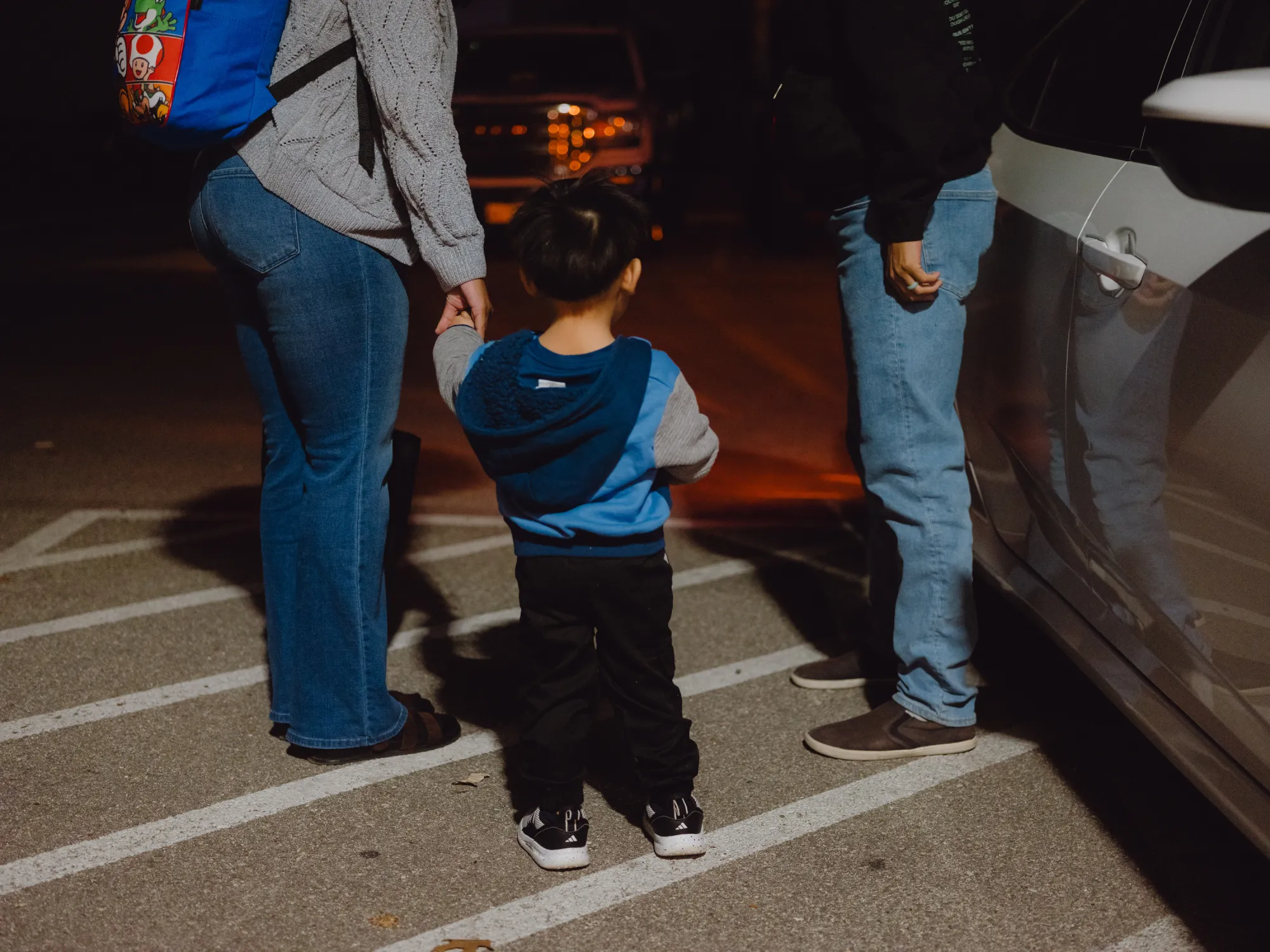
What Brookings and ProPublica are now documenting, however, is subtler and more dispersed. Families are not always separated at the border; they are being torn apart in their own communities, in the parking lots of grocery stores, on street corners, and at workplaces. These are parents who have deep roots in their neighborhoods, whose children attend U.S public schools, and whose only “offense” may be immigration status. The distance from high profile border imagery can make these stories easier to overlook but no less consequential.
Personal Stories of Disruption
Central to both the Brookings report and ProPublica’s reporting are individual family stories that bring the numbers to life. One such case involves a mother from Honduras, separated from her breastfeeding infant and her eight year old daughter after an ICE raid. With both parents detained simultaneously, the family faced an urgent and chaotic scramble to find stable care for the children. In this instance, the local pastor became the emergency guardian, highlighting how community networks often absorb the immediate fallout when formal systems fail.
Other families documented by ProPublica include single parents whose arrests left children in the care of siblings, grandparents, or in some cases, in temporary foster care arrangements pending legal outcomes. These narratives underscore not only the emotional impact of separation — anxiety, uncertainty, trauma — but also practical challenges such as housing, schooling, financial instability, and access to healthcare.
Government Response and Policy Shifts
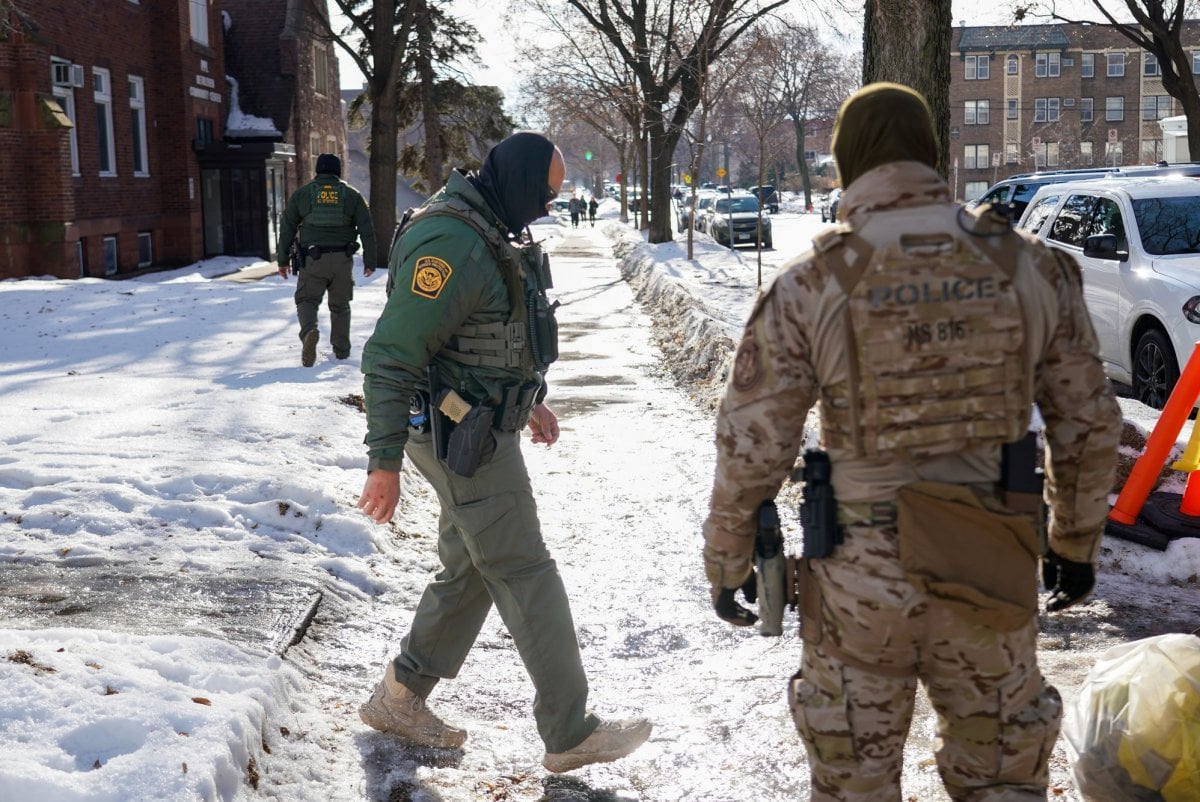
In response to the Brookings report and ensuing media attention, the Department of Homeland Security has reiterated its official stance: that the agency does not have a policy of separating families. DHS statements emphasize that parents are given the option to be deported with their children or to designate a caregiver if they choose not to travel with them. This messaging aligns with prior administration language and seeks to draw a clear distinction between official policy and incidental consequences of enforcement.
However, critics argue that this framing obscures the reality on the ground. They note that choices presented in the context of enforcement are not truly voluntary in practice. For many detained parents, signing forms or making decisions under duress is hardly a meaningful expression of agency. Moreover, policy changes within ICE have shifted internal guidance on parental handling. The directive previously known as the Parental Interests Directive has been retitled the Detained Parents Directive, with the term “humane” removed from its preamble. While bureaucratic in appearance, this change reflects a shift in institutional priorities away from family welfare considerations.
Broader Social and Psychological Impacts on Children
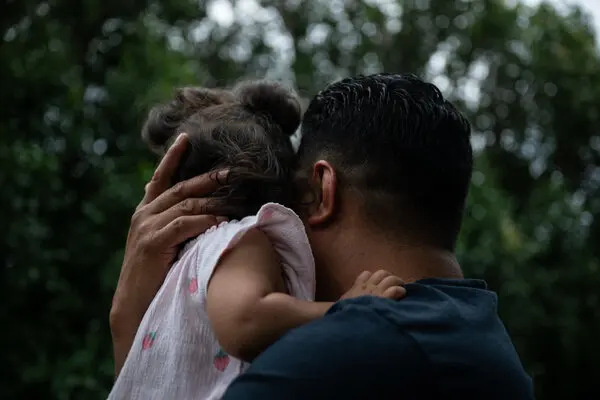
Beyond the immediate logistics of care, the separation of children from detained parents carries deep psychological and social consequences. Research in developmental psychology and family studies shows that sudden parental absence — particularly when accompanied by fear and uncertainty — can lead to long term trauma, behavioral health issues, and disruptions in academic performance and social development.
Children separated from parents may experience anxiety, sleep disturbances, depression, and difficulties forming secure attachments. These outcomes are compounded when separations occur without clear communication or contingency planning. Even children who are cared for by extended family members can suffer emotional distress due to loss of routine, financial insecurity, and stigma. For U.S citizen children, the experience can also provoke confusion about belonging and safety in the country they legally call home.
Legal and Advocacy Responses
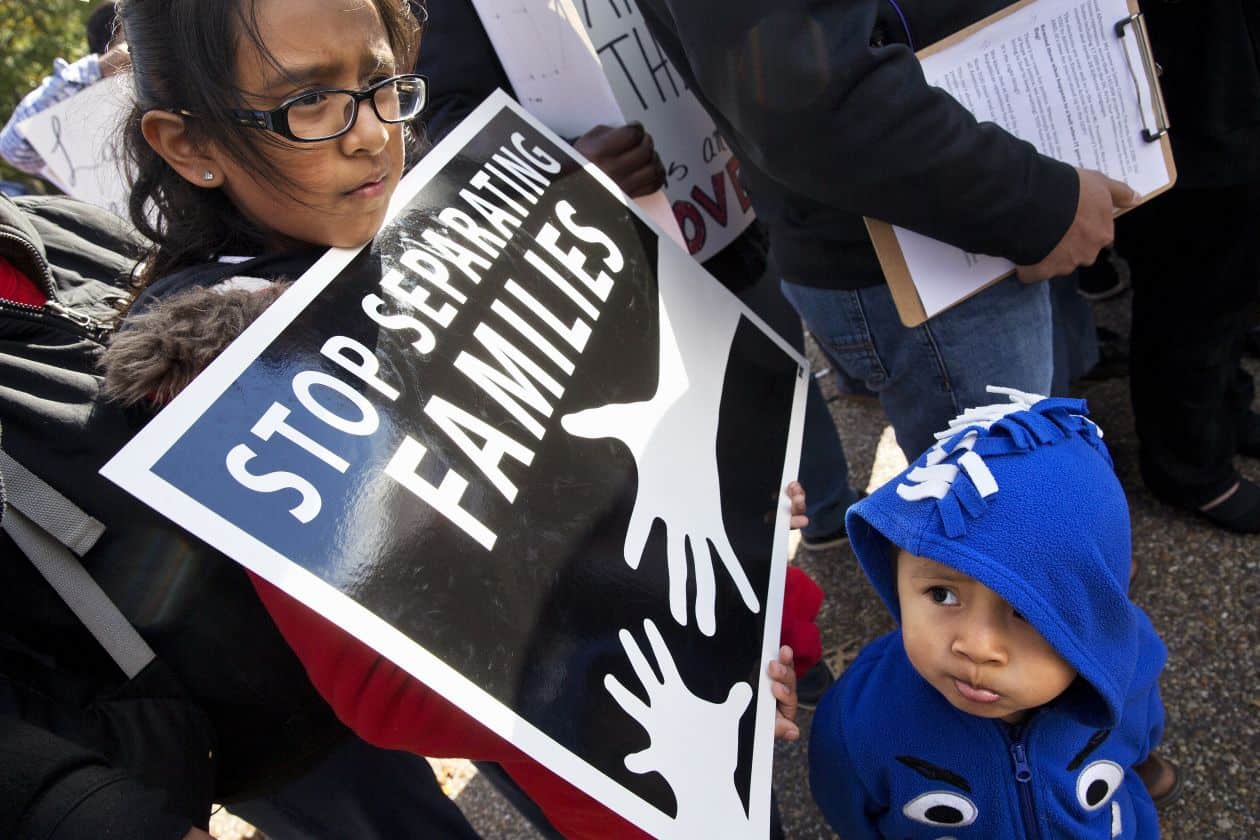
In response to these emerging findings, legal advocates and immigrant rights groups are stepping up efforts to document and address family separation in the interior enforcement context. Organizations such as the American Civil Liberties Union, the National Immigration Law Center, and grassroots community alliances are calling for greater transparency, systematic tracking of parental status, and policy reforms that prioritize family unity.
Some advocates propose legislative measures that would require ICE to record and publicly report the parental status of detainees, or to establish guardianship support networks to prevent unnecessary child displacement. Others are pushing for changes to enforcement priorities that would exempt parents of U.S citizen children from certain detention protocols, or for the expansion of humanitarian relief pathways that reduce the need for enforcement interventions in family settings.
What This Means for the Future
The Brookings report’s estimates — whether at the lower bound or higher end of the range — raise urgent questions about the true cost of immigration enforcement on American families. It challenges policymakers, communities, and the public to grapple not only with border security and legal status issues, but also with the human toll of policy decisions that reverberate far beyond courtrooms and detention facilities.
At a moment when immigration remains one of the most contentious debates in U.S politics, the intersection of enforcement and family stability is likely to grow in prominence. Lawmakers and advocates on both sides of the aisle may find themselves under increasing pressure to address the unintended consequences of interior detentions and to craft solutions that balance legal enforcement with the welfare of children.
Persistent Questions and Data Gaps
Perhaps the most striking takeaway from the Brookings and ProPublica analyses is how much remains unknown. Without robust government tracking of parental status in immigration records, all estimates — whether statistical models or conservative counts — are ultimately approximations. Researchers and advocates are left to fill the gaps with indirect methods, community surveys, and investigative reporting.
This lack of clarity underscores the need for systematic data collection that acknowledges family relationships as a central component of immigration enforcement. As Tara Watson, one of the Brookings report’s authors, noted in interviews, better data is not just a matter of transparency but also a determinant of child health and wellbeing. Knowing how many children are affected, where they live, and what support systems they have is essential to crafting sound social policy and preventing future harm.
Conclusion
The emerging picture painted by the Brookings report is one of a deeply rooted but largely unseen crisis. More than 100000 American children — and potentially many more — have lived through the sudden detention of a parent in immigration sweeps that extend far beyond the southern border. These separations are not the result of highly publicized policies at official crossing points; they occur in the fabric of everyday American life and affect children in classrooms, playgrounds, and family homes from coast to coast.
As this story continues to evolve, the question for the nation is not just about how many children are affected but how to reconcile enforcement priorities with the fundamental wellbeing of families. At stake are not abstract policy debates but the emotional security, educational futures, and sense of belonging of children who are, by law and by experience, American.