
Table of Contents
- Mark Zuckerberg Announces the New Messenger Feature
- The Feature Builds on Messenger’s Vanish Mode
- Why Screenshot Notifications Matter So Much
- Messenger Is Following a Broader Industry Trend
- Social Media Users Had Mixed Reactions
- End to End Encryption Is Becoming Central to Meta’s Strategy
- The Psychology Behind Disappearing Messages
- Privacy Features Are Becoming Competitive Weapons
- Critics Say True Privacy Still Does Not Exist
- Meta’s Update Reflects a Bigger Internet Shift
- What This Could Mean for the Future of Messaging
Mark Zuckerberg Announces the New Messenger Feature
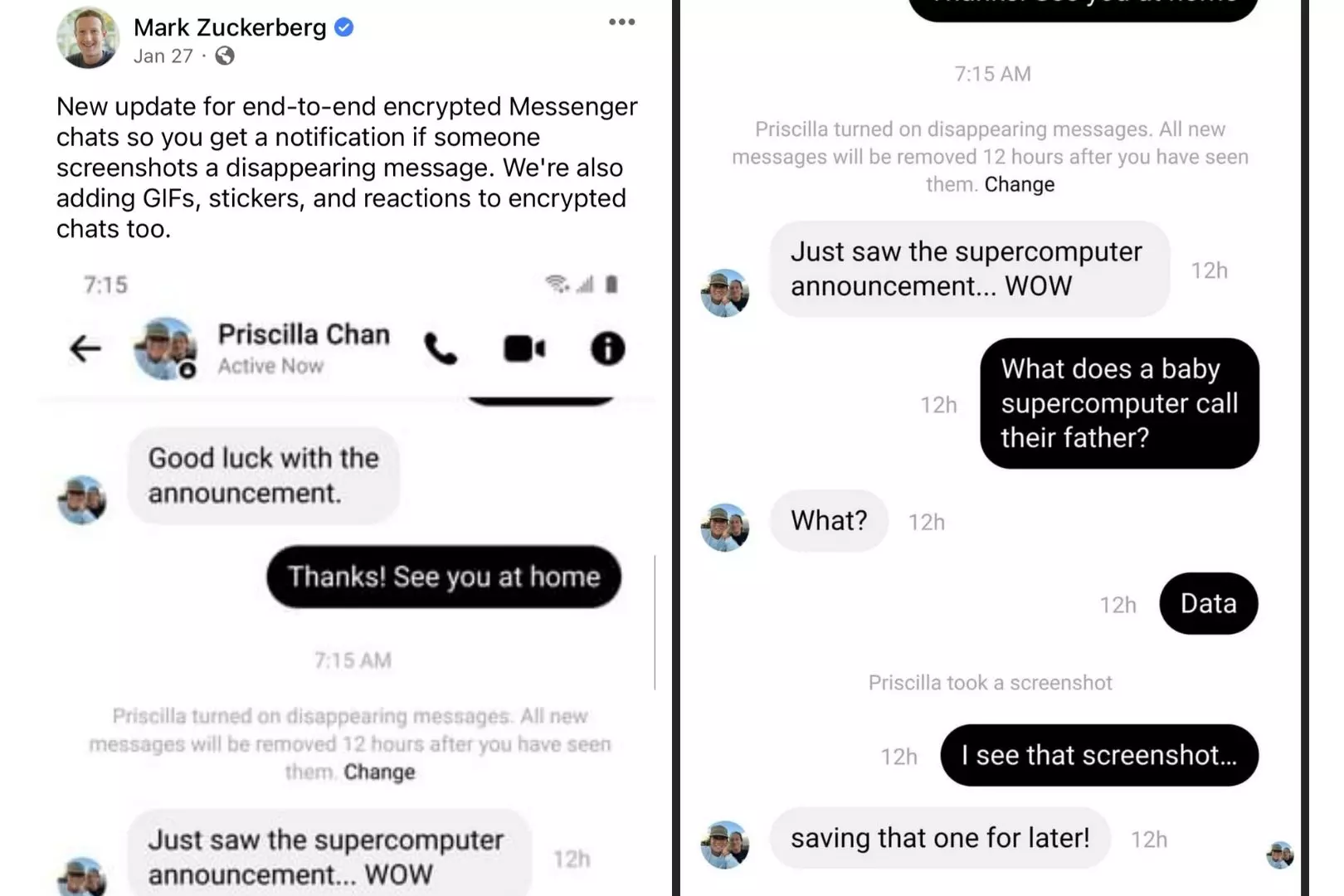
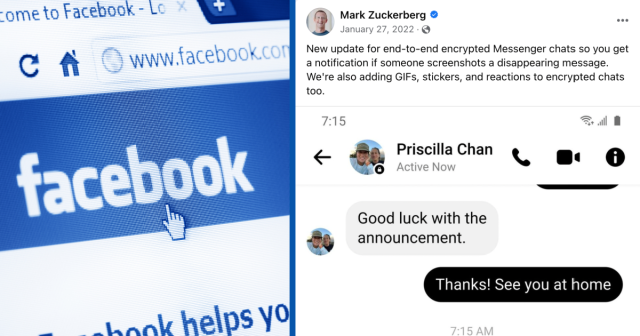
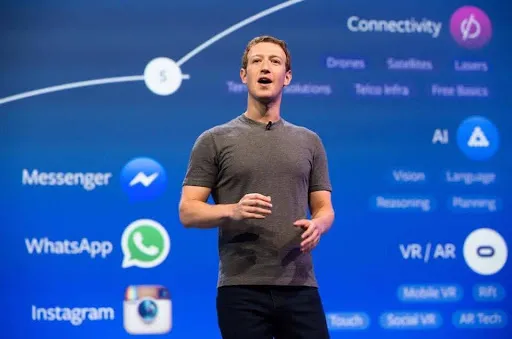
The announcement came directly from Mark Zuckerberg through a Facebook post where he explained that Messenger’s disappearing message system would now include screenshot notifications.
According to Zuckerberg, the feature applies specifically to end to end encrypted chats using disappearing messages.
He wrote that users would receive a notification if somebody screenshots one of their vanishing messages. At the same time, Meta also announced additional upgrades to encrypted chats, including support for GIFs, stickers, and reactions.
To demonstrate the feature, Zuckerberg shared an example conversation between himself and his wife, Priscilla Chan.
The update quickly spread across social media platforms, with users debating whether the feature represented an important privacy breakthrough or an unnecessary intrusion into normal messaging behavior.
Within hours, screenshots of the announcement itself ironically began circulating online.
The Feature Builds on Messenger’s Vanish Mode

The screenshot notification system is connected to Messenger’s disappearing message feature known as Vanish Mode.
Meta originally introduced Vanish Mode in 2020 as part of a broader push toward privacy focused communication. The feature allows users to send messages that automatically disappear after being viewed or after a selected time period.
At the time, disappearing messages were already becoming increasingly popular across social media platforms, particularly among younger users who wanted conversations to feel more temporary and private.
Apps such as Snapchat had already popularized self deleting messages years earlier, especially among Gen Z audiences.
Meta later expanded disappearing message controls by allowing users to customize timers ranging from just a few seconds to as long as 24 hours.
The company explained that not every conversation needs to remain permanently stored forever.
That philosophy has become central to the growing shift toward more temporary digital communication.
Why Screenshot Notifications Matter So Much
At first glance, a screenshot alert may seem like a relatively small feature. But experts say it reflects a much larger transformation happening across social media platforms.
In the early years of messaging apps, users often assumed that private conversations would remain private unless someone intentionally copied or shared them.
But screenshots changed everything.
Today, screenshots can instantly preserve supposedly temporary moments forever. A disappearing message may vanish from the app itself, but a screenshot creates a permanent copy within seconds.
That reality has led to growing concerns about consent, trust, and digital boundaries.
Many users send disappearing messages believing the conversation will remain temporary. Screenshot notifications attempt to restore some level of accountability by informing users when somebody captures that content.
Supporters argue that this creates healthier expectations around privacy.
Critics, however, say the system does little to truly stop screenshots because people can still use another phone or camera to photograph the screen without triggering notifications.
Still, experts note that the psychological impact matters. Even if the system is imperfect, the awareness that screenshots can be detected may discourage casual violations of privacy.
Messenger Is Following a Broader Industry Trend
Meta’s move is not happening in isolation.
Over the past decade, messaging platforms have increasingly prioritized privacy features as user concerns over surveillance, data collection, and digital permanence continue growing.
Apps such as Snapchat already notify users when screenshots are taken inside disappearing conversations.
Meanwhile, encrypted messaging services like WhatsApp, Signal, and Telegram have all expanded privacy related tools in recent years.
The rise of disappearing content also reflects changing social behavior online.
Many younger users increasingly prefer communication that feels temporary, casual, and less publicly archived compared to traditional social media posting.
Instead of posting permanent updates visible to hundreds of people, users now often prefer short lived private interactions.
This shift has fundamentally changed how tech companies design messaging products.
Meta’s focus on encrypted chats and disappearing messages suggests the company sees privacy centered communication as one of the future foundations of social media.
Social Media Users Had Mixed Reactions
As expected, internet reactions quickly became chaotic.
Some users praised the feature for helping people protect private conversations from being secretly archived and shared.
Others responded with humor.
One person joked that they wished the feature had existed years earlier to stop embarrassing late night messages from being screenshotted.
Another sarcastically thanked Zuckerberg for preventing users from humiliating themselves online.
But not everybody supported the idea.
Critics questioned the practical value of notifying users after a screenshot has already happened.
Others mocked the update by describing Messenger as a “snitch” application.
Several users also argued that the feature would not meaningfully improve privacy because screenshots can still be bypassed through external devices.
The debate revealed something deeper about internet culture itself.
People increasingly live inside digital conversations that blur the line between public and private communication. Screenshots have become both social currency and potential weapons.
As a result, even small platform changes can trigger major discussions about trust and surveillance.
End to End Encryption Is Becoming Central to Meta’s Strategy
One of the most important details in the update is that it specifically applies to end to end encrypted chats.
End to end encryption means messages are designed so that only the sender and recipient can read them. Even the platform itself theoretically cannot access the content during transmission.
Meta has spent years gradually expanding encryption features across its messaging ecosystem.
This shift partly emerged after widespread criticism surrounding privacy scandals and concerns over user data protection.
By strengthening encryption systems, Meta hopes to reassure users that private conversations remain secure.
However, encrypted messaging has also generated controversy among governments and law enforcement agencies, some of which argue that stronger encryption can make criminal investigations more difficult.
The Messenger screenshot notification feature appears to be part of Meta’s attempt to balance privacy with user safety and transparency.
Rather than preventing screenshots entirely, the platform focuses on informing users when screenshots occur.
That distinction allows Meta to promote privacy without fully restricting user behavior.
The Psychology Behind Disappearing Messages
Experts say disappearing messages appeal to users for emotional as well as practical reasons.
Permanent communication can create pressure. Many people feel anxious knowing that every message, joke, opinion, or emotional moment could potentially remain searchable forever.
Temporary messaging reduces some of that stress.
It creates conversations that feel more natural, spontaneous, and less performative.
This may explain why disappearing content features have exploded in popularity across social media platforms.
Psychologists also note that people often communicate more honestly when they believe conversations will disappear.
At the same time, temporary communication can increase risk taking behavior because users may feel falsely protected.
That is one reason screenshot notifications matter psychologically.
They remind users that digital conversations are never truly temporary.
Even disappearing messages can still be captured, copied, photographed, or shared outside the platform itself.
The illusion of total privacy online remains difficult to guarantee.
Privacy Features Are Becoming Competitive Weapons
The Messenger update also highlights how privacy has evolved into one of the technology industry’s most powerful marketing tools.
Years ago, social media companies competed primarily on entertainment, growth, and engagement.
Today, they increasingly compete on trust.
Users now care more about encryption, disappearing messages, screenshot alerts, and data security than ever before.
Following repeated global debates about data privacy, surveillance, and platform responsibility, companies are under pressure to demonstrate stronger protection for personal communication.
This has created what experts describe as a “privacy arms race” among tech platforms.
Features once considered niche are now becoming mainstream expectations.
Meta’s latest update shows how even something as simple as screenshot detection can become a major public talking point because users increasingly view privacy as essential rather than optional.
Critics Say True Privacy Still Does Not Exist
Despite the update, many cybersecurity experts warn that no messaging system can fully guarantee privacy.
A screenshot notification only works within the app ecosystem itself.
Users can still photograph screens using another device, record conversations externally, or manually copy information.
In other words, technology can discourage privacy violations but cannot completely eliminate them.
Experts say the most important factor in digital privacy remains human trust.
Even the strongest encryption cannot protect users if the people involved in the conversation choose to share content elsewhere.
This creates an ongoing tension in modern communication platforms.
Users want both convenience and security, but no system can fully eliminate the risks of human behavior.
That reality explains why conversations around screenshot notifications often become emotional rather than purely technical.
People are ultimately debating trust, relationships, boundaries, and social norms as much as software features.
Meta’s Update Reflects a Bigger Internet Shift
The Messenger screenshot alert may appear like a small update, but it reflects a much broader transformation happening across the digital world.
Social media is slowly moving away from permanently public communication toward more private, encrypted, and temporary interactions.
Users increasingly want spaces where conversations feel controlled, personal, and less exposed to public scrutiny.
At the same time, platforms face growing pressure to balance privacy with accountability.
Features like disappearing messages create freedom, but they also raise questions about evidence preservation, harassment reporting, and misinformation tracking.
Technology companies are now navigating an internet where users simultaneously demand stronger privacy and stronger protection.
That balancing act is becoming one of the defining challenges of modern social media.
What This Could Mean for the Future of Messaging
The Messenger update may ultimately signal where online communication is heading next.
Future messaging platforms could include more advanced privacy tools, AI powered moderation systems, stricter screenshot controls, and customizable digital boundaries that allow users to decide exactly how their conversations can be shared.
At the same time, internet culture itself may continue changing.
Younger generations already communicate differently than earlier social media users. Many prioritize private group chats, disappearing stories, encrypted conversations, and temporary interactions over permanent public posts.
As that behavior grows, messaging apps will likely continue evolving around privacy centered experiences.
But one truth remains difficult to escape.
No matter how advanced technology becomes, digital conversations still rely heavily on trust between people.
Screenshot notifications may discourage certain behaviors, but they cannot fully solve the larger human questions surrounding privacy, relationships, and online communication.
And as messaging apps become more private, temporary, and encrypted, society may soon face an even bigger question about the future of digital memory itself.
In an internet built on screenshots, archives, and permanent records, what does it truly mean for a conversation to disappear?