
Table of Contents
- What Is the Ocean Observatories Initiative?
- Why Scientists Depend on Ocean Monitoring Data
- The Critical Role of the Irminger Sea Station
- Why the Trump Administration Supports the Decision
- Scientists Warn of Lost Climate Knowledge
- The Impact on Marine Ecosystems
- Concerns About America’s Scientific Leadership
- Why Long-Term Climate Monitoring Matters
- What This Means for the Future
What Is the Ocean Observatories Initiative?
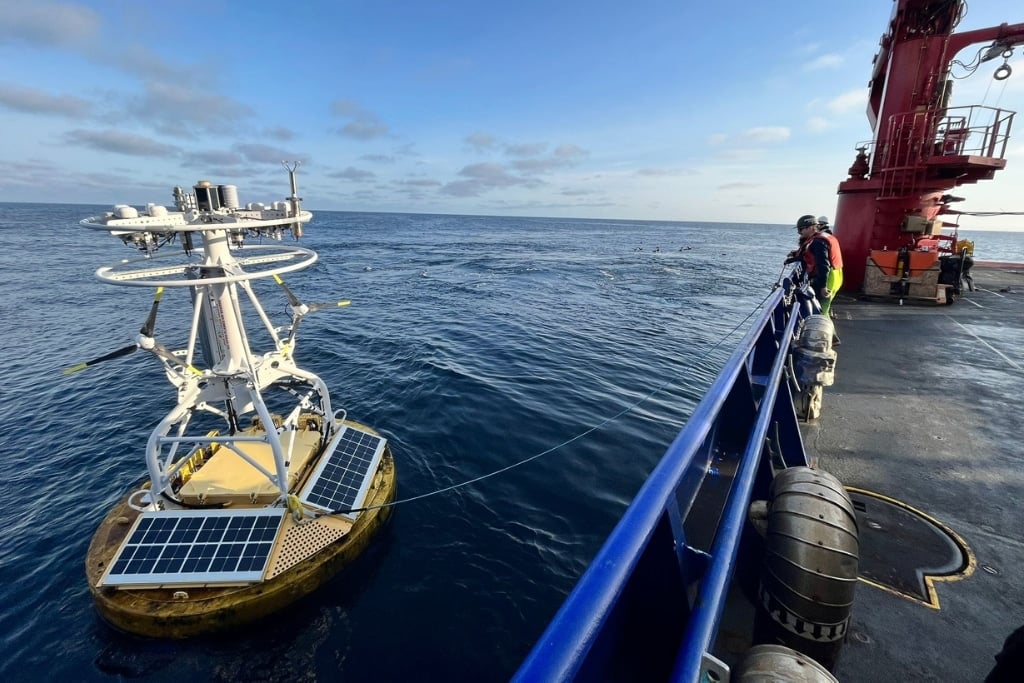
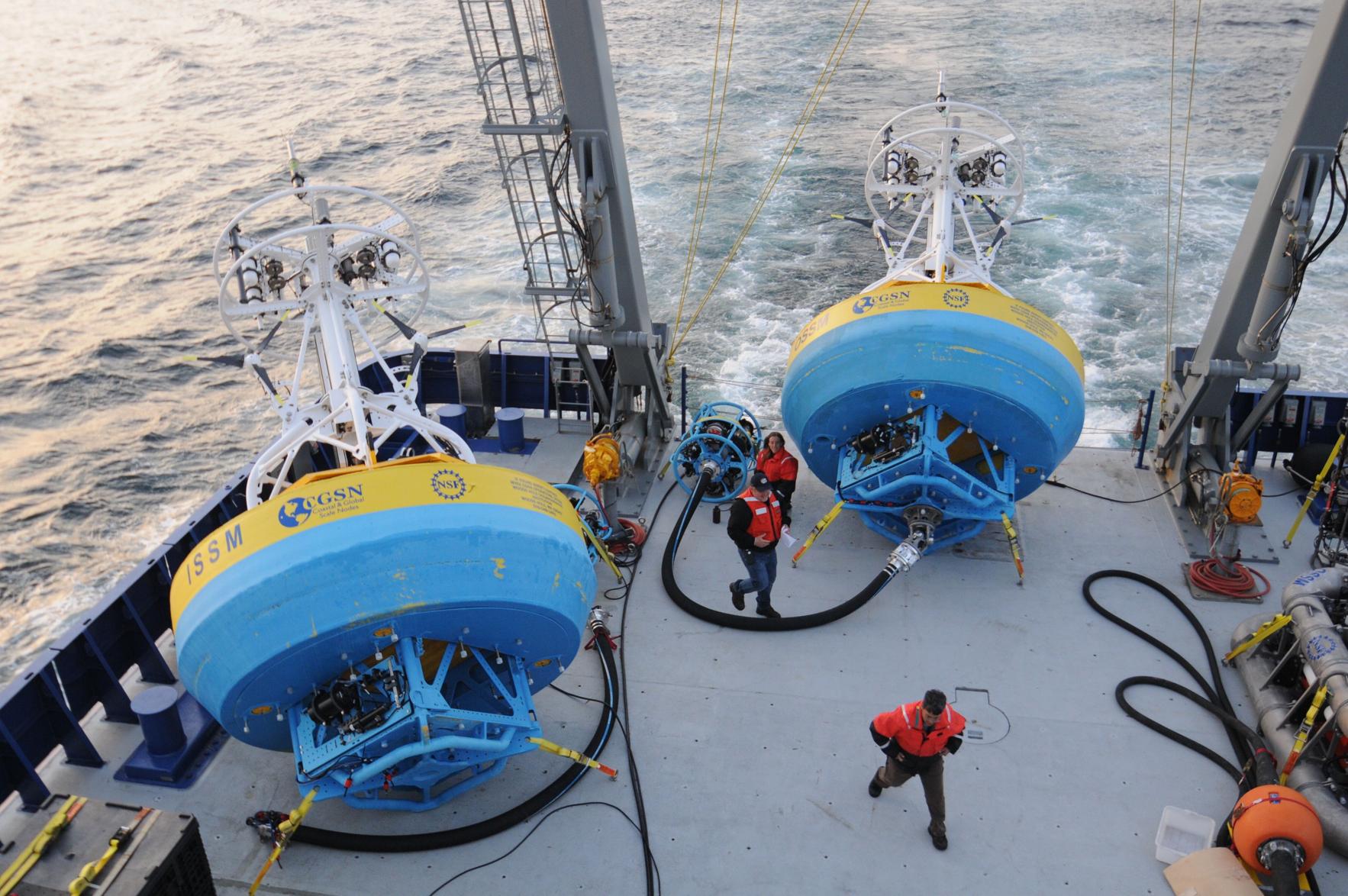
The Ocean Observatories Initiative, commonly known as OOI, is a sophisticated network of instruments placed throughout key regions of the world’s oceans.
Launched in 2016, the project cost approximately $368 million and was designed to operate for twenty-five years. The system consists of hundreds of sensors, underwater instruments, monitoring stations, and research platforms that continuously collect data from some of the most important ocean environments on Earth.
The network stretches across waters off Oregon, Washington, Alaska, North Carolina, and the Irminger Sea, located between Greenland and Iceland. These locations were carefully selected because they provide valuable insight into major ocean processes that affect climate systems around the globe.
Unlike short-term scientific expeditions that gather data for limited periods, the Ocean Observatories Initiative was designed to operate continuously. This allows researchers to observe long-term trends that would otherwise be impossible to detect.
For scientists, continuous observation is essential because climate changes often occur gradually over many years or even decades.
Why Scientists Depend on Ocean Monitoring Data
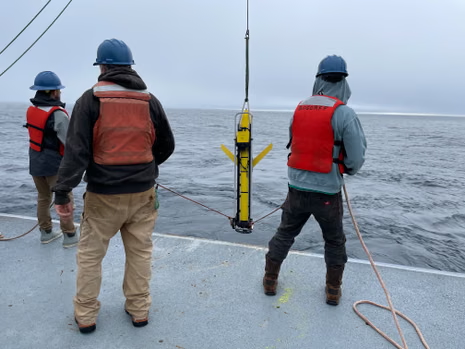
The ocean is often described as Earth’s climate engine.
More than 70 percent of the planet’s surface is covered by water, and the oceans absorb enormous amounts of heat and carbon dioxide from the atmosphere. Understanding exactly how those processes work requires constant observation.
Data collected through the Ocean Observatories Initiative has helped researchers answer some of the most important questions in climate science.
Scientists have used the information to study how oceans absorb greenhouse gases, how marine heat waves develop, how ocean temperatures affect fisheries, and how changing currents influence weather patterns.
The information is also critical for understanding coastal flooding risks. Rising sea levels, stronger storms, and changing ocean conditions increasingly threaten communities located near coastlines.
Without continuous monitoring, researchers fear they could lose valuable insight into environmental changes occurring beneath the ocean surface.
Those hidden changes often provide early warning signs of larger climate shifts.
The Critical Role of the Irminger Sea Station
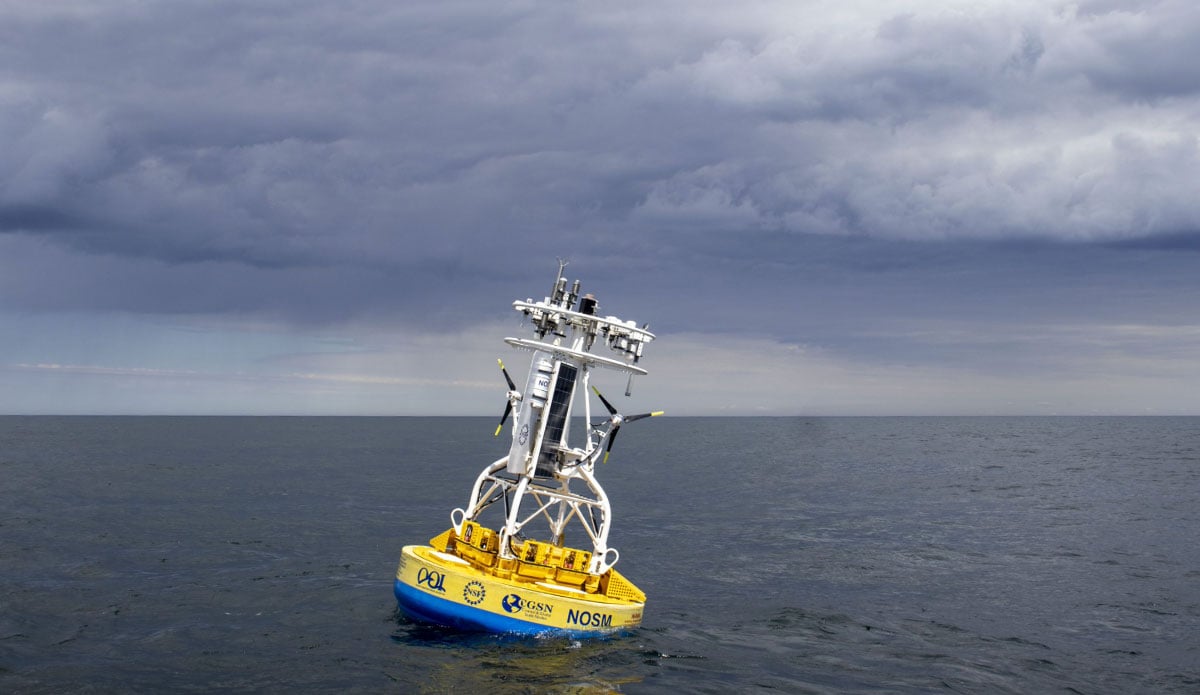
Among the many monitoring sites included in the project, one location has received particular attention from scientists.
The Irminger Sea station sits between Greenland and Iceland and plays a key role in monitoring the Atlantic Meridional Overturning Circulation, often referred to as AMOC.
This massive system of ocean currents functions like a global conveyor belt, transporting warm and cold water across vast distances.
The circulation system influences temperatures, rainfall patterns, storm activity, and climate conditions throughout North America and Europe.
Some climate researchers worry that global warming could weaken this circulation system.
A significant slowdown could trigger dramatic weather changes in various regions of the world.
Because of these concerns, the Irminger Sea monitoring station has become one of the most important climate observation sites on the planet.
Scientists argue that removing instruments from this region could reduce their ability to detect critical changes before they become larger environmental problems.
Why the Trump Administration Supports the Decision
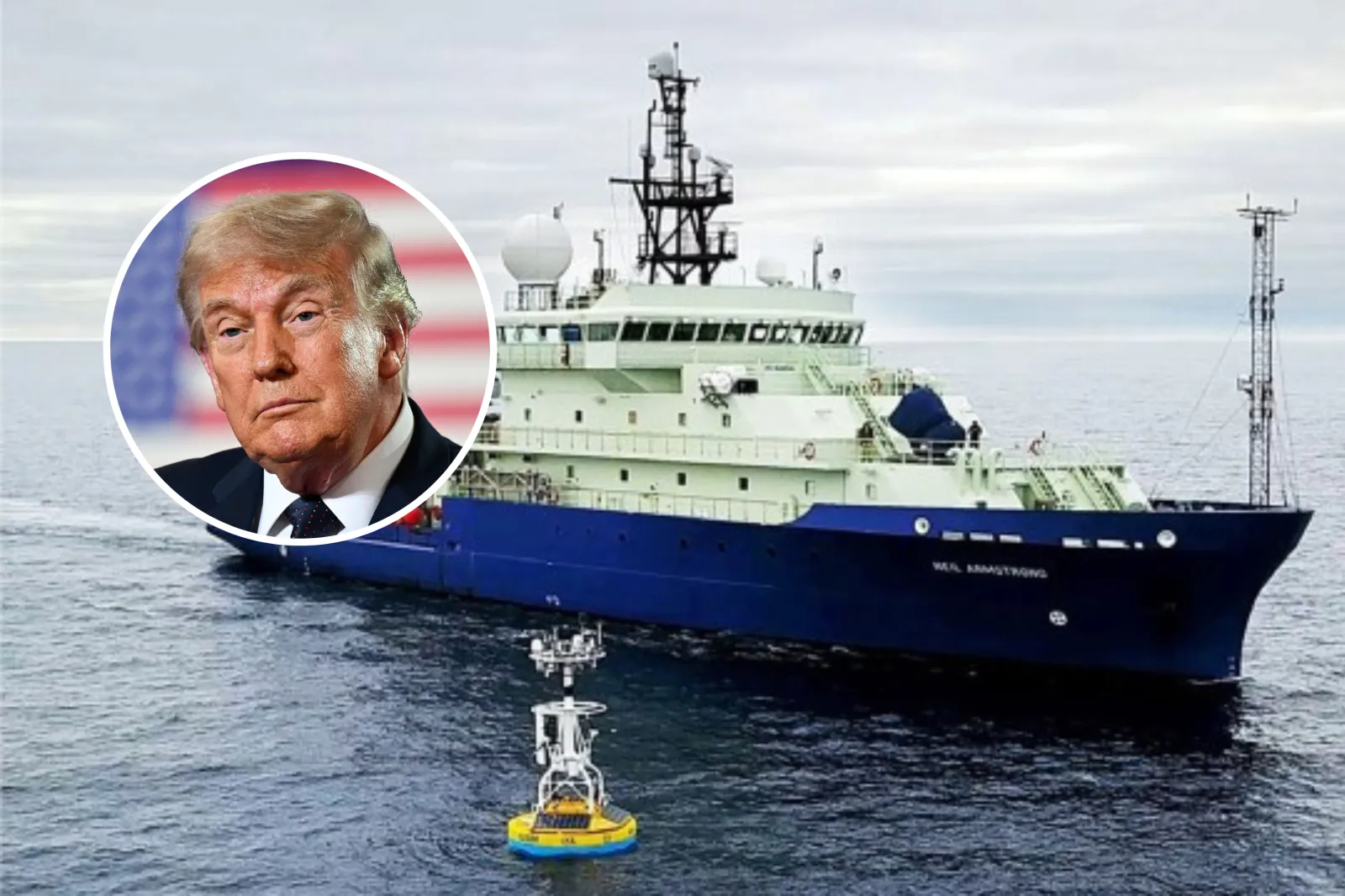
Officials within the National Science Foundation have defended the decision as part of a broader effort to modernize scientific investments.
According to agency representatives, research priorities evolve over time. New technologies and emerging scientific challenges require agencies to periodically reevaluate where funding and resources are allocated.
Supporters of the decision argue that maintaining expensive infrastructure indefinitely is not always the most effective use of taxpayer money.
Instead, they believe scientific organizations must remain flexible and invest in technologies capable of addressing future research needs.
The administration’s position reflects a broader philosophy emphasizing efficiency, cost management, and strategic reassessment of long-term government projects.
From this perspective, ending one research program does not necessarily indicate opposition to science itself.
Rather, supporters describe it as a decision about resource allocation and changing priorities.
However, many researchers remain unconvinced by that explanation.
Scientists Warn of Lost Climate Knowledge
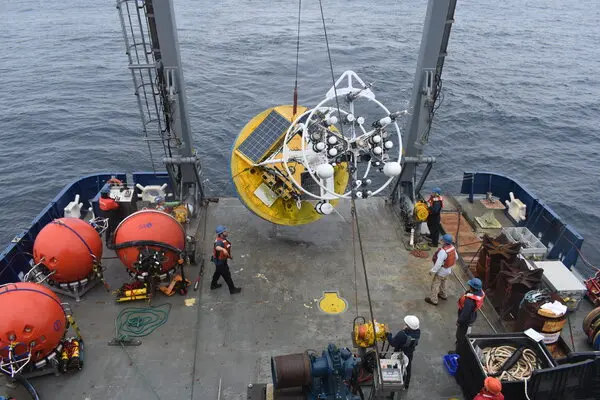
The scientific community’s reaction has been overwhelmingly concerned.
Researchers argue that long-term climate observation systems become more valuable over time because they accumulate decades of information that allow scientists to identify trends and patterns.
Once a monitoring network is removed, rebuilding those datasets becomes nearly impossible.
Years of continuous observations can be interrupted permanently.
Climate scientists often compare environmental monitoring systems to medical monitoring equipment. Doctors rely on continuous health data to identify emerging problems before they become serious.
Similarly, scientists depend on long-term environmental observations to detect changes before they develop into larger climate threats.
Several researchers have expressed concern that dismantling the network could create significant gaps in climate knowledge during a period of rapid environmental change.
Those gaps could limit future forecasting capabilities and reduce understanding of how oceans are responding to warming temperatures.
The Impact on Marine Ecosystems
The Ocean Observatories Initiative does far more than track climate change.
Researchers also use the system to study marine ecosystems, fisheries, biodiversity, and ocean health.
Changes in ocean temperatures can significantly affect fish populations and marine food chains. Some species migrate to new locations when waters warm, creating economic challenges for fishing communities.
The monitoring network helps scientists understand these shifts as they occur.
It also provides valuable information about underwater environments that remain largely unexplored.
Many marine ecosystems are sensitive to changes in temperature, oxygen levels, acidity, and ocean circulation patterns.
Without continuous monitoring, scientists may lose important opportunities to understand how these ecosystems respond to environmental pressures.
The consequences could extend beyond research institutions and affect industries that depend on healthy oceans.
Concerns About America’s Scientific Leadership
Another concern raised by researchers involves America’s role in global science.
For decades, the United States has been considered a leader in climate research, oceanography, and environmental science.
Large-scale projects like the Ocean Observatories Initiative contribute significantly to that reputation.
Scientists from around the world use data generated by these monitoring systems to support research efforts across numerous disciplines.
Critics argue that dismantling the network could weaken America’s influence within the international scientific community.
Some researchers fear that other nations may fill the gap left by the United States, shifting leadership in ocean science toward countries investing more aggressively in environmental monitoring.
Scientific leadership is not simply a matter of prestige.
It also affects international collaboration, innovation, technological development, and the ability to influence global environmental policy discussions.
Why Long-Term Climate Monitoring Matters
One of the biggest challenges in climate science is distinguishing short-term variability from long-term trends.
Weather changes daily. Climate changes over decades.
This distinction makes long-term monitoring systems especially important.
Scientists rely on continuous datasets to identify subtle shifts that might otherwise go unnoticed. A single year of data rarely tells the full story.
Decades of observations reveal patterns that can help researchers understand where environmental conditions are heading.
The Ocean Observatories Initiative was originally expected to operate until approximately 2041.
Its early removal means researchers could lose fifteen years of planned observations.
For many scientists, that lost opportunity represents one of the most concerning aspects of the decision.
Future generations may never have access to information that would have been collected during those missing years.
What This Means for the Future
The debate surrounding the Ocean Observatories Initiative reflects a larger conversation about how societies value scientific knowledge.
Climate change, ocean health, extreme weather events, and environmental resilience remain among the most important challenges facing humanity. Addressing those challenges requires reliable information and long-term observation.
Supporters of the administration’s decision believe scientific priorities must evolve alongside technological advances. Critics argue that dismantling a functioning monitoring system sacrifices invaluable data at a time when understanding Earth’s climate has never been more important.
Regardless of where one stands politically, the decision highlights a fundamental reality. Modern society depends heavily on scientific information to make decisions about infrastructure, disaster preparedness, fisheries management, environmental protection, and climate adaptation.
The ocean influences nearly every aspect of life on Earth, often in ways invisible to the average person. The instruments being removed from the sea may rarely appear in headlines, but the information they provide helps scientists understand forces shaping the planet’s future.
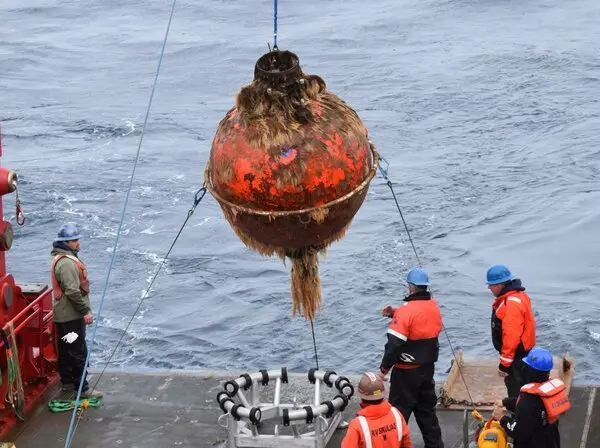
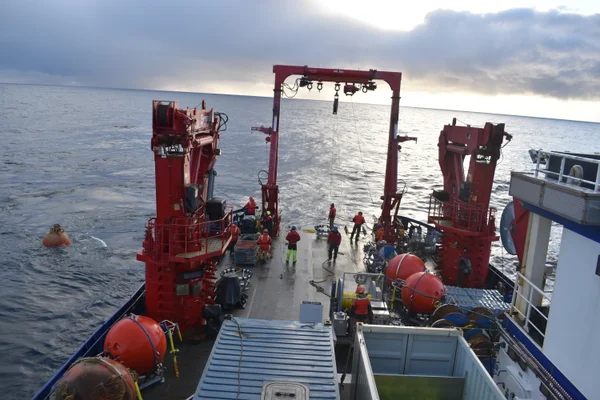
As ships begin removing equipment from the ocean floor and monitoring stations fall silent, many researchers are left asking the same question: what critical discoveries might never be made once these eyes beneath the sea disappear?