
Table of Contents
Unexpected Route Changes
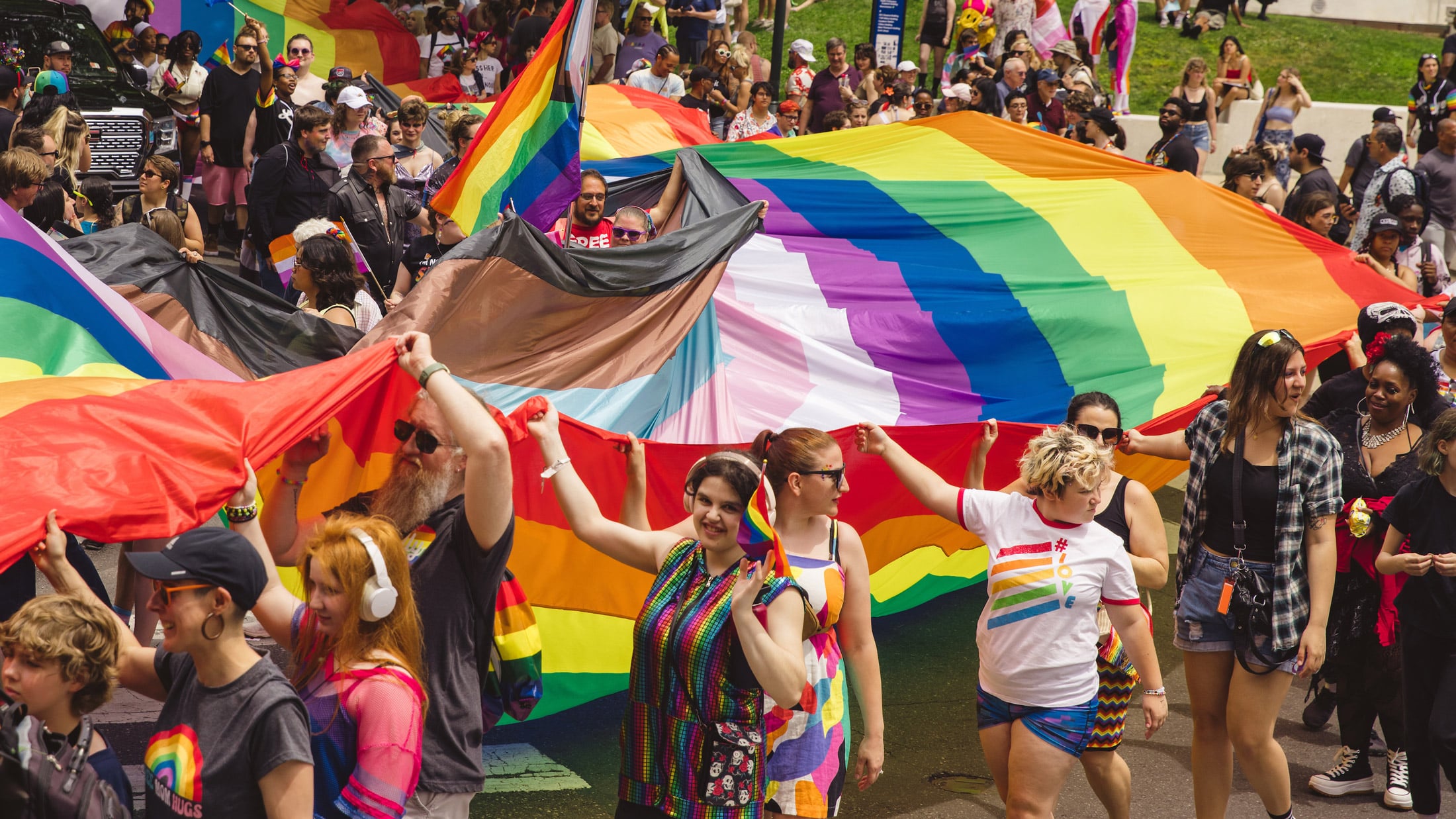
The parade, scheduled to wind through some of San Francisco’s most iconic neighborhoods, originally planned a route that would take participants directly past Warren G. Harding Elementary School. Organizers were caught off guard when several performers, including prominent drag participants, revealed they were legally barred from being in close proximity to schools and similar public spaces.
“We can’t go that way,” said drag performer Brent Dwyer, addressing parade officials. “At least, I can’t go that way… for reasons I really don’t want to talk about in public.” The statement underscores the unique legal and social considerations that now accompany modern Pride events, particularly those with high-profile or legally sensitive participants.
As a result, parade coordinators scrambled to map out an alternative path that allowed the procession to continue while remaining compliant with local laws and regulations. The sudden rerouting caused temporary confusion but also demonstrated the flexibility and adaptability of the organizing teams, who are responsible for the safety and legality of the event.
Legal Concerns and Public Safety
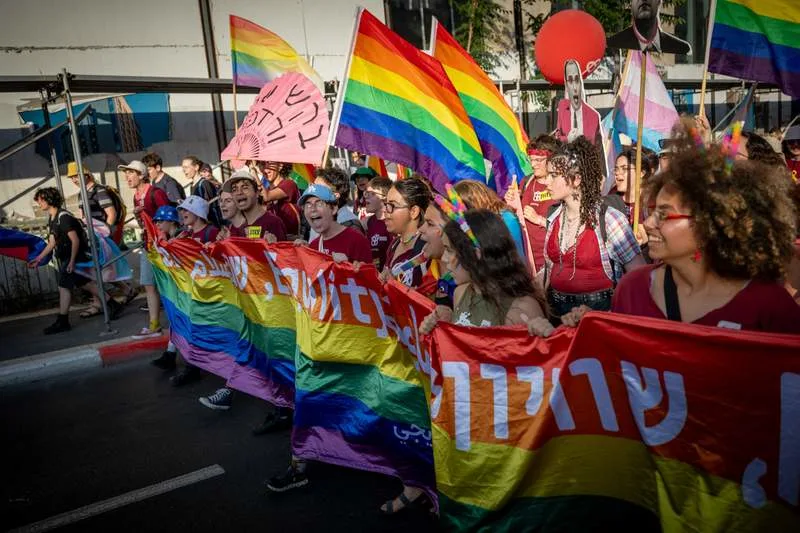
The decision to alter the parade route was rooted in both legal requirements and public safety concerns. Many performers were legally restricted from entering areas where children commonly gather, such as schools, parks, and playgrounds. These restrictions stem from a combination of prior convictions, regulatory guidelines, and standard municipal safety protocols.
“Ensuring the parade does not pass within restricted zones is essential for maintaining compliance and avoiding potential legal consequences,” stated a city official familiar with the planning process. The official emphasized that the city and organizers are committed to celebrating Pride while respecting boundaries designed to protect both participants and the public.
Participant Perspectives
Many of the parade participants expressed mixed feelings about the sudden detour. While some were frustrated at the last-minute changes, others focused on the opportunity to engage with audiences in new neighborhoods or at centralized Pride events.
“This is why we have all these kids’ events during Pride Month,” said one participant dressed in a purple wig and flamboyant attire. “If we can’t go where they are, we invite them to come where we are. I’m not here to cause any harm; I just want to celebrate identity and teach about diversity in a safe and inclusive environment.”
The remark reflects a broader philosophy within the LGBTQ+ community: public events serve not only as celebrations but also as platforms for education and awareness. However, this philosophy must now coexist with legal boundaries that prioritize safety.
Historical Context of Pride Events
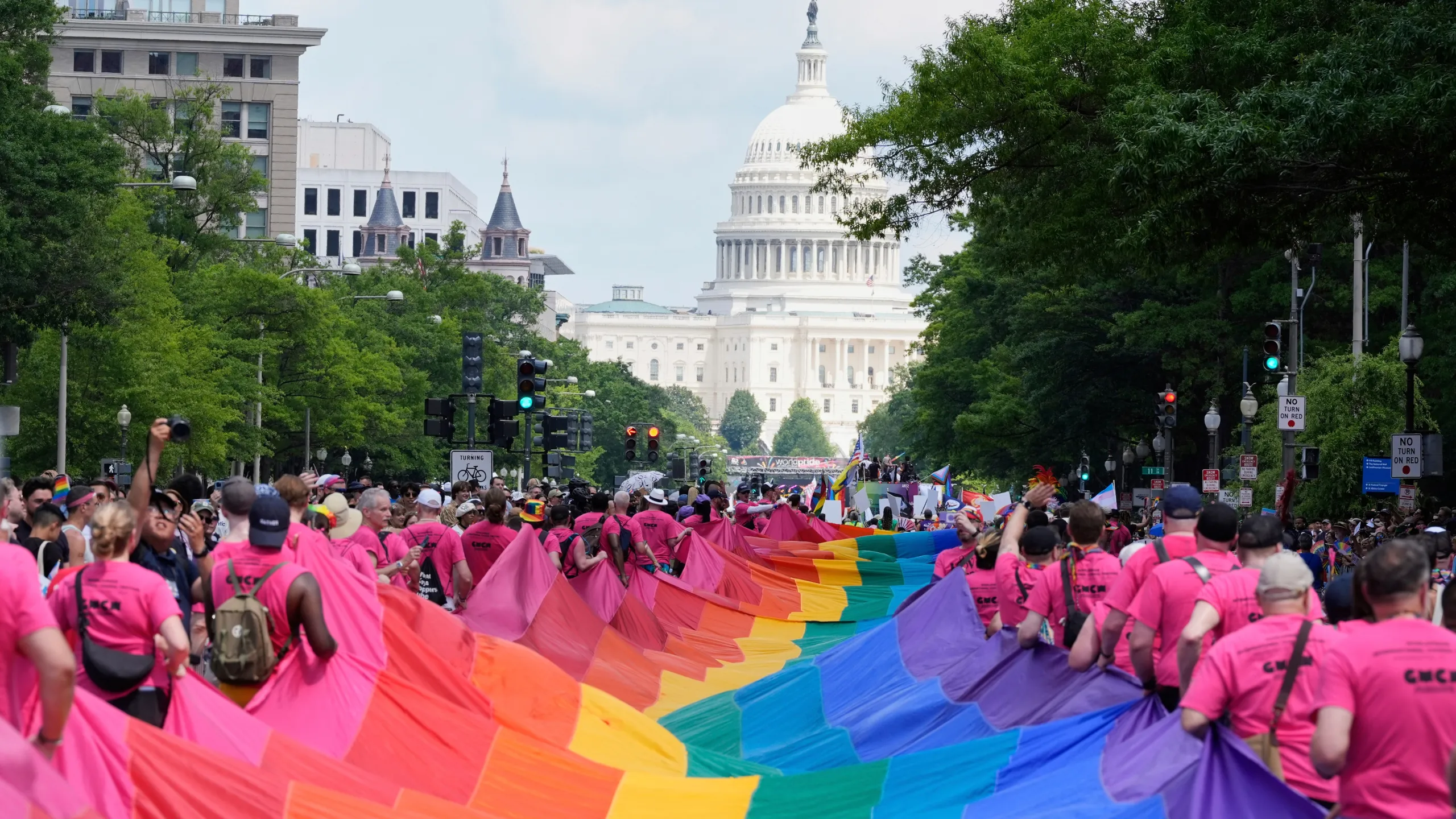
Pride parades have historically been both celebratory and political, originating from the Stonewall riots of 1969. Over the decades, these events have grown in size, visibility, and scope. San Francisco, in particular, has long been a hub for LGBTQ+ culture, attracting hundreds of thousands of participants each year.
However, the increased visibility also brings scrutiny. Local authorities have historically imposed certain restrictions on parade routes, ensuring that public safety, traffic flow, and proximity to sensitive locations such as schools and hospitals are considered. The current incident continues this tradition of balancing visibility with safety.
Community Reactions
Online reactions to the parade’s sudden reroute were swift and varied. Some praised organizers for quickly adapting and prioritizing legal compliance, while others criticized the restrictions as overly cautious or indicative of larger societal tensions. Social media users debated whether legal constraints on parade routes are necessary or if they unnecessarily hinder public celebration.
A Twitter user commented, “It’s impressive that the organizers could reroute thousands of people at the last minute without chaos. That’s crisis management in action.” Another user wrote, “This is ridiculous. Pride should be about visibility and freedom, not compliance with overly restrictive rules.” These reactions demonstrate the tension between celebration, legality, and public perception that events like Pride parades must navigate.
Broader Social Implications

The incident highlights a broader societal conversation about public events and inclusivity. Cities like San Francisco must reconcile the desire for vibrant public celebrations with legal and social responsibility. Restrictions on proximity to schools and other public areas may seem restrictive to some, but they reflect community standards, safety regulations, and legal obligations that organizers must follow.
Moreover, the controversy raises questions about access and visibility. Parades are symbolic gestures of inclusion and identity affirmation. When routes are limited or participants restricted, it can unintentionally send a message that public space remains contested or regulated, even for events intended to celebrate diversity.
Education and Awareness Objectives
Despite the challenges, organizers emphasized that Pride parades continue to serve educational purposes. Workshops, street performances, and informational booths often accompany the procession, offering opportunities for attendees and passersby to learn about LGBTQ+ identities, history, and rights.
“Parade participants want to create safe spaces for dialogue,” explained one organizer. “Even with route restrictions, we focus on engagement and visibility where it is legally permissible. This is an evolving process, but it remains central to our mission of awareness and inclusion.”
Logistical Challenges
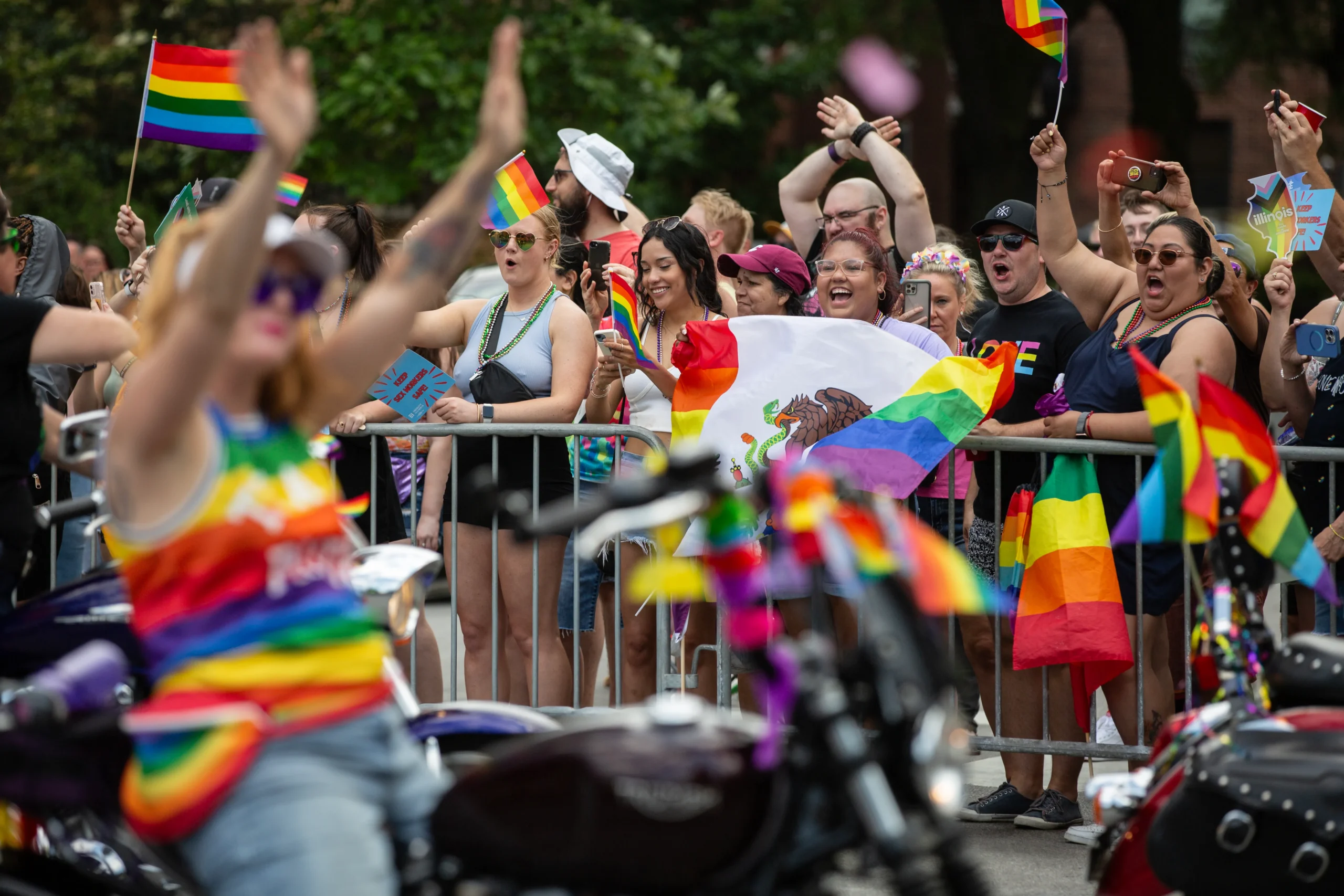
Managing a parade of this magnitude presents significant logistical hurdles, especially when rerouting must be done on short notice. Coordination involves local law enforcement, city officials, volunteers, and participants, all of whom must quickly adapt to revised maps, safety instructions, and public communication strategies.
The sudden shift also affected spectators who had planned to view the parade along the original route. City officials and organizers used social media and public notices to inform residents and visitors about the changes, highlighting the importance of real-time communication in urban event management.
Public Discourse and Media Coverage
The rerouted parade has garnered extensive media coverage, from local news outlets to international platforms. While some coverage focuses on the humorous or unconventional aspects of the incident, others examine the legal, social, and political implications.
Analysts suggest that events like these reflect broader societal debates about inclusivity, freedom of expression, and public safety. As public events become increasingly scrutinized, organizers must balance celebration with responsibility, ensuring that community engagement does not compromise safety or legality.
Reflections on Public Celebrations
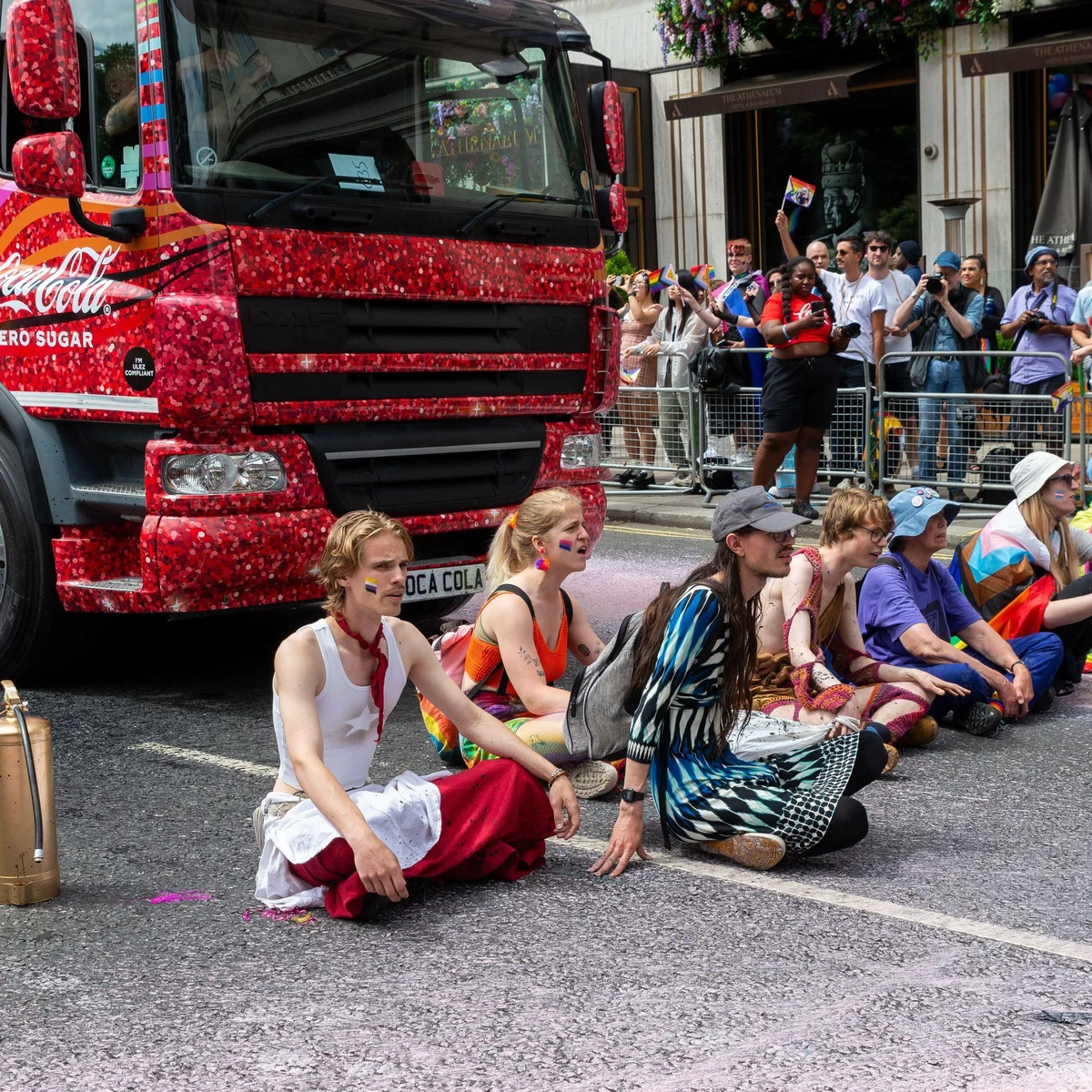
The San Francisco Pride Parade’s last-minute route change underscores the complex interplay between public celebration, legal compliance, and community expectations. While participants adapted and the parade continued, the incident has sparked conversations about the limits of visibility, the role of law in public spaces, and how communities navigate evolving social norms.
Moving forward, organizers may need to develop more flexible planning strategies that anticipate legal restrictions and maximize both participation and safety. At the same time, the event serves as a reminder of the resilience of the LGBTQ+ community and the continued importance of public spaces for celebration, education, and awareness. Despite legal constraints, the parade demonstrated creativity, adaptability, and commitment to inclusion, highlighting how public events can navigate challenges while maintaining cultural significance.